Table of Contents >> Show >> Hide
- Why Craft Feels So Necessary Now
- Craft Is Not Nostalgia. It Is Intelligence.
- The New Craft Obsession at Home
- Repair Belongs in the Craft Conversation
- Craft Builds Community, Not Just Objects
- The Emotional Grammar of Making
- In Praise of Craft, Ultimately
- An Extra on the Experience of Craft
- Conclusion
There is a reason the word craft feels especially magnetic right now. In a world that loves speed, automation, overnight shipping, and the general emotional texture of having 47 browser tabs open at once, craft offers something radically different: patience, tactility, intention, and proof that human hands still know a few things the algorithm does not. It is not merely a trend. It is a correction.
And what a lovely correction it is. Craft asks us to admire the seam, not hide it. To notice grain, weight, weave, and joinery. To appreciate the wobble in the handmade bowl because the wobble is the biography. A machine can produce perfection at scale; a maker produces character in singular form. One gives you a product. The other gives you a relationship.
That is why craftsmanship, handmade design, creative hobbies, and even repair culture have become such enduring modern obsessions. We are not just buying objects anymore. We are buying stories, skill, continuity, and evidence that someone cared long enough to make the thing well. Whether the medium is ceramics, quilting, woodworking, weaving, embroidery, visible mending, or hand-finished furniture, the message is the same: quality has a pulse.
Why Craft Feels So Necessary Now
Craft matters because modern life can feel suspiciously frictionless. You tap a screen and a meal appears. You click a button and a lamp arrives in two days. You scroll, swipe, dismiss, repeat. Convenience is wonderful, of course. Nobody is demanding that we churn our own butter by candlelight. But convenience also has side effects. It can flatten our sensory lives, reduce our tolerance for process, and make the world feel disposable.
Craft restores consequence. When you knit a scarf, shape clay on a wheel, patch a ripped sleeve, or sand a tabletop smooth, your attention has to show up in full. There is no shortcut for learning tension in yarn. No app can teach your hands exactly how wood grain will behave under a chisel. You do the work, the material talks back, and eventually the object becomes a record of that conversation.
That, fundamentally, is why the current fascination with craft feels bigger than décor or hobby culture. It is a search for depth. Handmade work gives us evidence of time spent well. It reminds us that not everything meaningful must be optimized. Sometimes the point is not efficiency. Sometimes the point is devotion.
Craft Slows Time Without Wasting It
One of the great pleasures of craft is that it slows time in the least annoying way possible. Not in the “why is this meeting still happening?” way. In the richer, stranger way where you look up after an hour of stitching, carving, glazing, or mending and realize your brain has finally stopped behaving like an inbox on fire.
People often talk about handmade work as relaxing, but that undersells it. The deeper gift of making is concentration. A craft project gives the mind a useful place to land. It narrows the field of attention. The hands are occupied, the eye is engaged, and the nervous system gets a small vacation from abstract panic. You are not spiraling. You are hemming. You are not doomscrolling. You are trimming a wick, threading a needle, or trying to convince clay to become a mug instead of a tragic little cylinder. That counts as progress.
Craft Is Not Nostalgia. It Is Intelligence.
It is tempting to talk about craft as a warm bath of nostalgia, all quilts and wooden spoons and cottages with suspiciously excellent lighting. But craft deserves more respect than that. It is not simply old-fashioned. It is a body of knowledge. It stores technique, cultural memory, and problem-solving inside physical practice.
A well-made object reveals decisions. Why this stitch and not that one? Why use oak instead of pine? Why hand-build the ceramic piece rather than throw it? Why leave the repair visible rather than hide it? Every answer contains design logic, material knowledge, and values. Craft is not anti-modern; it is a sophisticated way of thinking through material, use, durability, and beauty all at once.
This is why the best artisanal work never feels flimsy or sentimental. It feels smart. A handwoven rug is not only beautiful; it understands wear. A dry stone wall is not only picturesque; it understands gravity, drainage, and repair. A mended jacket is not only charming; it understands longevity better than fast fashion ever will. Craft is functional intelligence with style.
The Handmade Object Has Moral Weight
When people praise handmade goods, they are often responding to more than aesthetics. They are responding to ethics. A carefully made object suggests stewardship. It implies fewer shortcuts, more accountability, and a healthier relationship between creator, material, and user. You may not know the maker personally, but the object gives you the feeling that someone stood behind it rather than just shipped it.
That emotional difference matters. Mass production is not going anywhere, nor should it for many practical goods. But mass production has trained us to expect replacement instead of relationship. Craft pushes back. It asks a beautifully rude question: what if you bought fewer things, but loved them longer?
The New Craft Obsession at Home
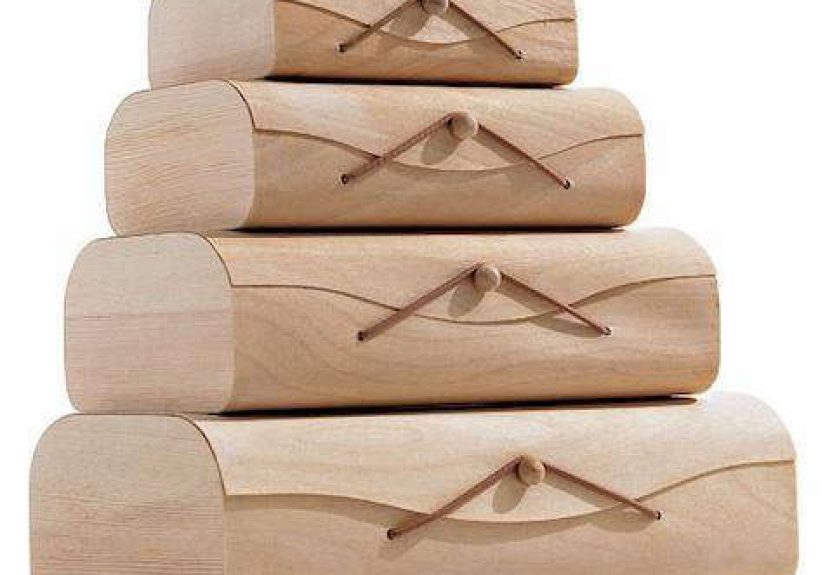
Home is one of the places where craft’s revival becomes most visible. The current appetite for natural materials, hand-thrown ceramics, block-printed textiles, woven baskets, visible wood grain, handmade tile, and artisanal finishes is not random. It reflects a desire for spaces that feel embodied rather than staged.
People want rooms with texture because texture makes a room feel inhabited. A handmade quilt softens a space in a different way than a factory-perfect throw pillow ever can. A table with joinery you can actually notice has more presence than something that arrived in a flat box with 64 mysterious screws and one emotional support Allen wrench.
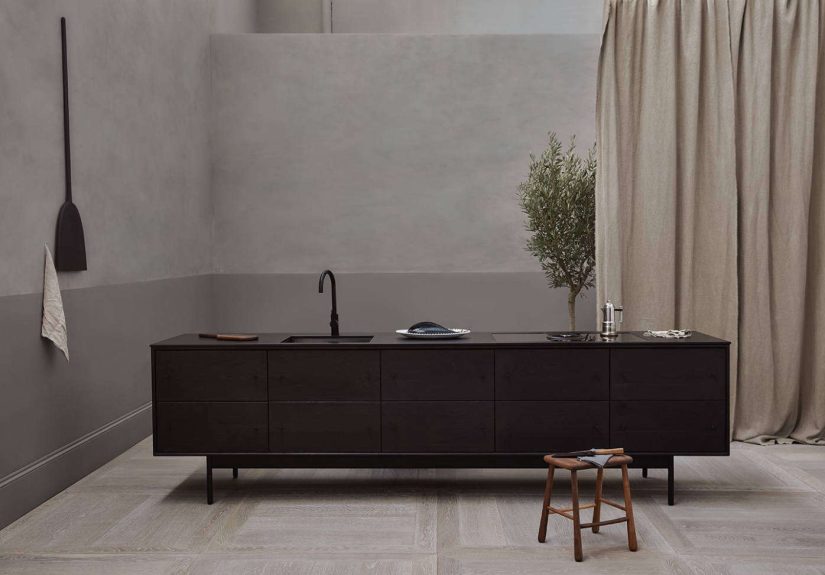
Even the most contemporary interiors now borrow the language of craft: hand-finished plaster, woven lighting, bespoke upholstery, vintage wood pieces, and ceramics that look delightfully imperfect. These are not little decorative accidents. They are signs that people are hungry for objects that reveal process.
And it is not only about buying handmade work. It is also about trying it. Pottery classes, embroidery kits, crochet tutorials, sewing projects, folk painting, quilting, candle making, and beginner woodworking all carry the same appeal: they let people participate in beauty instead of merely consuming it. That shift matters. Watching design is entertaining. Making design is transformative.
Repair Belongs in the Craft Conversation
No praise of craft is complete without praise of repair. Repair is craft’s practical, unsentimental cousin. It is less glamorous than a gallery-ready vessel or a handwoven heirloom blanket, but it may be even more radical. Repair says an object is still worthy of time. Repair says damage is not always the end of the story. Repair says usefulness can be extended, and beauty can survive interruption.
This idea has moved from the workshop into the mainstream. More people are thinking about mending clothes, fixing electronics, restoring furniture, and maintaining older goods rather than automatically replacing them. Part of that is economic common sense. Part of it is environmental awareness. And part of it is emotional revolt against disposability.
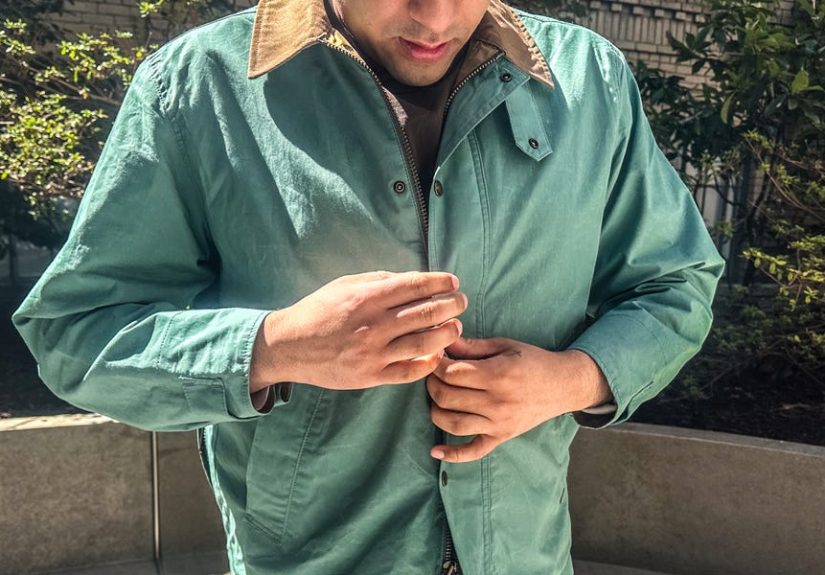
Visible mending, in particular, has become such a compelling symbol because it does not pretend a thing was never broken. It elevates the fix. It turns the repair into design. That is a deeply modern kind of honesty. Instead of erasing wear, it incorporates wear into the object’s identity. A patched sleeve, re-sewn seam, or repaired chair leg says: this mattered enough to save.
There is something quietly beautiful about that. Also frugal. Also stylish. Also satisfying in the very specific way that makes you want to show a friend and say, “Look, I fixed it,” which is adult bragging of the highest order.
Craft Builds Community, Not Just Objects
One of the biggest misunderstandings about craft is that it is solitary. Yes, many crafts happen in private. A person at a loom rarely looks like they are hosting a dance party. But craft is profoundly social. Skills are taught, borrowed, inherited, demonstrated, traded, and refined in community. Makers learn from one another in studios, classes, markets, fairs, guilds, workshops, online groups, neighborhood repair events, and tiny local shops that smell faintly of paper, cedar, and ambition.
That community dimension is part of what makes today’s craft obsession feel meaningful rather than decorative. Handmade culture creates places where people gather around shared attention. A ceramics studio becomes a social world. A quilting circle becomes a record of memory. A woodworking bench becomes a site of mentorship. A craft fair becomes a local economy with personality. These are not just transactions. They are ecosystems of skill, taste, and mutual encouragement.
At a time when many people are hungry for belonging, craft offers a refreshingly solid form of connection. You do not need to perform yourself into existence. You just need to show up, learn how to hold the tool correctly, and be willing to make an ugly first attempt. That alone is a powerful kind of equality. Clay humbles everyone. So does a sewing machine with attitude.
The Emotional Grammar of Making
Craft teaches lessons that are increasingly rare and therefore increasingly valuable. It teaches patience without preaching it. It teaches humility because materials refuse fantasy. It teaches discernment because quality lives in details. It teaches resilience because most crafts involve, at minimum, one mistake you have to creatively recover from and two moments when you are convinced the project has personally betrayed you.
But craft also rewards perseverance in a way modern life often does not. The more you practice, the more visible the improvement becomes. Your first bowl may look like a soup emergency. Your fifth one starts to look intentional. Your tenth has grace. That progression is thrilling because it is honest. No hack, no gimmick, no instant-expert nonsense. Just repetition, correction, and gradual fluency.
And that may be the strongest argument in praise of craft: it reintroduces us to earned confidence. Not performative confidence. Not branding. Not “fake it till you make it” with suspiciously aggressive eye contact. Real confidence, built through doing.
In Praise of Craft, Ultimately
To praise craft is to praise care made visible. It is to celebrate people who know that the underside of a table matters, that the inside of a drawer matters, that the back of a quilt matters, that a hem should be neat even when nobody will inspect it with a flashlight and a clipboard. Craft believes integrity exists whether or not applause does.
That belief feels noble right now. Necessary, even. In a culture obsessed with scale, craft honors depth. In a culture obsessed with speed, craft honors duration. In a culture obsessed with frictionless consumption, craft honors the stubborn, beautiful reality that meaningful things often take time, skill, revision, and care.
So yes, let us be obsessed with craft. Let us admire the hand-thrown mug, the reupholstered chair, the mended sweater, the handwoven textile, the carved spoon, the perfectly balanced lamp, the thoughtfully repaired radio, the block-printed tablecloth, the patient stitch, the honest joint, the useful bowl. Not because they are quaint, but because they tell the truth. They remind us that making still matters, and that the world is better when more things bear the imprint of thought, touch, and love.
An Extra on the Experience of Craft
Anyone who spends real time with craft learns that the experience is rarely glamorous in the moment. It is full of small negotiations. Your thread knots. Your glaze drips. Your measurements are somehow both careful and wrong. The chair you planned to sand for 20 minutes becomes a Saturday-long relationship. The dough is too sticky, the wood splinters, the seam puckers, and the paint color that looked elegant in theory suddenly resembles expensive oatmeal. And yet, this is exactly where the pleasure begins.
Craft changes your relationship to mistakes. In many parts of modern life, an error feels like failure or embarrassment. In making, an error becomes information. You cut too short; now you understand seam allowance. You overwork the clay; now you understand texture. You pull the stitch too tightly; now you understand tension. Craft turns frustration into literacy. It teaches you to read materials more closely and to read yourself more honestly.
There is also something deeply memorable about the physical setting of craft. A worktable scattered with scraps. The smell of sawdust or wet clay. A cup of cold coffee forgotten beside the fabric shears. Radio in the background. Late afternoon light doing heroic things for a project that still looks a little questionable up close. These details matter because they become part of the emotional architecture of making. Years later, people do not only remember the object. They remember the room, the season, the patience it required, and who they were while learning.
Craft also creates a rare form of intimacy with everyday objects. Once you have tried making a garment, a basket, a mug, or a wooden shelf, you never look at those things quite the same way again. You begin noticing construction, labor, and finish. You respect the invisible decisions inside useful objects. A simple linen napkin stops being “just a napkin.” It becomes edges, weave, drape, stitching, durability, and touch. Craft trains appreciation. It makes the world look more detailed, not less.
Then there is the matter of pride, which arrives in wonderfully humble form. Not the loud kind of pride that needs a microphone. The quieter kind. The kind that appears when someone asks where you bought something and you get to say, trying and failing to sound casual, “Oh, I made it.” That sentence never gets old. It is one of adulthood’s underrated joys, right up there with finding a parking spot immediately and remembering why you walked into the kitchen.
Most of all, the experience of craft reminds people that they are capable of shaping the material world around them. That may sound dramatic for a knitted potholder, but the principle holds. To make something useful and beautiful with your own hands is to feel less passive in your life. You become a participant, not just a customer. You repair instead of discard. You learn instead of outsource. You begin to understand that skill is not magic reserved for a gifted few; it is often patience disguised as repetition.
That is why craft lingers. The object may sit on a shelf, hang on a wall, warm a bed, hold soup, or survive a hundred meals. But the deeper thing that remains is the feeling of having paid attention. In that sense, craft is not only about what gets made. It is about what gets restored in the maker: focus, confidence, humility, curiosity, and the pleasure of doing one thing carefully. In a distracted age, that is not a small gift. It may be one of the best gifts we can give ourselves.
Conclusion
Craft is having a moment, but it is more than a momentary fascination. It is a lasting reminder that materials matter, skill matters, repair matters, and the human hand still has cultural power. Whether expressed through artisanal home design, visible mending, pottery classes, woodworking, quilting, weaving, or the simple decision to keep and fix what we already own, craft gives modern life back some of its missing weight.
To live with craft is to live with more texture, more intention, and more gratitude for the labor behind the objects that shape our days. That is why this obsession feels so current, and why it is worth praising with full enthusiasm. Craft is not a retreat from modern life. It is one of the best ways to humanize it.