Table of Contents >> Show >> Hide
- Before You Start: The 3-Step “Looks Expensive” Plan
- Your Starter Toolkit (Minimal, Not Mythical)
- High-Impact DIY Home Decor Ideas (That Don’t Require Superpowers)
- 1) The Gallery Wall That Looks Curated (Not Random)
- 2) Renter-Friendly Wall Magic: Removable Everything
- 3) Paint: The Cheapest “New Room” You Can Buy
- 4) Board-and-Batten or Shiplap Accent Wall (Big Style, Surprisingly Doable)
- 5) Floating Shelves and Picture Ledges: Function That Also Decorates
- 6) Furniture Makeovers: The Thrift Flip That Changes Everything
- 7) Hardware Swaps: Tiny Change, Huge Payoff
- 8) Textiles: Instant Cozy Without Renovating Anything
- 9) Lighting Upgrades: The “Adult Home” Cheat Code
- 10) Decor That Organizes: Pegboards, Hooks, and Entry Stations
- 11) Thrifted + Upcycled Decor: Style With a Side of Sustainability
- 12) Styling Like a Pro: The “Rule of Three” (and the Rule of Not Too Much)
- Safety + “Don’t Regret This Later” Tips
- DIY Home Decor Experiences: What It’s Really Like (The Fun, the Fails, and the “Worth It”)
- Conclusion: Your Next Best Step (Pick One and Finish It)
Want your home to look like you hired a designer… without actually hiring a designer?
Welcome to DIY home decor, where confidence is high, budgets are low, and
“I can totally do that” becomes your new personality trait.
The best part: you don’t need a full renovation (or a reality TV montage) to get a big
visual upgrade. Small, strategic projectsthink walls, lighting, textiles, and a little
“thrift-store alchemy”can make a space feel custom, cozy, and undeniably you.
This guide rounds up proven, budget-friendly, American-style ideas and turns them into a
practical game plan you can actually finish.
Before You Start: The 3-Step “Looks Expensive” Plan
1) Pick a vibe (not a hundred vibes)
Choose one main directionmodern, farmhouse, coastal, minimal, vintage, colorfuland let it
guide your materials and finishes. A room can have personality without looking like it hosted
14 different aesthetics in one weekend.
2) Choose your “hero upgrade”
One high-impact project will carry the room: an accent wall, a gallery wall, DIY shelves,
upgraded lighting, or a furniture makeover. Everything else supports that hero like a good
backup dancer.
3) Repeat a few details on purpose
Repeating just two or three elements (wood tone, metal finish, or a signature color) is the
fastest way to make DIY decor feel cohesive instead of “I found this at 2 a.m. online.”
Your Starter Toolkit (Minimal, Not Mythical)
You don’t need a garage full of tools. For most easy DIY home decor projects,
the essentials are:
- Measuring tape + pencil (the dynamic duo)
- Level (because “eyeballing it” is how frames slowly drift into chaos)
- Stud finder (or at least a plan for anchors)
- Drill/driver, basic bits, and a small set of screws
- Painter’s tape + a decent brush/roller
- Sandpaper/sanding block + a tack cloth for furniture projects
- Utility knife + scissors + a straightedge
If you’re painting or refinishing, add ventilation, drop cloths, and a mask/eye protection.
Safety is always in style.
High-Impact DIY Home Decor Ideas (That Don’t Require Superpowers)
1) The Gallery Wall That Looks Curated (Not Random)
A DIY gallery wall is one of the fastest ways to make a room feel finished.
The trick is planning: pick a unifying element (frame color, photo style, or a theme), then
lay it out on the floor first.
Pro tips: mix sizes for movement, keep spacing consistent, and anchor the
arrangement around one “lead” piece (largest frame or boldest art). In small spaces, several
smaller pieces can visually expand the wall more than one lonely frame.
Example: Build a “black-and-white + one accent color” wall using thrifted frames,
printable art, and one textured element (woven piece, small wall shelf, or mini mirror).
2) Renter-Friendly Wall Magic: Removable Everything
If you rent (or just hate commitment), go renter-friendly: removable wallpaper, peel-and-stick
decals, and lightweight art hung with damage-minimizing methods.
For the best results, start with clean, smooth walls. Removable wallpaper tends to behave
better on well-primed surfaces with the right paint sheenotherwise it may peel weirdly, bubble,
or make you question your life choices.
Example: Frame peel-and-stick wallpaper panels as oversized “art” so you get pattern
without covering an entire wall. It’s high drama, low drama with your landlord.
3) Paint: The Cheapest “New Room” You Can Buy
Paint is still the reigning champion of budget-friendly home decor.
One weekend can transform a space:
- Accent wall: one bold color behind a sofa, bed, or dining table.
- Color-block arch: paint an arch behind a nightstand or desk to create a focal point.
- Ombre or tonal wall: subtle gradient for a modern look.
- Trim refresh: clean white trim can make everything look sharper.
Example: Paint one wall a warm neutral and repeat that tone in throw pillows and a rug.
Suddenly your space looks “designed,” not “assembled.”
4) Board-and-Batten or Shiplap Accent Wall (Big Style, Surprisingly Doable)
Want architectural interest without rebuilding your house? A DIY accent wall using MDF strips,
paneling, or shiplap-style boards can add texture and “custom home” energy.
The secret is layout: measure, sketch, and keep spacing consistent. Then caulk seams and paint
for that seamless built-in look. It’s basically eyeliner for your wallsdefinition matters.
Example: Create a board-and-batten grid behind your bed, paint it the same color as the wall,
and let the shadows do the work.
5) Floating Shelves and Picture Ledges: Function That Also Decorates
Shelves are decor and storage in one. Floating shelves look modern; picture ledges let you layer
frames, small plants, and objects without committing to nail holes in 37 different places.
Keep styling simple: stacks of books (spines in a similar tone), one sculptural object, and something
alive (plant, branch, or flowers). Too many tiny items reads clutter. A few intentional items reads
“gallery.”
6) Furniture Makeovers: The Thrift Flip That Changes Everything
Painting furniture is where DIY gets addictivein the best way. An old dresser becomes a statement
piece. A tired side table becomes “vintage-inspired.” Your brain becomes convinced you can paint
literally anything (including, briefly, the dogplease don’t).
For the smoothest finish, prep matters: clean thoroughly, sand appropriately, repair dings, and use
the right primer. Thin coats beat one thick coat every time.
Example: Paint a thrifted dresser a deep matte color, swap hardware for a modern finish, and
line the top drawer with peel-and-stick paper for a hidden “wow.”
7) Hardware Swaps: Tiny Change, Huge Payoff
Changing knobs and pulls is one of the quickest home decorating ideas that looks
shockingly intentional. Match finishes across the room (drawer pulls, curtain rod, lamp base) for
cohesion.
Example: In a kitchen or bathroom, upgrade cabinet pulls and add one matching towel ring.
It’s like giving your space jewelry.
8) Textiles: Instant Cozy Without Renovating Anything
If your room feels “flat,” add softness: curtains, pillows, throws, and rugs. Textiles are how you
introduce pattern and color without redoing your walls.
- No-sew pillow covers: use fabric tape, iron-on hem tape, or an envelope fold approach.
- Dyed curtains: refresh plain panels with fabric dye for custom color.
- Layered rugs: put a smaller patterned rug over a larger neutral for depth.
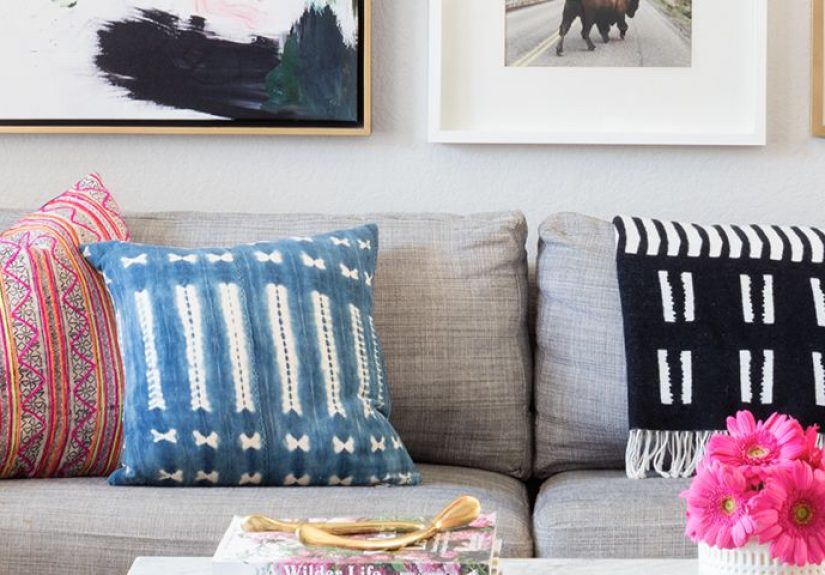
Example: Add two pillows that repeat your accent color and one pillow with texture (knit, boucle,
linen). Your sofa will look “styled,” not “waiting room.”
9) Lighting Upgrades: The “Adult Home” Cheat Code
Lighting changes the mood more than almost anything else. Even without rewiring, you can:
- Swap a basic lampshade for something with texture (linen, pleated, woven).
- Add plug-in sconces for a built-in look.
- Use warm-toned bulbs and dimmers where possible for a cozy feel.
- Wrap a cord neatly or use cord covers so it looks intentional.
Safety note: if you’re doing electrical work, follow local codes and turn off power.
“I thought it was off” is not a design aesthetic.
10) Decor That Organizes: Pegboards, Hooks, and Entry Stations
The most photogenic homes usually have one boring secret: they control clutter.
A pegboard wall, an entry shelf with hooks, or a simple “drop zone” tray can make a space feel
calmer immediately.
Example: In an entryway, hang a slim shelf, add hooks underneath, and place a small basket
for keys and mail. Your future self will write you a thank-you note.
11) Thrifted + Upcycled Decor: Style With a Side of Sustainability
Upcycling is DIY’s best plot twist. Look for solid wood pieces, baskets, frames, mirrors, and
anything with a good “bone structure.” Then upgrade with paint, stain, new legs, or better hardware.
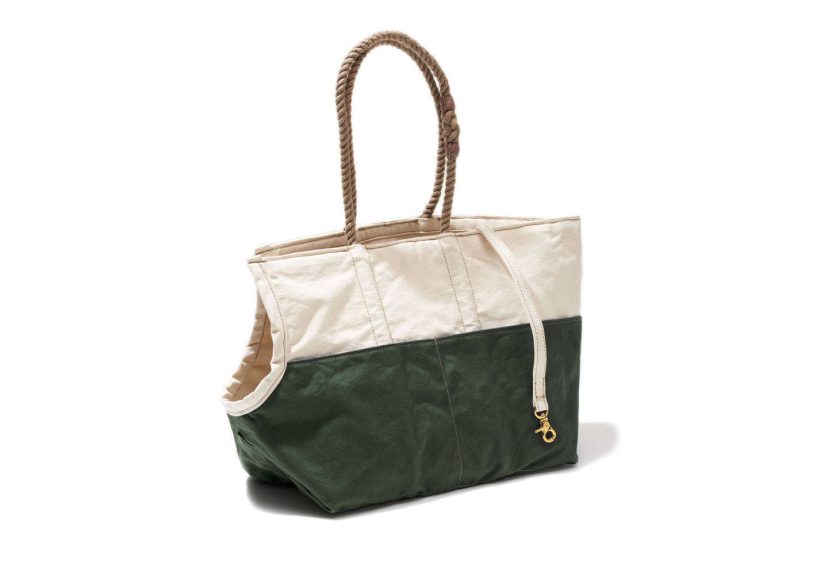
You can also repurpose textileslike old pillowcasesinto tote bags, stool covers, or even patchwork
curtains. It’s budget-friendly, creative, and keeps useful materials out of the trash.
12) Styling Like a Pro: The “Rule of Three” (and the Rule of Not Too Much)
Styling isn’t about buying more stuffit’s about arranging what you have so it looks deliberate.
Try:
- Group decor in threes: one tall, one medium, one small object.
- Vary texture: smooth + rough + soft (ceramic + wood + fabric).
- Add something living: even one plant makes a space feel fresher.
- Leave breathing room: empty space is part of the design.
Example: On a coffee table: a tray, a stack of two books, and a small plant. Done.
Put the rest of the tiny objects back in the drawer where they can’t unionize into clutter.
Safety + “Don’t Regret This Later” Tips
-
If your home was built before 1978, be cautious when sanding, scraping, or cutting painted surfaces
lead-based paint can create hazardous dust. Consider safer methods or professional help for high-risk work. - Prep saves projects: cleaning, patching, sanding, and priming often matter more than the fancy paint.
- Test first: paint a sample board, hang a wallpaper panel, or try a stain on the back of the piece.
- Measure twice: yes, it’s a cliché. It’s also cheaper than buying more lumber.
- Stop at “better,” not “perfect.” A home should feel lived-in, not like a museum where you whisper.
DIY Home Decor Experiences: What It’s Really Like (The Fun, the Fails, and the “Worth It”)
Let’s talk about the part of DIY home decor that no “after photo” can fully capture: the experience.
Not the cinematic version where your paint dries instantly and nobody drops a screw into another dimensionbut the real,
slightly chaotic version that still ends with you standing back like, “Wait… I made this.”
First, there’s the confidence curve. It starts high. You watch one video and suddenly believe you’re
fully qualified to install an accent wall, rewire a chandelier, and build floating shelves while making sourdough.
Then reality gently arrives with a level that proves your wall is not, in fact, straight. This is normal.
Most DIYers learn quickly that “simple project” usually means “simple after you do it once.”
Next comes the discovery of prep. You begin thinking paint is the main eventuntil you realize the
main event is cleaning, patching, sanding, wiping, taping, and priming. Prep is the vegetables of DIY: not glamorous,
but absolutely the reason the final result looks good. The funny part? Once you’ve suffered through prep and seen the
difference, you become that person who says, “Trust me, take five more minutes to sand.” You’re right. Everyone hates it.
Then there’s the “one more trip” phenomenon. You can plan perfectly and still end up back at the store
for: a different anchor size, more caulk, the roller you swear you already own, and a second sample pot because the first
“warm beige” turned into “sad oatmeal” on your wall. A useful mindset is to treat DIY like cooking: mise en place matters,
but you will still realize you’re missing salt halfway through.
The best experiences tend to come from projects with fast visual feedback. Hanging a gallery wall,
swapping hardware, styling shelves, adding curtainsthese give immediate payoff and momentum. Momentum matters because DIY
motivation is a real (and fragile) resource. When you finish something small, you’re more likely to tackle the next step
instead of letting supplies live on the floor for three weeks like an art installation called “I’ll Do It Later.”
Another real-life lesson: your first version doesn’t have to be your final version. Many DIYers find their
homes look best when they allow projects to evolvemoving frames, swapping pillows seasonally, repainting a piece after
living with it. That flexibility is part of the charm. Unlike buying a single expensive “statement piece,” DIY lets you
adjust your space as your taste changes (and as you learn what you actually use).
Finally, the most satisfying part of DIY home decor is that it builds story. A thrifted dresser you painted,
a shelf you installed, a wall you transformedthese aren’t just objects. They become proof that you can shape your space.
And even when the project isn’t perfect up close, the room feels more personal, more intentional, and more like home.
That’s the real “designer look”: not flawlessjust thoughtfully yours.
Conclusion: Your Next Best Step (Pick One and Finish It)
If you’re overwhelmed, pick one project with the biggest payoff for your space:
a gallery wall, a paint refresh, upgraded lighting, or a furniture flip. Finish it. Then do the next.
DIY isn’t about doing everythingit’s about doing the right thing first.
Your home doesn’t need to be perfect. It needs to feel good to live in. And honestly?
A slightly imperfect DIY project with personality beats a bland room that cost a fortune.