Table of Contents >> Show >> Hide
- Why Valentine String Art Is the Perfect DIY Project
- Supplies You’ll Need for DIY Valentines Day String Art
- Step-by-Step: How to Make a Valentine Heart String Art Board
- Creative Variations for Your Valentine String Art
- Tips for Success (and Fewer Oops Moments)
- Making It a Hometalk-Worthy Project
- 500-Word Experience: What You Learn from DIY Valentines Day String Art
If you’re looking for a Valentine’s Day craft that looks like it took hours but secretly comes together in an evening of Netflix and chocolate, DIY Valentine string art is your new best friend. It’s budget-friendly, addictive, and gives serious “I’m thoughtful and crafty” energyeven if your usual craft is ordering takeout.
This guide walks you through how to make a heart string art project inspired by popular tutorials and Hometalk-style DIYs. We’ll cover everything from choosing the right wood and nails to stringing techniques, color ideas, troubleshooting, and even how to get kids in on the fun. By the end, you’ll have a custom Valentine’s Day décor piece (or gift) that looks totally Pinterest-worthy without the stress.
Why Valentine String Art Is the Perfect DIY Project
String art has been trending for years because it hits the sweet spot between easy and impressive. You only need a few basic materialswood, small nails, and string or embroidery flossto create detailed shapes and patterns. For Valentine’s Day, hearts, “LOVE” letters, initials, and arrows are the most popular choices, and they work on everything from rustic pallet boards to sleek stained plaques.
Unlike many seasonal crafts that end up in a box after a week, a simple heart string art piece can stay up long after February. Change the colors and it works for anniversaries, weddings, or even everyday wall décor. Many crafters also love this project for kids and tweens because it teaches patience and fine motor skills while still feeling like a fun creative challenge.
Supplies You’ll Need for DIY Valentines Day String Art
Basic Materials
- Wood base: A scrap board, pallet wood, plaque, or pre-cut sign from the craft store. Aim for at least ¾ inch thick so nails hold securely without poking through.
- Sandpaper: Medium and fine grit for smoothing rough edges.
- Paint or stain (optional): Acrylic paint, chalk paint, or wood stain for finishing the background.
- Small nails: About 1-inch panel nails or wire nails work well. Look for ones with small heads so the string stays in place.
- Hammer: Lightweight is easier if kids are helping.
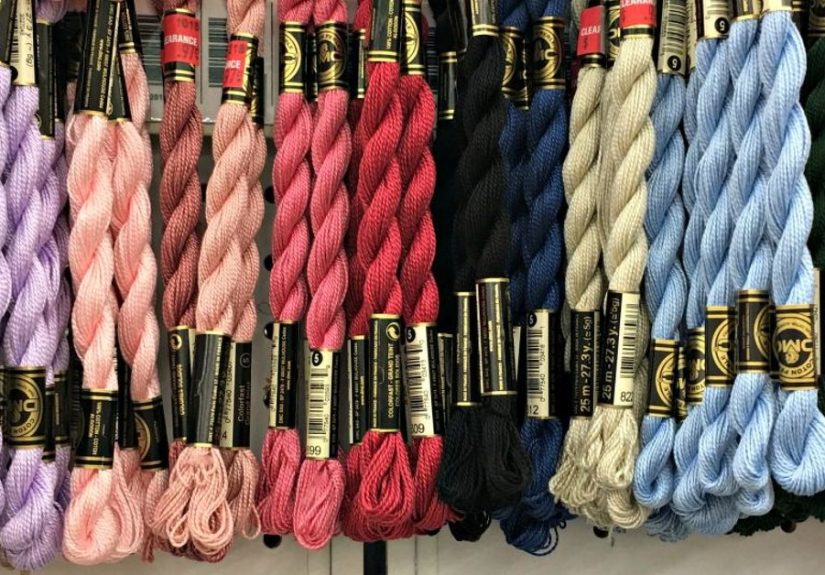
- String: Embroidery floss, crochet thread, thin yarn, or baker’s twine in Valentine colors like red, pink, white, or even metallic gold.
- Printed template: A heart outline or LOVE design sized to fit your board.
- Tape: To hold the template in place while you hammer.
- Scissors: For trimming string.
Optional Extras
- Command strips or picture hangers for wall mounting.
- Vinyl letters or a paint pen to add names, dates, or a short phrase.
- Glitter, tiny faux flowers, or ribbon bows for extra Valentine drama.
Step-by-Step: How to Make a Valentine Heart String Art Board
Step 1: Prep and Finish Your Wood Base
First, give your wood some love. Lightly sand the surface and edges so you don’t spend Valentine’s Day pulling splinters out of your hands. Wipe away dust and either leave the wood natural for a rustic farmhouse look or give it a coat of paint or stain. Gray stain with a bright red heart is a classic pairing seen in many popular tutorials.
Let the finish dry completely before you move on. If you’re impatient, remind yourself: wet paint and flying nails are not a power couple.
Step 2: Position and Secure Your Template
Print a heart outline or design that fits comfortably in the center of your board with at least an inch of margin on all sides. Tape the template to the wood so it’s secure. If you’re doing this with kids, you can lightly mark nail dots around the outline to show exactly where each nail goes. Many beginner-friendly guides suggest spacing nails about ½ inch apart for smooth curves without overcrowding.
Step 3: Hammer in the Nails
Now for the oddly satisfying part: hammering. Place a towel under your board to protect your table and soften the noiseespecially important if you’re crafting after bedtime.
- Hammer nails directly through the paper template following the outline.
- Keep them about the same height, leaving roughly half the nail exposed.
- Check occasionally from the side to make sure the nail “forest” looks even.
With younger kids, many parents pre-hammer the nails so little hands only handle the string. For older kids, supervision plus a small hammer is usually enoughthey love the “I get to use real tools!” moment.
Step 4: Remove the Paper Template
Once you’ve outlined the entire heart, gently tear away the paper. Tweezers are helpful if tiny bits get stuck around nail heads. You should now see a clean outline of nails in a heart shape just begging for string.
Step 5: Start Stringing the Heart
Tie your string to any nail on the outline with a tight double knot. Most tutorials suggest starting at the top center of the heart, but honestly, the string police will not show up if you start somewhere else.
From there, you have two main options:
- Random crisscross style: Loop the string from nail to nail across the heart in random directions until the shape is filled. This is fast, forgiving, and perfect for beginners or kids.
- Patterned style: Follow a more intentional patharound the outline, then through the center in a repeating sequencefor a tighter, more geometric look.
Either way, keep the string snug but not so tight that it bends the nails. If your string snaps, don’t panicjust tie it off, trim, and continue with a fresh piece.
Step 6: Outline for Extra Definition
To make the heart shape pop, many crafters go back around the outside once more, looping the string from nail to nail along the outline. This creates a bold border that frames the crisscrossed center. You can even switch to a contrasting colorwhite outline with red fill, for exampleto give your design graphic impact.
Step 7: Tie Off and Finish
When you’re happy with the coverage, loop your string around a nail a few times, tie a knot, and trim the excess. If you’re worried about things coming undone, add a tiny dot of clear-drying craft glue to secure the knot.
At this point, you can leave the board as-is or customize it with vinyl letters, hand-painted names, or a date to celebrate an anniversary or first Valentine’s together.
Creative Variations for Your Valentine String Art
1. “LOVE” Inside a Heart
One popular design uses nails to spell out the word “LOVE” inside a large heart. You outline both the heart and the letters with nails, then string the background while leaving the letters mostly empty. The negative space forms the wordsuper striking and perfect if you like bold typography-inspired décor.
2. Ombre or Multicolor Hearts
Instead of one color, try an ombre effect: start with deep red at the bottom, transition to hot pink, and finish with white near the top. You can tie off each color after a few passes and layer the next color right over it. Sets of small hearts in different shades also look great lined up on a mantel or entryway shelf.
3. Mini Hearts for Gifts
Use smaller boards to create mini heart string art pieces as gifts for teachers, grandparents, or coworkers. Tie on a tag or add a short phrase like “You’re loved” or “Be mine.” Many kid-friendly tutorials note that small pieces are quicker and less overwhelming for younger crafters.
4. Card-Size String Art
If wood and nails feel like a lot, scale the concept down to a card. Punch small holes in cardstock in the shape of a heart and use embroidery thread to “string” the heart through the holes. It’s a softer, quieter, apartment-friendly take on the classic nail-and-string art.
Tips for Success (and Fewer Oops Moments)
- Use the right nails: Aim for nails that go about one-third to one-half into the wood so they’re secure but not poking out the back. Test on scrap wood first.
- Protect your surface: Always place a towel or scrap board underneath when hammering, especially on kitchen tables.
- Plan your colors: Before you start, loosely wrap string around a few nails to preview how dense and bright it will look.
- Don’t overthink the pattern: Random crisscrossing usually looks better than you think. The magic is in the overall texture, not each individual line.
- Take breaks: Hammering lots of nails can be tiringdo it in short bursts if you feel your hand getting shaky.
Making It a Hometalk-Worthy Project
Part of the fun of a project like “DIY Valentines Day String Art | Hometalk” is sharing your results. Hometalk-style projects usually combine clear step-by-step photos, simple supply lists, and small tweaks that make the project feel personallike using pallet boards for a rustic farmhouse vibe, or adding a stenciled phrase at the bottom of the board.
If you’re planning to share your finished string art online:
- Take photos in natural light with the board propped near a window.
- Style it with a few propsrose petals, a mug of hot cocoa, or a stack of love notesto tell a story.
- Show the process, not just the finished piece: a shot of the template, one of the nails, one halfway through stringing, and the final reveal.
That’s exactly the kind of content that does well on DIY platforms and social media: practical, pretty, and easy to recreate.
500-Word Experience: What You Learn from DIY Valentines Day String Art
One of the best parts about making Valentine string art is that you get more than just a cute décor pieceyou get a whole experience along the way. If you’ve never done string art before, the first surprise is how mindful it feels. Hammering nails along a template forces you to slow down, focus, and fall into a rhythm. By the time you’re halfway around the heart, it starts feeling a little like crafting therapy with bonus heart-shaped results.
Many beginners say the “scary” part is starting the stringing. What if the pattern doesn’t look right? What if you cross the wrong nails? The funny thing is that this project gently trains you to let go of perfectionism. Once you begin looping string from nail to nail, lines build up, small wobbles disappear, and the heart shape becomes clearer with every pass. That moment when you step back and realize, “Oh wow, it actually looks like the Pinterest picture,” is incredibly satisfying.
If you’re making this project with kids, you’ll notice different “aha” moments. Younger kids are usually thrilled just to help choose colors and see the heart appear as the string fills in. Older kids tend to take ownership of the processplanning patterns, deciding how dense to make the design, or experimenting with color blocking or ombre. Parents often pre-hammer the nails and let kids handle the stringing, which keeps the project safer but still hands-on and creative. It’s a great way to sneak in some fine-motor skills and patience practice without turning it into a lecture.
Couples who craft together usually remember their first joint DIY Valentine’s project more than any store-bought gift. There’s something surprisingly sweet about one person holding the board steady while the other hammers, or figuring out together which shade of red looks best against the stained wood. Years later, that heart on the wall doesn’t just say “LOVE” in string; it quietly reminds you of the night you both sat on the floor, surrounded by nail clippings and yarn fuzz, laughing about crooked nails and tangled thread.
From a practical perspective, string art also boosts your DIY confidence. Once you finish one heart design, your brain immediately starts dreaming up more: initials for a wedding gift, a house silhouette for a new home, a paw print for a pet lover. Many crafters admit that string art becomes “a little addictive” in the best way. You learn how different strings behave, how dense you like the coverage, and how changing the background color completely transforms the look. Those skills carry over into other crafts tooyou become more comfortable with tools, more willing to experiment, and less afraid of messing up.
Finally, there’s the quiet pride that comes from gifting something handmade. A Valentine heart string art piece feels thoughtful because it clearly took time and carefar more personal than a last-minute box of chocolates. Whether you hang it on your own wall or wrap it up for someone special, you’ll always know the story behind it: a simple idea, a small pile of supplies, and a little bit of patience that turned into a heartfelt keepsake.