Table of Contents >> Show >> Hide
- So, What Does “Doorknobs by Way of Seattle” Actually Mean?
- Why Doorknobs Deserve More Respect
- Seattle Design Energy: Practical, Modern, and a Little Outdoorsy
- The Anatomy of a Doorknob Set (So You Don’t Buy the Wrong Thing)
- Pick the Right Function: Dummy, Passage, Privacy, or Keyed Entry
- Knob vs. Lever: The Comfort (and Accessibility) Question
- Security Reality Check: A Pretty Knob Isn’t a Fortress
- Materials and Finishes: Where Seattle Style Really Shows Up
- Installing or Upgrading: The DIY Path (and the “Call Someone” Path)
- How to Get the Seattle Look Without Turning Your Home Into a Theme Park
- Quick FAQ: Seattle-Inspired Doorknobs Edition
- Seattle Doorknob Experiences: of Field Notes (Without the Rain Jacket, Somehow)
- Conclusion: Bringing “Doorknobs by Way of Seattle” Home
Seattle has a reputation for sending the world a few iconic exports: coffee that talks back, music that changes your playlist forever, and rain that shows up like an uninvited houseguestpolitely, constantly, and with its own umbrella.
But here’s a quieter Seattle export that deserves a slow clap: doorknobs with a point of view.
“Doorknobs by way of Seattle” isn’t just a catchy phraseit’s a whole design attitude. It’s where function meets personality, where sustainable materials get promoted from “countertop” to “conversation piece,” and where a humble hockey puck can retire from the rink and start a second career opening your pantry door like it owns the place.
So, What Does “Doorknobs by Way of Seattle” Actually Mean?
In plain American English: it’s door hardware influenced by Seattle’s design DNApractical, modern, a little witty, and often rooted in local maker culture.
The poster child for this idea is ModKnobs, a Seattle-based company known for modern, colorful knobs that started with an unexpectedly Pacific Northwest muse: the hockey puck.
The origin story feels very Seattle. A renovation project. A desire to make small details count. And a realization that the “standard doorknob aisle” can feel like a beige convention.
ModKnobs helped popularize the idea that your door hardware doesn’t have to whisper “builder-grade”it can say, “Hi, welcome to my home, I have excellent taste and a suspicious number of houseplants.”
The Seattle-to-Your-Door Highlights
- Color-forward style: Doorknobs that don’t blend in, on purpose.
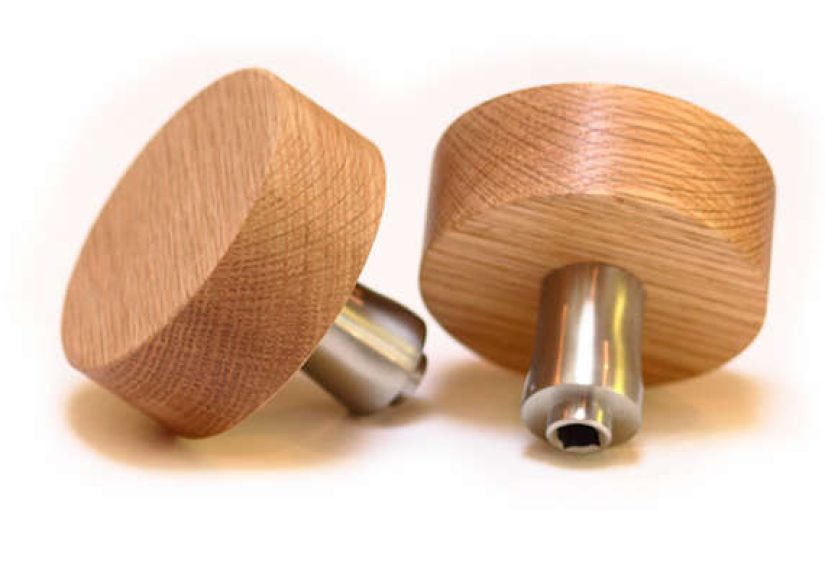
- Material creativity: Vulcanized rubber (yes, like a hockey puck), wood species like oak and walnut, and PaperStone-style paper composites.
- Real hardware underneath: Many design-forward knobs pair with premium locksets so they’re not “cute but flimsy.”
Why Doorknobs Deserve More Respect
A doorknob is the handshake of your house. It’s the first thing your guests touch, the last thing you touch before you dramatically exit a room (we’ve all done it),
and the object you curse when your hands are full of groceries and the keys are playing hide-and-seek in your pocket.
Door hardware also influences how a space feels. A sleek knob can make a 1990s hallway look instantly more intentional. A warm brass finish can make a plain door feel “historic-adjacent.”
And a bright, modern knob can turn a boring utility door into an accent momentlike jewelry for your home, but less likely to be eaten by a vacuum cleaner.
Seattle Design Energy: Practical, Modern, and a Little Outdoorsy
Seattle’s design culture often leans modern without feeling coldclean lines, honest materials, and a soft spot for things that age gracefully.
That shows up in “Seattle-style” doorknob choices:
- Natural materials: wood tones, matte finishes, and textures you actually want to touch.
- Sustainable thinking: reclaimed wood, recycled-content materials, and long-lasting hardware.
- Weather awareness: if you’re picking exterior hardware, corrosion resistance matters in damp climates.
In other words: Seattle hardware is rarely just decorative. It’s design that expects to be useddaily, by humans, sometimes by toddlers with sticky hands.
The Anatomy of a Doorknob Set (So You Don’t Buy the Wrong Thing)
Before you fall in love with a knob’s color, you need to know what you’re actually buying. Door hardware has a few “hidden” details that can make or break installation.
Key parts you should recognize
- Knob/lever: what you grab.
- Rose (rosette): the round (or square) plate that sits against the door.
- Spindle: connects both sides through the door.
- Latch: the springy piece that keeps the door closed.
- Strike plate: the metal plate on the door frame the latch clicks into.
Door prep basics: backset, bore, thickness
Most standard U.S. residential doors use familiar measurements, but you should still confirm what you have before ordering.
Typical specs include:
- Backset: commonly 2 3/8 inches or 2 3/4 inches.
- Main bore hole: typically 2 1/8 inches.
- Latch bore (door edge hole): typically 1 inch.
- Door thickness: commonly 1 3/8 inches for interior doors, and 1 3/4 inches is also common (especially for exterior).
Translation: if you buy a gorgeous “Seattle statement knob” and it doesn’t match your door’s prep, you’ll either be drilling new holes (DIY bravery level: medium)
or returning it with the sadness of someone who just realized the paint color looked different under store lighting.
Tubular vs. mortise: the two main lock styles
Most modern homes have tubular (cylindrical) locksetseasier to install, common at big-box stores, and generally friendly to DIY.
Mortise locks are more “old-school sturdy”: the mechanism sits in a rectangular pocket cut into the door edge and often combines latch and deadbolt in one case.
Mortise hardware tends to cost more and can require more specialized installation, but it’s widely considered a premium option for durability and security.
Pick the Right Function: Dummy, Passage, Privacy, or Keyed Entry
Here’s where people accidentally buy the wrong knob and then stare at their door like it betrayed them.
Doorknobs come in different “functions,” and the names are not always intuitiveso let’s make them human-readable.
Dummy (aka “looks-only”)
A dummy knob doesn’t turn and doesn’t latch. It’s basically door jewelryusually used on closets, pantry doors, or double doors where you need a pull but not a latch.
Passage (aka “no lock, but it opens”)
A passage knob turns and retracts the latch, but it doesn’t lock. Perfect for hallways, closets, laundry roomsanywhere you don’t need privacy.
Privacy (aka “bathroom diplomacy”)
A privacy knob locks from the inside (usually a push button or turn piece) and typically has an emergency release on the outside.
It’s ideal for bathrooms and bedrooms, where you want privacy but not a keyed lock.
Keyed entry (aka “front door energy”)
A keyed entry knob locks and unlocks with a key. It’s used on exterior doors and any door where you need actual security.
Many homeowners pair a keyed knob/handle with a deadbolt for better protection.
Smart locks and keypad options
Smart locks (keypad, app-controlled, fingerprint-enabled) can be convenientespecially for rentals, guests, or families who treat keys like optional accessories.
Just make sure the smart option you choose matches your door prep and your comfort level with batteries and firmware updates.
Knob vs. Lever: The Comfort (and Accessibility) Question
If you want your home to be friendlier to everyonekids, older adults, people with arthritis, anyone carrying a sleeping babylevers tend to win.
You can operate them with an elbow, a closed fist, or minimal grip strength.
Accessibility guidelines for door hardware commonly emphasize one-hand operation and avoiding tight grasping, pinching, or twisting.
In many accessibility contexts, round knobs can be a poor choice because they require wrist twisting.
Seattle’s design sensibility often matches this practical approach: sleek levers, comfortable pulls, and hardware that feels good in real lifenot just in a staged listing photo.
Security Reality Check: A Pretty Knob Isn’t a Fortress
Let’s say this kindly: most doorknobs are not where your home’s best security lives. They’re part of the system, but not the whole system.
If you’re focused on security for an exterior door, you’ll want to think in layers:
- Use a deadbolt (and consider a reinforced strike plate and longer screws into the framing).
- Look for graded hardware that’s been tested for durability and strength.
- Match the hardware to the door (a solid lock on a flimsy door is like putting racing tires on a shopping cart).
What “Grade 1 / Grade 2 / Grade 3” means
In U.S. hardware standards, the common grading system places Grade 1 as the highest performance level, followed by Grades 2 and 3.
Grade 1 is typically used where durability and performance demands are highest.
If your “Seattle-inspired” knob is going on a front door, this is where you want your inner realist to gently tap your inner design-lover on the shoulder and say,
“Yes, the matte black is gorgeous. Also, please buy the lock that survives real life.”
Materials and Finishes: Where Seattle Style Really Shows Up
The fun part. The part where you can absolutely justify spending too long thinking about “warm brass vs. satin nickel” because it’s not procrastinationit’s design strategy.
Classic metals
- Brass: warm, timeless, can develop patina (which some people love and some people… polish aggressively).
- Stainless steel: clean, modern, practicalgreat for high-touch areas.
- Bronze: richer, moodier, often used for traditional or rustic looks.
- Matte black: modern, graphic, and surprisingly versatile.
Glass, porcelain, and the “old house glow-up”
Glass or porcelain knobs can be a gorgeous nod to vintage style. They work especially well in older homes where you want the hardware to feel period-aware,
even if everything behind the walls has been upgraded to modern standards.
Wood and paper composites: the “PNW handshake”
Wood knobs bring warmth and a tactile friendliness that metal can’t always match. They also age in a way that can feel more “lived in” than “worn out.”
Paper composite materials (like PaperStone-style surfaces) take the sustainability idea further. These materials are commonly described as being made from recycled paper and resin,
formed into dense panels used for architectural surfaces. Translated into knob form: you get a warm, solid feelplus a great story when someone says,
“Wait, is that made from paper?” and you get to say, “Yes, but in a very ‘don’t test it with a flamethrower’ way.”
Installing or Upgrading: The DIY Path (and the “Call Someone” Path)
Replacing interior knobs is one of the more satisfying home upgrades: low mess, fast payoff, and you get to dramatically open doors afterward like you’re in a home improvement montage.
DIY-friendly checklist
- Confirm your backset and door thickness.
- Check the bore hole sizes (especially if you’re swapping old hardware on an older door).
- Decide if you’re replacing just the knob or upgrading the whole lockset (latch + strike plate included).
- Have a screwdriver, tape measure, and patience ready.
When to call a pro
- You’re converting to a mortise lock (or repairing one).
- Your door is misaligned, sagging, or the latch doesn’t meet the strike plate cleanly.
- You want a security upgrade that includes door reinforcement and proper fit.
How to Get the Seattle Look Without Turning Your Home Into a Theme Park
Seattle-inspired doorknobs work best when they feel intentional, not random. A few strategies:
1) Choose one “statement” zone
Try the laundry room, pantry, mudroom, or a kid’s bedroom doorsomewhere you’ll smile every day without needing every knob in the house to shout “I’m turquoise!”
2) Keep shapes consistent, play with finish or color
If your home leans modern, keep knob shapes simple and let color do the talking. If your home is traditional, try classic silhouettes in an updated finish.
3) Match the vibe of the neighborhoodinside your house
A Craftsman-inspired home might love warm metals and wood. A mid-century space might want bold colors and clean geometry.
A modern townhouse might lean into matte black with one playful accent knob that says, “Yes, I am fun, I just have straight lines.”
Quick FAQ: Seattle-Inspired Doorknobs Edition
Are designer doorknobs actually worth it?
If the hardware is well-built, yesbecause you touch it constantly. Upgrading knobs can make doors feel smoother, sturdier, and more “finished.”
If it’s purely decorative but flimsy, it’s worth reconsidering.
Should I use the same knobs throughout my house?
You don’t have to. Consistency is calming, but strategic variety can be charming. The key is to keep a thread: matching finish, matching shape, or matching design era.
Can I put a bold knob on an exterior door?
You can, but prioritize security and weather resistance. Exterior hardware works hardertemperature swings, moisture, UV exposure, and frequent use.
Consider pairing design-forward handles with a strong deadbolt and reinforced hardware.
Seattle Doorknob Experiences: of Field Notes (Without the Rain Jacket, Somehow)
Imagine a very Seattle Saturday: the sky is doing that signature “bright gray” thing, your coffee is ethically sourced, and you’ve decided today is the day your home stops wearing boring doorknobs.
Not because you’re dramatic (okay, maybe a little), but because tiny upgrades are the Pacific Northwest love language. Big remodels are exhausting; a doorknob swap is the home-improvement equivalent of a haircut.
The “experience” starts the moment you actually pay attention to doors. You notice the weight of a knob, the way a latch clicks, the tiny wobble that has been there for years.
You realize some doors feel confident and others feel like they apologize every time they open. That’s hardware.
And once you notice it, you can’t un-notice itlike hearing your fridge hum or realizing your hallway paint is secretly green.
Now picture yourself walking through Seattle neighborhoodsBallard’s cozy mix of old homes and new builds, Capitol Hill’s vintage details, the Craftsman charm you spot in pockets all over the city.
A front door in warm wood. A black lever that looks clean and modern. A bright little pop of color on a side door that feels like a wink.
Seattle design rarely screams; it’s more like it smirks. The best details feel personal, slightly unexpected, and practical enough to survive real life.
Then comes the tactile moment: holding sample knobs in your hand. This is where online shopping can’t fully compete.
A knob can look perfect in a photo and feel weird in your griptoo sharp, too slippery, too “I was designed by someone who has never carried groceries.”
Seattle-inspired hardware tends to do better here because the maker mindset is often “use it first, admire it second.”
Texture matters. Weight matters. That small bit of resistance when you turn it matters.
The most satisfying part is installation day. You line up the new knob, tighten the screws, and test the turn.
The door suddenly feels smootherlike it got its act together.
You open and close it a few extra times, not because you need to, but because it feels good.
A good doorknob is weirdly confidence-boosting. Your house feels more intentional, even if the laundry still isn’t folded and the mail pile is doing its own renovation project on the counter.
And the best Seattle moment of all? When someone notices. Not in a “wow, you renovated!” waymore like, “Wait… your pantry knob is awesome.”
That’s the whole point of doorknobs by way of Seattle: small design choices that make daily life nicer, a little more human, and just playful enough to make you smile every time you walk through a door.
Conclusion: Bringing “Doorknobs by Way of Seattle” Home
Seattle-style doorknobs aren’t about being trendythey’re about making everyday touchpoints feel better: more comfortable, more durable, more personal, and often more sustainable.
Whether you go bold with color, warm with wood, modern with matte black, or classic with glass and brass, the best doorknob choice is the one that fits your door,
fits your life, and makes you quietly happy every time you turn it.