Table of Contents >> Show >> Hide
- Why This Easy Blue Cheese Sauce Pasta Recipe Works
- Recipe Card
- Ingredients
- How to Make Easy Blue Cheese Sauce Pasta
- Flavor Variations You’ll Actually Want to Make
- Common Mistakes and How to Fix Them
- What to Serve with Blue Cheese Pasta
- Storage, Reheating, and Food Safety
- Easy Blue Cheese Sauce Pasta Recipe FAQs
- Conclusion
- Kitchen Experiences Related to This Recipe (Extended 500-Word Section)
If your dinner routine has become a loop of “tomato sauce, repeat,” this easy blue cheese sauce pasta recipe is your delicious plot twist. It’s creamy, savory, a little bold, and surprisingly quickexactly what weeknight pasta should be. The best part? You don’t need restaurant-level skills, a culinary degree, or a dramatic Italian grandmother yelling “Mantecare!” from across the kitchen (though that would be iconic).
This dish is all about balance: rich but not heavy, punchy but not overpowering, and fancy enough to impress while still being practical enough for a Tuesday night. With the right pasta shape, the right blue cheese, and one very important ladle of starchy pasta water, you can build a silky sauce that clings to every bite.
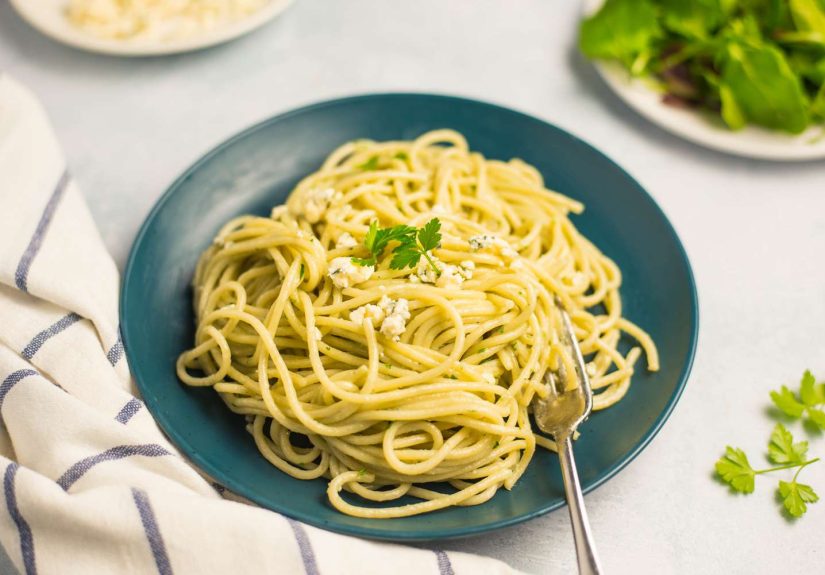
In this in-depth guide, you’ll learn exactly how to make blue cheese pasta sauce without clumps, how to adjust intensity for blue-cheese skeptics, which add-ins actually work, and how to store and reheat leftovers safely. If your goal is comfort food with personality, welcome to your new favorite bowl.
Why This Easy Blue Cheese Sauce Pasta Recipe Works
1) It uses a high-impact ingredient that melts quickly
Blue cheese has concentrated flavor, so a little goes a long way. You get deep umami, salt, tang, and creaminess from one ingredient instead of needing ten. Gorgonzola dolce is especially useful for beginners because it melts more easily and tastes milder than sharper, crumbly blues.
2) It relies on emulsion, not just cream
The secret to restaurant-style texture is not dumping in more dairy. It’s creating an emulsion: fat from cheese and butter + starchy pasta water + controlled heat. When these elements combine correctly, the sauce turns glossy and coats the pasta instead of pooling at the bottom like a sad dairy puddle.
3) It’s fast enough for real life
You can make this in about 20–25 minutes. The sauce cooks while the pasta boils, and the final toss happens in one pan. Fewer dishes, fewer regrets, more pasta.
4) It is easy to customize
Want it milder? Use less blue cheese and more Parmesan. Need crunch? Add toasted walnuts. Want freshness? Fold in spinach or arugula. You can keep the same method and change the personality of the dish every time.
Recipe Card
- Recipe: Easy Blue Cheese Sauce Pasta
- Prep time: 10 minutes
- Cook time: 15 minutes
- Total time: 25 minutes
- Servings: 4
- Difficulty: Easy
Ingredients
For the pasta
- 12 ounces (340 g) pasta (rigatoni, penne, fettuccine, or shells)
- Water for boiling
- Salt for pasta water (see note below)
For the blue cheese sauce
- 1 tablespoon unsalted butter (or olive oil)
- 2 small garlic cloves, minced (optional but recommended)
- 3/4 cup heavy cream
- 4 ounces (115 g) blue cheese or Gorgonzola, crumbled
- 1/4 cup finely grated Parmesan
- 1/4 teaspoon black pepper, plus more to taste
- Pinch of nutmeg (optional)
- 1/2 to 1 cup reserved hot pasta water
- 1 teaspoon lemon juice (optional, for balance)
Optional add-ins
- 2 cups baby spinach or arugula
- 1/2 cup toasted walnuts
- 8 ounces sautéed mushrooms
- Cooked chicken, shrimp, or crispy bacon
- Chopped parsley or chives for finishing
Ingredient notes for best results
Choose your cheese strategically: For a gentle, creamy profile, use Gorgonzola dolce. For stronger flavor, use a classic blue (like Stilton-style or domestic blue) and reduce the amount slightly.
Avoid pre-shredded hard cheese: Pre-shredded Parmesan often has anti-caking ingredients that can affect melt and texture.
Use short pasta for maximum cling: Ridges and curves trap sauce better than very smooth noodles.
How to Make Easy Blue Cheese Sauce Pasta
Step 1: Boil pasta in properly salted water
Bring a large pot of water to a boil and salt it generously. Add pasta and cook until just al dente according to package directions. Before draining, reserve at least 1 cup of pasta water. This is your texture insurance policy.
Step 2: Build the flavor base
While pasta cooks, melt butter in a large skillet over medium heat. Add minced garlic and cook 30–45 seconds until fragrant, not browned. Garlic should smell great, not like burnt toast.
Step 3: Add cream and season lightly
Pour in the heavy cream and bring to a gentle simmer for 2–3 minutes. Stir in pepper and optional nutmeg. Keep the heat moderateaggressive boiling can destabilize dairy sauces.
Step 4: Melt in the blue cheese off or on very low heat
Reduce heat to low (or briefly turn off heat), then add blue cheese a handful at a time, whisking until smooth between additions. This helps prevent clumps and gives you better control over sauce texture.
Step 5: Add Parmesan and adjust consistency
Whisk in Parmesan. If sauce gets too thick, add reserved pasta water a splash at a time. You’re looking for glossy and pourable, not stiff. If the sauce seems thin, let it simmer gently for 30–60 seconds, stirring.
Step 6: Toss pasta directly in the sauce
Add drained pasta to the skillet and toss vigorously for 1–2 minutes so starch, fat, and cheese fully emulsify. If needed, add another splash of pasta water. Optional add-ins (spinach, walnuts, mushrooms, protein) go in now.
Step 7: Finish and serve immediately
Taste before adding extra saltblue cheese is naturally salty. Finish with lemon juice if you want a brighter edge, plus extra black pepper and herbs. Serve hot.
Flavor Variations You’ll Actually Want to Make
Blue Cheese + Walnut + Arugula
A classic flavor trio: creamy, nutty, peppery. Add toasted walnuts and fold in arugula at the end so it gently wilts.
Blue Cheese Mushroom Pasta
Sauté mushrooms until browned and slightly caramelized, then add them with the pasta. Earthy mushrooms tame blue cheese intensity beautifully.
Buffalo-Style Blue Cheese Pasta
Whisk in a little hot sauce and add shredded chicken. Top with celery leaves or chopped scallions. It’s pasta night and game day at the same time.
Lighter Weeknight Version
Use half-and-half instead of heavy cream and reduce butter to 1 teaspoon. Keep texture silky with extra pasta water and a bit more Parmesan.
Common Mistakes and How to Fix Them
Mistake: Sauce is grainy or separated
Cause: Heat was too high or cheese added too quickly.
Fix: Lower heat, whisk in warm pasta water gradually, and keep moving the sauce.
Mistake: Sauce tastes too salty
Cause: Blue cheese + salty pasta water + extra salt = over-seasoned.
Fix: Add unsalted cream, more pasta, or a small squeeze of lemon juice to rebalance.
Mistake: Sauce is too strong and funky
Cause: Very sharp blue cheese used at full quantity.
Fix: Blend with mascarpone, cream cheese, or extra Parmesan; add sweet contrast like caramelized onions or peas.
Mistake: Sauce won’t cling to pasta
Cause: Pasta was sauced after cooling, or not enough starch was available.
Fix: Toss pasta directly in skillet while hot; use reserved pasta water and finish for 1–2 minutes over low heat.
What to Serve with Blue Cheese Pasta
- Crisp salad: lemon vinaigrette cuts richness
- Roasted vegetables: asparagus, broccoli, or Brussels sprouts
- Protein options: grilled chicken, steak strips, shrimp
- Bread: crusty sourdough for sauce cleanup duty
- Fruit on the side: sliced pear or apple balances sharp cheese notes
Storage, Reheating, and Food Safety
Store leftovers in an airtight container in the refrigerator and eat within 3–4 days for best quality and safety. Reheat gently on the stovetop or in short microwave bursts, stirring often. Add a splash of milk or water to loosen the sauce as it warms.
For food safety, hot leftovers should reach 165°F (74°C) when reheated. If cooking for pregnant guests or immunocompromised diners, use blue cheese clearly labeled as made with pasteurized milk.
Easy Blue Cheese Sauce Pasta Recipe FAQs
Can I make this without heavy cream?
Yes. Use half-and-half for a lighter result, or evaporated milk for a pantry-friendly option. You may need a touch more cheese and pasta water for body.
Can I use any blue cheese?
Yes, but intensity varies a lot. Start with milder Gorgonzola dolce if you’re new to blue cheese. For stronger cheeses, reduce quantity by 15–25% and taste as you go.
Which pasta shape is best?
Short shapes with ridges (rigatoni, penne) are great for creamy blue cheese sauce. Long shapes like fettuccine also work if you like silky, ribbon-style pasta.
Can I freeze blue cheese pasta sauce?
You can, but texture may split when thawed because dairy emulsions are delicate. This recipe is quick enough that fresh is usually better.
How can I make it vegetarian and still flavorful?
Use mushrooms, toasted walnuts, black pepper, and a little lemon zest. These create depth and contrast without meat.
Conclusion
This easy blue cheese sauce pasta recipe proves that bold flavor doesn’t require complicated cooking. With a short ingredient list, one pan, and a few smart techniques, you can turn a regular pasta night into something rich, balanced, and memorable. Keep your heat gentle, reserve that pasta water like treasure, and trust your taste buds. Once you find your ideal cheese intensity, this dish becomes infinitely repeatableand never boring.
Kitchen Experiences Related to This Recipe (Extended 500-Word Section)
Across home kitchens, one pattern appears again and again: people expect blue cheese pasta to be “too much,” then get surprised by how balanced it becomes with the right method. A common first experience starts with skepticism at the tablesomeone says they “don’t do blue cheese”yet still goes back for seconds because the sauce is creamy rather than aggressive. That usually happens when the cook uses Gorgonzola dolce, keeps the garlic gentle, and adds a little lemon at the end. The flavor lands as savory and cozy, not overpowering.
Another frequently shared experience is the “first batch panic,” when the sauce looks too thick and the cook assumes it failed. In reality, this is often the easiest fix: one or two splashes of hot pasta water, vigorous tossing, and the sauce transforms from gluey to glossy. That moment teaches the most valuable pasta lessontexture is adjustable in real time. People who learn this once become dramatically more confident with all cream and cheese sauces, not just blue cheese pasta.
Weeknight cooks also describe this recipe as a “fridge-rescue champion.” A partial wedge of blue cheese, leftover spinach, and half a box of pasta can become a dinner that feels intentional instead of improvised. One realistic scenario: dinner starts at 7:10 p.m. with no plan, pasta water boils by 7:14, sauce is done by 7:22, and everyone is eating by 7:30. That speed matters for households balancing work, school, or late practices, and it’s one reason this dish sticks in rotation.
There’s also a repeat experience around customization. The first time, many cooks follow the base recipe exactly. The second time, they add mushrooms. The third time, toasted walnuts and arugula. Soon, the dish becomes a personal template rather than a fixed formula. Some versions lean steakhouse with black pepper and crispy shallots; others lean spring-like with asparagus and herbs. This flexibility keeps the recipe interesting while preserving its core identity: creamy pasta with bold cheese character.
Entertaining stories are especially telling. Hosts often pick this dish for small dinners because it tastes elevated but doesn’t chain them to the stove all night. Pasta can be boiled ahead by a few minutes, sauce assembled quickly, and everything finished right before serving. Guests usually remember two things: the aroma when cheese meets warm cream, and the unexpectedly silky texture from pasta water. In other words, techniquenot complexitycreates the “wow.”
There are a few cautionary experiences too. Oversalting is the most common mistake, especially when both pasta water and blue cheese are assertive. Cooks who solve this quickly learn to season in layers and taste at every stage. The second caution is reheating: this sauce is best fresh, but leftovers can still be excellent if rewarmed gently with liquid and frequent stirring. People who blast it on high heat often report separation; people who reheat slowly usually get a smooth second-day bowl.
In the end, the lived experience around this recipe is consistent: it builds confidence. It teaches heat control, emulsification, and flavor balancing in one approachable dish. After making it a few times, most cooks don’t just “have a pasta recipe”they gain a transferable pasta skill set they can use for countless dinners.