Table of Contents >> Show >> Hide
- So… is Eversense discontinued?
- Why people keep saying “Eversense isn’t being sold anymore”
- What Eversense is (and why it’s not your typical CGM)
- Eversense E3 vs. Eversense 365
- If it’s “not being sold,” what might actually be happening?
- How to check availability (without losing your mind)
- Alternatives if Eversense truly isn’t an option for you
- FAQs about “Eversense not being sold”
- Community experiences: what it’s like when Eversense is “available… but not easy” (500-word add-on)
- Conclusion
If you’ve heard that the Eversense implantable CGM is “no longer being sold,” you’re not alone. That phrase has been bouncing around the diabetes internet like a low-battery alert you swear you charged… yesterday.
The truth is more complicated (and way less dramatic) than a full-on disappearance. Eversense has had pauses, version changes, and business handoffs that can make it feel unavailableespecially if your clinic doesn’t offer insertions or your insurance is being extra spicy.
This article breaks down what’s actually going on, why the rumor keeps resurfacing, and what to do if you want Eversense but keep getting told “we don’t carry that.”
(Spoiler: sometimes it’s not “not sold,” it’s “not sold here.”)
So… is Eversense discontinued?
In the United States, the most accurate way to say it is this: Eversense has not simply “vanished,” but access can look inconsistent depending on where you live, who your provider is, and which version you’re asking about.
A big reason people think it’s gone is that in March 2020, the company publicly paused sales to new customers during the COVID-19 disruption. That headline aged like milk in a hot carbecause later on, commercialization resumed and new versions entered the market.
Still, old articles, old screenshots, and old “my doctor said…” posts live forever.
Why people keep saying “Eversense isn’t being sold anymore”
1) The 2020 new-customer sales pause created a lasting rumor
The 2020 pause was real, newsworthy, and easy to summarize in one scary sentence. But many people never saw the follow-up chaptersso the story froze at “stopped selling,” even as the situation evolved.
2) Older versions get phased out, and the internet doesn’t label the difference
Eversense has had multiple generations (including earlier, shorter-wear models). When a newer sensor becomes the focus, the older one may be less available or not promoted.
Online, that can get translated into: “They stopped selling Eversense,” when the reality is “they stopped selling that Eversense.”
3) Eversense is different: it requires a trained inserter
Most CGMs are “open the box, peel the backing, and hope your arm hair forgives you.” Eversense isn’t like that.
Because the sensor is implanted under the skin, you need a qualified healthcare professional to insert and remove it. If your local endocrinology office doesn’t do the procedureor stopped doing itEversense can feel “not sold,” even if the product exists.
4) Business transitions can look like a product exit
Distribution and commercialization responsibilities have shifted over time, including a widely discussed transfer of commercialization from Ascensia back to Senseonics beginning January 1, 2026.
For patients, transitions like that are usually designed to minimize disruption, but the chatter can create confusion: “Are they pulling out of the market?” versus “They’re reorganizing who sells it.”
What Eversense is (and why it’s not your typical CGM)
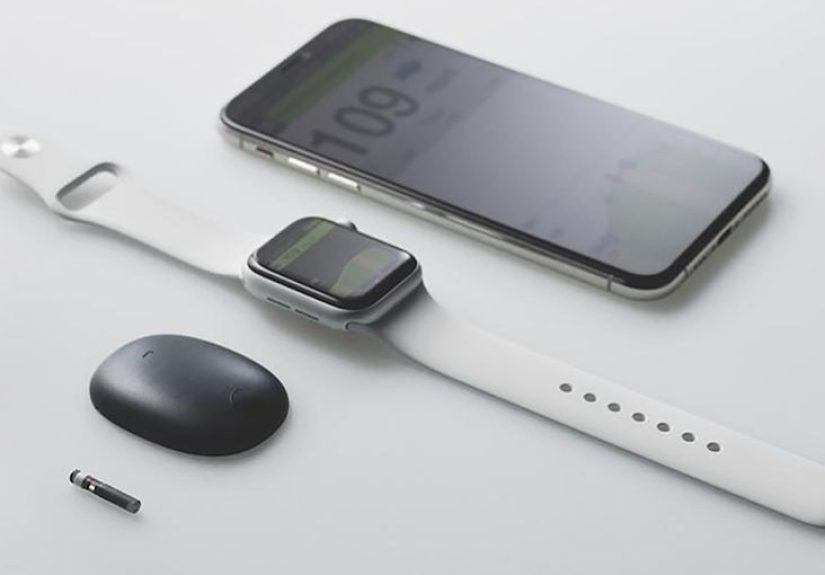
Eversense is a long-term, implantable continuous glucose monitoring (CGM) system. The sensor sits under the skin in the upper arm. A wearable smart transmitter sits over the sensor and sends readings to a phone app.
The vibe is basically: fewer sensor changes and more long-haul consistency, in exchange for a short in-office procedure and periodic calibrations.
It’s a very “I’d rather deal with this twice a year (or once a year) than every 10–14 days” kind of technology.
People who often look into Eversense include:
- Folks who struggle with adhesive irritation from traditional CGM patches
- Active people who are tired of sensors getting knocked off mid-life
- People who prefer fewer insertions and less frequent hardware swaps
- Data nerds who want reliable trend info without weekly sensor roulette
Eversense E3 vs. Eversense 365
When people say “Eversense,” they might mean different things. Here’s a practical, human-friendly comparison of the two long-term options commonly discussed in the U.S.
(Your provider will guide the final choice based on eligibility, availability, and coverage.)
| Feature | Eversense E3 | Eversense 365 |
|---|---|---|
| Sensor wear time | Up to ~6 months | Up to ~1 year |
| Insertion/removal | In-office procedure by a trained clinician | In-office procedure by a trained clinician |
| Calibrations | More frequent early on; then typically daily | After an initial period, typically weekly |
| Transmitter | Worn over the implanted sensor; removable | Worn over the implanted sensor; removable |
| Best fit for | People who want long-term CGM but aren’t ready for a full-year cycle | People who want the lowest “sensor-change frequency” possible |
One important nuance: Eversense 365 has been cleared as an “integrated CGM” category for compatibility with certain medical devices, but real-world pump integration depends on specific partnerships and rollout timing. If automation (AID systems) is your top priority, ask your clinician what’s available right now in your region.
If it’s “not being sold,” what might actually be happening?
When someone tells you Eversense isn’t being sold anymore, try translating that statement into one of these more specific (and fixable) possibilities:
They mean “we don’t have a trained inserter here.”
This is common. Not every clinic offers the insertion/removal service. Sometimes it’s a training issue; sometimes it’s a reimbursement workflow issue; sometimes it’s simply “we’re busy and this is not our favorite appointment type.”
They mean “your plan coverage doesn’t match your situation.”
Coverage often depends on factors like insulin use, medical necessity documentation, and payer policies. Two people with the same device preference can have completely different outcomes based on the insurance alphabet soup.
They mean “we used to handle it, but we stopped.”
Clinics change vendors, staffing, and priorities. If your office used to do Eversense and doesn’t now, ask if they can refer you to a local practice that still performs implant CGM insertions.
They’re mixing up the brand with a specific version.
If someone says, “Eversense is no longer sold,” ask a follow-up: “Which versionE3 or 365?” That one question can instantly separate rumor from reality.
How to check availability (without losing your mind)
-
Confirm which system you’re asking about.
Say “Eversense 365” or “Eversense E3,” not just “Eversense.” -
Locate a trained inserter in your area.
Availability is tightly connected to clinician participation. If your endocrinologist’s office doesn’t do insertions, you may need a referral. -
Ask for a benefits investigation or coverage check.
Don’t rely on vibes. Coverage is often a paperwork process, not a simple yes/no. -
Plan the timing.
Because Eversense is implanted, scheduling matters. If you’re switching from another CGM, coordinate your “no gaps” plan with your clinician. -
Be ready for prior authorization.
If your plan requires it, make sure your clinician’s office knows exactly what documentation is needed so it doesn’t become a month-long email chain called “Re: Re: Re: Request.”
Alternatives if Eversense truly isn’t an option for you
If you can’t access Eversense (for now), you still have strong CGM choices. The right alternative depends on what you value most:
- Lowest friction: factory-calibrated sensors that you apply yourself
- Strong ecosystem: CGMs with broad compatibility for sharing data and using apps/tools
- Automation priority: CGMs commonly used with insulin pumps and AID systems
- Skin sensitivity: options with different adhesives, placement sites, and patch strategies
A clinician can help you match device features to your health goals, lifestyle, and insurance reality. (Yes, “insurance reality” is its own category now.)
FAQs about “Eversense not being sold”
Was Eversense ever actually stopped?
Yesthere was a well-publicized pause in sales to new customers in 2020, which is one reason the rumor keeps resurfacing. But product availability has evolved since then, including new models and commercialization changes.
If Eversense 365 exists, why can’t I get it locally?
Because the device isn’t just “a box on a shelf.” You need a clinician who performs insertions/removals, plus a coverage pathway that works with your plan. Either of those can be a bottleneck.
Is the insertion procedure a big deal?
It’s typically described as a short in-office procedure using local numbing medication. Still, “small procedure” is not the same as “zero commitment.” If you hate medical procedures, talk it through with your provider and ask what to expect afterward.
Do I still need fingersticks?
Eversense systems can require calibrations, and you should always keep a backup glucose-check method for situations where CGM readings don’t match symptoms or when your clinician recommends confirmation.
Can I take the transmitter off?
Yesone of the standout lifestyle perks is that the wearable transmitter can be removed when you don’t need glucose data for a period of time. Just remember: no transmitter means no readings or alerts during that time.
Is it good for people with adhesive allergies?
Many people explore Eversense specifically because they’ve struggled with traditional CGM adhesives. Eversense uses a different approach (a removable transmitter with daily adhesive), which can be a game-changer for some and merely “different” for others. Skin is personal; there’s no one-size-fits-all.
Community experiences: what it’s like when Eversense is “available… but not easy” (500-word add-on)
The most common real-world experience with Eversense isn’t “I couldn’t buy it.” It’s “I could buy it… after a small quest.”
People often describe the first hurdle as finding the right clinician. With a traditional CGM, you might leave an appointment with a prescription and a sense of victory. With an implantable CGM, the conversation can turn into: “Great choice. Now let’s find someone who actually implants it.”
That can mean calling endocrinology offices, asking whether they do insertions, and learning that the answer depends on the day, the staff, and whether the one person trained for it is currently on vacation.
Once someone finds an inserter, the procedure itself is frequently described as fast and manageablemore “quick office visit” than “medical saga.” Many people like that the sensor is tucked away under the skin and can’t be peeled off by sweat, doorframes, or an aggressive hoodie sleeve.
There’s also a lifestyle bonus people mention a lot: the transmitter is removable. Some users appreciate being able to take it off to shower, to give their skin a break, or during moments when they don’t want to wear anything on the body.
And the on-body alerts? Those have fans tooespecially among people who don’t always keep their phone nearby, sleep through loud alarms, or prefer a more discreet nudge than a full-volume ringtone at a meeting.
On the flip side, people who switch from factory-calibrated sensors sometimes need an adjustment period. The word “calibration” can trigger an emotional flashback for anyone who has ever tried to do a fingerstick in bad lighting at 2 a.m.
Even when calibrations are less frequent than older models, the idea of having to do them at all can feel like a step backwarduntil someone decides the trade-off is worth it for fewer sensor changes and fewer adhesive marathons.
Insurance is where experiences become wildly different. Some people report a smooth benefits check and predictable out-of-pocket cost. Others describe a longer journey involving prior authorization, clinical notes, and multiple rounds of “We just need one more form.”
The most practical tip people share is to keep the process organized: write down names, dates, and what each person said. It’s not being dramaticit’s being efficient.
Finally, there’s a “fit” factor. People who love Eversense often emphasize freedom from frequent sensor swaps and fewer “sensor-change days.” People who don’t love it typically mention not wanting any procedure, not wanting calibrations, or not wanting another appointment on their calendar.
In other words: the experience tends to be excellent when your priorities match the design philosophylong-term convenience in exchange for a little upfront logistics.
Conclusion
“Eversense implantable CGM no longer being sold” is usually a misunderstanding caused by old headlines, version changes, local provider limitations, and the fact that implantable CGM access depends on more than a pharmacy shelf.
If you’re interested in Eversense, focus on two practical questions: (1) Which version are you seeking? and (2) Where is the nearest trained inserter?
From there, it becomes a solvable problemoften with a few phone calls and a little patience (the most underrated diabetes technology of all).