Table of Contents >> Show >> Hide
- What Is a Twilight Crape Myrtle?
- Twilight Crape Myrtle at a Glance
- Where Twilight Crape Myrtles Grow Best
- How to Plant a Twilight Crape Myrtle the Right Way
- Care and Maintenance
- Pruning Twilight Crape Myrtles Without “Crape Murder”
- Blooming, Reblooming, and Seasonal Interest
- Common Problems: Pests and Diseases (And What They Look Like)
- Landscape Design Ideas for Twilight Crape Myrtle Trees
- Buying Tips: How to Pick a Great Twilight Crape Myrtle
- FAQ: Quick Answers to Common Twilight Crape Myrtle Questions
- Final Thoughts
- Real-World Experiences: What It’s Like Living With a Twilight Crape Myrtle
- 1) “I planted it where it looked perfect… and it barely bloomed.”
- 2) “The first year was slow… then it took off like it had a secret gym membership.”
- 3) “I pruned it hard because my neighbor said it blooms better… and now it looks like a coat rack.”
- 4) “The leaves turned sticky and black, and I thought the tree was dying.”
- 5) “It handled heat like a champ, but the soil stayed wet and it sulked.”
- 6) “It became my easiest ‘wow’ plantonce I stopped fussing.”
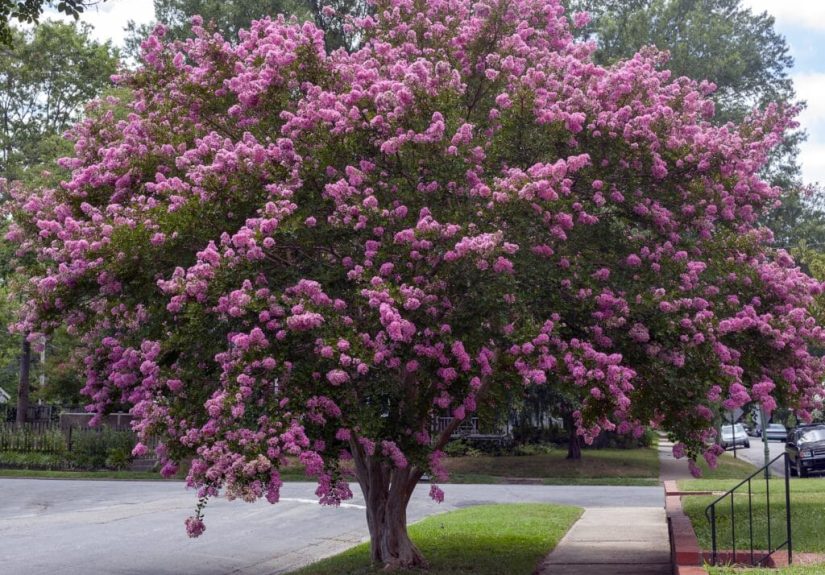
If you’ve ever wanted a summer-flowering tree that shows up like it’s late for a party (and still looks amazing), meet the Twilight crape myrtle. It’s the kind of landscape plant that can turn an ordinary yard into a “Wait… what is THAT?” momentthanks to rich purple blooms, dark foliage (often described as “almost black”), and that signature exfoliating bark that keeps winter from feeling boring.
But crape myrtles also have a reputation for being… let’s say “over-loved” with pruning. (A gentle reminder: the phrase “crape murder” exists for a reason.) This guide covers what a Twilight crape myrtle is, how to plant it, how to care for it, how to prune without committing landscaping crimes, and how to troubleshoot pests and diseases so your tree keeps thriving for years.
What Is a Twilight Crape Myrtle?
“Crape myrtle” refers to plants in the Lagerstroemia groupmost commonly Lagerstroemia indica and many hybrids that include L. fauriei. They’re prized for long bloom season, heat tolerance, colorful fall foliage, and smooth, peeling bark that looks especially good once leaves drop.
Twilight is a named cultivar commonly sold as a large shrub or small tree with:
- Deep purple flowers that arrive in summer and can continue for weeks
- Dark foliage that contrasts dramatically with the blooms
- Exfoliating bark for winter interest
- Strong heat and drought tolerance once established
Quick confusion alert: You may also see Twilight Magic™ in garden centers. It’s a different plant line with its own mature size and flower color. If you’re shopping, always check the plant tag for the full name and expected height.
Twilight Crape Myrtle at a Glance
| Feature | What to Expect |
|---|---|
| Plant type | Large shrub or small tree (often trained multi-trunk) |
| Flowers | Purple blooms in summer (timing varies by region) |
| Foliage | Dark, dramatic leaves; fall color may appear in cooler weather |
| Bark | Smooth, peeling bark that becomes more noticeable with age |
| Sun | Full sun is best (more sun = more flowers) |
| Soil | Well-drained soil; tolerates clay if drainage is decent |
| Water | Regular water to establish; deep/infrequent once mature |
| Hardiness | Commonly sold for warmer zones; always match your local USDA zone |
Where Twilight Crape Myrtles Grow Best
USDA Hardiness Zones (And Why They Matter)
Crape myrtles are most reliable in warmer regions, and many varieties perform best in zones that support consistent summer heat and milder winters. Your USDA Plant Hardiness Zone helps you predict winter survival and how much dieback (if any) might happen after a cold snap.
Tip: If you’re near the edge of where crape myrtles survive, plant in a protected spot (think: away from harsh winter wind, near a south-facing wall, and mulched well). Even if the top dies back in a rough winter, many crape myrtles can regrow from the basethough you may lose that “tree form” for a while.
Sunlight: The Non-Negotiable
If Twilight crape myrtles had a dating profile, it would say: “Full sun only. No shade situationships.” You want at least 6 hours of direct sun, and 8+ hours is even better for strong blooming and sturdier branching.
Soil and Drainage: Don’t Skip This
Twilight crape myrtles tolerate a wide range of soils, but they do not enjoy “wet feet.” If water puddles where you plan to plant, fix drainage first or choose another spot. In heavy clay, you can still succeedjust avoid planting too deep, and focus on good watering habits (deep, not constant).
How to Plant a Twilight Crape Myrtle the Right Way
Planting is where you set the tree up for a lifetime of “wow” instead of a lifetime of “why does it look mad at me?”
Best Time to Plant
- Fall is ideal in many regions because roots can settle in while the top rests.
- Spring also works welljust be prepared to water consistently through the first hot season.
Step-by-Step Planting (No Fancy Tricks Required)
- Choose the right spot (full sun, room to grow, good drainage).
- Dig a wide hole about 2–3 times the width of the root ball, but not deeper.
- Find the root flare (where trunk widens at the base). That area should sit slightly above surrounding soil, not buried.
- Backfill gently using existing soil. Avoid “super soil” pits that hold water like a bathtub.
- Water deeply right after planting to settle soil around roots.
- Mulch 2–3 inches deep in a wide ring, keeping mulch a few inches away from the trunk.
Care and Maintenance
Watering: The First Year Is the Big Deal
Newly planted Twilight crape myrtles need consistent moisture while roots expand. Think “deep and thorough,” not “frequent sprinkles.” Once established, crape myrtles are known for drought tolerance, but they still look and bloom best with occasional deep watering during extended heat.
Fertilizing: More Isn’t Better
Crape myrtles can benefit from a slow-release fertilizer in spring, especially in poorer soils. But too much fertilizer can push leafy growth at the expense of flowersand may make some problems more likely. Translation: don’t turn your Twilight into a giant green teenager that refuses to bloom.
Mulching and Weed Control
A mulch ring helps moderate soil temperature, reduce weeds, and hold moisture. Keep turf grass from competing right up against the trunk, and skip “mulch volcanoes” (piling mulch against the trunk), which can invite rot and pests.
Pruning Twilight Crape Myrtles Without “Crape Murder”
This is where many well-meaning homeowners go off the rails. Twilight crape myrtles bloom on new growth, so pruning at the right time can help shape the plantbut aggressive topping is not required for blooms and often creates weak, awkward growth.
When to Prune
Late winter (while dormant) is the classic window. You can see structure clearly, and cuts have time to heal before active growth. Light cleanup (dead/damaged branches) can happen any time.
What to Prune (And What to Leave Alone)
- Remove dead, diseased, or broken branches.
- Remove crossing/rubbing branches that create wounds.
- Remove suckers at the base if you want a clean tree form.
- Thin lightly for airflow if the canopy is overly crowded.
- Avoid topping (cutting the tree to stubs). It ruins the natural shape and encourages weak shoots.
Pro shaping tip: If you want a multi-trunk look, select a few strong main trunks early and remove weaker extras over time. If you want a single-trunk tree, train one leader and remove competing stems gradually.
Blooming, Reblooming, and Seasonal Interest
How to Get the Best Flowers
- Full sun is the #1 driver of strong bloom.
- Don’t over-fertilize with high nitrogen.
- Water smartespecially during bud formation and extreme heat.
- Plant the right size for the space so you’re not forced into harsh pruning.
Should You Deadhead?
Some gardeners remove spent flower clusters (seed heads) to encourage a tidier look and potentially more flowering later, especially on vigorous plants. It’s optional. Twilight can still be a standout even if you leave the plant to do its thing.
Common Problems: Pests and Diseases (And What They Look Like)
Healthy crape myrtles are generally tough, but a few issues show up often enough that it’s worth knowing the warning signs.
Powdery Mildew
Powdery mildew can look like a dusty white coating on leaves, especially when plants are crowded or grown with insufficient sun. The easiest prevention is full sun and good airflow, plus choosing varieties marketed for better resistance.
Cercospora Leaf Spot
This leaf-spot disease can cause spotting and early leaf drop on susceptible crape myrtles, particularly in humid conditions. Again: sun, airflow, and avoiding overhead watering help. Some modern cultivars have improved resistance, which is a big reason newer selections are so popular.
Aphids and Sooty Mold
Aphids can feed on tender growth and leave behind sticky honeydew. Then sooty mold fungus grows on that honeydew, coating leaves and stems with black film. The mold itself is mostly cosmeticbut it’s a clue that sap-feeding insects are present.
Crape Myrtle Bark Scale (The One to Take Seriously)
If you see white or gray felt-like bumps on bark, plus black sooty mold and a general “something is definitely off here” vibe, you may be dealing with crape myrtle bark scale. Crush one of the scale coverings and it may ooze pinkyep, it’s as gross as it sounds, and also a very useful ID clue.
Practical, Pollinator-Conscious Management
- Start with mechanical cleanup: gently scrub reachable bark areas and wash off sooty mold.
- Prune out heavily infested branches when practical, and dispose of them properly.
- Encourage plant health: full sun, proper watering, and avoiding excess nitrogen can reduce stress.
- If chemicals are needed: follow local Extension guidance and label directionstiming matters, and many products should not be applied when plants are in bloom or pollinators are active.
Important: Bark scale pressure varies by region and year. If you suspect it, your local Extension office can confirm and recommend options that match your area and the current best practices.
Landscape Design Ideas for Twilight Crape Myrtle Trees
Twilight crape myrtles are “statement plants,” but they also play well with othersespecially if you design around their color and form.
Great Uses
- Specimen tree: plant one in a lawn island or prominent corner where it can spread naturally.
- Driveway or fence line: repeated spacing creates a dramatic, cohesive look.
- Small shade + color combo: light, dappled shade later in the day without the “dark cave” effect of denser trees.
- Pollinator-friendly planting: blooms draw bees and butterflies in summer.
Smart Companion Planting
Because Twilight has dark foliage and purple flowers, lighter companions pop:
- Silver or gray foliage plants (for contrast)
- White or pale pink perennials (to brighten the base)
- Warm-toned flowers (gold, coral, or chartreuse) for a bold, modern palette
Buying Tips: How to Pick a Great Twilight Crape Myrtle
- Check the mature size on the tag and match it to your space.
- Look for good structurestrong main trunks or branches, not a tangled mess.
- Avoid pot-bound roots when possible (roots circling hard inside the container).
- Plan for airflow by spacing properlyespecially in humid areas.
FAQ: Quick Answers to Common Twilight Crape Myrtle Questions
Why isn’t my Twilight crape myrtle blooming?
The usual suspects are too much shade, too much nitrogen fertilizer, or heavy pruning at the wrong time. Move (or remove) shade if possible, simplify fertilizing, and aim for late-winter structural pruning only.
Do I have to prune every year?
No. Many experts recommend minimal pruningmostly cleanup and light shaping. Planting a variety that fits your space reduces the urge to hack it back annually.
Is peeling bark normal?
Yespeeling, smooth bark is one of crape myrtle’s signature ornamental features and often becomes more impressive as the plant matures.
Final Thoughts
If you want a tough, heat-loving, summer-blooming small tree that brings drama in all the best ways, Twilight crape myrtle is an excellent choice. Give it full sun, decent drainage, thoughtful watering during establishment, and respectful pruning (no topping, please). Do that, and you’ll get weeks of purple blooms, year-round structure, and a yard that looks like it hired a landscape designerwithout actually doing that.
Real-World Experiences: What It’s Like Living With a Twilight Crape Myrtle
Care guides are helpful, but the best lessons usually come from what happens in real yards with real weather, real soil, and real humans who sometimes forget to water for a week because life is… life. Here are common Twilight crape myrtle experiences that gardeners sharealong with what you can learn from them.
1) “I planted it where it looked perfect… and it barely bloomed.”
This is the classic “morning shade trap.” A spot can look bright all day and still steal the most important hours of direct sun. Many gardeners notice that moving a crape myrtle from “part shade” to “full sun” doesn’t just increase bloomsit improves branch strength and reduces that floppy, reaching growth. The takeaway: if your Twilight isn’t flowering like you expected, measure sun honestly. If you can’t move the tree, thinning nearby shrubs or selectively pruning an overhanging canopy can make a surprisingly big difference.
2) “The first year was slow… then it took off like it had a secret gym membership.”
Newly planted trees often focus on roots before they focus on show. It’s common to see modest growth the first season and a big jump in year two. Gardeners who water deeply during the first summer tend to see stronger, more resilient growth later. The best “aha” moment is realizing that consistent early watering isn’t about spoiling the plantit’s about building the root system that will make it drought-tolerant later. Patience pays off.
3) “I pruned it hard because my neighbor said it blooms better… and now it looks like a coat rack.”
This is how “crape murder” spreads: one well-meaning recommendation at a time. People often prune hard to control size or chase bigger blooms, only to end up with clusters of weak shoots that bend in summer storms. The experience usually leads to a better long-term strategy: plant the right size variety, prune lightly, and let the tree keep its natural form. If you inherited a severely topped crape myrtle, many gardeners find that gentle corrective pruning over multiple seasons restores a better shape. In other words: no panic cutsslow improvement wins.
4) “The leaves turned sticky and black, and I thought the tree was dying.”
Sticky leaves plus black coating often signals honeydew-producing insects (like aphids or bark scale) and sooty mold growing on the residue. Gardeners frequently describe the relief of learning the mold itself is usually not fatalit’s a symptom. Once the insect issue is addressed, new growth comes in cleaner, and rain plus time helps wash away the mess. The main lesson: don’t treat the black coating firstfigure out what’s producing the honeydew.
5) “It handled heat like a champ, but the soil stayed wet and it sulked.”
Twilight crape myrtles are famous for tolerating heat, but gardeners in low-lying yards sometimes learn that waterlogged soil is a different enemy. If a planting spot holds water after storms, the tree may grow poorly, show fewer blooms, or develop stress that invites pests. The fix is usually practical: improving drainage, raising the planting area slightly, or relocating to higher ground. A common success story is planting on a gentle mound with a wide mulch ringroots stay happier, and the tree looks better with less effort.
6) “It became my easiest ‘wow’ plantonce I stopped fussing.”
One of the most repeated experiences with crape myrtles is that they often perform best with a “supportive, not controlling” approach. Gardeners who stop over-fertilizing, stop overhead watering, and stop aggressive pruning tend to see more consistent blooms and better structure. Twilight’s dark foliage and purple flowers do a lot of design work for youespecially when you underplant with lighter colors and keep the base tidy. Many people end up using it as a visual anchor: one tree that makes the whole yard feel more intentional.
In short: the Twilight crape myrtle experience is usually a story of small adjustmentsmore sun, smarter watering, lighter pruningleading to a big payoff. Once it settles in, it’s the kind of tree that quietly earns its keep, season after season, while you take all the credit.