Table of Contents >> Show >> Hide
- Why This Falafel Salad Recipe Works
- Ingredients You’ll Need
- How to Make Falafel Salad Step by Step
- Flavor Tips That Make a Big Difference
- Easy Variations
- Common Mistakes to Avoid
- How to Serve and Store It
- Why Falafel Salad Deserves a Spot in Your Rotation
- Experiences From Real Life: What a Falafel Salad Recipe Feels Like in the Kitchen
- Conclusion
- SEO Tags
Some salads whisper, “I am a side dish.” This one kicks open the kitchen door and announces, “I brought crunch, color, protein, herbs, and a dressing so good you may consider drinking it with a tiny, inappropriate straw.” A great falafel salad recipe is everything a weeknight dinner should be: fresh, filling, lively, and just dramatic enough to make you feel like you have your life together.
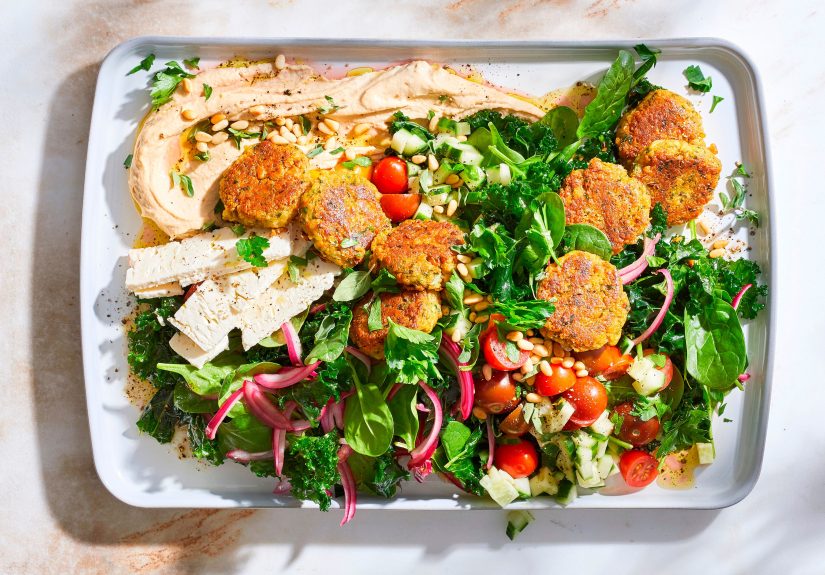
At its best, falafel salad combines crispy chickpea patties, cool vegetables, bright herbs, and a creamy lemon-tahini dressing that ties the whole bowl together. It is hearty without feeling heavy, satisfying without being sleepy, and flexible enough to work for lunch, dinner, meal prep, or the kind of dinner party where everyone pretends they were “keeping it casual” while secretly judging the dressing. Good news: this recipe is easy to make at home, and it tastes like the sort of meal that should cost far too much at a trendy café.
Why This Falafel Salad Recipe Works
The magic here is contrast. Falafel brings a crisp exterior and tender, herby center. The salad adds juicy tomatoes, crunchy cucumbers, sharp red onion, and romaine for bite. Fresh parsley and mint wake everything up, while feta is optional but highly recommended if your household includes cheese enthusiasts. The lemon-tahini dressing is creamy, nutty, tangy, and bold enough to make every forkful taste complete.
This recipe also works because it respects texture. Falafel should never feel like damp bean paste in formalwear. A good batch is crisp on the outside, fluffy in the center, and sturdy enough to sit on a salad without collapsing into emotional rubble. That is why this version uses soaked dried chickpeas instead of canned chickpeas for the falafel itself. If you want the classic texture, dried chickpeas are the move.
Ingredients You’ll Need
For the Falafel
- 1 cup dried chickpeas, soaked in water 18 to 24 hours, then drained well
- 1 cup flat-leaf parsley leaves
- 1/2 cup cilantro leaves
- 1/2 small yellow onion, roughly chopped
- 3 garlic cloves
- 1 teaspoon ground cumin
- 1 teaspoon ground coriander
- 1/2 teaspoon kosher salt
- 1/4 teaspoon black pepper
- 1/4 teaspoon cayenne pepper, optional
- 1/2 teaspoon baking powder
- 2 tablespoons chickpea flour or all-purpose flour
- 2 to 3 tablespoons olive oil for brushing, or more if pan-frying
For the Salad
- 1 large romaine heart, chopped
- 2 cups mixed greens or baby spinach
- 1 cup cherry tomatoes, halved
- 1 Persian cucumber or 1/2 English cucumber, sliced
- 1/4 small red onion, thinly sliced
- 4 to 5 radishes, thinly sliced
- 1/4 cup chopped parsley
- 2 tablespoons chopped mint
- 1/3 cup crumbled feta, optional
- 1/3 cup pickled onions or pickled turnips, optional
- 1/2 cup toasted pita chips for crunch, optional but glorious
For the Lemon-Tahini Dressing
- 1/3 cup tahini
- 3 tablespoons fresh lemon juice
- 1 small garlic clove, finely grated
- 1 tablespoon olive oil
- 1 teaspoon maple syrup or honey, optional
- 3 to 5 tablespoons warm water
- 1/4 teaspoon kosher salt, plus more to taste
How to Make Falafel Salad Step by Step
1. Soak the Chickpeas
Place the dried chickpeas in a large bowl and cover with plenty of cold water. They will expand, because chickpeas love a dramatic transformation arc. Let them soak for 18 to 24 hours. Drain them well before using. Do not cook them. Do not use canned chickpeas for this part unless your dream is falafel that falls apart and tests your patience.
2. Make the Falafel Mixture
In a food processor, combine the soaked chickpeas, parsley, cilantro, onion, garlic, cumin, coriander, salt, pepper, and cayenne if using. Pulse until the mixture looks finely chopped and holds together when pinched, but still has some texture. You are aiming for coarse and pebbly, not hummus. Transfer to a bowl and stir in the baking powder and flour. Let the mixture rest for 20 to 30 minutes in the refrigerator. This short chill helps it firm up and behave better during cooking.
3. Shape and Cook the Falafel
Form the mixture into small patties or balls, about 2 tablespoons each. For an easier salad, patties are excellent because they sit nicely on greens and are less likely to roll away like they have weekend plans.
To bake: Heat the oven to 425°F. Place the falafel on a parchment-lined baking sheet, brush lightly with olive oil, and bake for 25 to 30 minutes, flipping halfway through, until golden brown and crisp.
To pan-fry: Heat a thin layer of oil in a skillet over medium heat. Cook the falafel in batches for 3 to 4 minutes per side until deeply golden and crisp.
To air-fry: Lightly oil the basket and the falafel, then air-fry at 375°F for about 12 to 15 minutes, flipping once.
4. Whisk the Dressing
In a small bowl, whisk together the tahini, lemon juice, garlic, olive oil, maple syrup or honey if using, and salt. It will seize up at first and look like it has lost faith in the process. Keep whisking and add warm water a little at a time until the dressing becomes smooth and pourable.
5. Build the Salad
In a large bowl, combine the romaine, mixed greens, tomatoes, cucumber, red onion, radishes, parsley, and mint. Toss lightly with a spoonful or two of the dressing. Top with warm falafel, feta if using, pickled onions, and pita chips. Drizzle with more dressing and serve immediately.
Flavor Tips That Make a Big Difference
A memorable falafel salad recipe is usually the result of tiny smart choices. Use lots of herbs in the falafel mix so the interior tastes fresh, not flat. Do not over-process the chickpeas. Add acid generously, because lemon is what keeps the bowl tasting bright instead of beige. And always include at least one crunchy finishing touch, whether that is radish, pita chips, toasted seeds, or crisp lettuce.
Want more depth? Add a pinch of sumac to the salad, a little Aleppo pepper to the dressing, or a spoonful of hummus on the side. Want more body? Fold in cooked quinoa, farro, or extra chickpeas. Want to impress people who post their lunch online? Scatter pomegranate seeds over the top and act like it was effortless.
Easy Variations
Baked Falafel Salad
If you want a lighter-feeling dinner or easier cleanup, baking is the best choice. The falafel still gets crisp edges, and you avoid the stovetop oil situation that makes your kitchen smell like a county fair concession stand.
Store-Bought Shortcut Version
Yes, you may use frozen or prepared falafel when life is busy. Warm it up, make the dressing from scratch, and build the salad with plenty of herbs and vegetables. Homemade dressing can rescue many things, including average Tuesday energy.
Vegan Falafel Salad
Skip the feta and use maple syrup instead of honey in the dressing. You will still have a flavorful, satisfying vegan meal with plenty of richness from the tahini.
High-Protein Bowl Style
Add quinoa, lentils, or extra chickpeas. This turns the salad into a sturdy lunch that will not leave you raiding the pantry 90 minutes later looking for crackers and emotional closure.
Common Mistakes to Avoid
- Using canned chickpeas for classic falafel: They are too soft and often lead to a mushy texture.
- Over-blending the mixture: The falafel should have texture, not the consistency of dip.
- Skipping the rest time: A short chill helps the mixture hold together better.
- Under-seasoning: Chickpeas need salt, herbs, and spice to taste lively.
- Making the dressing too thick: Tahini loosens beautifully with warm water, so keep adjusting until it drizzles.
- Dressing the salad too early: Greens wilt, pita chips soften, and everybody loses.
How to Serve and Store It
Serve falafel salad while the falafel is still warm. That warm-and-cool contrast is part of the charm. It pairs beautifully with hummus, warm pita, roasted eggplant, lentil soup, or a simple cucumber yogurt sauce on the side.
For meal prep, store the components separately. Keep the falafel in the refrigerator for up to 4 days, the dressing for up to 5 days, and the chopped vegetables in airtight containers. Reheat the falafel in the oven or air fryer so it crisps back up. Build individual salads when ready to eat. This keeps lunch exciting instead of sad and soggy.
Why Falafel Salad Deserves a Spot in Your Rotation
There are meals you make once because they are trendy, and then there are meals you keep coming back to because they actually work. Falafel salad belongs in the second category. It is affordable, mostly pantry-friendly, flexible for different diets, and packed with flavor that does not feel repetitive. It is also one of the rare vegetarian meals that does not make anyone ask, “But is there, like, more food?” This is the more food.
It also suits every season. In summer, it feels cool and bright. In winter, warm falafel over crisp greens feels cozy without being heavy. In spring, it tastes fresh and optimistic. In fall, add roasted carrots or squash and suddenly the whole bowl leans into sweater weather. Few recipes adapt this gracefully.
Experiences From Real Life: What a Falafel Salad Recipe Feels Like in the Kitchen
One of the best things about making a falafel salad recipe at home is that it feels a little fancier than the actual level of effort involved. The first time you pull a tray of golden falafel from the oven and pile it over crunchy greens, the whole meal looks restaurant-worthy. There is something deeply satisfying about that contrast: crisp edges, bright vegetables, creamy dressing, and a shower of herbs that makes the bowl look like it belongs under flattering café lighting.
This is also the kind of recipe that changes depending on the mood of the day. On a busy weekday, it can be streamlined into a practical meal-prep lunch. You bake the falafel, chop the vegetables, shake the dressing in a jar, and suddenly your future self has a very respectable lunch waiting in the refrigerator. On weekends, it becomes more playful. You might add warm pita, hummus, olives, extra pickles, or a spicy sauce and turn dinner into a mini mezze spread. Either way, the meal feels generous.
Falafel salad also has a talent for winning over people who claim they are “not salad people.” That is because this is not a fragile bowl of lettuce making vague promises. It is built around substance. Warm falafel makes it feel like a real entrée. Tahini dressing adds richness. Cucumbers, tomatoes, onion, and herbs keep every bite lively. Even the optional extras matter. Feta brings saltiness, pickled onions add punch, and pita chips contribute the kind of crunch that makes people hover near the serving bowl for a second helping.
There is also a social side to this dish. Falafel salad is excellent for casual entertaining because it can be assembled in parts. The falafel can be cooked ahead. The dressing can wait in the fridge. The vegetables can be chopped in advance. Then, when guests arrive, you simply build a colorful platter or a giant salad bowl that looks abundant and inviting. People love a meal that lets them customize. One person adds extra dressing, another loads up on herbs, someone else sneaks more pita chips, and everyone feels oddly accomplished.
In many kitchens, falafel salad becomes one of those repeat recipes that quietly earns a permanent place in the rotation. Not because it is flashy, but because it solves so many dinner problems at once. It is meatless but filling. It is fresh but satisfying. It feels wholesome without tasting like a compromise. And maybe most importantly, it still tastes exciting on day two. Leftover falafel crisped up in the oven with cold salad on the side is the kind of lunch that can rescue an otherwise unimpressive afternoon.
That is the real charm of this recipe. It gives you the pleasure of a colorful, texture-packed, flavor-forward meal without demanding restaurant prices or culinary acrobatics. It is practical enough for everyday cooking, but delicious enough to feel like a treat. And honestly, any recipe that can make chickpeas feel this glamorous deserves a little respect.
Conclusion
If you have been looking for a homemade falafel salad recipe that is fresh, satisfying, and full of personality, this is the one to keep. It balances crispy falafel, crunchy vegetables, and creamy lemon-tahini dressing in a way that feels complete and craveable. Make it for lunch, dinner, meal prep, or a casual gathering, and do not be surprised if it becomes one of those recipes you start making on autopilot. Some meals are just useful. This one is useful and exciting, which is a much rarer skill set.