Table of Contents >> Show >> Hide
- Meet the “Werewolf Cat”: What a Lykoi Actually Is
- From “Is This Kitten Sick?” to “Please Welcome Our New Star”
- The Science Behind the Scruff: Genetics, Follicles, and “Wolfing Out”
- Personality: All Drama in the Face, All Sweetness in the House
- Lykoi Cat Care: Grooming, Skin, and Staying Comfortable
- Health: What Vets and Breed Standards Emphasize
- Are Werewolf Cats Hypoallergenic?
- Why This Werewolf Cat Is Winning Hearts Worldwide
- Thinking About Getting a Lykoi? Ethical Reality Check
- Owner Experiences: What Life With a “Werewolf Cat” Really Feels Like (Bonus)
- Final Thoughts
- SEO Tags
The internet has a lot of opinions about cats. Some people want a perfectly fluffy cloud with whiskers. Others want a sleek, elegant panther in miniature.
And then there’s a growing crowd that sees a scruffy, wolf-faced little gremlin-cat and thinks, Yes. That one. That is my soulmate.
If you’ve ever scrolled past a “werewolf cat” and done a double takehalf “aww,” half “is that kitten okay?”you’ve met the vibe of the
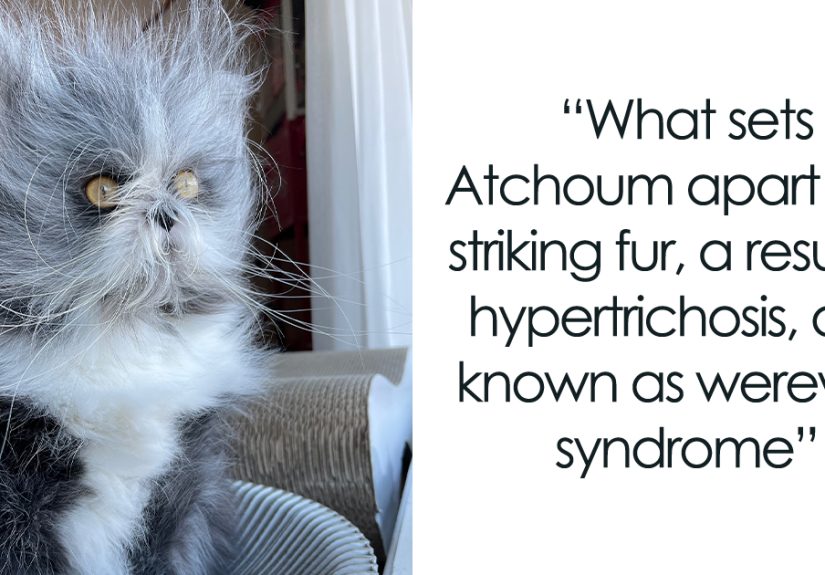
Lykoi (pronounced “lie-KOY”). It’s a domestic cat with a naturally occurring coat mutation that creates a patchy, roaned look and a
dramatic little “mask” of sparse fur around the face. The result: a cat that looks like it auditioned for a spooky movie… and then immediately demanded
a warm lap, a snack, and your full attention.
Meet the “Werewolf Cat”: What a Lykoi Actually Is
The Lykoioften nicknamed the wolf cat or werewolf catis not a hybrid, not a wild animal mix, and not a cat that’s
“missing fur because it’s sick.” It’s a pedigree breed developed from domestic shorthairs that carried a rare hair-follicle mutation.
The name “Lykoi” comes from a Greek word associated with “wolf,” which makes sense once you see the intense eyes, tall ears, and that wonderfully
scruffy face.
Cat associations like TICA (The International Cat Association) and the CFA (Cat Fanciers’ Association) publish breed
standards describing the Lykoi’s signature traits: little or no undercoat, a sparse “mask” and legs, and roaning (a mix of colored and white hairs).
Translation: the look is not an accidentit’s the calling card.
Why does the Lykoi look like that?
The Lykoi’s coat is unusual because it’s mostly made of guard hairs, with a reduced or absent undercoat. Those guard hairs can be pigmented or white,
creating the roan effect. Some Lykois go through noticeable coat cycles, including heavy shedding or periods when they look almost bald.
It can be startling the first time you see it… until you realize the cat is acting totally normal and just wants to play with a shoelace.
From “Is This Kitten Sick?” to “Please Welcome Our New Star”
A huge part of the werewolf cat’s popularity comes from how often the story starts with worry and ends with wonder.
A foster or pet parent notices fur falling out in clumps, calls the vet, spirals a little, and then learns the cat is a Lykoirare, odd-looking,
and completely real.
That exact arc played out publicly with Gracie, a kitten whose early hair loss made her foster mom fear something was wronguntil the
mystery solved itself as her coat grew back in that signature speckled, wolf-cat pattern. Gracie’s story spread widely online because it’s relatable:
the moment you stop worrying, you start bragging.
The Science Behind the Scruff: Genetics, Follicles, and “Wolfing Out”
Under the spooky aesthetics is real biology. Research on the Lykoi has linked the look to loss-of-function variants in a gene called
Hairless (HR), which plays a role in hair growth and follicle development. Compared with typical domestic shorthairs, Lykois show
fewer follicles per follicle group and differences in the follicles themselvesbasically, the “fur factory” is built differently.
That doesn’t automatically mean “unhealthy.” It means “different,” and it explains why Lykoi coats can be thin, patchy, and seasonal.
Some owners even use the affectionate phrase “wolfing out” for those dramatic coat changes when the cat looks extra werewolf-y for a while.
Personality: All Drama in the Face, All Sweetness in the House
If the Lykoi’s look says “tiny creature of the night,” its personality usually says “hi, best friend, I brought you a toy mouse I just hunted.”
Many descriptions of the breed emphasize social, affectionate, people-oriented behavioroften with a strong prey drive and a “busy brain.”
- Curious and alert: These cats tend to watch new situations like a little security guard in a fur mask.
- Play-motivated: Wand toys, puzzle feeders, and games that let them stalk and pounce are their love language.
- Bonding: A lot of Lykoi owners describe a loyal streak“my cat follows me like a weird little shadow.”
- Dog-like moments: Fetch is not unheard of, and neither is intense focus on “the mission” (the mission is usually a toy).
Of course, every cat is an individual. But the overall pattern is consistent: the Lykoi tends to be interactive and engaged, especially in homes that
give it playtime and attention instead of expecting it to be decorative furniture with whiskers.
Lykoi Cat Care: Grooming, Skin, and Staying Comfortable
Here’s the twist: despite the “mangy werewolf” aesthetic, Lykoi care is not “set it and forget it.”
Because the coat is sparse and the undercoat is minimal, the skin can get oily more easilysimilar to other low-fur breeds.
That can mean occasional baths, gentle wiping, and staying on top of ears and nails.
Bathing without turning it into a soap opera
Many Lykoi do well with periodic baths to help manage oil buildup. The goal is not “make them smell like tropical breeze.”
The goal is “keep the skin comfortable and clean.” Use a cat-safe shampoo, rinse thoroughly, and keep the experience calm and warm.
Bonus: with less fur, drying is fasteryour blow dryer won’t be invited to the party, but the towel might be tolerated.
Temperature and sun: the hidden villains
Less fur often means less insulation and less sun protection. That’s why many breed guides recommend keeping Lykois indoors and being thoughtful about
sun exposure and cold drafts. A sunny window spot is delightful; all-day blazing sunlight is not the vibe. In winter, cozy blankets and warm sleep
spots matter more than you’d expect for a creature that looks like it should be fine in a haunted forest.
Enrichment that matches the “mini predator” brain
A bored Lykoi can become a creative Lykoiand “creative” can mean “I learned how cabinets work.”
Rotate toys, use interactive play (wand toys, fetch games, treat puzzles), and give climbing options like cat trees or shelves.
If you want safe outdoor time, consider a secure catio rather than free roaming.
Health: What Vets and Breed Standards Emphasize
The Lykoi is often described as generally healthy, but it’s also a relatively new breedmeaning long-term, large-scale data is still developing.
The best approach is practical: work with a reputable breeder (or rescue), keep up with routine vet care, and pay attention to skin and dental health.
Some veterinary discussions highlight a skin-related condition observed in the breed involving inflammation around follicles, plus the everyday issues
that can affect any cat (dental disease, weight gain, parasites, and so on). Translation: your werewolf cat doesn’t need a silver bulletjust the same
steady, boring-good pet care that keeps all cats thriving.
Are Werewolf Cats Hypoallergenic?
If you’ve heard “less fur = hypoallergenic,” here’s the truth: cat allergies are usually triggered by proteins (not fur itself),
especially Fel d 1, which comes from saliva and skin glands.
Hairless or partially hairless cats can still produce allergens because the allergen source isn’t the coatit’s the cat.
Some people may personally react less to certain cats, but there’s no guarantee by breed, and “hypoallergenic cat” is more marketing phrase than
scientific promise. If allergies are part of your life, the safest move is to spend time around the individual cat before committing, and talk to a
clinician about practical strategies.
Why This Werewolf Cat Is Winning Hearts Worldwide
The Lykoi’s popularity is a perfect storm of factors:
- Instant visual novelty: It looks like a myth, but it’s real and affectionate.
- Underdog charm: Many viral stories start with worry about hair loss and end with “surprise, it’s a rare breed.”
- Big personality energy: Playful, curious cats make better internet stars than cats who only nap (no offense to nap icons).
- Shareability: People love showing friends something that makes them say, “Wait… what am I looking at?”
Real-world examples are everywhere: Gracie’s “mystery hair loss” storyline, Chupie’s viral adventures and snack-focused mischief, and even rescue
stories like Eyona, a kitten discovered with the same unusual look outside the usual breeder pipeline. Different cats, same effect:
the werewolf cat makes people smile and talk.
Thinking About Getting a Lykoi? Ethical Reality Check
Because Lykois are rare, demand can outpace availabilityand that’s when scams and irresponsible breeding creep in.
If you’re looking for a Lykoi kitten, prioritize ethics over speed:
- Look for transparency: Health testing, veterinary records, clear communication, and no sketchy “wire transfer only” nonsense.
- Ask about outcrossing and genetic diversity: Good programs think long-term, not just “more kittens.”
- Expect a waitlist: Rarity + responsible breeding usually equals patience.
- Consider rescue routes too: The mutation can appear naturally in domestic populations, and some wolf-cat-looking kittens end up in
foster networks before anyone knows what they are.
Whether you adopt or buy, the best outcome is the same: a healthy cat placed thoughtfully with a home that understands its needsespecially skin care,
enrichment, and indoor safety.
Owner Experiences: What Life With a “Werewolf Cat” Really Feels Like (Bonus)
People imagine living with a Lykoi is like sharing a house with a tiny gothic legend. And sure, the look delivers. But day-to-day life with a werewolf
cat is mostly… regular cat life, just with more double takes from visitors and more “is he supposed to look like that?” questions from strangers.
One of the most common experiences owners describe is the first-week whiplash. You bring the cat home and spend a few days watching
every little skin speck like you’re a detective in a medical drama. Then you realize your Lykoi is eating, playing, and napping like a champion.
The “problem” isn’t a problemit’s just the coat doing its natural thing. That shift, from concern to confidence, is part of why people become such
devoted fans.
Another classic moment: the coat-cycle surprise. A Lykoi can look noticeably different across seasons or even months. Owners talk about
waking up one day to a cat that’s suddenly “extra wolf,” with thinner patches or a more dramatic mask. Then later, the coat fills in again, and the cat
looks like it got a fresh makeoversame personality, new outfit. It’s like living with a tiny fashion influencer who changes styles without asking.
There’s also the bath-day reality. You might expect a partially hairless cat to be “easy,” but the skin can collect oils, and many
owners end up doing occasional baths or gentle wipe-downs. The funny part is how fast it goes compared to fluffier breedsless fur means less rinse
time, less drying time, and fewer “I will haunt you forever” damp tangles. It’s still a cat, so it’s still dramatic, but it’s a shorter drama.
Social experiences are their own category. Owners report that Lykois attract attention everywhere: at the vet, on a walk in a carrier, even in the
window. People stop, stare, laugh, and ask questions. Some assume the cat is sick. Some assume it’s “a tiny wolf.” And many end up saying,
“I didn’t know I could love something that looks like a mischievous bat-wolf.” If your idea of fun includes educating strangers and collecting
wholesome reactions, the werewolf cat delivers.
Finally, there’s the unexpected sweetness. For a cat that looks like it should be guarding an ancient castle, many Lykois lean into
closeness: following their person room to room, curling up in warm spots, and demanding interactive play. The face says “monster movie.” The behavior
says “best buddy.” That contrastspooky outside, soft insideis exactly why this breed keeps winning hearts.
Final Thoughts
The Lykoi isn’t the fluffiest cat in the traditional sense. But in the only sense that really matterspersonality, presence, and pure
heart-stealing powerit’s absolutely competing for the crown. If you’re drawn to the werewolf cat aesthetic, just remember the secret:
the real magic isn’t the mask or the roan coat. It’s the ordinary, loving house-cat soul underneath the extraordinary look.