Table of Contents >> Show >> Hide
- What Exactly Is the Mantis Chair?
- The Brand DNA: Why BassamFellows Designs Feel Different
- Design Analysis: Why the Mantis Chair Works So Well
- Specs and Practical Buying Notes
- Where Designers Actually Use BassamFellows Seating
- Styling the Mantis Chair in Real Homes
- Is the Mantis Chair Worth the Investment?
- Care, Maintenance, and Aging Gracefully
- 500-Word Experience Section: What Living With a Mantis-Style Chair Feels Like
- Final Takeaway
Some chairs are loud. Some are shy. And some walk into a room, sit quietly in a corner, and still make every other chair feel underdressed.
The Mantis Chair by BassamFellows belongs to that third category.
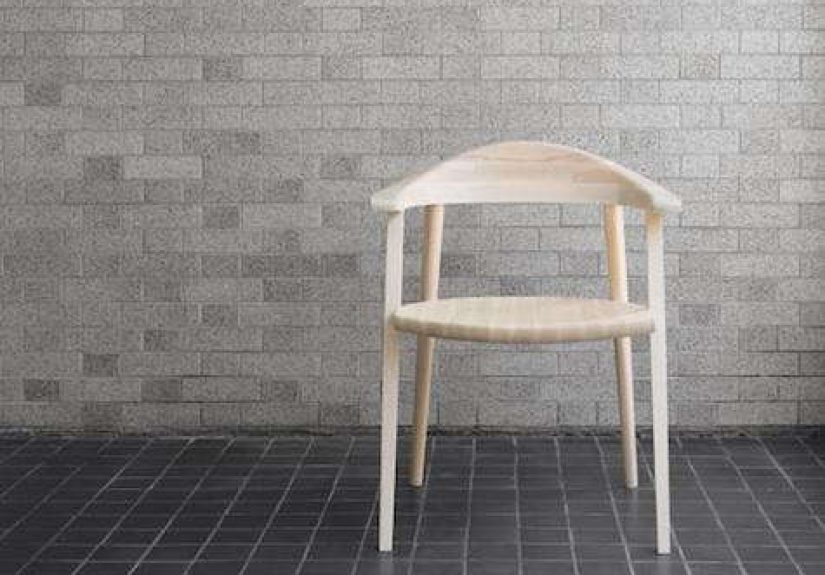
At first glance, it looks simple: clean silhouette, carved wood, thoughtful proportions. Then you notice what makes it memorablethe dramatic, almost calligraphic arms, the sculptural stance, and the way it manages to feel both sturdy and visually light. It has that rare design trick: it looks like a collectible piece, but it behaves like everyday furniture.
In this in-depth guide, we’ll break down what the Mantis Chair is, where it comes from, why designers keep choosing it, and how to decide whether it belongs in your own space. We’ll cover materials, comfort, styling, buying strategy, and long-term valueplus a full experience section at the end that gets into what living with this kind of chair actually feels like over time.
What Exactly Is the Mantis Chair?
The Mantis is part of the Mantis seating family by BassamFellows, including side and lounge variations. The core concept is a fresh interpretation of the classic American courthouse chair, reimagined through a more sculptural, contemporary lens. Its form references the poised stance of a praying mantishence the nameand that visual metaphor is more than branding: it genuinely reads in profile.
This is not a mass-market “looks good in photos, creaks in six months” chair. The piece is carved from solid wood, with joints reinforced by steel pins for durability. Optional hand-stitched leather cushions are available, and the base chair itself is intentionally shaped to feel ergonomic even without upholstery.
The Brand DNA: Why BassamFellows Designs Feel Different
To understand the Mantis, you have to understand the studio behind it. BassamFellows was founded by architect Craig Bassam and creative director Scott Fellows, with a design language often described as Craftsman Moderna balance of minimal form and warm, tactile materials.
Their philosophy isn’t about decorating for trends. It’s about construction, precision, and longevity. The studio has long positioned modern luxury as useful beauty: objects you touch every day, built to age well. In an era of disposable interiors and overnight trend cycles, that mindset feels almost rebellious.
BassamFellows also works across a broader “total design” frameworkarchitecture, interiors, furniture, and lifestyle productsso the chair isn’t designed in isolation. It’s part of a bigger ecosystem of proportion, material continuity, and spatial behavior.
Design Analysis: Why the Mantis Chair Works So Well
1) The silhouette has tension
Great furniture usually contains a tiny contradiction: soft but sharp, strong but light, graphic but organic. The Mantis nails this. You get thick-to-thin transitions, crisp edge moments, and curved support geometry that feels calm from afar and interesting up close.
2) It references history without copying it
“Courthouse chair” inspiration could have turned nostalgic fast. Instead, the Mantis keeps the historical backbone (upright posture, functional honesty) while stripping away visual noise. The result feels familiar but not retro.
3) Comfort is engineered into the form
Many sculptural chairs quietly punish you after 20 minutes. The Mantis was designed with ergonomics in mind, and that shows in the seat geometry, back support, and arm height relationship. Add the leather cushion and it shifts from “beautiful chair” to “actually where I want to sit.”
4) Material choices support longevity
The chair is offered in multiple solid-wood finishes (including oak, ash, and walnut options), each giving the same design a different personality. A raw-effect oak reads Scandinavian and airy; walnut black oil leans dramatic and architectural; white ash can look clean and gallery-like.
Specs and Practical Buying Notes
For the side-chair format, commonly listed dimensions are approximately W 25 1/8 in, D 21 in, H 30 1/2 in, with seat height around 17 5/8 in and arm height around 26 3/8 in. The collection is made to order, and lead times are typically in the multi-week range, so plan ahead for projects with fixed move-in dates.
The lounge variant is larger and deeper (often listed around 26 1/2 in wide and 27 in deep), making it better for reading corners, bedroom seating, or low-conversation zones where comfort time is measured in chapters, not minutes.
Practical advice: if you’re deciding between side and lounge versions, map your real use case first. Dining and desk-adjacent moments usually favor the side chair. Slow-living zones (library, window corner, primary suite) favor lounge.
Where Designers Actually Use BassamFellows Seating
One reason the Mantis line has staying power is that it appears in high-end interiors without shouting for attention. Across editorial home tours and design features, BassamFellows seating repeatedly shows up in rooms where material quality is doing the heavy liftingwood veneer, stone, plaster, natural textiles, and restrained color palettes.
You’ll find examples in contemporary homes, curated luxury residences, and architect-driven projects where the chair acts less like “accent furniture” and more like a structural visual rhythm. Translation: it doesn’t need to be the star to make the room better.
Styling the Mantis Chair in Real Homes
Dining Room
Pair Mantis chairs with a plank or slab table in a related wood tone, then break the palette with linen upholstery, ceramic lighting, or blackened steel accents. If you want a softer feel, add wool underfoot and keep the lighting warm (2700K–3000K). The chair’s geometry handles contrast beautifully.
Kitchen Perimeter
In open kitchens, use the chair to bridge cabinetry and living space. It reads cleaner than overstuffed seating and helps kitchens feel designed rather than furnished. Pro tip: maintain at least one repeated material notewood grain, leather tone, or metal finishso the open plan feels intentional.
Home Office
If your desk setup has become “tech cave meets cable jungle,” the Mantis can reset the vibe instantly. Its profile keeps visual clutter low while still feeling substantial. Bonus: it plays well with both modern desks and vintage pieces.
Bedroom Corner
The lounge version with a small side table and low lamp creates a genuine reading zone. Add a textured throw and one sculptural object (not seven), and you’ve got editorial-level calm without looking staged for a catalog.
Is the Mantis Chair Worth the Investment?
If your definition of value is “lowest checkout number today,” probably not. If your definition is “design quality per year of use,” the equation changes dramatically.
Here’s why:
- Timeless design language: less likely to look dated in three years.
- Material integrity: solid wood and careful joinery age better than veneers and fast hardware.
- Multi-room flexibility: moves from dining to office to bedroom without identity crisis.
- Collector relevance: BassamFellows has sustained presence in design media, showrooms, and curated interiors.
The caveat: buy it if you love it, not because someone on social media called it an “heirloom essential.” Good furniture should survive trends, including trend forecasts.
Care, Maintenance, and Aging Gracefully
Solid wood rewards consistency. Use soft cloths, avoid harsh chemical cleaners, and keep direct sun exposure moderated to reduce uneven tone shifts. For leather cushions, condition periodically based on climate and use. Tiny marks over time are not defects; they’re the biography of use.
One of the strongest arguments for this chair is how it looks after years, not days. The right patina can make a piece feel more grounded, less precious, and ultimately more beautiful.
500-Word Experience Section: What Living With a Mantis-Style Chair Feels Like
Let’s move beyond spec sheets and pretty renderings. What is the real, lived experience of owning a chair like this?
Week one is visual. You notice the profile every time you pass it. Guests notice too, usually with some version of, “Wait, what chair is that?” It has presence without being flashy. Even in a busy room, it reads as calm confidence. In photos, it looks sculptural. In person, it feels intentionallike someone edited the room instead of merely filling it.
Month one is ergonomic truth time. This is when expensive chairs either earn their keep or become decorative guilt objects. The Mantis-type experience tends to hold up because posture feels supported without forcing rigidity. You can sit upright for conversation, pivot slightly for side-talk, and still settle in for longer stretches. If you choose the cushion version, comfort extends noticeably for long dinners and work sessions.
Month three is lifestyle integration. The chair starts doing jobs you didn’t plan for. It becomes the spot where someone drops a tote bag after work, then sits for “just five minutes” that turns into twenty. It gets pulled toward a window for morning coffee, then drifts back to the table before dinner. That kind of mobility says a lot: great chairs are used often, not protected like museum artifacts.
Around six months, material character starts showing up. Wood grain becomes more legible in changing daylight. Tiny surface shifts create depth rather than damage. If your home has natural materialslinen curtains, oak floors, stone countersthe chair begins to look increasingly native to the space, almost as if it was always there.
By year one, the biggest benefit is psychological: fewer replacement decisions. When foundational pieces are solid, you stop impulse-buying “fixes” for rooms that never felt finished. That means less churn, fewer returns, and fewer weekends lost to assembling temporary furniture with instructions that look like ancient treasure maps.
There’s also social durability. The chair works across moodsformal dinner, casual brunch, laptop overflow, book stack holding zone. It doesn’t force the room into one aesthetic personality. Instead, it quietly supports whatever the day looks like.
The long-game experience is where design value becomes obvious. You stop evaluating the chair as an object and start experiencing it as infrastructure. It supports routines, gatherings, and pauses. It behaves like architecture at a small scale.
If that sounds dramatic for one chair, maybe. But anyone who has lived with both disposable furniture and true craftsmanship knows the difference instantly. One gets replaced. The other gets remembered.
Final Takeaway
The Mantis Chair by BassamFellows is a strong choice for people who care about design integrity, long-term comfort, and material honesty. It carries modernist discipline without feeling cold, and it fits into a wide range of interiors without becoming generic.
If your goal is a forever piece that can move through different homes and still look right, this chair makes a compelling case. It isn’t trend furniture. It’s commitment furniturein the best possible way.