Table of Contents >> Show >> Hide
- What Is the “Historic Series Unglazed One-Inch Hex Tile”?
- Why One-Inch Hex Tile Still Works So Well
- Unglazed vs. Glazed: Why the Finish Matters
- Best Places to Use Historic-Style 1-Inch Hex Tile
- Design Ideas That Make This Tile Shine
- Installation Basics: Tiny Tile, Big Attention to Detail
- Cleaning, Sealing, and Maintenance for Long-Term Good Looks
- Common Mistakes to Avoid With Historic-Style Hex Mosaics
- Who Should Choose Historic Series Unglazed One-Inch Hex Tile?
- Final Thoughts
- Experiences With Historic Series Unglazed One-Inch Hex Tile (Extended Notes)
Some design trends arrive with fireworks. Others quietly walk in wearing work boots, do their job for 100 years, and somehow still look better than half the things on your mood board. Historic-style unglazed one-inch hex tile is the second kind.
If you’ve ever fallen in love with a vintage bathroom floorespecially the classic black-and-white mosaic lookthere’s a very good chance you were admiring a tiny hex tile pattern. The “Historic Series Unglazed One-Inch Hex Tile” name points to that exact aesthetic: small-format hex mosaics with an old-house feel, practical durability, and enough visual charm to make a mudroom feel like it has a backstory.
In this guide, we’ll break down what this tile is, why it remains a favorite in historic restorations and timeless remodels, where it performs best, how to install and maintain it correctly, and what real-world users often learn (sometimes the hard way) after choosing it. If you’re aiming for a period-correct look without sacrificing function, this tile deserves a serious look.
What Is the “Historic Series Unglazed One-Inch Hex Tile”?
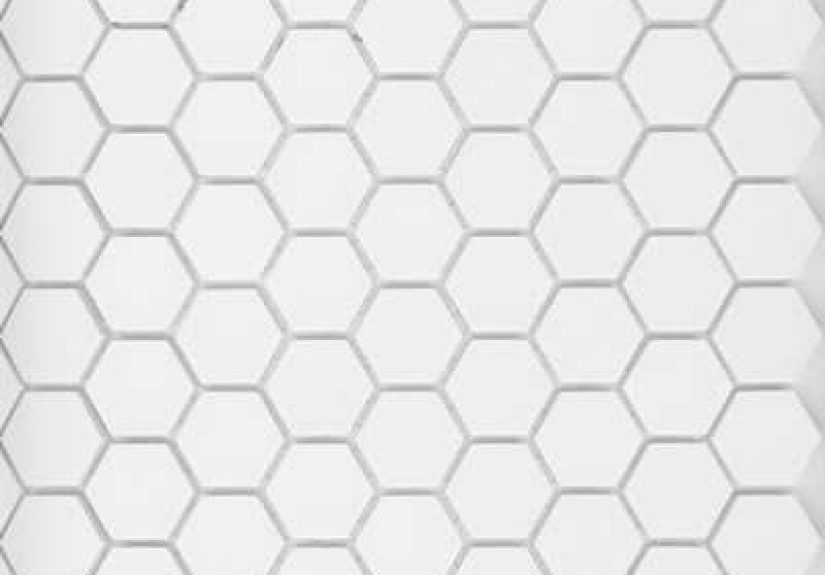
At its core, this is a 1-inch unglazed porcelain hex mosaic tile, typically sold in sheets for easier installation. Historic-style versions are designed to recreate the look of early 20th-century mosaic floors often seen in bathrooms, vestibules, mudrooms, and service spaces.
An archival product listing for this exact “Historic Series Unglazed One-Inch Hex Tile” identified it as a 1-inch unglazed porcelain hex tile, with black and white options and an old listed price (around $10.95 at the time of publication, which should be treated as historical, not current pricing). In other words: this is a classic material, and the listing itself is now basically vintage too.
Quick Product Profile
- Material: Unglazed porcelain mosaic
- Shape: One-inch hexagon (small-format mosaic)
- Common use: Bathroom and utility-area floors, historic-style interiors
- Look: Matte, tactile, understated, period-friendly
- Typical format: Sheet-mounted mosaics for installation
Why One-Inch Hex Tile Still Works So Well
The one-inch hex floor is one of those rare design moves that feels both nostalgic and current. Historic preservation resources note that glazed and unglazed ceramic floor tiles have a long history in U.S. buildings, and guidance for preserving historic ceramic tile floors still matters today because these floors were built to last and often deserve repair or selective replacement instead of full demolition.
Small mosaic formats like hex, penny, and square tiles also became associated with practical, “serviceable” floorssurfaces that could handle moisture, foot traffic, and everyday life while still carrying pattern and style. That combination is a big reason hex tile remains so popular: it’s hardworking without looking boring.
In design terms, one-inch hex tile punches above its weight. The individual pieces are tiny, but together they create texture, movement, and scale. It’s visual detail without visual chaos. Think of it as the tailored blazer of tile: classic, useful, and hard to regret.
Unglazed vs. Glazed: Why the Finish Matters
The word unglazed is doing a lot of work in this product name. Unlike glossy glazed tile, unglazed porcelain mosaics typically have a more natural, matte finish. The color and surface character can read softer and more grounded, which is one reason they pair so well with historic-style interiors.
Specialty sellers of historic-style one-inch hex mosaics often note that darker unglazed colors may not appear as a “true black” because of the unglazed porcelain finish. That’s not a defectit’s part of the charm. You get a more nuanced, old-school look instead of a flat, ink-black modern finish.
Unglazed mosaics are also popular because they can support a wide range of pattern options and coordinated color schemes. Manufacturers and restoration-focused suppliers frequently offer multiple colors, mosaic shapes, and customizable pattern layouts, making it easier to recreate period floors or design a new one with a vintage spirit.
What Homeowners Usually Notice First
- The surface feels more tactile and less slippery-looking than glossy tile.
- Color variation looks intentional and “lived in,” not factory-perfect.
- Grout becomes part of the design, not just the filler between tiles.
- Small tiles create a high-end, detailed appearance even in tiny rooms.
Best Places to Use Historic-Style 1-Inch Hex Tile
This tile is most at home on floors, especially in spaces where you want both traction and a timeless look. It is commonly used in:
- Vintage-inspired bathroom floors (the classic use)
- Powder rooms where pattern can steal the show
- Mudrooms and entryways that benefit from durable porcelain mosaics
- Laundry rooms for a practical but polished finish
- Historic home restorations where scale and pattern accuracy matter
Some hex mosaics are also used in shower floors, but this is where you should slow down and read the specs. Tile safety and suitability are not just about “looks grippy.” TCNA guidance emphasizes that DCOF (dynamic coefficient of friction) is useful information but is not the same thing as slip resistance, and selection should also consider traffic, contaminants, maintenance, surface structure, drainage, and manufacturer recommendations.
Translation: don’t choose a floor tile based only on vibes and a thumbnail photo. Ask for product-use classification, installation guidance, and wet-area suitability before you order.
Design Ideas That Make This Tile Shine
One-inch hex tile can be simple, dramatic, or quietly fancy depending on how you use color and borders. Restoration-focused pattern catalogs show how much flexibility exists even within a “historic” look.
1) Classic White Field with Black Dot Accents
This is the all-time favorite for a reason. It reads clean, bright, and period-correct, especially with white subway tile walls and black trim details. If your goal is “old-house bathroom, but make it intentional,” start here.
2) Rosette or Repeating Motif Patterns
Historic pattern libraries often include single rosette, double rosette, and dot-based variations. These patterns add visual interest without requiring loud color. They’re especially effective in small bathrooms where a little detail goes a long way.
3) Border Framing for a Custom Look
Borders can visually “finish” a room, especially in rectangular bathrooms or entry vestibules. A border pattern can also help disguise slight out-of-square walls by giving the eye a clear visual frame. It’s a smart design trick and a very old one.
4) Monochrome Charcoal or Soft Black
An unglazed charcoal/black hex mosaic can look rich and architectural, especially when paired with warm white walls, brass hardware, or wood vanities. It’s moody in a good waynot “haunted Victorian,” more “tailored boutique hotel.”
Installation Basics: Tiny Tile, Big Attention to Detail
Small mosaics are forgiving in some ways (they conform better to slight contours than large tile), but they also reveal sloppy prep fast. If the substrate is uneven or the sheets aren’t aligned cleanly, the finished floor will tell on you.
Start with Flat, Stable Prep
General tile installation guidance consistently emphasizes measuring carefully, checking floor levelness, and using the correct underlayment. For mosaic tile, a flat and smooth substrate is especially important. In wet areas, cement board and properly treated seams are common parts of the system.
Dry Layout First (Seriously, Do It)
Dry layout isn’t optional if you care about the result. It helps you confirm sheet alignment, centering, border placement, and cut locations before mortar enters the chat. Restoration tile specialists also recommend dry-laying interlocking sheets and reviewing the sheet guide before installation.
For some historic-style paper-mounted mosaics, trimming may involve cutting the mounting paper rather than cutting through the tile sheet itself. Always follow the manufacturer’s instructions for your specific product format.
Mockups Save Money and Regret
Tile industry professionals strongly recommend mockups because they let everyone approve tile range, grout joint appearance, and the overall pattern before the full installation begins. This matters even more for historic-style mosaics, where the “right look” is usually about subtle details.
Grout Choice Matters More Than You Think
With one-inch hex mosaics, grout is a major visual element. TCNA guidance notes that cementitious grout selection depends on joint width: joints smaller than 1/8 inch generally use unsanded grout, while 1/8 inch and larger generally use sanded grout. Check your tile’s actual installed joint size and manufacturer recommendations before choosing.
Also, choose grout color with your eyes, not just the label. A bright white grout can make a floor look crisp and graphic, while a softer gray can hide everyday life (and by “everyday life” I mean shoe traffic, soap residue, and the occasional mystery smudge).
Cleaning, Sealing, and Maintenance for Long-Term Good Looks
A big reason people love porcelain mosaics is that they are generally durable and low maintenance compared with many natural stone options. That said, maintenance still mattersespecially for grout and unglazed surfaces.
Do You Need to Seal It?
In many cases, porcelain tile itself does not need sealing, but grout often does because grout is porous. Some maintenance guides also note that whether tile needs sealing depends on tile type and manufacturer guidance. For unglazed porcelain mosaics, always check the product instructions and test in a discreet spot if a sealer might alter appearance.
Prevent Haze and Buildup Early
Manufacturer FAQs commonly stress thorough post-installation cleaning to remove grout residue. That first cleanup affects how easy the floor is to maintain later. If haze is left behind, the surface can look dull or dirty even when it’s technically clean.
Everyday Cleaning Tips
- Sweep or vacuum regularly to remove grit that can dull the surface over time.
- Use a soft mop and mild cleaner appropriate for ceramic/porcelain tile.
- Dry the floor after mopping if you want to reduce water spots and residue.
- Clean grout gently but consistently before stains set in.
- Avoid harsh abrasives or metal brushes that can damage tile or grout.
Good maintenance is less about expensive products and more about consistency. Hex tile doesn’t demand a spa treatmentjust routine care and a little respect.
Common Mistakes to Avoid With Historic-Style Hex Mosaics
1) Choosing the tile before checking the room conditions
Wet area? Sloped floor? Radiant heat? Historic subfloor? These details affect the installation system and product selection.
2) Skipping layout and ending up with awkward cuts
Tiny tile still needs a plan. A bad layout can make even beautiful mosaics look “off.”
3) Treating grout as an afterthought
Grout color, grout type, and grout cleanup can dramatically change the finished look and long-term maintenance.
4) Assuming all hex mosaics are the same
Historic-style products vary by material, sheet format, thickness, color range, and intended use. Read the specs. Then read them again with coffee.
Who Should Choose Historic Series Unglazed One-Inch Hex Tile?
This tile is a great fit if you want:
- A timeless bathroom floor that won’t look dated in three years
- A period-friendly material for a historic home renovation
- Texture and pattern without flashy colors
- A durable porcelain mosaic for high-use spaces
- A floor that pairs beautifully with subway tile walls and vintage fixtures
It may be less ideal if you want ultra-minimal, grout-free visuals or the fastest possible DIY install. One-inch hex tile rewards patience, precision, and people who enjoy details.
Final Thoughts
The beauty of Historic Series Unglazed One-Inch Hex Tile is that it doesn’t rely on novelty. It relies on proportion, material honesty, and proven performance. It has the kind of design confidence that comes from being useful first and beautiful secondthough, honestly, it’s pretty great at both.
Whether you’re restoring a 1920s bath, building a new powder room with vintage character, or just trying to choose a floor that will age gracefully, unglazed one-inch hex tile is one of the smartest options on the board. Small tile. Big legacy. Very little ego.
Experiences With Historic Series Unglazed One-Inch Hex Tile (Extended Notes)
Homeowner and installer experiences with historic-style unglazed one-inch hex tile tend to follow a pattern: people choose it for looks, then end up respecting it for performance. A common story starts with someone renovating a small bathroom in an older home. They originally plan for a larger-format tile because it seems easier, then switch to one-inch hex after realizing big tiles look visually “off” with pedestal sinks, narrow rooms, or traditional trim. Once installed, the hex floor often makes the whole space feel more authenticeven if every other element is brand new.
Another frequent experience is surprise at how much grout influences the final appearance. Homeowners expecting a bright white floor sometimes choose a warm gray grout and love the softer, vintage look. Others go bright white and then realize maintenance routines matter more than they expected. Neither choice is wrong; it just proves that with mosaic tile, grout is design, not merely a finishing step.
Installers also talk about the importance of sheet alignment. Because the tiles are so small, your eye catches repeating seams if sheets aren’t blended carefully. Pros often “loosen” or adjust individual tiles along sheet edges to hide the grid and make the floor look hand-laid. DIYers who rush this step usually notice the lines lateroften while brushing their teeth and staring directly at the floor in mild regret.
In real-life use, many people appreciate the texture of unglazed mosaics, especially in bathrooms and mudrooms. The floor tends to feel solid and practical underfoot, and it doesn’t show every water spot the way some glossy surfaces do. Darker unglazed colors can look slightly softer than expected (more charcoal than jet black), but many owners end up preferring that natural variation because it feels less stark and more historic.
Maintenance experiences are usually positive when the installation was done correctly and grout cleanup was thorough from the start. People who seal grout as recommended and use gentle cleaning methods tend to report that the floor ages gracefully. The complaints, when they happen, are often tied to residue buildup, poor initial cleanup, or using the wrong cleanersnot the tile itself.
Perhaps the most telling experience is this: homeowners who install one-inch unglazed hex tile for a “temporary” style upgrade often keep it for decades. It blends with changing paint colors, fixtures, and vanity styles better than trend-forward tile choices. In other words, it’s the rare finish that can survive both daily foot traffic and your future design phases. That is not just good tileit’s a minor household miracle.