Table of Contents >> Show >> Hide
- Why a Tomato Trellis Is Worth the Effort
- Do All Tomatoes Need a Trellis?
- When to Install a Tomato Trellis
- Choosing the Best Tomato Trellis Style
- Materials You Can Use
- How to Build a Simple Tomato Trellis
- How Tall Should a Tomato Trellis Be?
- Tips for Training Tomatoes on a Trellis
- Common Tomato Trellis Mistakes to Avoid
- Which Trellis Style Is Best for Home Gardeners?
- Final Thoughts
- Experience and Lessons From Building Tomato Trellises Over Time
- SEO Tags
If your tomato patch turns into a leafy jungle every summer, congratulations: your plants are thriving, and your pathways are doomed. One day you can see the mulch. The next day you are parting tomato vines like you are hiking through a tropical rainforest in flip-flops. That is exactly why a good tomato trellis matters.
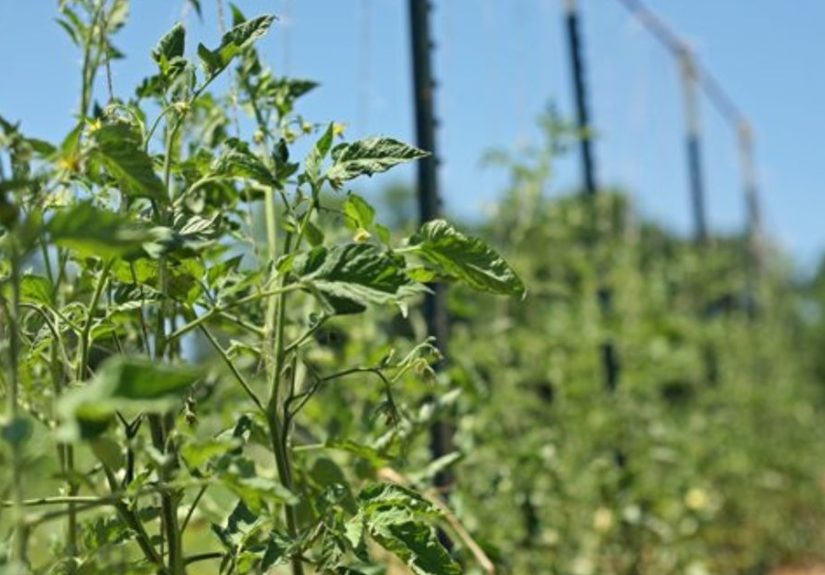
A well-built tomato trellis keeps plants upright, improves airflow, makes harvesting easier, helps fruit stay cleaner, and gives you far fewer “Where did that tomato even come from?” moments. It also makes your garden look wonderfully intentional, even if you built it while holding a drill in one hand and iced tea in the other.
In this guide, you will learn how to build a tomato trellis that is sturdy, practical, and easy to maintain through the season. We will cover which tomatoes need one most, what materials work best, three simple trellis styles, step-by-step building instructions, common mistakes to avoid, and real-life lessons from gardeners who have learned the hard way that tomatoes have absolutely no respect for weak twine.
Why a Tomato Trellis Is Worth the Effort
Tomato plants are ambitious. Give them sunshine, warmth, and decent soil, and they will grow with the confidence of a teenager who just discovered energy drinks. The problem is that tomato vines can become heavy, tangled, and sprawling fast. When fruit and foliage sit on the ground, plants are harder to manage, harder to harvest, and more likely to suffer from rot, pests, and disease problems.
A tomato trellis solves several problems at once. First, it lifts stems and fruit off the soil. Second, it creates better structure so you can prune, water, and harvest without wrestling your plant like it owes you money. Third, it opens up the plant canopy, which improves airflow and light penetration. That matters because dense, wet foliage is basically an engraved invitation for common tomato problems.
There is also the space-saving factor. Growing tomatoes vertically lets you fit more order into a smaller garden. Instead of letting vines flop across neighboring plants like rude houseguests, you direct growth upward where it belongs. Your tomatoes stay happier, and your garden stops looking like it lost a bar fight.
Do All Tomatoes Need a Trellis?
Technically, no. Realistically, most tomatoes benefit from support, and many absolutely need it.
Determinate Tomatoes
Determinate tomatoes grow to a more compact size and produce most of their fruit over a shorter period. These are often easier to manage with sturdy cages or shorter supports. If you are growing paste tomatoes or compact patio varieties, you may not need a large, towering trellis system. Still, some support is smart because fruit-laden branches can topple or split in wind and rain.
Indeterminate Tomatoes
Indeterminate tomatoes are the overachievers of the garden. They keep growing, flowering, and fruiting until frost or disease stops the party. These plants can get tall, wide, and surprisingly heavy. If you grow indeterminate slicers, heirlooms, or cherry tomatoes, a tall trellis is one of the best investments you can make. Without support, they become a sprawling tangle that swallows pathways and your confidence.
As a simple rule, if your tomato variety is tall, vining, or productive all season, build a strong trellis from the start. Your future self will be grateful.
When to Install a Tomato Trellis
The best time to install a tomato trellis is at planting time or very soon after transplanting. This is one of those gardening lessons people tend to ignore exactly once. Waiting until the plant is large makes installation harder, increases the risk of damaging roots, and turns a quick project into a performance piece called I Did Not Think This Through.
Putting the support in early also helps the plant grow into the system naturally. You can guide stems upward from the beginning instead of trying to wrangle a full-grown tomato that has already decided the basil, pepper plants, and one innocent marigold all belong to it now.
Choosing the Best Tomato Trellis Style
There is no single perfect trellis for every garden. The best option depends on how many plants you have, what varieties you are growing, and how much time you want to spend tying and pruning during the season.
1. Single-Stake Trellis
This is the simplest option. Each tomato plant gets one tall stake, and the main stems are tied to it as they grow. It works well for gardeners with just a few plants and for people who do not mind pruning regularly.
Best for: Small gardens, a few indeterminate plants, and gardeners who like a tidy system.
Pros: Affordable, easy to build, minimal materials, neat appearance.
Cons: Requires regular tying and pruning, not ideal for gardeners who forget things for three weeks at a time.
2. Florida Weave Trellis
The Florida weave, also called stake-and-weave, is a favorite for rows of tomatoes. Stakes go along the row, and heavy twine is woven between the plants to hold them upright. It is efficient, cost-effective, and surprisingly sturdy when built correctly.
Best for: Garden rows with several plants, especially determinate tomatoes or moderately vigorous indeterminate types.
Pros: Great for multiple plants, budget-friendly, easier than building individual supports.
Cons: Needs periodic re-weaving as plants grow, twine quality matters a lot.
3. Cattle Panel or Wire Panel Trellis
This is the heavyweight champion of DIY tomato supports. A cattle panel or sturdy wire panel is attached to strong posts, creating a vertical climbing surface. The openings in the panel make it easy to weave stems through as plants grow.
Best for: Indeterminate tomatoes, cherry tomatoes, gardeners who want long-lasting infrastructure.
Pros: Durable, reusable, very strong, excellent airflow and access.
Cons: More expensive up front, heavier materials, not as charming to carry across the yard.
Materials You Can Use
Here are the most practical materials for building a tomato trellis at home:
For Posts and Stakes
- Wooden stakes
- Metal T-posts
- Bamboo poles for lighter-duty support
- Heavy metal garden stakes
For Horizontal Support
- Tomato twine or durable garden twine
- Galvanized wire
- Cattle panels or heavy wire fencing
For Tying Plants
- Soft cloth ties
- Velcro garden tape
- Tomato clips
- Soft jute or synthetic ties that will not cut stems
Avoid flimsy string, weak plastic netting, or any tie material that can bite into stems. Tomato vines may look soft and innocent, but by midsummer they can pull with the determination of a small farm animal.
How to Build a Simple Tomato Trellis
If you want one dependable DIY method for home gardens, build a row trellis using sturdy posts and either twine or a wire panel. It is versatile, long-lasting, and adaptable for a few plants or a full bed.
Option A: Build a Florida Weave Trellis
What you need:
- Strong end posts or T-posts
- Additional stakes placed between plants or every couple of plants
- Heavy tomato twine
- Hammer or post driver
- Scissors or pruners
Step 1: Set your stakes.
Place a strong stake at each end of the tomato row. Add interior stakes along the row so the system has support throughout. Sink them firmly into the ground so they do not wobble. If the trellis feels shaky now, it will feel tragic in August.
Step 2: Plant tomatoes in line with the support system.
Position each transplant close enough to the future support that stems can be guided easily as they grow. Keep spacing appropriate for the variety so you do not trade one problem for another.
Step 3: Begin the first weave.
Once plants reach about 10 to 12 inches tall, tie twine to one end post and run it along one side of the row. Loop around each stake, keeping the twine snug. Then return on the opposite side of the plants, creating a sandwich that holds stems upright.
Step 4: Add more layers as plants grow.
Every time the plants gain another 6 to 8 inches or start leaning, add another level of twine. Keep building upward through the season.
Step 5: Tuck and guide stems.
Gently keep stems inside the weave. Do not cinch twine so tightly that it crushes foliage. The goal is support, not plant yoga.
Option B: Build a Cattle Panel Tomato Trellis
What you need:
- One cattle panel or heavy wire panel
- Two or more strong T-posts or wooden posts
- Heavy-duty zip ties, wire, or panel clips
- Post driver
- Gloves
Step 1: Install the posts.
Drive the posts into the ground so they are deep and stable. This is not the time for optimism and shallow anchoring. A fully loaded tomato trellis is much heavier than it looks.
Step 2: Secure the panel.
Fasten the cattle panel to the posts tightly. The panel should not sway much in wind. If you are building a longer trellis, use additional posts for extra support.
Step 3: Plant tomatoes at the base.
Space plants along the panel and keep them centered so stems can be trained upward.
Step 4: Train the plants.
As vines grow, weave stems through the openings or tie them loosely to the panel. Continue guiding new growth upward every week or so.
Step 5: Prune as needed.
Remove excess suckers if the plant becomes too crowded, especially on indeterminate varieties. Also remove lower leaves that touch the soil to reduce splash-up and improve airflow.
How Tall Should a Tomato Trellis Be?
For indeterminate tomatoes, think tall. A support in the 6- to 7-foot range is often ideal, and even taller can be useful for vigorous cherry or heirloom varieties. Determinate tomatoes can often get by with shorter structures, but “shorter” does not mean “adorable little decorative stick from the craft aisle.” If the support cannot handle a loaded plant after summer storms, it is not enough.
When in doubt, build stronger and taller than you think you need. Nobody has ever walked into the garden in late July and said, “My biggest regret is making this tomato trellis too sturdy.”
Tips for Training Tomatoes on a Trellis
Use Soft Ties
Tie stems loosely so they can expand. A figure-eight tie around a stake works well because it prevents rubbing and keeps stems from being pinched.
Prune with a Purpose
You do not have to turn your tomato into a minimalist sculpture, but selective pruning helps. Remove crowded suckers on staked or trellised indeterminate plants so energy and airflow go where they matter most.
Check Weekly
Tomatoes grow fast in warm weather. Weekly trellis checks help you catch leaning stems, sagging twine, or branches sneaking out of bounds like rebellious teenagers.
Water at the Base
Trellising helps foliage dry faster, but smart watering still matters. Water the soil, not the leaves, and mulch around plants to keep moisture more even.
Common Tomato Trellis Mistakes to Avoid
Installing the Trellis Too Late
This is the classic mistake. By the time many gardeners think, “I should probably support these,” the tomatoes have already launched their own vine-based takeover.
Using Weak Materials
Cheap string, thin stakes, and bargain-bin cages often surrender halfway through the season. Tomato plants gain weight quickly once fruit sets, especially after rain.
Ignoring Variety Size
A compact determinate tomato and a giant indeterminate heirloom do not need the same support. Match the trellis to the plant, not your wishful thinking.
Tying Too Tightly
Stems need room to grow. A tight tie can damage or even girdle the plant over time.
Skipping Maintenance
A trellis is not a “set it and forget it” project. Even a simple system works best when you adjust ties, add support, and prune lightly through the season.
Which Trellis Style Is Best for Home Gardeners?
If you have just a few tomato plants, single stakes or a wire panel trellis are excellent choices. They are easy to manage and keep plants accessible. If you are planting a longer row, the Florida weave offers a smart balance of cost, speed, and support.
For many home gardeners, the wire panel trellis is the sweet spot. It is strong, reusable, and especially good for indeterminate tomatoes that would laugh in the face of weak support. The Florida weave is ideal if you like practical systems and have several plants in a neat row. Single stakes are best if you are growing just a couple of prized tomatoes and do not mind regular pruning.
Final Thoughts
Learning how to build tomato trellis systems is one of those gardening upgrades that pays off immediately. Your plants grow cleaner, your harvest becomes easier, and your garden stops looking like it needs traffic control. More importantly, a proper trellis helps you manage growth before tomato season becomes an untamed botanical drama.
Start with the right structure for your garden size and tomato variety. Install it early, build it stronger than you think you need, and keep up with training as the season moves along. Do that, and you will spend less time rescuing collapsed vines and more time picking glossy, sun-warmed tomatoes for salads, sandwiches, sauces, and those proud little gift bags you hand to neighbors when your garden inevitably produces a little too enthusiastically.
Because that is the thing about tomatoes: once they are happy, they do not believe in moderation. Your trellis should be ready for that.
Experience and Lessons From Building Tomato Trellises Over Time
The first time I built a tomato trellis, I treated it like a casual weekend craft. A few stakes, some string, a hopeful attitude, and absolutely no respect for how quickly tomato plants grow. By early summer, the trellis looked acceptable. By midsummer, it looked concerned. By late July, it looked like it was trying to file a complaint. That season taught me the most useful truth about tomato support: build for August in May.
One of the biggest lessons from experience is that strong materials save time, not just plants. It is tempting to use whatever is already in the garage, especially if it is free. I have done that. I have also watched bargain twine stretch, cheap stakes lean, and flimsy ties snap right after a thunderstorm. Now I would rather spend a little more on sturdy posts and durable twine once than rebuild half the system while holding up tomato vines with my shoulder.
I also learned that early training is dramatically easier than late correction. When plants are small, they are flexible, cooperative, and weirdly polite. You can tuck them where you want them, add loose ties, and shape the plant with minimal stress. Wait too long, and stems become thick, heavy, and strangely determined to grow sideways into every neighboring plant. At that point, “training” feels less like gardening and more like negotiating with a stubborn octopus.
Pruning was another area where experience changed my approach. I used to avoid it because I worried I would ruin the plant. Then I realized that selective pruning is not about making the tomato smaller for no reason. It is about keeping the plant manageable, airy, and productive. Removing crowded suckers and a few lower leaves made harvesting easier and the whole bed look healthier. The difference was especially noticeable in humid weather, when dense growth can turn a tomato row into a damp green traffic jam.
The trellis style matters too. In small spaces, I have found that a wire panel trellis feels almost luxurious. Fruit is easier to spot, ties are simpler to adjust, and the whole setup feels organized. For longer rows, the Florida weave is practical and fast, especially once you get the rhythm of it. The mistake is assuming one system fits every garden. It does not. A few large heirlooms, a bed of paste tomatoes, and a jungle of cherry tomatoes each behave differently, and your support system should respect that.
Most of all, building tomato trellises over several seasons has made gardening more enjoyable. The plants are easier to monitor, watering feels less chaotic, and harvesting becomes a pleasure instead of a treasure hunt. A good trellis does not just hold up vines. It changes the whole gardening experience. It turns a patch of sprawling enthusiasm into something productive, manageable, and genuinely beautiful. And once you have picked ripe tomatoes from a sturdy, well-trained row instead of crawling through a leafy mess, it is hard to go back. The tomatoes still act dramatic, of course. But at least now they do it in an orderly fashion.