Table of Contents >> Show >> Hide
- Before You Cook: Know Your Crab (and Your Mission)
- Shopping, Storing, and Thawing Like a Pro
- Tools That Make You Look Like You’ve Done This Before
- The Best Ways to Cook Red King Crab
- Timing Cheat Sheet (Quick Reference)
- Flavor Upgrades (Because Butter Alone Is Great… But We Can Evolve)
- How to Crack King Crab Legs Without Starting a Seafood Wrestling Match
- What to Serve With Red King Crab
- Food Safety and Leftovers (Yes, This Matters Even When Butter Is Involved)
- Common Mistakes (and How to Avoid Them)
- of Real-World Crab Experience (So You Can Skip My Mistakes)
- Conclusion
Red king crab is the “special occasion” seafood that somehow turns a random Tuesday into a candlelit event.
The good news: you don’t need chef whites, a culinary degree, or a dramatic soundtrack to cook it at home.
The even better news: most red king crab you buy is already cooked and frozen, which means your real job is
reheating it gentlynot “cooking” it into a sad, rubbery memory.
This guide walks you through how to cook red king crab legs (and clusters) using the most reliable methods:
steaming, boiling, baking, broiling, grilling, and a sneaky microwave technique that’s shockingly legit.
You’ll also get a time-and-temp cheat sheet, butter sauce upgrades, cracking tips, and what to do with leftovers
(assuming you have any… bold).
Before You Cook: Know Your Crab (and Your Mission)
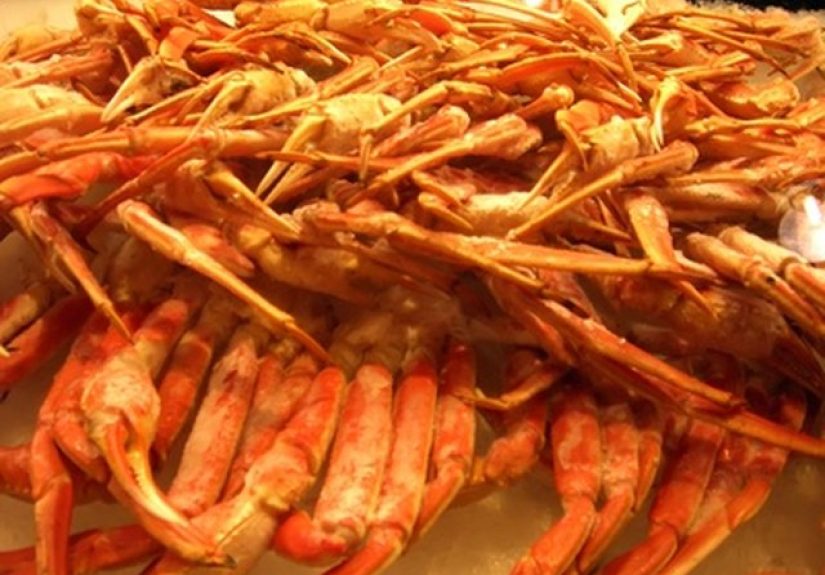
“Red king crab” usually means Alaska red king crab legsbig shells, sweet rich meat, and a price tag that
encourages deep breathing. Here’s the key detail that changes everything:
most king crab legs sold in U.S. stores are pre-cooked and flash frozen. So your goal is to warm
them through without overcooking. Think: “hot spa day,” not “volcano.”
If you somehow scored raw king crab (rare outside certain coastal markets or specialty sources),
you’ll need longer cook times and you should cook to safe doneness. If you’re not sure which you have:
bright red/orange shells usually indicate pre-cooked. Raw crab tends to look more brownish/gray
and won’t have that classic cooked-crab aroma until it’s actually cooked.
Shopping, Storing, and Thawing Like a Pro
Buying tips (so you don’t accidentally adopt a science experiment)
- Frozen is normal. “Fresh” crab legs at the seafood counter are often previously frozen and thawed.
- Look for intact shells with minimal freezer burn (excessive ice crystals can mean dehydration).
- Trust your nose. Spoiled seafood can smell sour, rancid, fishy, or ammonia-likedon’t gamble on it.
- Portion planning: for king crab legs, a common rule is about 1 pound per person (more if your crowd is enthusiastic).
How to thaw crab legs safely (without ruining texture)
Best texture comes from a slow thaw. Move crab legs from freezer to refrigerator and let them thaw overnight.
If you need speed: seal them in a bag and submerge in cold water, or use the microwave defrost setting only
if you’ll cook immediately afterward.
If you’re cooking from frozen, you can absolutely do itjust expect longer times and slightly higher risk of
drying the outer meat before the center warms. (Still delicious. Just… stay attentive.)
Tools That Make You Look Like You’ve Done This Before
- Kitchen shears (the MVP for clean cuts down the shell)
- Seafood crackers or a nutcracker (for thick knuckles/claws)
- Tongs (because steam burns are not a personality)
- Sheet pan + foil (for baking/broiling)
- Steamer basket or rack (even a makeshift foil “rack” works)
- Instant-read thermometer (optional but confidence-boosting)
The Best Ways to Cook Red King Crab
Below are the most practical methods for pre-cooked red king crab legs. If your crab is thawed,
use the shorter times; if frozen, add time and keep the heat gentle.
1) Steaming (best all-around for juicy meat)
Steaming warms crab evenly and helps preserve that sweet, buttery texture. It’s the method people recommend
when they’ve been burned (emotionally) by over-boiled crab.
- Add about 1 inch of water to a large pot and bring to a strong simmer/boil.
- Insert steamer basket or rack so the crab stays above the water.
- Add crab legs, cover with a lid.
- Steam until hot: about 5 minutes for thawed legs; 6–10 minutes for frozen depending on thickness.
- Serve immediately with melted butter and lemon.
2) Boiling (fast, easy, and slightly messier)
Boiling works, but it’s easier to overdo. Keep the timing tightyour crab is already cooked.
- Bring a large pot of water to a boil. Season lightly if you want (Old Bay + lemon is classic).
- Add crab legs and return water to a lively simmer.
- Heat 4–6 minutes for thawed legs; longer for frozen.
- Remove with tongs, drain, and serve.
3) Baking (great for big batches, hands-off)
Baking is basically “oven steaming,” which is perfect when your stovetop is busyor when your pot is comically
too small for king crab legs (a common modern tragedy).
- Preheat oven to 350°F.
- Place legs in a large baking dish or roasting pan.
- Add about 1/2 inch of hot water to the bottom.
- Cover tightly with foil.
- Bake 8–10 minutes for thawed; add time if frozen.
4) Broiling (for browned edges and “restaurant vibes”)
Broiling is quick and flavorful, but it goes from “beautifully bronzed” to “why is my dinner yelling at me?”
if you wander off.
- Set oven to broil. Position rack about 5–7 inches from the heat.
- Arrange crab legs on a sheet pan. Brush with melted butter or oil.
- Broil 3–4 minutes, flip, then broil another 3–4 minutes.
- Finish with lemon juice, flaky salt, and more butter because yes.
5) Grilling (summer mode: activated)
Grilling adds smoky flavor and turns dinner into an event. A foil packet helps keep the meat moist.
- Heat grill to medium (around 350°F).
- Brush legs with butter/oil, or seal in a foil packet with seasoning.
- Grill about 5 minutes per side (or follow foil-packet timing: shorter if thawed, longer if frozen).
- Pull when hot throughout and aromatic.
6) Microwave steaming (shockingly effective in a pinch)
If you just gasped, it’s okaytake a sip of water. The microwave method works because it creates steam and
warms quickly. It’s best for smaller portions.
- Break legs into sections so they fit.
- Wrap in very damp paper towels, then wrap tightly (microwave-safe) to trap steam.
- Microwave on high for about 2 minutes (adjust for your microwave and portion size).
- Unwrap carefullyhot steam is sneaky.
Timing Cheat Sheet (Quick Reference)
| Method | Thawed Legs (Typical) | Frozen Legs (Typical) | Best For |
|---|---|---|---|
| Steaming | ~5 minutes | ~6–10 minutes | Best texture, minimal dilution |
| Boiling | ~4–6 minutes | ~8–12 minutes | Fast, simple |
| Baking (covered, 350°F) | ~8–10 minutes | ~12–18 minutes | Big batches, hands-off |
| Broiling | ~3–4 min/side | Not ideal (edges dry fast) | Browning + flavor |
| Grilling | ~5 min/side | ~8–10 minutes (foil packet helps) | Smoky flavor |
| Microwave (steaming wrap) | ~2 minutes | Not recommended | Small portion, fastest |
Flavor Upgrades (Because Butter Alone Is Great… But We Can Evolve)
Classic lemon-garlic butter sauce
- 1 stick unsalted butter
- 1–2 cloves garlic, finely grated
- 1–2 teaspoons lemon juice + a little zest
- Chopped parsley (optional but classy)
- Pinch of cayenne or smoked paprika (optional but fun)
- Melt butter gently (don’t brown unless you want a nutty vibe).
- Stir in garlic for 30 seconds off-heat (garlic burns fast and holds grudges).
- Add lemon and seasonings. Serve warm.
Seasoning ideas that play nice with red king crab
- Old Bay or a seafood seasoning blend
- Cajun seasoning (go easy; crab is sweet, not a punching bag)
- Dill + lemon (fresh, bright, coastal energy)
- Garlic + black pepper (simple, bold, always invited)
How to Crack King Crab Legs Without Starting a Seafood Wrestling Match
- Separate at the joints firstmost legs twist apart easily.
- Use kitchen shears to cut a line down the shell lengthwise.
- Peel the shell back and pull out the meat in one glorious piece when possible.
- For knuckles/claws: use a cracker or a firm whack with the back of a spoon (controlled chaos).
- Keep a small fork nearby for the last stubborn bits (they’re the best bites anyway).
What to Serve With Red King Crab
Red king crab is rich, so sides should either soak up butter or brighten the plateor both, because you
contain multitudes.
- Starchy side: roasted potatoes, buttered noodles, crusty bread, or corn on the cob
- Green side: asparagus, green beans, a crisp salad, or roasted Brussels sprouts
- Acid side: lemony slaw, pickled onions, or a vinaigrette salad to cut richness
- Drinks: chilled Chardonnay, Sauvignon Blanc, a light lager, or sparkling water with lemon
Food Safety and Leftovers (Yes, This Matters Even When Butter Is Involved)
Handle crab like the premium protein it is: keep it cold until cooking, thaw safely, and don’t let it lounge
at room temperature for hours like it’s on vacation.
- Thaw safely: refrigerator overnight is best; cold-water thaw works faster; microwave defrost only if cooking immediately.
- Cook raw seafood properly: most seafood is considered done around 145°F internal temperature (or until flesh is firm and opaque).
- Leftovers: refrigerate promptly and reheat thoroughly; if reheating leftovers, aim for 165°F.
Leftover ideas (a.k.a. “tomorrow’s flex”)
- Crab mac and cheese (life-changing, not exaggerating)
- Crab fried rice with scallions and a squeeze of lemon
- Crab omelet with chives and crème fraîche
- Crab salad rolls (New England energy, no airfare required)
Common Mistakes (and How to Avoid Them)
- Overcooking: the #1 reason crab turns tough. Remember: most legs are already cooked. You’re warming.
- Aggressive boiling: a hard rolling boil can knock legs around and encourage waterlogging. Simmer gently.
- Over-salting: crab is naturally briny. Season the butter more than the water.
- Skipping the shears: cracking thick shells with brute force is how butter ends up on the ceiling.
of Real-World Crab Experience (So You Can Skip My Mistakes)
The first time I made red king crab at home, I treated it like pasta: huge pot, aggressive boil, and a
“we’ll see what happens” attitude. What happened was… edible crab, surebut the meat was a little dry and
I somehow managed to splash crab-scented water onto my shirt in a pattern that looked like modern art.
My takeaway: king crab doesn’t need drama. It needs gentle heat.
The second time, I tried steaming. Suddenly everything made sense. The kitchen smelled like a fancy seafood
place, the meat stayed juicy, and cleanup didn’t feel like a punishment. Steaming also made it easier to
time the meal: you can have butter melting, lemon wedges cut, and sides ready while the crab warms.
Pro tip: set the table first. Crab legs are not the moment to realize your napkins are buried behind a
drawer full of takeout menus.
Then there was my “broil for flavor” phase. Broiling is amazinguntil you forget that broilers run hot and
time moves differently when you’re scrolling for “perfect crab butter sauce” ideas. If you broil, stay close.
Treat it like toast: you never walk away from toast if you want toast. Otherwise you get… charcoal
confidence-building exercises.
My favorite hosting move now is the oven-bake method in a big roasting pan. It’s the least chaotic option
for a group because you can cook a lot at once and keep it warm for a few minutes without panicking.
I add hot water to the bottom, tent with foil, and bake while everyone arrives. When it’s ready, I bring
out a “crab toolkit”: kitchen shears, a couple crackers, small forks, and a bowl for shells. The shell bowl
matters more than you think. Without it, shells multiply across the table like they’re starting a new
civilization.
The biggest lesson, though, is psychological: red king crab feels intimidating because it’s expensive and
impressive. But the cooking part is simple. If you focus on gentle reheating, you’re basically guaranteed
success. The rest is just making it funserve with lemon, butter, maybe a little Old Bay, and let people
get hands-on. It’s dinner and an activity. And if anyone complains about having to crack shells, hand
them the shears and remind them: “Luxury requires a tiny bit of effort.” Then smile like you planned that line.
Conclusion
If you remember only one thing, make it this: cooking red king crab is mostly about not overcooking.
Steam for the best texture, boil for speed, bake for batches, broil for browning, and grill for smoky flair.
Pair it with a buttery sauce and something bright (lemon is basically mandatory), and you’ll have a seafood
dinner that feels like a vacationminus the airport snacks.