Table of Contents >> Show >> Hide
- What Are Bagworms?
- How to Get Rid of Bagworms: 14 Steps
- Step 1: Confirm That You Really Have Bagworms
- Step 2: Check the Severity of the Infestation
- Step 3: Understand the Bagworm Life Cycle
- Step 4: Start With Hand-Picking if You Catch Them Early
- Step 5: Dispose of the Bags Properly
- Step 6: Inspect Nearby Host Plants
- Step 7: Do Not Spray Too Early
- Step 8: Use Bt on Small Bagworms
- Step 9: Consider Spinosad if the Larvae Are a Bit Larger
- Step 10: Use Contact Insecticides Only When Needed
- Step 11: Spray Thoroughly and at the Right Time of Day
- Step 12: Do Not Rely on Soil Treatments for This Problem
- Step 13: Help Your Plants Recover
- Step 14: Make Next Year’s Prevention Plan Now
- Common Mistakes to Avoid
- When to Call a Professional
- Real-Life Experience: What a Bad Bagworm Season Actually Feels Like
- Conclusion
Bagworms are the kind of yard pest that can make a healthy evergreen look like it lost a bet. One minute your arborvitae is lush and proud. The next, it is covered in what look like tiny pinecone purses, and the needles are disappearing fast. If you have spotted these strange little bags on juniper, arborvitae, cedar, cypress, spruce, or even some deciduous trees, you are probably dealing with bagworms.
The good news is that you can control them. The even better news is that you do not need to panic-buy every spray bottle at the garden center. The best way to get rid of bagworms is to combine timing, inspection, hand removal, and smart treatment choices. In other words, this is a “work smarter, not harder” pest problem.
This guide walks you through exactly how to get rid of bagworms in 14 practical steps. You will learn what they are, when they hatch, which plants they love most, when hand-picking works, when to spray, and what mistakes tend to make the infestation worse. Let’s rescue your shrubs before they end up looking like crispy green skeletons.
What Are Bagworms?
Bagworms are caterpillars, not worms. They build protective bags from silk and bits of the plant they are feeding on, which helps them blend in like tiny, destructive camouflage experts. These pests are especially damaging on needled evergreens because heavy feeding can strip plants fast, and evergreens do not always bounce back well from severe defoliation.
One reason bagworm control feels tricky is that they hide inside those bags for most of their lives. Adult females never leave the bag. They stay tucked inside, lay eggs there, and the eggs overwinter in that same bag until the next season. That means the ugly little bags you ignore this winter can become next year’s invasion force. Not ideal.
How to Get Rid of Bagworms: 14 Steps
Step 1: Confirm That You Really Have Bagworms
Before you go full yard-warrior mode, make sure the pest is actually bagworm. Look for spindle-shaped or cone-shaped bags hanging from twigs and branches. They are usually made of silk, needles, leaf bits, and other plant debris. On evergreens, people often mistake them for tiny cones or dead brown clumps.
If you gently tug one and it is firmly attached, or if you see a little caterpillar head peeking out from the top, that is your culprit. Bagworms are most common on arborvitae, juniper, cedar, Leyland cypress, and similar evergreens, though they can show up on deciduous trees too.
Step 2: Check the Severity of the Infestation
Count what you see. A few bags on a small shrub is a very different problem from hundreds on a tall hedge row. Light infestations can often be controlled by hand removal alone. Heavy infestations usually require a combination of removal and treatment, especially if the plant is already showing browning or thinning foliage.
Pay special attention to the upper sections of the plant. Bagworm feeding often starts where people do not notice it right away. That is classic bagworm behavior: stay hidden, snack aggressively, ruin your weekend.
Step 3: Understand the Bagworm Life Cycle
If you want real bagworm control, timing matters more than brute force. Bagworms overwinter as eggs inside the female bag. In late spring to early summer, the eggs hatch and tiny larvae emerge. These baby bagworms may crawl to nearby foliage or drift on silk strands to new plants.
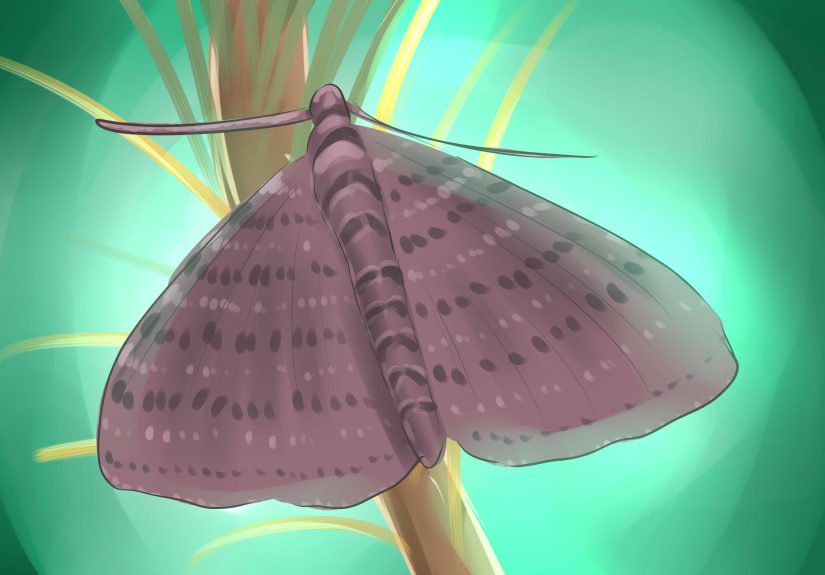
Once they start feeding, they build and enlarge their bags through the summer. By late summer, mature larvae attach the bag firmly to a branch and pupate. Adult males emerge as moths, while females stay inside the bag. After mating, females lay hundreds of eggs in the bag and die. That means one bag left behind is not just one pest. It can be a whole future population waiting for spring.
Step 4: Start With Hand-Picking if You Catch Them Early
If the infestation is light and the plant is small enough to reach safely, hand-picking is one of the best bagworm control methods. It is simple, cheap, and surprisingly effective. Pull the bags off the branches and destroy them.
The best time to do this is in fall, winter, or early spring before the eggs hatch. Still, do not let perfection bully you into inaction. Removing bags at any time helps reduce numbers. Just make sure you do not casually drop them under the shrub and call it a win. That is not pest control. That is relocation.
Step 5: Dispose of the Bags Properly
After removal, seal the bags in a trash bag and discard them, or destroy them according to local guidance. Do not leave them in a yard-waste pile next to the plant. If they still contain eggs or living insects, you may be saving the enemy for later.
Use gloves if you like, and bring hand pruners or scissors if the bags are tightly anchored with silk. Bagworms can attach themselves more firmly than you would expect from something that looks like a crunchy ornament.
Step 6: Inspect Nearby Host Plants
Bagworms do not always stop at one shrub. Check nearby host plants, especially juniper, arborvitae, cedar, cypress, pine, spruce, and similar landscape evergreens. They may also appear on maple, oak, locust, sycamore, willow, and other broadleaf plants.
If one side of your landscape is infested, treat that whole zone like a suspicious crime scene. The plant that looks “fine for now” may just be a few bag sizes behind.
Step 7: Do Not Spray Too Early
One of the biggest mistakes homeowners make is spraying before the eggs have hatched. That wastes time, money, and product. The best window for treatment is when larvae are newly hatched and still small.
In many areas, that means late spring to early summer. Local extension guidance often recommends watching for signs such as blooming catalpa trees or Japanese tree lilacs, or simply inspecting conifers for tiny new bags and active feeding. The exact timing varies by region and weather, so scouting beats guessing every time.
Step 8: Use Bt on Small Bagworms
If you want a more targeted option, products containing Bacillus thuringiensis var. kurstaki, commonly called Bt or Btk, are a strong choice when bagworms are small. Bt works best on young caterpillars that are actively feeding. Once the bags get larger, Bt becomes less effective.
This is the moment to be efficient, not sentimental. Tiny bagworms are much easier to kill than older ones. Spray thoroughly so the product reaches the feeding sites. If the label allows, a repeat application may be needed during hatch and early feeding periods.
Step 9: Consider Spinosad if the Larvae Are a Bit Larger
Spinosad is another commonly recommended option for bagworm treatment and is often effective when timing is right. For many homeowners, it is a practical choice if Bt timing was missed or if the infestation is already underway but the larvae are still feeding.
Always read the label carefully and make sure the product is labeled for bagworms and for the plant you are treating. That label is not decorative. It is the boss.
Step 10: Use Contact Insecticides Only When Needed
If bagworms are larger and causing obvious damage, a labeled contact insecticide may be necessary. Depending on the product and your location, active ingredients such as permethrin, cyfluthrin, lambda-cyhalothrin, acephate, or carbaryl may appear on labels for bagworm control.
But here is the catch: broad-spectrum insecticides can also harm beneficial insects and may trigger secondary problems, including spider mite outbreaks on certain evergreens. So do not reach for the strongest rescue treatment first just because it sounds dramatic. Use the least disruptive effective option you can.
Step 11: Spray Thoroughly and at the Right Time of Day
Coverage matters. Bagworms are sheltered by their bags, so sloppy spraying is a classic way to spend money and still lose the battle. Thoroughly coat the foliage where larvae are feeding, including outer and upper plant surfaces if you can reach them safely.
Many experts suggest spraying later in the day when conditions are calmer and beneficial insects are less active. Follow the product directions exactly for timing, rate, protective gear, and reapplication intervals.
Step 12: Do Not Rely on Soil Treatments for This Problem
Homeowners sometimes hope a soil drench will magically solve everything. For bagworms, that is usually wishful thinking in a nice bottle. Some extension guidance notes that soil-applied neonicotinoids provide poor control and should not replace properly timed foliar sprays.
Bagworm control is really about catching larvae early and putting the treatment where the feeding happens. No shortcuts, no magic beans.
Step 13: Help Your Plants Recover
After the infestation is controlled, give your shrubs and trees a little recovery support. Water during dry periods, mulch properly, and avoid unnecessary stress. Do not overfertilize in a panic. A stressed plant needs steady care, not a motivational speech and a bucket of nitrogen.
Bagworm-damaged deciduous plants often recover better than evergreens. Evergreens can lose large sections permanently, especially if defoliation was severe. Prune dead branches once you are sure they will not recover.
Step 14: Make Next Year’s Prevention Plan Now
The smartest way to get rid of bagworms is to reduce the odds of another outbreak. Inspect your landscape in fall and winter. Remove every bag you can find. Check susceptible plants in spring for hatch. Keep notes on when you first saw activity this year so you are ready next season.
If you had a serious infestation, set a reminder to scout in late spring. Bagworm prevention is not glamorous, but it beats watching a row of arborvitae get shaved like bargain-bin topiary.
Common Mistakes to Avoid
- Ignoring old bags in winter and early spring
- Spraying before eggs hatch
- Waiting until late summer, when large bagworms are much harder to control
- Missing nearby host plants
- Using broad-spectrum insecticides too quickly and creating secondary pest issues
- Assuming evergreens will fully recover on their own
When to Call a Professional
If the infested plants are tall, numerous, or already badly damaged, a licensed arborist or pest management professional may be the better move. Large shrubs and trees are hard to cover thoroughly with homeowner equipment, and safe application matters. There is no shame in outsourcing a job that involves ladders, dense hedges, and angry insects hiding in camouflage sleeping bags.
Real-Life Experience: What a Bad Bagworm Season Actually Feels Like
If you have never dealt with bagworms before, the first experience is weirdly sneaky. Most people do not notice them when they are tiny. They notice the aftermath. A patch of brown on the arborvitae. A section of juniper that suddenly looks thin. A few odd little bags that seem decorative until you realize the decoration is alive and has terrible intentions.
A common homeowner story goes like this: you see one or two bags and think, “Huh, strange.” Then you take a closer look and realize there are not two. There are two hundred. They are on the front hedge, the side planting, and somehow also the cedar by the mailbox. Suddenly you are standing in the yard with pruners in one hand and a trash bag in the other, questioning your landscaping choices.
The frustrating part is that bagworm damage often looks worse before you understand what caused it. Evergreens may brown from the top down, and by the time the bags are obvious, the caterpillars may already be bigger and harder to control. That is why so many people feel like the infestation appeared “overnight.” It usually did not. The bagworms were just good at hiding in plain sight.
Another real-world lesson is that hand-picking works better than people expect. It is not glamorous work, but removing dozens or even hundreds of bags in the off-season can dramatically cut the number that hatch later. Homeowners who make winter inspection a habit often have much better results the following year. It is one of those rare gardening chores where being annoyingly thorough actually pays off.
Timing sprays is also one of those lessons people remember forever after one bad season. If you spray too early, nothing happens. If you spray too late, also not great. But if you catch newly hatched larvae while they are still small and actively feeding, the difference is huge. Suddenly the problem feels manageable instead of apocalyptic.
Many gardeners also learn that bagworms are not just a “one plant” issue. You treat the arborvitae, then notice a few on the juniper. You check the juniper and find some on the cedar. The next thing you know, your casual five-minute inspection has turned into a full landscape survey worthy of a detective show. That is normal. Bagworm control rewards people who keep looking.
Perhaps the biggest experience-based takeaway is this: consistency beats panic. The homeowners who do best are not always the ones with the fanciest products. They are the ones who inspect regularly, remove old bags, scout at the right time, and treat early if needed. Bagworms are stubborn, but they are not unbeatable. Once you understand their schedule, you stop playing defense and start getting ahead of them.
Conclusion
If you are wondering how to get rid of bagworms, the answer is not one dramatic trick. It is a practical, seasonal strategy. Identify the pest correctly, inspect your landscape carefully, remove bags whenever possible, and treat young larvae at the right time with the least disruptive effective product. That combination gives you the best chance of saving susceptible evergreens and preventing another outbreak next year.
Bagworms may be masters of camouflage, but they are not invincible. A little vigilance, good timing, and a refusal to ignore those suspicious “pinecones” can go a long way.