Table of Contents >> Show >> Hide
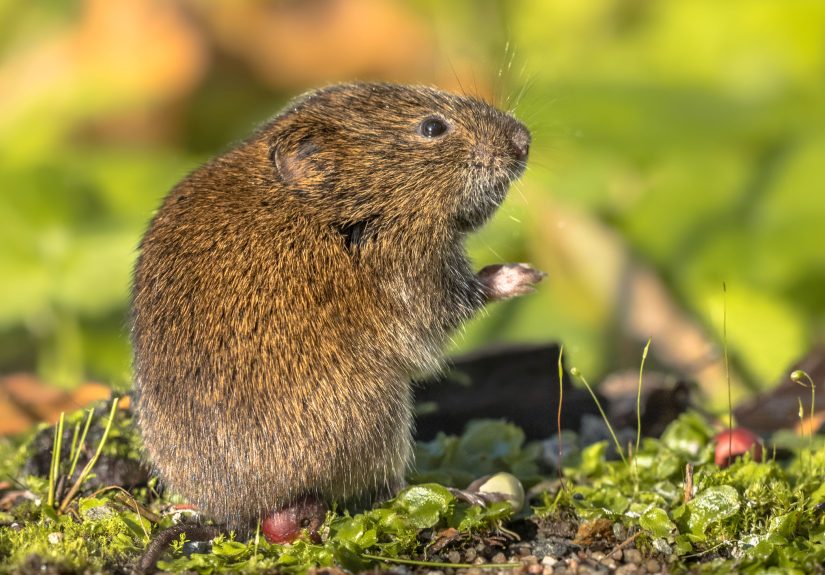
If you’ve ever had the pleasure of discovering vole tunnels weaving through your garden or lawn, you know how damaging these tiny creatures can be. Voles, sometimes called meadow mice, may seem harmless, but their ability to destroy plants, damage tree roots, and even cause structural issues in gardens makes them a nuisance. The good news? You don’t have to resort to harsh chemicals or traps. There are plenty of natural ways to deter these pesky rodents while keeping your garden safe. Here are 8 effective natural solutions to get rid of voles and prevent future infestations.
1. Plant Vole-Repelling Vegetation
The first line of defense against voles can be found in your garden. Certain plants naturally repel voles due to their strong scents or unpalatable taste. Some of the best vole-repelling plants include:
- Castor Bean Plant: Known for its strong scent, this plant is highly effective at repelling voles.
- Garlic: Voles dislike the pungent odor of garlic, making it a great natural repellent when planted or used as a garlic spray.
- Alliums: These ornamental onions, including garlic and leeks, have a strong aroma that voles avoid.
By planting these vole-repelling species in your garden’s borders or areas prone to infestation, you can create a natural barrier that discourages voles from setting up shop.
2. Use Natural Repellents
If you’re not into planting new vegetation, natural repellents can also do the trick. You can purchase natural vole repellents or make your own at home. Some effective DIY solutions include:
- Castor Oil Spray: Mixing castor oil with water and a few drops of dish soap creates a repellent spray that makes the area undesirable for voles.
- Hot Pepper and Garlic Spray: Blend hot peppers and garlic with water to create a spicy, pungent spray that voles will avoid.
- Ammonia-soaked Rags: Place ammonia-soaked rags near vole burrows or along the borders of your garden to create an unpleasant environment.
These natural sprays work by overwhelming the vole’s sensitive sense of smell, making them uncomfortable enough to find a new home.
3. Introduce Predators
One of the most natural ways to get rid of voles is by inviting their predators into your garden. Animals like owls, hawks, and snakes are natural vole hunters, and their presence can help reduce vole populations. If you want to encourage these predators, try:
- Building Owl Houses: Owls are known for their voracious appetite for voles. By providing a comfortable home for an owl, you’ll attract these efficient hunters.
- Creating a Habitat for Snakes: Certain species of snakes, like garter snakes, feed on voles. If your area is suitable for them, these helpful reptiles can reduce your vole problem.
These natural predators will help keep vole numbers in check, reducing the need for direct intervention.
4. Create Physical Barriers
Building a physical barrier around your garden or plants can effectively deter voles from entering your property. Consider:
- Wire Mesh Fencing: Install wire mesh around the base of trees or garden beds to prevent voles from tunneling into the roots. Make sure the mesh is buried several inches into the ground, as voles are skilled diggers.
- Vole-Proof Plant Cages: For vulnerable plants, such as young fruit trees or vegetables, consider using mesh plant cages to protect them from vole damage.
While building barriers takes some effort, it’s a long-term, natural solution that helps keep voles out without harming them or your plants.
5. Encourage Healthy Soil and Grass
Voles prefer environments with lush, moist soil and abundant ground cover to hide under. By creating an environment that is less appealing to them, you can reduce their chances of settling in. To do this:
- Maintain Healthy Grass: Healthy, well-maintained lawns are less inviting to voles. Mow your lawn regularly to discourage voles from burrowing.
- Improve Drainage: Volves prefer moist areas. By ensuring proper drainage in your garden beds and lawns, you make the environment less suitable for them.
In addition to preventing vole invasions, these strategies also help improve your garden’s overall health.
6. Use Natural Traps
If you prefer a more hands-on approach, natural traps can help reduce vole populations without using harmful chemicals. Some effective traps include:
- Live Traps: Live traps allow you to catch voles without killing them. Once captured, you can release them away from your garden.
- Bucket Traps: A bucket trap involves placing a bucket in an active vole tunnel with a ramp leading up to it. When the vole enters, it falls into the bucket, where it can be removed.
While these methods may take more time, they offer a humane way to manage voles without causing them harm.
7. Remove Food Sources
Voles are drawn to gardens because of the abundant food supply, especially bulbs, tubers, and tender plant roots. By reducing food sources, you can make your garden less attractive to voles. Some tips include:
- Store Bulbs Properly: Avoid leaving bulbs out in the open where voles can access them. Instead, store them in airtight containers until planting season.
- Clear Fallen Fruits: Voles love fruits like apples and pears. Picking up fallen fruit regularly will help remove food sources.
By reducing the availability of food, you encourage voles to move on in search of better dining options.
8. Keep Your Garden Clean
A cluttered garden with piles of leaves, dead plants, and overgrown grass is a perfect place for voles to thrive. Keeping your garden tidy will help reduce their hiding places. Regularly remove:
- Dead leaves
- Excess mulch
- Overgrown plants or weeds
By maintaining a neat garden, you take away potential nesting spots and make it less likely that voles will settle in.
Conclusion
Voles may be small, but they can wreak havoc on your garden and landscape. The good news is that with these 8 natural solutions, you can reduce their impact without the use of toxic chemicals or harmful traps. From planting vole-repelling vegetation and using natural repellents to encouraging predators and keeping your garden tidy, these methods provide a holistic and humane approach to vole control.
So, the next time you spot a vole or two, don’t panic. Try one or more of these natural solutions to keep your garden safe and healthy.
Experiences with Vole Control
Over the years, I’ve tried several methods to combat voles, and I’ve learned a lot about what works and what doesn’t. One experience stands out in particularusing castor oil spray was a game-changer. Initially, I wasn’t sure if it would work, but after a few applications around the perimeter of my garden, I noticed a significant reduction in activity. The voles simply didn’t want to stick around.
Another method I tried was using owl houses to attract predators. At first, I wasn’t sure how successful it would be, but after a few weeks, I noticed a couple of owls roosting nearby. It seemed like the voles were being kept at bay, and I never saw as many tunnels or damage in my garden again.
Overall, it’s clear that there’s no one-size-fits-all solution when it comes to vole control. However, by combining different natural methods, I was able to protect my garden from these pesky creatures and maintain a healthy, vole-free environment.