Table of Contents >> Show >> Hide
- Why a Cheap Light Fixture Makeover Works So Well
- Before You Start: Know What You Can Safely Update
- Budget Supplies You Actually Need
- The Easiest Ways to Give a Light Fixture a New Look for Pennies
- How to Spray Paint a Light Fixture the Right Way
- Cheap Design Ideas That Make a Big Difference
- Mistakes to Avoid During a DIY Light Fixture Makeover
- When It Is Smarter to Replace the Fixture
- Common DIY Experiences When Giving a Light Fixture a New Look on a Tiny Budget
- Final Thoughts
If you have an old light fixture hanging around your home looking like it still pays rent in 1997, do not panic. You do not need to replace it. You do not need a dramatic shopping spree. And you definitely do not need to make eye contact with a $289 designer pendant and whisper, “Maybe next tax season.” In many cases, a cheap light fixture makeover can completely change the look of a room with a little paint, a little cleaning, and a little DIY confidence.
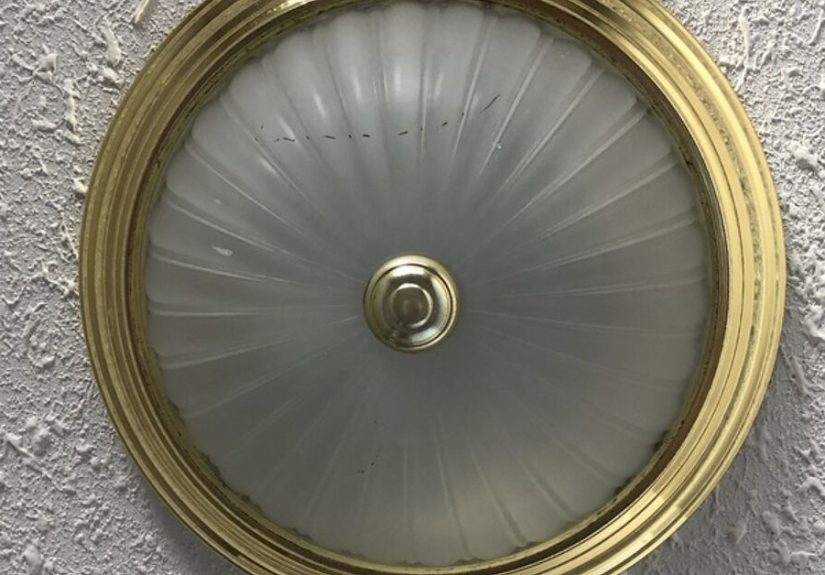
Whether you are dealing with a builder-grade flush mount, a brass chandelier that screams “formal dining room of the past,” or a bathroom vanity light that has all the charisma of a waiting room, there is good news: you can give a light fixture a new look for pennies DIY-style. The trick is not just slapping on spray paint and hoping for the best. A good makeover starts with the right prep, the right finish, and a plan that keeps the fixture safe and functional.
In this guide, you will learn how to update a dated light fixture on a tiny budget, which materials work best, what mistakes to avoid, and how to make your lighting look custom without spending custom money. Because sometimes the difference between “blah” and “beautiful” is one can of paint and an afternoon you were going to waste doom-scrolling anyway.
Why a Cheap Light Fixture Makeover Works So Well
Lighting is one of the first things people notice in a room, even if they do not realize it. A dated fixture can make fresh paint look tired, good furniture look random, and a stylish room feel unfinished. On the flip side, a simple ceiling light makeover can make the whole space feel intentional.
That is why this kind of upgrade is so satisfying. It is affordable, fast, and visible. You are not spending money on something hidden behind drywall. You are changing a feature that sits right at eye level or overhead and affects how the entire room feels. A warm brass tone can make a room feel classic. Matte black can sharpen it up. Soft white can make a bulky fixture disappear. A new shade can turn a bland vanity light into something that looks far more expensive than it actually was.
In other words, this is one of those rare DIY projects where the cost is low, the impact is high, and the bragging rights are extremely generous.
Before You Start: Know What You Can Safely Update
Not every fixture needs a full replacement. Many just need cosmetic help. If the wiring is sound, the mounting is secure, and the fixture is in decent shape, you can often update the look without replacing the actual electrical parts. That is the sweet spot.
Good candidates for a DIY light fixture makeover
- Builder-grade flush mounts
- Brass or bronze chandeliers
- Vanity lights with dated finishes
- Pendant lights with ugly but structurally sound shades
- Thrifted lamps and inexpensive secondhand fixtures
Fixtures you should leave alone or replace instead
- Anything with cracked sockets, frayed wires, or scorch marks
- Fixtures with rust damage that affects structure
- Lights in wet or high-humidity areas unless the fixture and materials are rated for that use
- Very old fixtures that may need rewiring
Most important: always turn off power at the breaker, not just the wall switch, and confirm the power is off before you touch the fixture. Cosmetic DIY is fun. Surprise electricity is not.
Budget Supplies You Actually Need
The beauty of this project is that the supply list is short. In many homes, you already have half of it.
- Screwdriver
- Non-contact voltage tester
- Microfiber cloth or degreaser
- Fine-grit sandpaper or sanding sponge
- Painter’s tape
- Drop cloth or cardboard
- Spray primer for metal, if needed
- Spray paint made for metal
- Optional: replacement shade, finial, medallion, or decorative cover
- Optional: new LED bulbs for a better glow
If you are trying to keep the cost hilariously low, focus on paint first. A single can of spray paint can do more for a fixture than a pep talk ever will.
The Easiest Ways to Give a Light Fixture a New Look for Pennies
1. Clean it like it insulted your family
Before you buy anything, clean the fixture thoroughly. Dust, grease, and old residue can make even a decent fixture look dingy. A deep cleaning alone sometimes reveals that the fixture was not ugly, just filthy. That is not an aesthetic issue. That is a housekeeping plot twist.
Take off removable glass shades, wash them gently, and wipe down the metal parts. If the fixture has years of sticky buildup, use a mild degreaser. Let everything dry completely before you move on.
2. Spray paint the body for the biggest visual payoff
This is the classic cheap lighting upgrade because it works. A fresh finish can transform shiny brass into matte black, dated bronze into soft gold, or random metal into crisp white. If the fixture shape is good but the color is wrong, spray paint is your best friend.
For most interior metal fixtures, popular choices include matte black, satin nickel, warm white, antique gold, oil-rubbed bronze, and muted greige. The best one depends on the room. If you want the fixture to disappear, paint it the same tone family as the ceiling or walls. If you want it to look intentional and graphic, choose a contrast color like black or deep bronze.
3. Replace or cover the shade
Sometimes the real villain is not the fixture body. It is the shade. Frosted domes, dated tulip glass, and yellowed plastic covers can instantly age a room. Swapping the shade is often cheap, and in some cases you can cover a plain vanity strip or Hollywood light with a drum-style shade for a softer, more current look.
You can also use light-colored shades to preserve brightness. Dark shades may look moody, but they also block light. Great for drama. Less great for shaving, applying eyeliner, or finding the earring you dropped.
4. Add a ceiling medallion or trim detail
If your fixture base looks small, awkward, or lost on the ceiling, a ceiling medallion can help it look more polished. This is especially useful when changing out a recessed light or covering an oversized hole. A medallion can make an inexpensive pendant look custom and more substantial.
5. Upgrade the bulbs
This one gets overlooked all the time. Even the prettiest painted chandelier can still look sad with the wrong bulbs. Switching to the right LED color temperature can improve the room instantly. Warm white generally feels cozier in living spaces, while daylight or bright vanity-friendly bulbs may work better in task-heavy bathrooms.
6. Change the small details
Sometimes the cheapest wins come from tiny parts: a new finial, a chain cover, decorative candle sleeves, fresh socket covers, or a cleaner canopy. These details do not cost much, but they can make a fixture look less builder-grade and more finished.
How to Spray Paint a Light Fixture the Right Way
If you want your DIY light fixture makeover to look good for more than five minutes, prep matters. A lot. Here is the step-by-step process that gives you the best shot at a smooth finish.
Step 1: Turn off power and remove what you can
Shut off the breaker, verify that the power is off, remove bulbs, and take down the fixture if possible. Painting a fixture on a work surface is easier and cleaner than spraying overhead like you are in an action movie with very low stakes.
Step 2: Disassemble removable parts
Take off glass shades, decorative covers, screws, and detachable arms if the fixture design allows it. Label hardware in small bags so reassembly does not become a scavenger hunt.
Step 3: Clean and scuff the surface
Wipe away dust and grime first. Then lightly sand glossy metal so the primer and paint have something to grip. You are not trying to sand it into another dimension. Just dull the shine and create a slightly rough surface.
Step 4: Tape off anything that should not be painted
Mask sockets, wires, labels, threaded areas, and any moving parts. Overspray belongs on the fixture body, not on electrical components or places that need to screw back together later without a fight.
Step 5: Prime if needed
If the metal is bare, shiny, rusty, or dark, use a primer made for metal. Primer helps the finish stick, improves durability, and keeps the old color from showing through. If your spray paint already includes primer, you may still benefit from a separate primer coat on difficult surfaces.
Step 6: Apply thin coats of paint
Do not try to win the project in one coat. That is how drips happen. Hold the can at the recommended distance, use steady sweeping passes, and build color slowly with thin coats. Thin coats dry better, look smoother, and give a much more professional finish than one heavy blast of paint chaos.
Step 7: Let it cure fully
Dry is not always cured. If you reassemble too soon, fingerprints, smudges, and stuck parts can ruin the finish. Be patient. Future you will be very smug about it.
Step 8: Reassemble and reinstall
Once everything is fully dry, put the fixture back together, reinstall it carefully, add bulbs, and restore power. Stand back and enjoy the moment where your cheap DIY project suddenly looks suspiciously expensive.
Cheap Design Ideas That Make a Big Difference
Paint it matte black for a modern update
This works on flush mounts, chandeliers, sconces, and vanity bars. Matte black makes a fixture feel intentional, current, and clean without trying too hard.
Go soft white to make a bulky fixture disappear
If your fixture is large but not particularly charming, painting it white or a ceiling-friendly shade can visually shrink it. This trick works well on old flush-mount ceiling lights.
Use warm metallics for a higher-end look
Muted brass, antique gold, or champagne bronze can warm up a room. The key is choosing a soft metallic instead of an ultra-shiny finish that looks like it is trying to sell you a timeshare.
Refresh a bathroom vanity light with a new cover
Adding a fabric-style drum cover or replacing dated glass can soften the look of bathroom lighting dramatically. Just make sure any materials near the fixture can handle the room’s heat and humidity.
Add a medallion to make a simple pendant look custom
A ceiling medallion adds visual weight and makes a basic hanging fixture feel more finished, especially in entryways, dining spaces, and bathrooms.
Mistakes to Avoid During a DIY Light Fixture Makeover
- Skipping the breaker: Never rely on the wall switch alone.
- Skipping prep: Dirt and gloss are enemies of a good finish.
- Using thick paint coats: Drips happen fast and dry slowly.
- Painting the wrong parts: Avoid sockets, wires, labels, and threaded connections.
- Ignoring the room: Your fixture should match the style and mood of the space.
- Forgetting the bulb color: Even a gorgeous fixture looks off with the wrong light output.
- Trying to save a dangerous fixture: Cosmetic fixes are not a substitute for safe electrical parts.
When It Is Smarter to Replace the Fixture
A makeover is a great solution when the problem is visual. It is not the right solution when the problem is electrical. If the fixture flickers because of wiring issues, gets excessively hot, has damaged sockets, or looks suspiciously crispy in places where crispiness does not belong, replace it or call a licensed electrician.
Also, if you hate the size, hate the shape, hate the light output, and hate looking at it every day, that is probably not a makeover project. That is a breakup.
Common DIY Experiences When Giving a Light Fixture a New Look on a Tiny Budget
One of the most relatable experiences with this kind of project is realizing the fixture looked much worse in your head than it does in reality. Many people start a cheap light fixture makeover convinced they are dealing with a lost cause. Then they remove the glass, clean off years of dust, and suddenly the fixture is not tragic. It is just tired. That is a very different problem, and a much cheaper one to solve.
Another common experience is underestimating how much prep matters. The makeover seems like it should be all about color, but the real turning point usually comes from cleaning, sanding, and taping. That is the part people are most tempted to rush. Then they do one careful coat the right way and immediately understand why the extra 20 minutes mattered. Smooth paint on a well-prepped fixture can look surprisingly polished, while a rushed job somehow manages to look both sticky and disappointed.
People also tend to be shocked by how much lighting changes the mood of a room after the makeover is done. It is not just the fixture color. It is the whole combination: the cleaner glass, the updated finish, and often the new bulb temperature. A fixture that once made the room feel dim and dated can suddenly make it feel warm, styled, and finished. That is part of why these projects get such a strong reaction. The result feels bigger than the budget.
There is also the very real “why didn’t I do this sooner?” phase. It usually kicks in somewhere between reinstallation and the first evening the light is turned on. A lot of DIYers put off fixture updates because electrical projects feel intimidating. But once the power is safely off and the cosmetic plan is clear, the project often feels much more manageable than expected. It is one of those upgrades that sounds technical but is often mostly about patience, labeling parts, and following simple steps.
Of course, not every experience is perfectly graceful. There is usually at least one minor comedy moment. Maybe a screw rolls under the vanity. Maybe you forget which glass shade went where. Maybe you decide halfway through that the satin brass looked “too fancy” and pivot dramatically to matte black. This is normal. DIY has a way of humbling everyone equally.
What people seem to love most, though, is that the project gives them permission to see their home differently. Instead of assuming dated means doomed, they start noticing what can be improved with small changes. A light fixture makeover often leads to a chain reaction: new bulbs, fresh hardware, a painted mirror frame, maybe even a weekend full of “while I’m at it” decisions. That can get dangerous for your free time, but it is excellent for your house.
In the end, the experience is usually less about saving a few dollars and more about gaining confidence. Once you have updated one ugly fixture for almost nothing, the next project does not feel so scary. You start to trust your eye more. You stop treating builder-grade finishes like permanent life sentences. And that is the real magic of a pennies-DIY project: it changes the fixture, sure, but it also changes how you think about what your home can become on a small budget.
Final Thoughts
If you want to give a light fixture a new look for pennies DIY-style, start simple. Clean it well. Decide whether the issue is the finish, the shade, or the overall styling. Use the right prep, the right paint, and the right level of patience. Then let a small, cheap upgrade do what small, cheap upgrades sometimes do best: make the whole room look smarter.
You do not need a fancy budget to create better lighting. You just need a safe plan, a steady hand, and the willingness to believe that the sad little ceiling light in your hallway still has a redemption arc.