Table of Contents >> Show >> Hide
- What You’ll Learn
- 1) Choose Your Pants Style (AKA: Pick Your Adventure)
- 2) Tools and Materials
- 3) Measurements and Pattern Sizing: Where Great Pants Begin
- 4) Cut the Fabric (Quietly Confident, Like a Tailor)
- 5) Sewing Order: From Flat Pieces to Actual Pants
- 6) Waist Options: Elastic Waistband vs. Zipper Fly + Waistband
- 7) Finish Seams and Hem the Pants (So They Look Good Inside and Out)
- 8) Fit Fixes: Common Pants Problems (and the Fixes That Work)
- 9) Final Quality Checklist (A 60-Second Confidence Boost)
- Conclusion
- Experience Notes: What It Really Feels Like to Make Pants (500-ish Words of Reality)
- SEO Tags
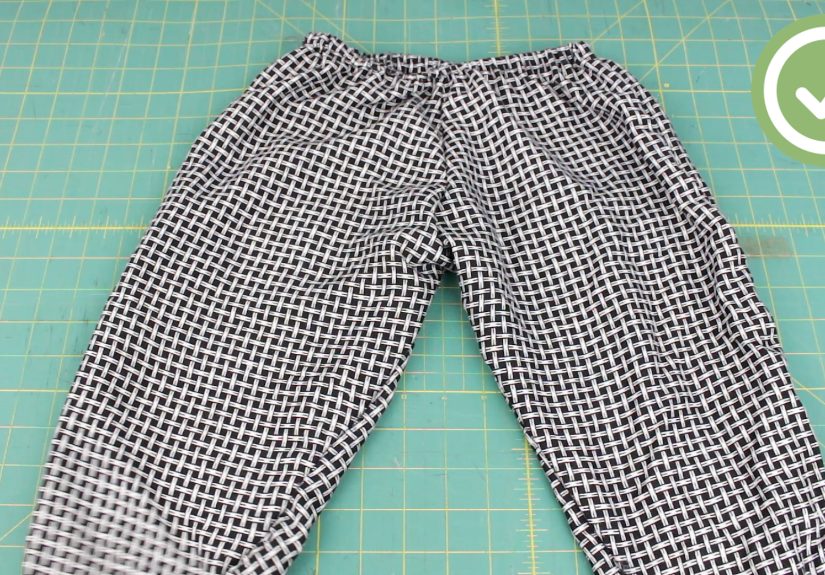
Making pants sounds like a high-stakes situationlike you’re one wrong snip away from accidentally inventing a very confusing skirt. But the truth is: pants are just a few thoughtfully shaped fabric pieces, stitched in the right order, with a waistband that behaves. This guide walks you through how to make a pair of pants that fit, feel good, and don’t do that weird “crotch hammock” thing.
We’ll cover the whole journey: choosing a style, taking measurements, picking (or copying) a pants pattern, cutting fabric on-grain, sewing seams that last, adding an elastic waist or zipper fly, finishing hems, and troubleshooting fit like a calm wizard with a seam ripper. And yesthere will be a little humor, because pants already take themselves too seriously.
What You’ll Learn
- Choose the right pants style (and difficulty level)
- Tools, fabric, and notions you actually need
- Measurements and pattern sizing (the secret sauce)
- Cutting your fabric like a pro
- Sewing order: from flat pieces to real pants
- Waist options: elastic waistband vs. zipper fly + waistband
- Hems and seam finishes (so the inside looks good too)
- Fit fixes: common issues and how to solve them
- 500-word “what it’s like” experience section
1) Choose Your Pants Style (AKA: Pick Your Adventure)
Before you touch fabric, decide what kind of pants you’re making. Your style choice determines the pattern, the construction, and how many times you’ll whisper “I am calm” while topstitching.
Beginner-friendly options
- Elastic-waist pajama pants or lounge pants: forgiving fit, simple seams, fast wins. Great first project. [1]
- Pull-on pants with a wide elastic waist: still friendly, but you’ll learn better finishing and fit basics.
Intermediate options
- Woven trousers with darts and a waistband: more shaping, better structure, more steps (but worth it).
- Pants with a zipper fly: the technique looks scarier than it isespecially with the right order of operations. [2]
Advanced options
- Jeans: heavier fabric, specialized topstitching, hardware, and fit precision.
- Tailored trousers: lining, pockets, pressing discipline, and details that reward patience.
If you’re new, choose elastic-waist pants first. You’ll learn cutting, seams, pressing, and hemsthen you can “graduate” to fly zippers without feeling like the fabric is personally judging you.
2) Tools and Materials
You don’t need a fashion studio. You need a short, reliable toolkit and materials that match your goal. Here’s the practical list for most DIY pants projects.
Core tools
- Sewing machine (a straight stitch and zigzag are enough)
- Sharp fabric scissors or rotary cutter + mat
- Measuring tape + ruler (clear quilting ruler is a bonus)
- Fabric marking tool (chalk, washable pen, or tailor’s pencil)
- Pins or clips, seam ripper, iron + ironing board
Fabric choices that make life easier
- Cotton lawn/poplin: crisp, stable, great for pajama pants.
- Cotton twill: sturdier, good for everyday pants.
- Linen and linen blends: breathable, but can shiftpin well and press often.
- Wool suiting: beautiful trousers, needs careful pressing.
Avoid ultra-slippery rayon challis or super-stretchy knits for your very first pair unless you enjoy “creative problem solving” (which is a polite phrase for “why is my waistband doing that?”).
Notions (the little things that matter)
- Thread: all-purpose polyester is reliable
- Elastic: for pull-on pants (comfort-first projects)
- Zipper: if making trousers with a fly or side zipper
- Interfacing: stabilizes waistbands and closures so they don’t stretch into chaos [10]
- Hook-and-eye/button: common trouser closure finishing
3) Measurements and Pattern Sizing: Where Great Pants Begin
Pants fit is mostly geometry: waist, hips, rise, and leg shape. When these measurements align with a pattern (and your fabric’s behavior), everything else is just sewing.
Measurements that matter for pants
- Natural waist: find the narrowest part of your torso; a string/ribbon trick helps you locate it consistently. [5]
- High hip and full hip: especially important for woven trousers. [5]
- Inseam: crotch to desired hem length along the inside leg. [6]
- Outseam: waist to hem along the outside leg. [6]
- Rise (crotch depth): how high the pants sit; this is a comfort-and-fit game changer.
Pick your pattern size the smart way
Use body measurements, not your store-bought jeans size. Pattern sizing is its own universe, and it does not care about your feelings. Many pattern brands recommend choosing pants size by waist, but using hip measurement when the hips differ significantly. [3]
The “muslin” step that saves your sanity
If you want pants that truly fit, make a test version (often called a muslin or toile) using inexpensive fabric with similar drape. One excellent strategy is adding wider seam allowances (like 1 inch) at key seams so you can adjust easily during fitting. [2]
Think of it as “fitting insurance.” And unlike most insurance, it actually pays out.
4) Cut the Fabric (Quietly Confident, Like a Tailor)
Cutting is where you set yourself up for success. Accurate cutting makes sewing easier and fit more predictable.
Prep first
- Prewash your fabric if you plan to wash the finished pants later (shrinkage happens).
- Press the fabric flat before laying out pattern pieces.
- Check grainline: place pattern pieces so the grainline arrow is parallel to the selvage.
Lay out and cut
Follow the pattern layout when possible. If you’re copying your favorite pants as a template, pay attention to grain and symmetry. [12] Cut slowly, mark notches, and transfer key markings (dart points, pocket placement, zipper dots). Those tiny marks save you from future confusion spirals.
Don’t skip notches
Notches are like GPS for sewing. When you match them correctly, pieces align as intendedespecially around the crotch curve and pocket openings.
5) Sewing Order: From Flat Pieces to Actual Pants
Pants are friendliest when you sew as much as possible while the fabric is still flat, then “tube-ify” later. Many tutorials build pants in roughly this order. [1]
Step A: Stabilize what needs stabilizing
Apply interfacing where the pattern tells youusually the waistband, fly pieces, and sometimes pocket openings. A stabilized waistband holds shape and feels better. [10]
Step B: Sew darts or pleats (if your pattern has them)
Darts and pleats shape fabric over the hips and waist. Stitch carefully to the dart point and press in the direction the pattern recommends (often toward center back).
Step C: Pockets (optional, but worth it)
Pockets are much easier while everything is flat. If your pattern includes side seam pockets or slant pockets, install them now. Pressing and topstitching here can keep pocket openings neat and stable.
Step D: Sew the front pieces together (closure-dependent)
If you’re doing an elastic waist with no fly, you’ll typically sew the front rise seam up to the point where the pattern indicates. If you’re installing a zipper fly, you’ll handle that earlywhile the front is still manageable. [4]
Step E: Sew each leg
Sew front to back at the side seams for each leg (or sometimes inseams firstfollow your pattern). You’ll end up with two separate “leg tubes.”
Step F: Join the legs at the crotch
Turn one leg right side out, place it inside the other leg (right sides together), and stitch the crotch curve in one continuous seam. Go slowly through the curve and reinforce stress points with backstitching.
6) Waist Options: Elastic Waistband vs. Zipper Fly + Waistband
The waist is where pants either feel amazing or become “those pants” you avoid after lunch. Choose your waistband style based on comfort and style.
Option 1: Elastic waistband (beginner favorite)
Most elastic-waist pants use a casing or a sewn-on elastic technique. If you’re making pajama pants, a casing is common: sew the casing channel, thread elastic through with a safety pin, overlap the ends, and stitch securely (often with zigzag). [7]
For a “no-twist” method where elastic is stitched to fabric and then folded down, it helps to:
- Overlap elastic ends (commonly about 1 inch) and stitch a secure box of stitches. [4]
- Divide both elastic and waist opening into quarters, then match those points as you sew. [4]
- Use a zigzag/overlock-style stitch so the elastic can stretch without popped threads. [4]
Option 2: Zipper fly (classic trouser move)
The trick with a zipper fly is timing: install it early, before pant legs and waistband turn everything into a wrestling match. [8] Many methods position the zipper stop slightly below the top edge to leave room for the waistband seam. [8]
A common fly-front workflow (details vary by pattern) looks like this:
- Prepare fly pieces (often interfaced) and finish raw edges where needed.
- Attach zipper to one fly extension and stitch close to the teeth with a zipper foot. [9]
- Fold/position the other side so the zipper sits correctly and the fly overlaps cleanly. [9]
- Add fly guard/shield so skin never meets zipper teeth (because nobody asked for that). [8]
- Topstitch the fly curve from the right side for a professional look.
Option 3: A classic waistband (structured and flattering)
A traditional waistband benefits hugely from stabilization. Many sewing educators recommend fusible interfacing (or waistbanding) and cutting the waistband along the grainline for stability. [10]
Waistbands can also be engineered in different waystabs, facings, or alternative designsdepending on your pattern and style goals. [11]
7) Finish Seams and Hem the Pants (So They Look Good Inside and Out)
Seam finishing options
If your fabric frays, finish your seam allowances. You can use a serger, zigzag stitch, or an overcasting stitch on a standard machine. Some machine brands recommend using an overcasting foot or zigzag foot and guiding the fabric edge so the needle drops just off the edge. [13]
Hemming
Try the pants on with the shoes you’ll actually wear. Mark the hem, trim if needed, press the hem up, and stitch. For pajama pants, many tutorials suggest a simple double-fold hem for a clean finish. [7]
Pro tip: Pressing is not “optional.” Press after each seam. Your iron is basically the co-author of your pants.
8) Fit Fixes: Common Pants Problems (and the Fixes That Work)
Pants fitting can feel mysterious because everything affects everything else. But most issues fall into a few recognizable patterns. Here are practical fixes to common problems.
Problem: Waist fits, hips don’t (or vice versa)
Blend between sizes on your pattern: use one size at the waist and another at the hip, then redraw the side seam smoothly. This is especially common when your hips are proportionally larger than your waist. [3]
Problem: Tightness across thighs or calves
Add width at the side seam and/or inseam. This is exactly why wider seam allowances on a muslin can be so helpfuladjust first, commit later. [2]
Problem: “Smile lines” or pulling at the front crotch
Often you need more front rise length or a slightly adjusted crotch curve. Make changes incrementally. A small pattern tweak can dramatically improve comfort.
Problem: Baggy seat or drag lines under the butt
This may point to needing a full seat adjustment, changes to back rise, or a different crotch curve. Fit in stages: waist/hips first, then rise, then legs.
Problem: Waistband gaps at the back
You may need to contour the waistband or take in at center back. This is one of the most common ready-to-wear and handmade pants issues, and it’s fixable with small, controlled adjustments.
9) Final Quality Checklist (A 60-Second Confidence Boost)
- All seams pressed (yes, even that one)
- Stress points reinforced (crotch seam, pocket corners)
- Waistband sits flat and comfortable
- Hem lengths match (unless you’re starting a new trend)
- Threads trimmed, closures tested
Congratulationsyou made pants. You’re officially part of the small, brave club of people who can say, “Thanks, I made them,” and mean it.
Experience Notes: What It Really Feels Like to Make Pants (500-ish Words of Reality)
The first time you make pants, you’ll probably experience a very specific emotional arcone that begins with confidence and ends with you staring at the crotch seam like it’s an ancient riddle. This is normal. Pants have more “fit information” than a simple top because they wrap around multiple moving parts: waist, hips, thighs, knees, calves, and the human body’s highly opinionated geometry.
Early on, cutting feels empowering. You lay the pattern pieces down, align grainlines, and think, “Wow, I am basically a professional.” Then you sew your first seam and realize the fabric does not share your career goals. It shifts. It stretches. It puckers. This is the part where pressing becomes your best friend. Pressing turns “homemade” into “handmade,” and it’s the fastest way to feel in control again.
Next comes the “pants tube moment.” You sew two legs, and suddenly it looks like something you could actually wearif you were, say, a very fashionable octopus. Don’t worry. The miracle happens when you join the crotch seam and the project becomes unmistakably pants. This step can feel intimidating because curves demand slower sewing and careful alignment. A good trick is to stitch with the curve on top, use plenty of pins/clips, and go at a pace that would not impress a race car.
Waistbands are where many people become temporarily dramatic. Elastic waistbands are friendly but can still twist or ripple if you rush. Quartering the elastic and the waist opening makes you feel like a genius because everything suddenly distributes evenly. Traditional waistbands feel “grown-up” and can look incredibly professional, but they require accurate marking and a calm relationship with interfacing. If your waistband gaps, don’t take it personallymost bodies aren’t shaped like pattern blocks. A small adjustment at center back can change everything.
Zipper flies deserve special mention because they have a reputationlike they’re the final boss of garment sewing. The truth is they’re more like a boss with a complicated intro cutscene. The key experience lesson is this: do the fly steps exactly in order, keep pieces flat as long as possible, and topstitch only after you’ve checked that the zipper works smoothly. Most “zipper fly disasters” are really “I skipped one small alignment mark” incidents.
Finally, hemming is oddly emotional. You try them on, look in the mirror, and suddenly the project becomes real. This is where you’ll notice tiny fit quirksand that’s okay. Pants-making teaches you to observe, adjust, and improve. After your first pair, you start noticing pants construction in the wild: pocket angles, seam finishes, waistband shapes. The best part? The next time someone complains about pants that don’t fit, you’ll think, “I could fix that.” (And then you’ll remember you have boundaries… maybe.)