Table of Contents >> Show >> Hide
- What Is Purple Hyacinth Bean Vine?
- Before You Plant Purple Hyacinth Bean Vine
- How to Plant Purple Hyacinth Bean Vine Step by Step
- Purple Hyacinth Bean Vine Care Tips
- How Long Until It Blooms?
- Common Problems and How to Fix Them
- Is Purple Hyacinth Bean Vine Edible or Toxic?
- Saving Seeds for Next Year
- Best Uses in the Landscape
- Extended Gardener Experiences and Practical Lessons (About )
- Conclusion
If your garden needs drama, height, color, and a little “wow, what is that?” energy, purple hyacinth bean vine is a fantastic choice. This fast-growing climber brings purple-tinted stems, lush leaves, pea-like flowers, and shiny pods that look like they were designed by someone who really likes jewel tones. It’s part ornamental vine, part privacy screen, part pollinator magnetand all show-off.
The best part? It’s surprisingly easy to grow once you get the timing right. Purple hyacinth bean vine is a warm-season plant, so success is mostly about planting after frost, giving it strong support, and not accidentally treating it like a thirsty swamp plant or a shade-loving fern. (It is neither.) In this guide, you’ll learn exactly how to plant it, how to keep it blooming, what problems to watch for, and how to save seeds for next season.
What Is Purple Hyacinth Bean Vine?
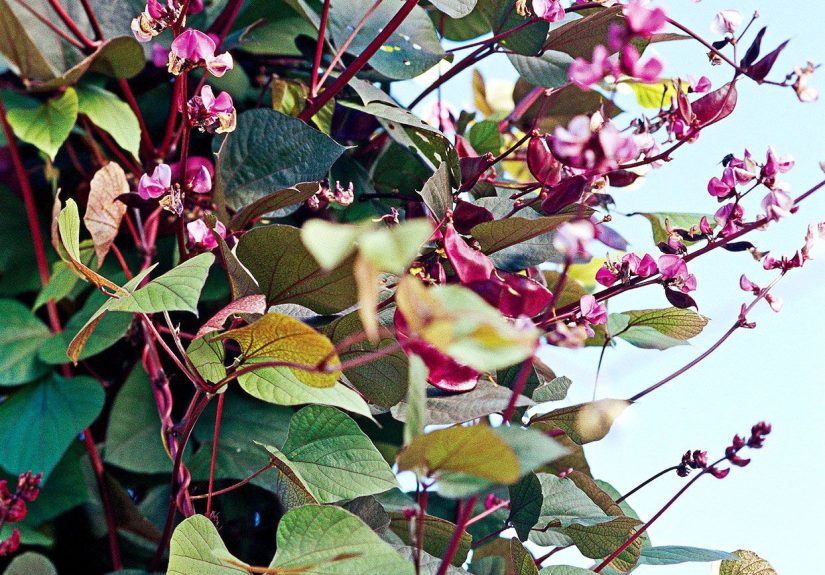
Purple hyacinth bean vine (Lablab purpureus, also listed as Dolichos lablab) is a twining vine in the bean family. In warm climates, it can behave like a tender perennial, but in most of the United States it’s grown as a fast, heat-loving annual. The vine is prized for ornamental value: purple or rose-lavender flowers, glossy purple pods, and attractive foliage that can include purple veining or purple stems.
Depending on growing conditions and variety, this plant can reach roughly 15 to 20 feet in a season, and many gardeners report it climbing even higher when it’s happy. In plain English: if you give it a flimsy little support, it will laugh and keep climbing anyway.
Why gardeners love it
- Fast growth for quick vertical coverage
- Ornamental flowers and pods (double the garden drama)
- Excellent for trellises, arbors, fences, and privacy screens
- Attracts pollinators like bees, butterflies, and hummingbirds
- Easy seed saving for next year
Before You Plant Purple Hyacinth Bean Vine
1) Pick the right spot
Purple hyacinth bean vine performs best in full sun. It can survive in partial shade, but flower production usually drops, and you’re more likely to deal with fungal issues if the plant stays damp and crowded. For the best show, choose a sunny site with good airflow and room for the vine to spread.
A practical rule: if the spot gets strong sun most of the day and you can stand there in July thinking, “Yep, this is a bit much,” your hyacinth bean vine will probably love it.
2) Give it a strong support structure
This is not a dainty windowsill vine. It needs a sturdy trellis, arbor, fence, or other support because mature vines get heavy. Install the support before planting so seedlings can start climbing early instead of tangling themselves into a garden knot.
3) Time planting after frost
This vine hates freezing weather. Plant only after frost danger has passed and the soil has warmed. In many areas, direct sowing in late spring works beautifully. In cooler climates, you can start seeds indoors several weeks before the last frost, then transplant after hardening off.
If you want a simple timeline:
- Warm regions: Direct sow after frost when nights are mild.
- Cooler regions: Start indoors a few weeks early, then transplant once weather settles.
- Any region: Don’t rush it into cold soil. This is a warm-season vine, not a spring sprinter.
4) Check soil conditions
Purple hyacinth bean vine likes rich, well-drained soil with organic matter. It’s fairly adaptable, but it won’t thrive in soggy ground. If your soil is heavy clay, mix in compost before planting. If your soil is sandy, compost also helps hold moisture. Compost is basically the diplomat that makes all soil types get along.
How to Plant Purple Hyacinth Bean Vine Step by Step
Option A: Direct sow outdoors
Direct sowing is the easiest method and often the most reliable. Many gardeners and extension sources recommend it once the soil is warm.
- Soak the seeds first: Soak seeds overnight (or at least for a few hours in warm water) to speed up germination.
- Plant depth: Sow seeds about 1 to 2 inches deep.
- Spacing: Space them a few inches apart (around 6 inches works well), then thin if needed after sprouting.
- Water well: Keep the soil consistently moist until germination.
- Guide seedlings: Once they emerge, gently train them toward the trellis or support.
Germination can be quick in warm soil, but don’t panic if some seeds take a little longer. Purple hyacinth bean is a warm-weather plant and likes to make its entrance when it feels ready.
Option B: Start indoors
Starting indoors can help gardeners in shorter growing seasons get a head start. Use seed-starting mix, pre-soak the seeds, and keep the trays warm and bright. Once seedlings are sturdy, harden them off for about a week before transplanting outdoors.
A small but important tip: transplant after the weather is truly warm, not just “it was nice yesterday.” One surprise cold night can set the plant back.
Purple Hyacinth Bean Vine Care Tips
Light
Full sun is your best friend here. You’ll get more flowers, more pods, and stronger growth. In partial shade, the vine may still grow well, but it often becomes all leaves and fewer blooms.
Water
Keep the soil evenly moist, especially while the plant is getting established and during hot summer stretches. Deep watering is better than frequent shallow sprinkles. At the same time, don’t let the plant sit in soggy soilwet feet can lead to root problems and fungal disease.
A good rhythm is to water deeply, then allow the top layer of soil to dry slightly before watering again. In heat waves, you may need to water more often.
Fertilizer
Because this is a legume, it can fix nitrogen, so avoid overdoing high-nitrogen fertilizers. Too much nitrogen often creates a giant leafy vine with fewer flowers (basically a green curtain with no fireworks).
If your soil is average to good, compost may be enough. If you fertilize during the season, choose a product that’s lower in nitrogen and higher in phosphorus (or potassium-focused bloom support), and use it lightly. Many gardeners find that “less is more” once the vine gets going.
Training and pruning
Hyacinth bean climbs by twining, so young vines may need a little direction at first. Once they grab the support, they usually take over from there. Pruning is mostly optional, but helpful if the vine starts invading nearby plants or trying to redecorate your mailbox.
- Pinch or trim tips to control size and encourage branching
- Thin crowded growth for better airflow
- In long warm seasons, a light cutback can encourage fresh growth and more blooms
How Long Until It Blooms?
Purple hyacinth bean vine is fast-growing, but flowering and pod production still take a bit of patience. In many gardens, blooming begins in summer and continues into fall, often until frost. Some gardeners see the first pods around 90 days from planting, depending on weather, sunlight, and variety.
The nice thing is that the plant stays interesting even before full bloom. The foliage and stems already add color, and once flowering starts, the pods quickly join the show. It’s one of those plants that gives you multiple “peak moments” in one season.
Common Problems and How to Fix Them
No flowers (but lots of leaves)
This is the classic hyacinth bean complaint. If your vine looks huge and healthy but refuses to bloom, the two most common causes are:
- Too much shade move to a sunnier spot next season
- Too much nitrogen switch to a lower-nitrogen fertilizer plan
Fungal issues in humid weather
In humid climates or crowded plantings, fungal problems can show up, especially if airflow is poor. You may see leaf spots, yellowing, or mildew-like growth. Prevention helps a lot:
- Give the vine room to breathe
- Avoid overcrowding and tangled growth
- Water the soil, not the leaves, when possible
- Thin the vine if it becomes dense
Chewed leaves
Purple hyacinth bean is generally tough, but a few visitors may snack on it. Japanese beetles sometimes chew leaves, and long-tailed skipper caterpillars may feed lightly. In many gardens, the damage is cosmetic and the vine keeps growing just fine.
Young plants getting nibbled
Deer can browse tender young growth in some areas, so consider temporary protection while seedlings get established.
Is Purple Hyacinth Bean Vine Edible or Toxic?
This is the part where we put on the serious gardening hat for a moment.
Purple hyacinth bean has a long history as a food plant in some parts of the world, and multiple sources note that certain young parts can be eaten with proper preparation. However, mature dried seeds contain toxic compounds (cyanogenic compounds/glycosides), and raw beans can be poisonous.
For most home gardeners in the U.S., the safest and simplest approach is to grow purple hyacinth bean vine as an ornamental, especially if kids or pets are around. Treat the pods and seeds as decorative unless you are following trusted, crop-specific food preparation guidance from a reliable extension source.
Saving Seeds for Next Year
Purple hyacinth bean vine is a seed-saver’s dream. The seeds are large, easy to handle, and easy to store.
- Let pods mature and dry on the vine near the end of the season.
- Harvest the dry pods before prolonged wet weather if possible.
- Remove seeds and let them dry fully indoors for a few days.
- Store in a cool, dry place in a labeled envelope or jar.
In some warm climates, seeds that drop naturally can sprout the following year once the soil warms. If you want fewer surprise vines, harvest pods before they split or fall. If you do want volunteer seedlings, congratulationsyour garden may start self-booking next season’s entertainment.
Best Uses in the Landscape
Privacy screen in one season
Need to hide an air-conditioning unit, chain-link fence, or “temporary” construction mess that has somehow become permanent? Purple hyacinth bean vine is excellent for quick seasonal screening. One or two plants on a strong trellis can create a dramatic living wall.
Arbors and entryways
Use it on an arbor where the flowers and pods can hang at eye level. This is where the color really shines, and visitors will absolutely ask what plant it is.
Pollinator gardens
The flowers attract bees and butterflies, and the vine is also noted as a host plant for the long-tailed skipper butterfly. If your goal is a lively garden, this vine fits right in.
Extended Gardener Experiences and Practical Lessons (About )
Gardeners who grow purple hyacinth bean vine for the first time often have the same reaction: they underestimate it. The seeds look simple enough, the seedlings look harmless, and then suddenly, by midsummer, the vine is halfway up a trellis and making bold design decisions without asking anyone. That fast growth is one of the biggest reasons people become repeat growers.
A common experience in real home gardens is using it as a “problem solver” plant. For example, a gardener may have an unattractive fence line, utility area, or bare corner that feels too harsh in summer. Instead of building a permanent structure or planting a shrub that takes years to fill in, they add a sturdy trellis and sow hyacinth bean after frost. By the time summer heat settles in, the vine starts to soften the whole area. Once the flowers and pods appear, the spot goes from “eyesore” to “conversation starter.”
Another frequent lesson is the importance of sun exposure. Gardeners who plant it in partial shade usually report plenty of foliage but fewer flowers. Meanwhile, the same plant in a sunnier bed often blooms much more heavily. This can feel a little unfairespecially if the shaded plant looks lush and healthybut purple hyacinth bean vine is very clear about its preferences. It wants sunlight, and it is not shy about withholding flowers when it doesn’t get enough.
Watering habits also shape the experience. In hot regions, gardeners often notice that the vine grows fastest when the soil is kept evenly moist, especially during establishment. But they also learn that soggy soil creates trouble, particularly in humid weather. The “sweet spot” is deep, consistent watering with good drainage. In practical terms, this usually means compost-amended soil and a quick check of the soil surface before watering again.
Many gardeners also mention how useful the vine is for pollinator activity. Bees visit the flowers, butterflies show up, and the plant adds movement to the gardennot just color. Even when caterpillars nibble a few leaves, experienced growers often leave them alone if the vine is otherwise healthy, because the plant is vigorous enough to keep going.
Seed saving is another part of the experience people enjoy. Compared with tiny flower seeds that disappear if you sneeze, hyacinth bean seeds are large and easy to collect. Gardeners often save a handful each fall and share extras with friends, which is part of how this plant spreads through neighborhoods and gardening groups. Someone grows it once, saves seeds, passes them along, and suddenly three porches on the block have dramatic purple pods hanging by August.
One final lesson that comes up often: support strength matters more than people expect. Light decorative trellises can bend under a mature vine, especially after rain. Gardeners who have the best results usually install a sturdy arbor, fence panel, or firmly anchored trellis from the beginning. Once that support is in place, purple hyacinth bean vine becomes one of the easiest warm-season climbers to enjoyhigh impact, low fuss, and just enough attitude to make gardening fun.
Conclusion
Purple hyacinth bean vine is one of the best annual climbers for gardeners who want fast results, bold color, and a plant that earns its space. Plant it after frost, give it full sun, keep the soil evenly moist but well-drained, and provide a strong support. From there, it mostly does what great vines do: climb, bloom, and make everything around it look more intentional.
If you’ve never grown it before, start with one trellis this season. Fair warning: next year you may want three.