Table of Contents >> Show >> Hide
- What Is a Hugo Spritz Cocktail?
- Where the Hugo Spritz Came From
- Why the Hugo Spritz Took Off in the U.S.
- Flavor Anatomy: Why This Drink Works
- How to Recreate the Hugo Experience at Home (Zero-Proof Version)
- Traditional Hugo vs. Aperitif-Style Spritzes: A Quick Comparison
- Best Food Pairings for Hugo-Style Drinks
- Mistakes That Flatten the Flavor (and How to Fix Them)
- Seasonal Hugo-Style Variations for Content Creators
- Hosting Tips That Make the Hugo Moment Feel Expensive
- Real-World Experiences With the Hugo Spritz Cocktail (Approx. )
- Conclusion
There are drinks that shout, drinks that whisper, and drinks that casually lean against a balcony railing and somehow look amazing in every photo.
The Hugo Spritz cocktail is that third category. It’s bright, floral, fizzy, minty, and almost suspiciously easy to like.
While bold orange spritzes have dominated menus for years, the Hugo has quietly become the cooler, greener cousin: less bitter, more aromatic, and perfect for warm afternoons, patio dinners, and “I just want something refreshing” moments.
This guide breaks down what makes the Hugo Spritz special, where it came from, why it became such a U.S. menu favorite, how flavor balance works,
and how to recreate the same vibe at home with a delicious zero-proof version.
If you’re a food blogger, home host, or content creator looking for a clean, high-performing evergreen topic, this is exactly the kind of cocktail-adjacent content audiences search for:
hugo spritz cocktail, elderflower spritz, summer spritz drink, mint and lime spritz, and non-alcoholic Hugo alternative.
What Is a Hugo Spritz Cocktail?
At its core, the Hugo Spritz is a sparkling aperitif-style drink known for four signature notes:
floral sweetness (elderflower), crisp bubbles, cool mint aroma, and citrus lift.
Traditional versions are associated with sparkling wine and elderflower liqueur, then finished with sparkling water, mint, and citrus garnish.
In flavor terms, think “garden party in a glass.” It’s less about heavy sweetness and more about freshness and perfume.
That’s why people who find strongly bitter aperitifs too intense often gravitate to the Hugo profile.
Where the Hugo Spritz Came From
The Hugo is widely credited to northern Italy in the mid-2000s, with bartender Roland Gruber often named in major food-and-drink coverage.
The drink’s rise happened in stages: first local popularity in alpine and border regions, then wider European adoption, and eventually strong U.S. menu visibility.
Once social media discovered how photogenic mint, lime, and pale bubbles look in stemware, momentum accelerated.
Translation: this drink didn’t just taste goodit looked like vacation.
And in internet terms, “looks like vacation” is practically a search strategy.
Why the Hugo Spritz Took Off in the U.S.
1) It fits the “lighter, fresher” drinking trend
U.S. audiences increasingly look for lower-intensity, flavor-forward options.
The Hugo profile feels airy and elegant rather than heavy, syrupy, or aggressively bitter.
2) It’s simple enough for home hosts
The core flavor system is intuitive: floral + citrus + herb + bubbles.
Even beginners can make a balanced glass without complicated tools.
That lowers friction and boosts repeat searches.
3) It’s highly customizable
You can keep it classic, add cucumber, switch citrus, go zero-proof, batch it for parties, or make a “green tea Hugo” spin.
The structure survives thoughtful variation.
4) It photographs beautifully
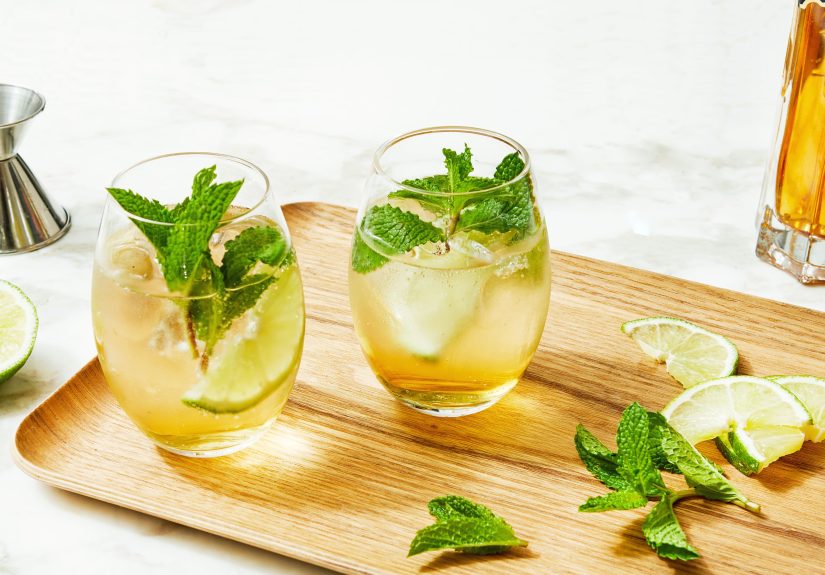
Visual texture matters online: mint tops, translucent bubbles, lime wheels, and clear ice in a wine glass are social-friendly by design.
The Hugo is a recipe and a content format at the same time.
Flavor Anatomy: Why This Drink Works
Floral Sweetness
Elderflower delivers delicate perfume instead of candy-style sweetness.
It reads sophisticated, not sugary.
This is the “signature note” people remember.
Citrus Brightness
Lemon or lime keeps the profile lively and prevents floral notes from feeling flat.
Citrus also sharpens aroma so every sip feels fresh.
Herbal Coolness
Mint provides that immediate cooling impression.
A quick bruise or “slap” releases essential oils, making the nose of the drink dramatically better.
This small step is the difference between “good” and “where did you learn this?”
Bubbles and Texture
Carbonation creates lift, lengthens flavor, and keeps the drink from feeling dense.
Good bubbles turn floral sweetness into something crisp and snack-friendly.
How to Recreate the Hugo Experience at Home (Zero-Proof Version)
Because this is designed to be safe and all-ages, the recipe below is a non-alcoholic Hugo-style spritz.
You still get the floral-citrus-mint sparkle that people lovewithout alcohol.
Zero-Proof Hugo-Style Spritz (1 serving)
- 1 oz elderflower syrup (or cordial)
- 3 oz non-alcoholic sparkling white wine or white grape sparkling beverage
- 2 oz chilled sparkling water or club soda
- 6–8 fresh mint leaves, plus 1 mint sprig for garnish
- 1 thin lime wheel (or lemon wheel)
- Ice (small to medium cubes)
Method
- Add mint leaves and elderflower syrup to a large wine glass. Press gently to bruise, not shred.
- Fill the glass with ice.
- Pour in the non-alcoholic sparkling white beverage, then top with sparkling water.
- Stir gently 2–3 turns so you keep the fizz.
- “Slap” the garnish mint between your palms to release aroma, then add mint and citrus wheel.
- Taste once: add more soda for lighter sweetness or a squeeze of citrus for extra zip.
Batch Version for Parties (8 servings)
- 1 cup elderflower syrup
- 3 cups non-alcoholic sparkling white beverage
- 2 cups chilled sparkling water
- 2 packed cups fresh mint leaves + extra for garnish
- 2 limes, thinly sliced
- Ice added to glasses (not the pitcher) to preserve bubbles
Build in a pitcher right before serving, stir gently, and garnish each glass individually for better aroma and cleaner presentation.
Traditional Hugo vs. Aperitif-Style Spritzes: A Quick Comparison
- Hugo profile: floral, minty, citrusy, gentle.
- Bitter orange spritz profile: more bitter, more orange-peel intensity.
- St-Germain-forward spritz profile: floral and aromatic, often lemon-driven.
If your audience says, “I want less bitterness,” Hugo-style content usually wins.
If they want bold aperitivo bitterness, they tend to choose orange-led classics.
Best Food Pairings for Hugo-Style Drinks
Brunch
Smoked salmon toasts, cucumber tea sandwiches, goat cheese tartines, and citrus fruit plates.
Floral and herbal notes pair naturally with light, savory brunch food.
Picnic and Patio Snacks
Marinated olives, herbed almonds, lemony hummus, grilled zucchini, and focaccia.
The bubbles cleanse the palate between salty bites.
Dinner Pairings
Shrimp skewers, basil chicken, burrata with mint peas, and grilled white fish.
Keep dishes bright and herb-forward rather than heavy and smoky.
Dessert Pairings
Lemon shortbread, berry pavlova, elderflower panna cotta, and mint fruit salad.
The trick is clean sweetness, not dense chocolate.
Mistakes That Flatten the Flavor (and How to Fix Them)
Using tired mint
Wilted mint tastes dull and smells grassy.
Use fresh, crisp sprigs and slap the garnish mint to wake up aroma.
Over-muddling herbs
Shredded mint can turn bitter.
Bruise gently for oils, not pulp.
Warm ingredients
Chilled components preserve carbonation and structure.
Warm liquids make the drink feel flat and sweet.
Too much syrup
Floral sweetness should feel airy.
If it tastes heavy, increase soda and citrus before adding more syrup.
Wrong ice strategy
Tiny melting ice can dilute too quickly; giant cubes can be awkward in stemware.
Small-to-medium cubes are usually the sweet spot.
Seasonal Hugo-Style Variations for Content Creators
Spring Garden Hugo
Add cucumber ribbons and a basil tip.
Keep sweetness light and aromas green.
Peak Summer Citrus Hugo
Combine lime and grapefruit peel.
The grapefruit oils deepen aroma without overpowering elderflower.
Late-Summer Berry Hugo
Add a few crushed raspberries for color and tartness.
Great for party pitchers and visual storytelling.
Cool-Weather Hugo
Use rosemary as garnish and swap lime for Meyer lemon.
The drink still feels bright, but with cozy aromatic depth.
Hosting Tips That Make the Hugo Moment Feel Expensive
- Glassware: Use large wine glasses for aroma and visual space.
- Garnish station: Offer mint, citrus wheels, and cucumber ribbons for customization.
- Ice discipline: Keep extra ice separate so every drink stays cold and clear.
- Build to order: Pre-batch base components, top with bubbles right before serving.
- Flavor labels: Mark options like “classic floral,” “extra citrus,” and “herbal mint.”
Pro tip: people remember the garnish experience almost as much as flavor.
A two-second mint slap can make your guests feel like they’re at a boutique hotel bar.
Real-World Experiences With the Hugo Spritz Cocktail (Approx. )
The first time I saw a Hugo-style drink become the center of an event, it wasn’t at a fancy partyit was at a backyard brunch where nothing matched.
Mismatched chairs, paper napkins, one playlist that kept randomly switching from jazz to 2000s pop, and a table full of food that looked like each dish came from a different country.
In other words: perfect.
The host set out a simple “build your own spritz” setup with mint, citrus, sparkling water, and elderflower syrup, plus both sparkling juice and non-alcoholic sparkling white options.
Within ten minutes, people were hovering near the drink station swapping garnish ideas like serious researchers.
Someone discovered that rubbing a lime peel around the rim changed the whole nose of the drink.
Someone else declared cucumber ribbons “life-changing,” which felt dramatic, but honestly… not incorrect.
A few weeks later, I watched the same flavor profile rescue a very hot afternoon picnic.
You know the kind: sunny in photos, chaotic in real life.
Sandwiches got warm, chips got crushed, and a carefully packed dessert turned into a geometry experiment.
But the Hugo-style pitcher held up.
We kept ice in a separate cooler, mixed drinks to order, and used mint stored in damp paper towels so it stayed bright all afternoon.
Every time someone took a sip, you’d hear some version of, “Whoa, that’s refreshing.”
Not “sweet.” Not “strong.” Just refreshingthe highest compliment when it’s 90 degrees and your brain feels like toast.
Then there was the dinner party test: four people who all claim they “don’t like sweet drinks,” three who are obsessed with bitter aperitifs, and one friend who rates beverages exclusively by whether they “taste expensive.”
The Hugo-style service worked because it was customizable.
Extra citrus for the anti-sweet crowd, extra mint for the herbal fans, and lighter syrup for people who wanted a cleaner finish.
Nobody argued because everyone got a version they liked.
The friend with the “expensive” scale gave it an 8.5 out of 10 and said it had “good architecture,” which is apparently now a beverage category.
My favorite experience, though, came from a family gathering where multiple age groups wanted in.
Kids wanted bubbles and garnish fun; adults wanted something elegant that didn’t feel like a plain soda.
A zero-proof Hugo bar solved both.
We used pretty glassware, lots of crushed and cubed ice options, mint bouquets, and citrus wheels.
People built drinks, compared combinations, and passed around tiny “tasting samples” like they were judging a cooking show.
Nobody missed alcohol because the ritual itself was the point:
the aroma, the fizz, the garnish, the little moment of ceremony before the first sip.
That’s when I realized the Hugo effect isn’t just flavor.
It’s experience design in a glass.
If you’re creating content or hosting friends, this is the real takeaway:
the Hugo Spritz cocktail trend endures because it’s flexible, visual, and emotionally easy.
It feels celebratory without being complicated.
It looks polished without being fussy.
It invites personalization without requiring a bartender certification.
And in a world where most people want impressive results with low effort, that combination is hard to beat.
Or to put it another way: when a drink can survive heat, crowds, picky palates, and group photosand still taste like summeryou keep it in rotation.
Conclusion
The Hugo Spritz cocktail has earned its place as a modern classic because it delivers exactly what people want: freshness, fragrance, and effortless style.
Whether you’re writing about drink trends, planning a party menu, or looking for a non-alcoholic crowd-pleaser with premium vibes, the Hugo flavor framework is reliable and highly adaptable.
Keep your ingredients cold, your mint fresh, your bubbles lively, and your sweetness in balance.
Do that, and you won’t just serve a drinkyou’ll serve a moment.