Table of Contents >> Show >> Hide
- Why “Flying Dogs” Fascinate Us
- What a Midair Dog Photo Really Reveals
- How to Photograph “Flying Dogs” Without Losing the Dog in the Chaos
- Why These Photos Feel More Honest Than Perfect Portraits
- The Ethics of Chasing the Shot
- Field Notes: What the Experience of Photographing “Flying Dogs” Really Feels Like
- Conclusion
There are two kinds of dog photos in this world. The first kind says, “Here is a very good boy sitting politely near a shrub.” Lovely. Respectable. Frame-worthy. The second kind says, “This furry maniac has just launched into the air like a cinnamon-scented missile because someone whispered the word treat.” That second kind? That is where the magic lives.
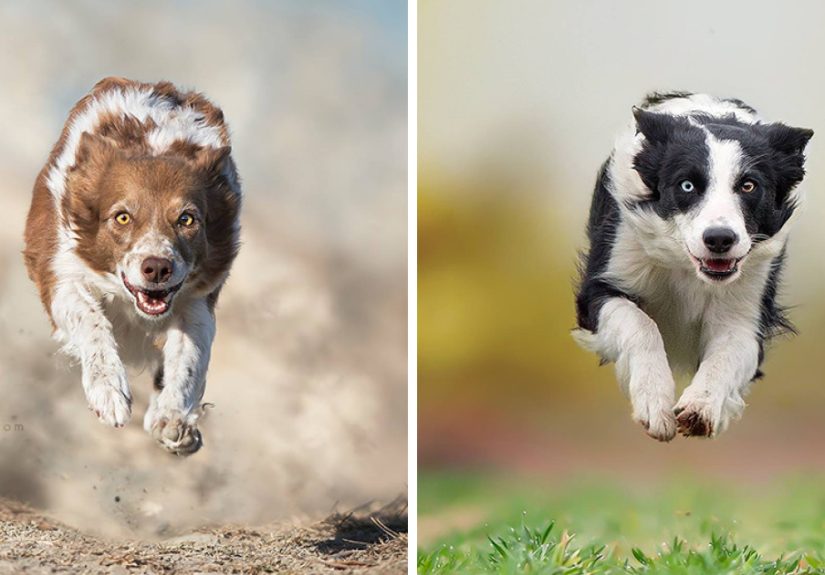
When I photograph “flying dogs,” I am not trying to make dogs look elegant in the traditional, portrait-studio sense. I am trying to catch something more honest. Midair dog photography freezes the split second when instinct, joy, obsession, athleticism, and glorious nonsense all collide. The result is often hilarious. Tongues go rogue. Ears become abstract art. Eyes widen with the intensity of a Wall Street trader during a market crash. But the humor is not the whole point. The point is revelation.
A dog in motion often tells the truth faster than a dog told to sit still.
That is why “flying dog” photography works so well. It captures spirit instead of posture. It shows desire instead of obedience. It reveals what a dog cares about, how a dog moves, how a dog anticipates, and how a dog throws its entire soul into one ridiculous leap. In a world full of polished pet portraits, that kind of image feels alive.
Why “Flying Dogs” Fascinate Us
Part of the appeal is simple: action shots are fun. They are full of surprise, tension, and timing. You look at a dog suspended in midair and your brain instantly starts filling in the story. Was the dog chasing a ball? Catching a treat? Racing toward its favorite human? Landing gracefully? Probably not landing gracefully, if we are being honest.
But the deeper reason these photos connect is that dogs are expressive animals. They communicate constantly through posture, movement, face shape, tail carriage, ear position, and eye contact. A relaxed, playful dog often has loose body language, exaggerated bouncy movement, and the kind of open-mouthed expression that makes it look like it is laughing at its own joke. A play bow can be an invitation to fun. A whole-body wiggle can look like pure delight. In other words, dogs do not only move. They emote at full volume.
That is exactly why a midair image can feel more revealing than a still portrait. In motion, the dog stops performing for the camera and starts acting like itself. The leap becomes a personality test. Some dogs spring upward like gymnasts. Some charge like linebackers. Some drift through the frame with ridiculous confidence. Others look shocked that gravity has betrayed them. Every version is useful. Every version says something real.
Modern dog photography has embraced this truth in a big way. One of the most recognizable examples came from photographer Christian Vieler, whose now-famous work freezing dogs lunging for treats showed the internet what many dog lovers already suspected: canine joy can be both soulful and absolutely unhinged. His photographs helped popularize the idea that the funniest frame may also be the most emotionally accurate.
What a Midair Dog Photo Really Reveals
Joy looks athletic, but also a little ridiculous
One of the best things about photographing flying dogs is that it blows up the myth that beauty must be tidy. Dogs are not tidy. They are sincere. A leaping dog is all commitment. There is no half-hearted jump. No strategic posing. No subtle angle adjustment. Once the dog decides that object, toy, or treat matters, the whole body joins the negotiation.
That total commitment is what reads as spirit. You see drive. You see confidence. You see focus. You also see the comedy of a face stretching around speed and anticipation. And that comedy matters, because humor is part of how dogs bond with us. They are not polished creatures. They are emotionally available weirdos. A great action portrait honors that.
Personality becomes easier to see in motion
Spend enough time photographing dogs and one thing becomes obvious: not all enthusiasm looks the same. A border collie may look laser-focused, almost strategic, even while airborne. A Labrador may launch with the optimism of a creature who believes every problem in life can be solved by catching one more snack. A terrier may seem fueled by chaos, caffeine, and unresolved historical grievances. A senior dog might not jump high at all, but one quick trot, ear perk, or bright-eyed reach can still say everything.
That is why action photography is not only about athletic dogs doing impressive stunts. It is about discovering how each dog expresses interest, excitement, curiosity, and trust. The “true spirit” is not always the biggest leap. Sometimes it is the little bounce before the leap, the determined stare, the crooked takeoff, or the triumphant face after the catch.
Not every dramatic expression means a dog is having fun
This is where good photography must be paired with good judgment. A dog can look intense in a frame for many reasons. Wide eyes, pinned ears, repeated lip-licking, whale eye, excessive panting, or avoidance can signal stress rather than joy. That matters. A responsible photographer does not chase a viral image at the dog’s expense.
The best flying dog photos happen when the animal is relaxed, engaged, motivated, and safe. That usually means reading body language before reading camera settings. If a dog is loose, playful, eager, and recovering quickly between attempts, the session is probably on the right track. If a dog looks overwhelmed, shuts down, avoids interaction, or becomes frantic, the photographer should slow down or stop. A strong image is never worth bulldozing the subject’s comfort.
How to Photograph “Flying Dogs” Without Losing the Dog in the Chaos
Behavior first, camera second
The smartest pet photographers know that dog photography is not really about dogs holding still. It is about understanding motivation. Some dogs work for treats. Some work for toys. Some work for praise. Some would like you to believe they are above such primitive rewards, then immediately perform a backflip for freeze-dried liver.
Before I try to capture an airborne frame, I want to know what lights the dog up and what makes the dog uneasy. I watch how it enters the space. Does it sniff calmly? Does it fixate on a ball? Does it perk up at squeaky sounds? Does it prefer distance before engaging? Those details help shape the shoot. They also help keep the dog comfortable, which usually leads to better photos anyway. Funny thing about animals: they tend to look more like themselves when they are allowed to be themselves.
Short, upbeat sessions matter too. Dogs do better when the experience feels like a game, not a job interview. Reward-based interaction helps maintain trust and attention. Repetition should be measured, not endless. The goal is to leave the dog wanting one more round, not drafting a complaint letter to management.
Use settings that can keep up
Technically, this style of photography asks a lot from the camera. Dogs move fast, change direction quickly, and rarely consult your focus plan. That means you need settings that favor speed and forgiveness. A fast shutter speed is the backbone of the whole operation. For true midair action, many photographers start around 1/500 second and push toward 1/1000 second or higher for jumps and runs. Burst mode is a gift from the camera gods. Use it. One frame might show a dog blinking. The next might show airborne brilliance.
Continuous autofocus or subject tracking also helps, especially with cameras that can detect or follow animal eyes. The less time you spend wrestling focus, the more time you spend watching timing and expression. A slightly wider framing can be a lifesaver too. If you crop later, no one will know you played it safe. If you shoot too tight and cut off the ears, the internet will forgive you, but you will not forgive yourself.
A wider aperture can separate the dog from a cluttered background and keep the image feeling dramatic instead of busy. And if the dog has dark fur, thoughtful editing afterward can help recover detail around the eyes and face without making the image look fake. The goal in post-production is not to invent personality. It is to let the existing personality read more clearly.
Sound, timing, and tiny bribes
Attention-grabbing sounds can help, but they are not unlimited resources. Dogs tend to respond most strongly the first few times they hear a weird noise, squeak, chirp, or absurd human sound effect. After that, the novelty fades. So timing matters. Use the sound when you need the ears up or the eyes engaged, then move on.
Treat tossing also takes practice. Too low and the dog barely lifts. Too high and you accidentally create a physics experiment. Too many treats and the session turns into snack-based chaos. Small rewards, clean timing, and a predictable rhythm are usually best. You are trying to photograph enthusiasm, not launch a buffet into low Earth orbit.
Why These Photos Feel More Honest Than Perfect Portraits
Traditional dog portraits can be beautiful. A calm head tilt in golden-hour light will always have a place in the world. But “flying dog” photography offers something different. It reveals the dog as an active participant, not just a passive subject. The dog is not merely being looked at. The dog is doing something. Wanting something. Chasing something. Becoming unmistakably itself.
That distinction is a big one. In still portraits, humans often project meaning onto animals. In action shots, the animal contributes more of its own. The image becomes a collaboration between instinct and timing. That is why the best frames feel less staged and more discovered.
And yes, some of those discovered truths are very funny. A midair dog can look noble in one frame and like a tax auditor who just saw free mozzarella in the next. But humor does not cheapen the image. Humor humanizes the experience for us while preserving the dog’s individuality. We laugh because the dog is so committed, so expressive, and so gloriously unconcerned with dignity. There is something refreshing about that kind of honesty.
The Ethics of Chasing the Shot
Safety beats spectacle
If there is one rule that matters most, it is this: the dog’s welfare comes first. Not every dog should be photographed jumping. Not every dog enjoys high-energy sessions. Puppies, seniors, dogs recovering from injury, brachycephalic breeds, heat-sensitive dogs, and anxious dogs all require extra care and, often, a completely different approach.
Good photographers adapt. They use safe footing. They avoid overexertion. They keep water nearby. They do not push repeated leaps on hard surfaces. They stop before the dog is exhausted. They also recognize that some of the most revealing images are not huge jumps at all. A low bounce, a playful head toss, a fast trot toward the lens, or a treat-catching face can still capture spirit beautifully.
Know when the dog says “I’m done”
Dogs communicate long before they hit a breaking point. If a session starts to feel flat, distracted, frantic, or tense, the dog is usually telling you something. Maybe the environment is too loud. Maybe the floor feels strange. Maybe the rewards are wrong. Maybe the dog would simply prefer to go home and judge you from the back seat. Fair enough.
The most successful photographers treat these signals as information, not inconvenience. Respecting the dog’s limits does not ruin the art. It improves it. Trust has a look, and cameras are surprisingly good at catching it.
Field Notes: What the Experience of Photographing “Flying Dogs” Really Feels Like
Photographing flying dogs never feels like a sterile studio exercise to me. It feels like standing inside a tiny, joyful storm. The first few minutes are always about introductions. I crouch down, let the dog investigate me, and wait for the room to settle into a rhythm. Some dogs march in like they own the building. Some slink in and need a minute. Some lock onto the treat pouch with the intensity of a detective who has just cracked the case. That opening moment tells me almost everything.
Then the session begins to change shape. The owner relaxes. The dog starts to understand the game. The first leap is usually clumsy, the second more confident, and by the fifth or sixth try the dog often invents its own style. That is my favorite part. You can almost see personality becoming physical. A shy dog turns mischievous. A busy dog turns theatrical. A supposedly “serious” dog suddenly makes a face so absurd that everyone in the room loses composure. Those are the moments I chase.
There is also a strange intimacy in the work. I am not just photographing speed. I am studying trust. The dog is making a decision, over and over, to engage, to play, to launch, to believe that this weird little setup with the camera and the snacks is worth its energy. When it works, the frame holds more than motion. It holds willingness. It holds the relationship between the dog and the people around it. Sometimes the owner starts laughing, sometimes tearing up, because the expression on the screen is exactly the dog they know at home but have never managed to freeze in a single image.
Of course, not every session is graceful. Treats miss the mark. Dogs fake me out. I miss focus. Someone drools on the lens. Once in a while, a dog decides that the real sport is outsmarting the photographer, not catching the reward. Honestly, those sessions can be the best ones. They remind me that the whole point is not perfection. It is truth with fur on it.
After years of doing this, I have learned that the best flying dog photograph is not necessarily the highest jump or the most dramatic catch. It is the frame that makes you say, “There you are.” That might be a wild leap with all four paws off the ground. It might be a crooked little hop and one spectacularly determined face. Either way, when I get that shot, I know I have not merely photographed a dog in motion. I have photographed a character, a heartbeat, a comic genius, a loyal friend. I have photographed spirit.
Conclusion
To photograph “flying dogs” well is to balance chaos and care. You need timing, technical skill, and a willingness to embrace the ridiculous. But more than that, you need respect for the animal in front of the lens. The best images do not force personality into view. They create the conditions for personality to appear on its own.
That is why these photographs endure. They are funny, yes. They are dramatic, yes. But they are also honest. In one airborne instant, a dog can reveal playfulness, confidence, determination, appetite, trust, and comic brilliance all at once. The leap is fleeting. The expression is unforgettable. And the spirit? It was there the whole time. The camera just happened to catch up.