Table of Contents >> Show >> Hide
- Why this question is trickier than it sounds
- What garlic actually is (botanically speaking)
- So… is garlic a vegetable?
- Why people argue about garlic’s “vegetable status”
- How chefs and home cooks actually use garlic
- Nutrition: small clove, big personality
- Garlic in the garden: proof it’s a “real” vegetable crop
- How to answer “Is garlic a vegetable?” without starting a group chat debate
- Conclusion
- Real-World Garlic Experiences (and What They Teach Us)
- SEO Tags
Garlic has the kind of résumé that makes a LinkedIn recruiter blink. It’s a “vegetable” in the produce aisle, a “spice” in your pantry, an “aromatic”
in chef-speak, andwhen you forget you already added itan “oops” in your pasta sauce.
So, is garlic a vegetable? The most accurate (and least annoying) answer is: yesgarlic is considered a vegetable, especially in culinary
and nutrition contexts. Botanically, it’s a bulb from a bulb-forming plant in the Allium group (think onions, leeks, chives).
The confusion comes from the fact that we usually use it like seasoning, not like a side of steamed broccoli.
Why this question is trickier than it sounds
“Vegetable” isn’t a strict botanical category the way “fruit” is. In everyday English, vegetable basically means “an edible part of a plant
(especially savory) that we treat as food,” which can include roots, stems, leaves, bulbs, and more. That broadness is both the magic and the mess.
Botany vs. the kitchen: two different rulebooks
In botany, plants are categorized by structures and reproduction. In cooking, foods are categorized by how we use them: sweet vs. savory, raw vs. cooked,
main ingredient vs. flavor base. Garlic lives in the overlapscientifically specific, culinarily flexible.
What garlic actually is (botanically speaking)
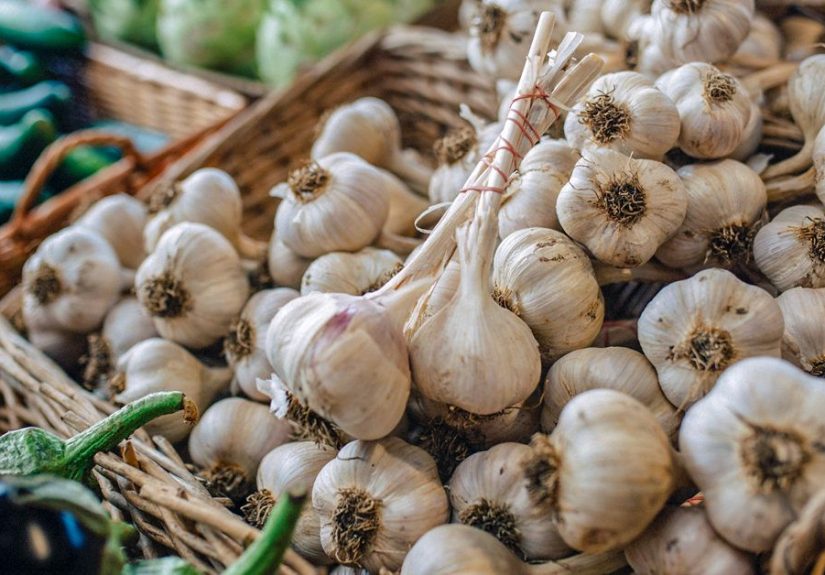
Garlic is Allium sativum, a bulb-forming plant grown for the underground head we break into cloves. If you’ve ever peeled garlic and found
yourself removing papery skins like you’re unwrapping a tiny, angry presentcongrats, you’ve met the bulb’s protective layers.
The “bulb” part is key
A bulb is a storage organ. It’s how the plant packs away energy so it can survive and regrow. In garlic, that storage organ is divided into
cloves, each capable of producing a new plant when planted. That’s why garlic is usually grown from cloves rather than true seeds.
Bonus plot twist: cloves aren’t “seeds”
A garlic clove is a piece of the bulbmore like a starter kit than a seed. Plant a clove, and you get a new bulb. That’s one reason garlic feels “vegetable-garden
official”: it behaves like a crop, not like a sprinkle-only condiment.
So… is garlic a vegetable?
In the produce aisle and the kitchen: yes
In culinary terms, garlic is treated as a vegetable because it’s an edible plant part used in savory dishes. It’s especially common as an
aromatic vegetablea flavor foundation you cook in oil or butter before adding the “main” ingredients.
In nutrition and food-group terms: also yes
In U.S. food guidance, garlic shows up under the Vegetable Groupspecifically in the “other vegetables” subgroup. That doesn’t mean anyone is
recommending you eat a bowl of garlic like popcorn. It means garlic counts as a vegetable food (even if it’s usually used in small amounts).
In your spice rack: “yes, but with a job change”
Here’s where people get whiplash. Garlic can be:
- A vegetable ingredient (fresh cloves, minced garlic, roasted heads)
- A seasoning (garlic powder, granulated garlic, garlic salt blends)
- An aromatic (sautéed at the start of cooking for flavor)
Same plant, different format, different role. Garlic isn’t confusedit’s versatile.
Why people argue about garlic’s “vegetable status”
Because we rarely eat it like a standalone side
Most vegetables get center-stage treatment: roasted carrots, grilled zucchini, sautéed spinach. Garlic is usually supporting castmore “soundtrack” than “lead actor.”
But plenty of foods we count as vegetables are often used in small amounts (like scallions or ginger), and they’re still vegetables.
Because “vegetable” feels like it should mean “leafy and innocent”
Garlic is neither leafy nor innocent. It’s bold. It lingers. It has a fan club and a reputation. And it still counts.
Because bulbs are the underappreciated middle child of plant parts
People are familiar with roots (carrots), stems (celery), leaves (lettuce), and fruits (tomatoes). Bulbs feel like a category you only meet when you replace a lamp.
But in food, bulbs are classic vegetables: onion, garlic, fennel bulb, shallotthis is a legitimate vegetable neighborhood.
How chefs and home cooks actually use garlic
When garlic acts like a vegetable
- Roasted whole garlic: cut the top off a head, drizzle oil, roast, and squeeze the softened cloves like savory toothpaste (in a good way).
- Garlic confit: slow-cooked cloves in oil until mellow and spreadablegreat on toast, mashed potatoes, or mixed into sauces.
- Garlic-forward dishes: garlic soup, garlic noodles, chicken with “40 cloves,” or any recipe where garlic is doing the heavy lifting.
When garlic acts like a seasoning
- Flavor base: sautéed with onions, peppers, celery, or ginger depending on cuisine.
- Dry format: garlic powder in rubs, popcorn seasoning, dressings, or dips where you want flavor without the texture of fresh garlic.
- Finishing move: grated raw garlic into vinaigrettes, aioli, or yogurt sauces when you want sharp bite.
Nutrition: small clove, big personality
Garlic is typically eaten in small quantities, so it won’t “carry” your daily nutrition the way a salad might. But it does contribute compounds and micronutrients
in modest amountsand it’s famously low in calories.
Approximate nutrition for 1 raw clove (about 3 grams)
| Nutrient | Approx. amount | Why it matters (in plain English) |
|---|---|---|
| Calories | ~4 | Garlic adds flavor without moving your calorie needle. |
| Carbs | ~1 g | Mostly tiny amountsbecause the serving is tiny. |
| Protein | ~0.2 g | Not a protein source, just a cameo. |
| Fat | ~0 g | The fat usually comes from what you cook it in (olive oil, butter). |
If you’ve heard garlic hyped for health reasons, you’re not imagining the interestgarlic contains sulfur compounds that have been studied a lot. But for everyday
eating, the simplest truth is: garlic helps you make vegetables taste better. And that’s a public service.
Garlic in the garden: proof it’s a “real” vegetable crop
Gardeners tend to treat garlic like a classic vegetable: you plant it, weed it, harvest it, cure it, and brag about it. (Bragging is optional, but encouraged.)
Hardneck vs. softneck (and why you should care)
- Hardneck varieties often produce a curly flowering stalk called a scape. Scapes are edible and deliciousthink mild garlic + green bean vibes.
- Softneck varieties are commonly sold in grocery stores and often store longer. They’re also the ones you can braid for that “rustic kitchen” look.
Elephant garlic is the family friend who isn’t technically family
Elephant garlic is huge and mild, but it isn’t “true garlic” in the strict senseit’s closer to a type of leek. If you’ve ever bought elephant garlic expecting
maximum garlic punch and instead got a polite whisper, now you know why.
How to answer “Is garlic a vegetable?” without starting a group chat debate
- Yesgarlic is considered a vegetable (it’s an edible plant part, and it’s even listed in vegetable food-group guidance).
- Botanically, it’s a bulb from an allium plant.
- Culinarily, we use it like a seasoning because it’s powerful and usually eaten in small amounts.
- Practically, it’s whatever makes your dinner taste like you meant to cook.
Conclusion
Garlic is a vegetablespecifically a bulb vegetablewhether you’re looking at it through a culinary lens, a gardening lens, or a U.S. food-group lens.
The reason it feels debatable is that garlic is often used as a flavor tool rather than a “side dish vegetable.” But vegetable status isn’t determined by how loudly
you can hear it crunch. It’s determined by what it is: an edible part of a plant used as food.
So the next time someone says, “Garlic doesn’t countit’s basically a spice,” you can smile and say:
“Sure. A spice… that grows in my vegetable garden, lives in the produce aisle, and is literally a plant part we eat. But go off.”
Real-World Garlic Experiences (and What They Teach Us)
Ask ten people whether garlic is a vegetable and you’ll get eleven answersbecause most of our “classification” happens in real life, not textbooks. In everyday
kitchens, garlic behaves like a vegetable that moonlights as a seasoning. That’s why your experience with it can feel contradictory, depending on what you’re doing.
Experience #1: The “one clove” lie
Many recipes confidently request “1 clove of garlic,” as if cloves are standardized units like teaspoons. In reality, cloves range from dainty to
“this could be used as a paperweight.” Home cooks quickly learn that garlic is measured with the heart, not the ruler. This experience pushes garlic into the
seasoning category psychologicallybecause we treat it like salt: adjust to taste.
Experience #2: Roasting turns garlic into a vegetable side character
Roast a whole head of garlic and something magical happens: the sharp bite mellows into a soft, sweet, spreadable paste. Suddenly garlic stops acting like a
sprinkle-only spice and starts behaving like a real ingredient you can smear on bread, fold into mashed potatoes, or whisk into soup. People who “don’t like garlic”
often discover they don’t like raw garlic’s intensitybut they love roasted garlic’s mellow vegetable sweetness. That transformation is your sensory proof
that garlic is more than a powder in a shaker.
Experience #3: Garlic breath is an equal-opportunity consequence
If garlic were “just a spice,” it probably wouldn’t announce itself at tomorrow’s meeting. Yet garlic’s aroma can linger because its compounds don’t simply stay in
your mouththey can make a longer cameo. That’s why garlic breath feels like a rite of passage: you ate something plant-based and potent. People often joke about it,
but it also teaches a practical lesson: the format matters. Raw minced garlic hits harder (and longer) than garlic simmered into a sauce.
Experience #4: Growing garlic feels exactly like growing vegetables
Gardeners plant cloves, watch green shoots appear, and wait for the underground bulb to size up. Then comes harvest, curing, and storagesteps that feel much more
like onions or potatoes than like “herbs.” If you’ve ever hung garlic to dry or stored bulbs in a cool, airy spot, you’ve treated garlic like a classic vegetable crop.
Even shopping habits reinforce this: fresh garlic is bought alongside onions and potatoes in the produce section, not alongside cinnamon and paprika.
Experience #5: Garlic scapes change minds
People who grow hardneck garlic often end up eating scapesthose curly green stalks that show up like botanical question marks. Scapes are sliced into stir-fries,
blended into pesto, grilled, or pickled. The first time someone eats garlic as a green vegetable rather than a clove, the “is it a vegetable?” debate tends to end.
It’s hard to argue with a plate of sautéed scapes that tastes like garlicky asparagus.
Taken together, these everyday experiences point to the same conclusion: garlic’s identity depends on how you use it, but its foundation is still vegetable.
It grows like a vegetable, sells like a vegetable, andwhen you stop treating it like a background charactereats like a vegetable too.