Table of Contents >> Show >> Hide
- The Short Verdict: Fall Usually Wins for Most Hardy Perennials
- Why Spring Still Has a Strong Case
- What the 3 Garden Pros Really Agree On
- So When Should You Plant Perennials in Fall?
- And When Is Spring the Better Bet?
- Examples: Which Perennials Lean Fall, and Which Lean Spring?
- Mistakes That Make Either Season Fail
- The Bottom Line
- Gardener Experiences: What This Looks Like in Real Life
- Conclusion
Note: The article below was synthesized from a dozen U.S. horticulture sources, including guidance from Penn State Extension, University of Maryland Extension, Illinois Extension, Clemson HGIC, Iowa State Extension, UNH Extension, Utah State Extension
CSU Engagement and Extension
+3
Southern Living
+3
Home & Garden Information Center
+3
n Living. Across those sources, the broad consensus is that fall is usually best for many hardy perennials because roots keep growing in warm soil while air temperatures are cooler, but spring is better for fall-bloomers, late-season purchases, tender plants, and some cold-climate or bare-root situations.
Home & Garden Information Center
+11
Southern Living
+11
Home & Garden Information Center
+11
article>
Note: Planting windows vary by USDA zone, local frost dates, soil drainage, and the type of perennial you are growing. The best season is not always the same for every plant or every garden.
If you have ever stood in a garden center holding a perfectly innocent pot of coneflower and wondered, “Should I plant this now or wait until spring?” welcome to one of gardening’s most popular annual episodes of mild panic. The good news is that this question actually has a useful answer. The even better news is that the answer is not “it depends” in the most annoying way possible.
Ask three garden prosfrom extension offices, botanic gardens, and plant trial programsand the same pattern keeps showing up: for many hardy perennials, fall is usually the better planting season. Why? Because fall gives roots a head start. The soil is still warm, the air is cooler, and the plant can focus less on pushing leaves and flowers and more on settling in underground like a renter who finally found a decent apartment.
That said, spring is not the loser in this story. In fact, it is often the smarter season for fall-blooming perennials, tender varieties, bare-root plants, or gardeners in very cold climates who miss the fall planting window. So the real expert answer is this: fall wins most of the time, but spring is still the right call in several very common situations.
The Short Verdict: Fall Usually Wins for Most Hardy Perennials
For a wide range of hardy perennials, planting in fall offers the best balance of root growth, reduced stress, and stronger performance the following year. Garden pros like fall because the plant is not being asked to do everything at once. In spring, a perennial often has to grow roots, make leaves, and sometimes bloom almost immediately. In fall, the plant can skip the dramatic above-ground performance and quietly get to work below the surface.
That root-first rhythm matters. A well-rooted perennial usually heads into spring with more stability, better access to moisture, and a stronger shot at fuller growth. That is why fall-planted perennials often emerge earlier, bulk up faster, and bloom more confidently the next season. In plain English: they wake up ready, while spring-planted ones may still be trying to remember where they live.
Why fall planting works so well
There are a few practical reasons fall gets so much professional love:
- Warm soil encourages root growth. Even after air temperatures cool down, soil often stays warm enough for roots to keep developing.
- Cooler air means less stress. Plants lose less moisture in mild weather than they do during summer heat.
- Rain often becomes more reliable. In many regions, fall conditions are kinder to new transplants than late spring heat waves.
- Spring gets easier. A plant that rooted in fall can spend spring growing and blooming instead of just recovering from transplant shock.
This is especially true for many spring- and summer-blooming perennials. If you plant them in early fall, they often have enough time to establish before winter and then take off once temperatures warm up again.
Why Spring Still Has a Strong Case
Now for the part where spring gets the microphone back. Even though fall is often ideal, it is not automatically the best season for every perennial in every climate. In fact, spring is often the more reliable option when a plant needs a full growing season to settle in before winter.
Spring is often better for fall-blooming perennials
A classic rule used by many horticulturists is simple: divide or move plants opposite their bloom season. Spring bloomers are often divided in late summer or early fall, while fall bloomers are usually divided or planted in spring. This helps avoid interrupting the plant when it is trying to flower and gives it time to recover before bloom season.
So if you are planting or dividing asters, mums, or other late-season stars, spring is usually the cleaner choice. Planting them too late in fall can leave them with too little time to root in before cold weather arrives. That is one reason fall mums sometimes behave like seasonal decorations instead of faithful long-term residents.
Spring is safer in colder climates or for late purchases
If you garden in a region with early freezes, brutal winters, or freeze-thaw cycles that heave plants out of the ground, spring may be safer unless you can plant early enough in fall. A tiny perennial popped into the ground two weeks before a hard freeze is not “established.” It is just surprised.
Spring is also a smart choice if:
- you missed the ideal fall window,
- the plant is tender or only marginally hardy in your zone,
- the soil stays soggy all winter,
- you are planting bare-root stock in a colder region, or
- you bought blooming plants late in the season because they looked irresistible and you are only human.
What the 3 Garden Pros Really Agree On
The fun part of this debate is that professionals often sound like they disagreeuntil you actually line up what they are saying. Then it becomes obvious they are mostly agreeing from different angles.
Pro takeaway #1: Fall is best for root establishment
Extension specialists and nursery growers consistently point to fall as the best season for building roots without the stress of summer heat. That is the big advantage. Plants do not have to spend energy on a full top-growth show right away, so more effort can go underground where long-term success begins.
Pro takeaway #2: Bloom season matters
Botanic garden advice often emphasizes timing by bloom cycle. Spring bloomers generally do best when moved in fall, while fall bloomers do better when planted or divided in spring. This is less about tradition and more about plant biology. Disturb a plant right before its main performance, and it may pout for a season.
Pro takeaway #3: The calendar matters more than the season label
Pros also agree that saying “fall” or “spring” is not enough. Early fall and early spring are the real sweet spots. Planting too late in fall can leave roots underdeveloped. Planting too late in spring can expose a stressed transplant to rising heat before it has settled in. In both seasons, timing beats optimism.
So When Should You Plant Perennials in Fall?
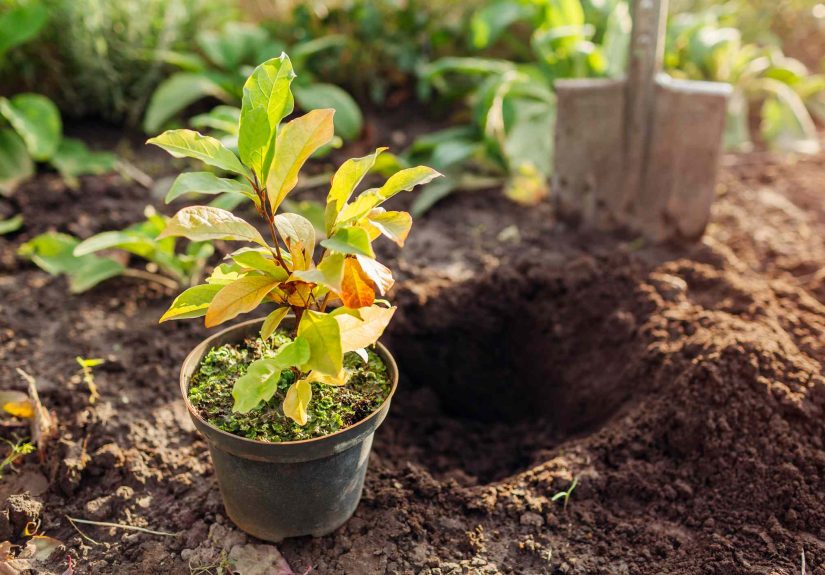
The best rule is to plant at least six weeks before your average first hard frost. That gives roots time to develop before the ground freezes. In many regions, that means early to mid-fall is ideal, not the very end of the season when everyone is wearing sweaters and making soup.
If you are planting in fall, keep these tips in mind:
- Water deeply after planting and continue watering until the ground freezes if rainfall is light.
- Mulch after the soil cools to help reduce temperature swings and frost heaving.
- Avoid high-nitrogen fertilizer that encourages tender top growth late in the season.
- Do not plant too deep; the crown should sit at the proper soil level.
- Choose healthy, well-rooted plants rather than straggly end-of-season leftovers.
And When Is Spring the Better Bet?
Spring planting is best done after the danger of hard frost has passed but before hot weather arrives. That “not too early, not too late” window gives new perennials time to root in before summer stress kicks in.
Spring is the better option when you are planting:
- fall-blooming perennials such as asters and mums,
- bare-root perennials in colder climates,
- plants that are borderline hardy in your zone,
- species prone to winter rot in heavy, wet soil, or
- anything you bought too late in fall to establish safely.
Spring-planted perennials will need more hands-on care through summer, especially watering. They can still do beautifully, but they usually need a little more babysitting while they establish.
Examples: Which Perennials Lean Fall, and Which Lean Spring?
Good candidates for fall planting
Many gardeners have success planting hardy, established perennials such as peony, iris, daylily, garden phlox, oriental poppy, and spring-blooming phlox in late summer or early fall. These plants often appreciate cooler conditions and extra root time before the next growing season.
Better planted in spring
Late-blooming perennials, newly purchased mums, tender or marginally hardy plants, and bare-root perennials in colder areas are often safer in spring. If the plant is likely to struggle through its first winter without a strong root system, spring gives it a longer runway.
Mistakes That Make Either Season Fail
Gardeners love blaming the season, but the real culprit is often technique. A perennial planted at the wrong depth, in poorly drained soil, or without enough water can fail whether it goes in during April or October.
Watch out for these common mistakes:
- planting too late in fall,
- planting too late in spring right before heat arrives,
- ignoring drainage, especially in winter-wet soil,
- letting new plants dry out,
- assuming mulch can fix a weak root system, and
- buying a plant because it looked pretty without checking whether it is actually suited to your zone.
The Bottom Line
If you want the cleanest expert-backed answer, here it is: for most hardy perennials, fall is better than spring. It gives roots time to establish in warm soil, reduces transplant stress, and often leads to stronger growth the next year. But spring is the smarter season for fall bloomers, tender plants, bare-root stock in colder climates, and any perennial that would not have enough time to settle in before winter.
So no, gardeners do not need to argue about this forever near the mulch pile. The practical answer is simple: plant hardy perennials in early fall when you can, and use spring strategically when the plant or your climate calls for it. That is not a frustrating “it depends.” That is a useful “here is how to win.”
Gardener Experiences: What This Looks Like in Real Life
In real gardens, the difference between fall and spring planting usually shows up in subtle ways first, then obvious ones later. A gardener who plants a group of salvias, coneflowers, or catmint in early fall may not see much drama right away. There is no instant standing ovation. The plants often sit there looking perfectly unimpressed, as if they are too cool for the whole project. But the following spring, those same plants often emerge with surprising confidence. They leaf out faster, fill in more evenly, and seem to need less coaxing. Many gardeners describe this as the moment they finally understand why experienced growers keep preaching the gospel of fall planting.
Spring planting feels more exciting in the moment because everything is waking up together. Garden centers are packed, carts are squeaking, and every pot looks like a future masterpiece. There is a real emotional advantage to spring: gardeners are energized, the weather is pleasant, and planting feels like part of the season’s grand opening. But that excitement can also hide the workload. A perennial planted in spring often needs regular watering through its first summer, some shade from intense heat in warm regions, and a little patience when it spends the season establishing rather than blooming heavily. Gardeners sometimes assume the plant is underperforming, when in reality it is doing exactly what a young perennial often doesbuilding roots first and saving the big show for later.
Fall, on the other hand, tends to reward patient gardeners. People who plant peonies, iris, or daylilies in early fall often say the bed looks almost unchanged for weeks, then suddenly performs much better than expected the next year. That delayed payoff is one reason experienced gardeners love fall so much. It is quiet work with a loud future result.
There are also plenty of stories showing where spring wins. Gardeners who try to tuck mums or asters into the ground very late in fall often learn a hard lesson by the following spring when half the plants do not return. The same goes for gardeners in colder climates who buy bargain perennials late in the season and assume a little mulch will solve everything. Sometimes it does not. Sometimes mulch is more like a nice blanket than a miracle. If roots did not establish, winter can still be rough.
Another common experience involves timing by bloom season. Gardeners who divide spring bloomers after flowering or in early fall often get better results than those who disturb them right before bloom. Likewise, gardeners who divide fall bloomers in spring usually report a smoother recovery. In other words, the old advice works because plants really do respond better when moved during a less stressful phase of their growth cycle.
The most successful gardeners are usually the ones who stop treating the calendar like a strict rule and start treating it like a guide. They look at soil warmth, weather patterns, plant type, and local frost dates. They know that a perennial planted in ideal fall conditions can outperform a spring planting, but they also know that a rushed fall job can be worse than a careful spring one. That is the real lived experience behind all the expert advice: the best season is the one that gives the plant enough time, enough moisture, and the least amount of stress to settle in and thrive.
Conclusion
So, is it better to plant perennials in fall or spring? In most cases, fall is the better choice for hardy perennials because it supports strong root growth ahead of spring. But the smartest gardeners know when to break the rule. For fall-bloomers, tender plants, cold-region bare-root stock, or anything planted too late in autumn, spring is the better move. The winning strategy is not choosing one season forever. It is planting the right perennial in the right season for the right reason.
“` :