Table of Contents >> Show >> Hide
- The “Kellyoke” Moment That Turned a Regular Day Into an ‘80s Thunderstorm
- Why “Total Eclipse of the Heart” Is Karaoke Mount Everest (With More Fog)
- How Kelly Clarkson Made the Cover Feel Fresh (Without Disrespecting the Original)
- The Internet Reaction: Goosebumps, Caps Lock, and “Please Release This” Energy
- Bonnie Tyler’s Shadow Is LongAnd Kelly Didn’t Try to Escape It
- Why “Kellyoke” Covers Go Viral (And Why This One Had Extra Rocket Fuel)
- What the Cover Reveals About Kelly Clarkson’s Artist Cred
- Want to Sing It Yourself Without Scaring the Neighbors?
- Conclusion: One Cover, Two Legends, and a Whole Lot of Goosebumps
- Extra: The Experience of Watching This Cover in Real Life ( of Relatable Chaos)
Some days, daytime TV is background noise: a mug of coffee, a half-listened-to interview, a quick scroll while someone demonstrates a life-changing
way to fold a fitted sheet (spoiler: it’s still witchcraft). And then there are those dayswhen a “just a quick cover” turns into a
full-body emotional event and you realize you’ve been sitting perfectly still for three minutes like a museum statue who just discovered feelings.
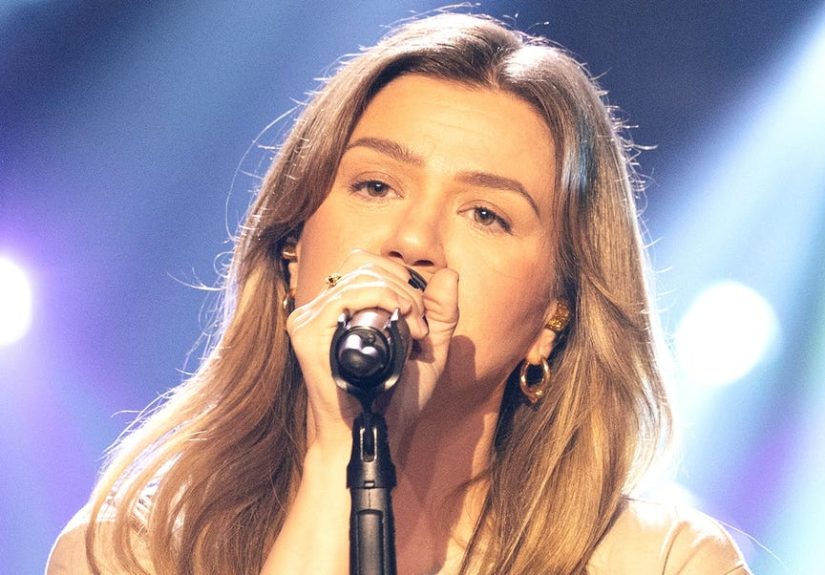
That’s what happened when Kelly Clarkson stepped into her Kellyoke spotlight and took on Bonnie Tyler’s
“Total Eclipse of the Heart”. The internet didn’t merely applaud. It short-circuited. Fans called it goosebump-inducing, breath-stealing,
andmost tellinglybegged for an official release like it was water in a desert and they’d been hiking in sequins.
The “Kellyoke” Moment That Turned a Regular Day Into an ‘80s Thunderstorm
Not a costume, not a gimmickjust a voice doing what it does
The setup was deceptively simple. No theatrical cape. No smoke machine shaped like a heart. Kelly walked out looking refreshingly unbotheredcasual,
comfortable, and ready to let the song do the heavy lifting. That choice matters, because “Total Eclipse of the Heart” is the kind of track that can
swallow a singer whole if they try to out-drama the drama. Kelly didn’t wrestle it. She conducted it.
And she didn’t do it alone: her show’s musical team is a secret weapon, and the performance featured harmonies that felt like the best kind of
support systempresent, powerful, never distracting. If you’ve ever watched a great vocalist work with a great band, you know the feeling:
it’s not “lead singer + backup,” it’s one organism breathing together.
Why “Total Eclipse of the Heart” Is Karaoke Mount Everest (With More Fog)
A power ballad built like a gothic cathedral
Let’s be honest: “Total Eclipse of the Heart” isn’t just a song. It’s a weather event. It starts with a hush, blooms into desperate yearning, then
climbs and climbs until you’re clutching imaginary pearls you don’t even own. It’s also famously theatricalpart love story, part melodrama, part
“why are there so many emotions in this one room?”
That’s because the track was crafted by songwriter/producer Jim Steinman, a man whose artistic mission seemed to be:
“What if feelings were louder and also had a choir?” The original hit became one of the defining pop-rock anthems of the 1980s, and decades later it
still occupies a special place in American culture: wedding receptions, road trips, karaoke nights, and every time an actual solar eclipse rolls around
and people collectively decide the universe is doing promotional work.
The Bonnie Tyler blueprint: rasp, urgency, and big-screen emotion
Bonnie Tyler’s signature on the song is unmistakableraw, gravelly, urgent, like someone running toward love in heels on uneven pavement.
It’s iconic because it’s committed. She doesn’t hint at heartbreak; she moves into it and changes the address on her mail.
Covering that kind of performance is risky. Try to imitate it too closely and it becomes karaoke cosplay. Ignore it and fans feel cheated.
The sweet spot is reverence without impersonationand that’s exactly where Kelly aimed.
How Kelly Clarkson Made the Cover Feel Fresh (Without Disrespecting the Original)
Power, with restrainta flex that only great singers can pull off
Kelly Clarkson is famous for big notes, big lungs, big “how is that legal?” moments. But the magic of this cover wasn’t just volume.
It was control. She shaped lines with a softer touch at the startalmost dreamythen let intensity rise in waves. Instead of
“here’s the chorus, hold onto your wigs,” she gave the song room to evolve.
That dynamic approach does something sneaky: it makes listeners lean in. When a singer doesn’t shout the emotional peak from the first minute,
your brain stays engaged, anticipating the lift-off. By the time the big moments arrive, they feel earnedlike the song has traveled somewhere
rather than simply posed for a dramatic selfie.
Melody clarity: every word lands, every turn feels intentional
A lot of covers win on spectacle but lose the plot. This one kept the narrative intact. Kelly’s phrasing made the lyrics feel conversational in the
versesconfessional, eventhen expanded the sound as the arrangement opened up. It’s the difference between telling a story at a kitchen table and
delivering a monologue on Broadway. She did both, and somehow it didn’t feel like two different songs.
The “Turn around” moment: nostalgia, but make it cinematic
If you’ve ever heard a roomful of people sing “Turn around, bright eyes” at karaoke, you know it’s basically a public service announcement for joy.
Kelly didn’t treat it as a meme line or a crowd-pleaser checkbox. She treated it like a hook with emotional weightnostalgic, yes, but also urgent,
like it still matters. That’s why it hit so hard.
The Internet Reaction: Goosebumps, Caps Lock, and “Please Release This” Energy
Why fans said they were “breathless” (and meant it)
Fans didn’t just compliment the performance. They described physical reactionsgoosebumps, chills, that stunned “I forgot to breathe” feeling.
That might sound dramatic until you remember what a great vocal performance does: it hijacks your nervous system. You’re not deciding to tear up;
your body is simply filing paperwork without asking for permission.
A common refrain popped up across social media: “She needs to release a full covers album.” Kelly has turned “Kellyoke” into a
mini-economy of its ownshort performances that spread fast, rack up replays, and remind people that vocal talent is still the most powerful special
effect we have.
Bonnie Tyler’s Shadow Is LongAnd Kelly Didn’t Try to Escape It
Homage over overhaul
The best covers don’t “fix” the original. They translate it. Kelly’s version felt like hearing the song through a different emotional lens:
less rasp, more crystal; less rock-operatic grit, more pop-soul clarity. But the spirit stayed intactthe longing, the desperation, the
“I am not okay, but I am singing anyway” core.
That’s why fans of the original could enjoy it without feeling like their memories were being replaced. This wasn’t a reboot. It was a love letter
written in impeccable pitch.
Why “Kellyoke” Covers Go Viral (And Why This One Had Extra Rocket Fuel)
Three ingredients: recognition, surprise, and replay value
Viral covers usually hit three buttons at once:
- Recognition: Everyone knows the song, or at least knows the chorus from cultural osmosis.
- Surprise: The singer does something unexpectedan arrangement twist, a vocal choice, a fresh emotional angle.
- Replay value: You want to hear it again immediately, because your brain didn’t catch all the details the first time.
“Total Eclipse of the Heart” is already a legendary sing-along. Kelly adding her signature vocal command turns it into a
must-rewatch performance. It’s not just “wow, she can sing.” It’s “wow, she can singand she knows exactly why this song works.”
Short-form friendly, long-form satisfying
Another reason it traveled fast: the performance works in a 30-second clip, but it also rewards the full listen. That’s a rare combo.
A lot of performances go viral for one big note. This one goes viral because it’s a well-built emotional arctiny details, big payoff.
What the Cover Reveals About Kelly Clarkson’s Artist Cred
She’s not chasing trendsshe’s curating moments
In a music landscape where “relevance” often means following whatever’s new this week, Kelly’s strength is different. She’s a translator between eras:
modern audiences and classic songwriting, pop polish and rock drama, casual daytime TV and genuinely high-level musicianship.
That’s why her covers feel less like content and more like mini-concerts. A great Bonnie Tyler cover isn’t just impressive;
it’s a reminder that voicesand songscan be timeless when handled with respect and skill.
Want to Sing It Yourself Without Scaring the Neighbors?
A friendly survival guide for brave karaoke souls
If Kelly’s performance made you want to attempt the song (dangerous, but spiritually understandable), here are a few tips:
- Start quieter than you think. The song grows. If you peak in verse one, you’ll be emotionally bankrupt by chorus two.
- Pick your key wisely. The original sits in a range that can ambush even confident singers.
- Don’t sprint the phrasing. Let the lyrics breathethis is drama, not speed dating.
- Commit to the “Turn around.” If you’re going to do it, do it like it matters. (It does.)
Most importantly: make it yours. That’s the real lesson of Kelly’s version. She didn’t borrow Bonnie Tyler’s identityshe borrowed the song’s heart
and told the story in her own voice.
Conclusion: One Cover, Two Legends, and a Whole Lot of Goosebumps
Kelly Clarkson’s “Total Eclipse of the Heart” wasn’t just a strong Kellyoke performance. It was the rare cover that honors a classic
while still feeling like a new eventsomething you want to send to friends with the caption “YOU HAVE TO LISTEN,” followed by twelve exclamation points
you pretend are ironic but aren’t.
Bonnie Tyler’s original remains the blueprint: dramatic, raw, unforgettable. Kelly’s cover didn’t try to outshine it. It simply reminded everyone
what happens when an iconic song meets a vocalist who can deliver both fireworks and fine detail. And judging by the “release this now” chorus from fans,
the only real complaint is that it ends.
Extra: The Experience of Watching This Cover in Real Life ( of Relatable Chaos)
There’s a special kind of thrill in stumbling onto a performance like this in the middle of an ordinary day. You’re not in a stadium. You didn’t buy
tickets. You didn’t plan an outfit. You’re just living your life, possibly eating something that crunches too loudly, when suddenly
Kelly Clarkson starts singing a Bonnie Tyler classic and your entire schedule gets emotionally rescheduled.
The first sensation is denial. You think, “Oh, that’s cuteshe’s doing an ‘80s song.” Then the verse lands with that calm, controlled warmth, and you
realize you’re leaning closer to the screen like you’re trying to physically enter the sound. Your brain does a quick inventory: headphones? on.
Door locked? good. Responsibilities? temporarily canceled.
Next comes the group-chat reflex. You don’t even finish the performance before you start texting people. Not because you’re rudebecause it feels
selfish not to share. “DROP EVERYTHING.” “SHE’S SINGING TOTAL ECLIPSE.” “I HAVE GOOSEBUMPS WHERE I DIDN’T KNOW GOOSEBUMPS COULD LIVE.”
Someone replies, “Is it good?” and you want to respond with a screenshot of your soul leaving your body, but you settle for: “JUST PRESS PLAY.”
Then the chorus arrives and your memory kicks in. Maybe you remember the first time you heard the song at a family cookout, blasting from a car with
the windows down. Maybe you remember a karaoke night where someone bravely attempted it and everyone joined in for the “Turn around” line like it was a
community ritual. Maybe you remember nothing specificjust that the melody feels like a photograph from a time you never lived, which is basically
what the ‘80s do best.
What makes this particular cover such an experience is the way it invites you to feel things without asking you to explain them. You don’t need the
exact backstory to understand the emotion. Kelly’s voice makes the song feel personal, like a late-night confession delivered at noon. That contrast
heartbreak served with daylighthits differently. It’s why people keep replaying the clip. Not just for the big notes, but for the small choices:
the softened edges, the pauses, the way a single line can sound like a memory.
And after it’s over, you do what everyone does: you replay it. Then you replay it again “to catch the harmony.” Then again “because the bridge is insane.”
Then again because your brain has decided this is now your personality for the next two hours. You might even, against your better judgment, try singing
alongquietly at first, then louderuntil you hit a note that reminds you you are not Kelly Clarkson and never will be, but honestly? That’s fine.
The point isn’t to match her. The point is to feel how music can still stop time, even in the middle of a random weekday.
That’s the real magic of a cover like this: it doesn’t just impress. It connects. It turns nostalgia into something alive. It makes strangers
online react like a choir. And it reminds you that sometimes the best concerts happen when you weren’t even looking for one.