Table of Contents >> Show >> Hide
- Start With a “Real Life” Plan (Before You Buy Anything Cute)
- Build a Flexible Foundation: Walls, Floors, and Big Furniture
- Storage That Kids Can Actually Use (Not Just Admire)
- Create Zones: Sleep, Play, Study, and Calm
- Decor That Grows With Them (Without Starting Over)
- Lighting: The Most Underrated “Wow” Factor
- Small Kids Rooms: Big Function in a Tiny Footprint
- Shared Kids Rooms: Design Ideas to Keep the Peace
- Safety and Wellness: The Non-Negotiables
- Budget-Friendly Kids Room Decorating Ideas That Look Expensive
- Mistakes to Avoid (So You Don’t Redecorate in Despair)
- Real-Life Experiences: What Families Learn Decorating Kids’ Rooms (About )
- Conclusion: A Kids Room That Looks Great and Works Hard
Decorating a kid’s room is basically designing a tiny studio apartment for a person who thinks the floor is a closet.
The goal isn’t to create a museum (kids will defeat that in minutes). The goal is a room that works for real life:
sleep, play, learning, growing, and the occasional dramatic performance of “I can’t find my other sock.”
The best kids’ room design ideas balance three things: function (storage and layout),
flexibility (so you’re not repainting every time they discover a new obsession),
and personality (because nobody wants a room that looks like a furniture catalog had a nap).
Below are practical, stylish, and parent-tested ideasplus safety and wellness tipsso the space looks good and lives even better.
Start With a “Real Life” Plan (Before You Buy Anything Cute)
Before you fall in love with a galaxy mural or a bed shaped like a race car (which, let’s be honest, you might),
do a quick design audit. This takes 20 minutes and can save you 20 headaches.
- Measure the room (including window placement, closet doors, and where outlets actually are).
- List the must-do activities: sleep, dress, play, read, study, create art, calm down.
- Identify “pain points”: overflowing toys, no homework surface, not enough lighting, shared room drama.
- Plan for growth: choose pieces that can work from preschool to middle school (or beyond) with small updates.
Think of it like building a playlist: you need a few timeless tracks (furniture and layout) and a bunch of fun remixes
(decor and accessories) you can swap when tastes change.
Build a Flexible Foundation: Walls, Floors, and Big Furniture
Pick a Color Strategy That Won’t Expire in Six Weeks
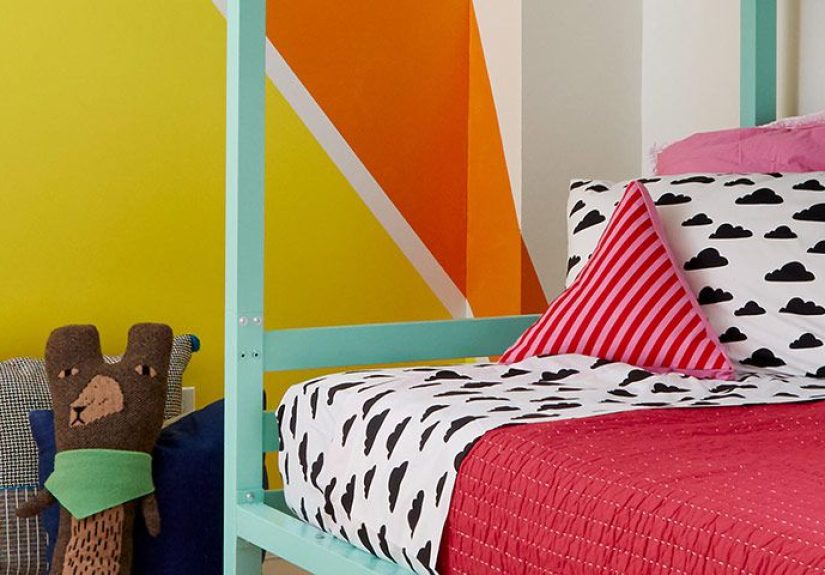
Kids love bold color. Parents love not repainting every year. The compromise: start with a calm “base” and add personality
in layers. A neutral or soft-toned wall color can make the room feel bigger and brighterand it’s the perfect backdrop
for colorful bedding, rugs, and art.
- Base color: warm white, soft greige, gentle sage, pale blue-gray, or a muted sand tone.
- Accent color: add it through pillows, curtains, a statement lamp, or one painted piece of furniture.
- Pattern pops: think removable decals, framed posters, or a bold area rug.
If you want major personality without the commitment, consider peel-and-stick wallpaper or wall decals.
They’re great for rentals and for kids who change interests faster than you can say “theme birthday party.”
Choose Materials That Can Handle Childhood
Kids’ rooms have unique “weather patterns”: spilled water, mystery crumbs, marker incidents, and high-speed toy traffic.
Look for finishes that are forgiving.
- Washable paint (scrubbable finishes make life easier).
- Performance fabrics on upholstered chairs or headboards (stain-resistant is your friend).
- Low-pile rugs that vacuum easily and don’t become a snack storage system.
- Solid, stable furniture that doesn’t wobble when a kid climbs like a tiny mountaineer.
Storage That Kids Can Actually Use (Not Just Admire)
A beautifully decorated kids’ room with no storage is like a pizza with no crust: technically possible, emotionally upsetting.
Good storage doesn’t just hide stuffit teaches habits and reduces daily chaos.
The “Three Heights” Storage Rule
To keep clutter manageable, store items at three heights based on who uses them and how often:
- Kid level (easy reach): everyday toys, favorite books, pajamas, shoes.
- Adult level (needs help): art supplies, special projects, occasional toys, extra bedding.
- Up high (out of reach): seasonal items, keepsakes, “I’m rotating this toy before it eats my soul” bins.
Make Organization Simple, Visual, and a Little Bit Fun
Kids are more likely to put things away when the system is obvious. Open bins, picture labels, and clear categories work
better than complicated drawer organizers that require a tiny MBA.
- Open bins for quick cleanup: one for blocks, one for dolls, one for cars, etc.
- Labels (words for older kids, pictures for younger ones).
- One “easy win” basket for random stuff that needs sorting later. It’s not perfect, but it’s real life.
- Toy rotation: store half the toys away and swap monthly to keep the room calmer (and toys feel “new”).
For older kids and teens, upgrade the system: drawer dividers for clothes, a charging station for devices,
and a dedicated spot for sports gear or instruments so they’re not living under the bed like forgotten roommates.
Create Zones: Sleep, Play, Study, and Calm
Zoning is the secret sauce of kids bedroom design. Even a small room can feel organized if each area has a purpose.
The trick is using layout and furniture placementnot just decorto define the zones.
Sleep Zone Ideas: Cozy, Calm, and Safe
The sleep zone should signal “rest,” even if the rest of the room says “creative tornado.”
Think soothing lighting, comfortable bedding, and minimal clutter around the bed.
- Reading nook energy: a wall-mounted sconce or clip lamp + a small shelf of bedtime books.
- Soft textures: a quilt, cotton duvet, or knit throw (age-appropriate).
- Under-bed storage: great for extra blankets, off-season clothes, or LEGO sets that are… intense.
For babies: keep nurseries calm and uncluttered. Safe sleep guidance commonly emphasizes a firm, flat sleep surface
with a fitted sheet and a clear sleep space free of loose items.
For bunk beds: prioritize safety features like sturdy guardrails and a stable ladder. If you’re buying secondhand,
confirm it meets modern safety expectations and has all parts intact.
Play Zone Ideas: Room to Build, Imagine, and Crash (Softly)
Give kids a defined play area so toys don’t migrate into the bed like unwanted bedtime guests.
A rug can anchor the play zone and make the room feel finished.
- Low shelving or cubbies: kids can grab and return toys independently.
- Art-friendly corner: small table, washable surface, and supplies in a lidded bin.
- Wall space for creativity: a framed corkboard, magnetic strip, or kid-height gallery wire for artwork.
Study Zone Ideas: Homework Without the Hunched-Over Bed Situation
If your child is school-age, a dedicated study spot is a game-changer. It doesn’t have to be huge. It has to be consistent.
- Desk or wall-mounted surface: even a compact floating desk can work in small rooms.
- Task lighting: a desk lamp reduces eye strain and makes the space feel intentional.
- Vertical organization: pegboards, corkboards, and slim wall shelves keep supplies off the desktop.
- Cord control: use clips or a cable box so chargers don’t become a tangled science experiment.
The Calm Corner: A Tiny Retreat for Big Feelings
Kids’ rooms aren’t just for sleeping and playingthey’re also where kids decompress. Consider adding a small calming zone:
a bean bag, a floor cushion, or a canopy corner with books. You’re not building a spa. You’re creating a “reset button.”
Decor That Grows With Them (Without Starting Over)
Themes can be adorablebut they can also become yesterday’s news. Instead of decorating the entire room around one character
or trend, use a “theme-lite” approach: keep big items neutral and let accents tell the story.
Smart Ways to Personalize
- Gallery wall: mix framed prints, kids’ art, and photos. Swap pieces as they grow.
- Display ledges: perfect for books, small collections, or rotating “favorite things.”
- Bedding as the mood setter: changing a duvet cover can transform the room in five minutes.
- Color-coded accents: especially helpful in shared rooms (each kid gets a color for bins and linens).
Lighting: The Most Underrated “Wow” Factor
Lighting can make the room feel cozy, cheerful, or like an interrogation room (avoid that last one).
Aim for layers:
- Ambient lighting: overhead fixture for general brightness.
- Task lighting: desk lamp or reading light.
- Night lighting: soft night light for kids who want comfort after dark.
A dimmer switch (where appropriate) is a small upgrade with big impactespecially for bedtime routines.
Small Kids Rooms: Big Function in a Tiny Footprint
Small rooms can be amazing when you design upward. Think vertical storage and multi-purpose furniture.
- Loft beds with space underneath for a desk or reading nook (great for school-age kids).
- Storage beds with drawers to replace bulky dressers.
- Wall shelves for books and decor (installed securely and out of head-bump zones).
- Over-the-door organizers for small items like accessories, art supplies, or shoes.
Shared Kids Rooms: Design Ideas to Keep the Peace
Shared rooms work best when each child has both personal space and shared systems.
Translation: “This shelf is yours, this bin is mine, and we both agree the stuffed animals are neutral territory.”
- Symmetry helps: matching beds or matching nightstands create visual calm.
- Separate storage zones: labeled drawers or cubbies reduce arguments.
- Room divider options: a bookshelf, curtain, or two-tone paint line can define “my side/your side.”
- Shared desk strategy: one long surface with two chairs can work if each kid has their own supply caddy.
Safety and Wellness: The Non-Negotiables
A beautiful kids’ room should also be a safer room. A few smart choices can reduce common hazardswithout turning the space
into a padded room (tempting, but no).
Anchor, Tame Cords, and Reduce Tip Risks
- Anchor dressers, bookcases, and TVs: especially in kids’ bedrooms where climbing happens.
- Choose cordless window coverings when possible, and keep beds away from window cords.
- Use outlet covers and manage power strips so cords aren’t within easy grab range.
Indoor Air Quality: Paint and Products Matter
When painting or doing a refresh, ventilation matters. Many indoor products can release VOCs (volatile organic compounds),
especially during and shortly after activities like painting. Choose lower-emitting options when you can,
follow product label directions, and keep fresh air moving during projects.
Budget-Friendly Kids Room Decorating Ideas That Look Expensive
You don’t need a celebrity designer budget to create a room you love. Try upgrades with a high “wow per dollar” ratio:
- Swap bedding (instant transformation, minimal effort).
- Update hardware on dressers (knobs are tiny but mighty).
- DIY art wall using kids’ drawings in matching frames.
- Add a statement rug to anchor the room and define zones.
- Peel-and-stick accents for a quick theme moment that’s easy to change later.
Mistakes to Avoid (So You Don’t Redecorate in Despair)
- Over-theming: it’s adorable… until it’s not. Keep the “theme” to decor you can swap.
- Too much open shelving: it looks great in photos but can become visual clutter fast.
- Ignoring lighting: one overhead light is rarely enough for reading and studying.
- Not planning for laundry: add a hamper that’s easy to reach (and ideally hard to tip over).
- Buying only “kid-sized” furniture: some pieces should grow with them to avoid constant replacements.
Real-Life Experiences: What Families Learn Decorating Kids’ Rooms (About )
If you’ve ever decorated a kid’s room, you know the “before” photo is hopeful and the “after” photo is… aspirational.
The real story happens in the middle: the moment you realize the adorable open basket system works beautifully until someone
dumps every bin to locate a single purple dinosaur. Families often share the same surprising lesson:
the best design is the one your kid will actually use.
One common experience is the “Sticker Regret Era.” It starts innocentlyyour child wants a wall of stars, flowers, or soccer balls.
You agree because it feels temporary, and it is… until the decal adhesive bonds with your paint like it’s auditioning for a superhero movie.
This is why peel-and-stick products (and testing a small corner first) become a parent’s secret weapon. People who’ve done it once
typically pivot to removable wallpaper on a single accent wall or use framed posters that can change with interests.
Another classic: the “Toy Storage That Looked Perfect Online” situation. Parents buy beautiful woven baskets,
only to discover that toddlers interpret lids as optional and baskets as portable dumping grounds.
The fix most families land on is a hybrid system: open bins at kid height for daily toys, plus lidded or higher storage
for sets with small pieces. Labelsespecially picture labelsoften become the turning point. Kids love knowing where things belong,
and the room stops feeling like it’s permanently in “cleanup mode.”
Many families also talk about the “Homework Drift.” It starts with a desk in the corner, and somehow homework migrates to the bed,
then the floor, then the hallway. The rooms that support better routines usually have a few consistent features:
a comfortable chair, a dedicated task light, and supplies that live within arm’s reach. When the study zone feels easy to use,
kids are more likely to actually use it (shocking, we know).
Shared rooms have their own emotional storyline: “I touched your stuff!” The families who find peace tend to create simple boundaries:
separate labeled storage, color-coded bedding, and a shared “community shelf” for books or board games. Some even add a small divider
(like a bookcase) to give each child a sense of ownershipbecause sometimes the difference between chaos and calm is a six-inch line
everyone agrees not to cross.
The biggest, most universal experience? Kids growand their rooms should be allowed to grow too. The happiest outcomes usually come from
designing a stable foundation (layout, safe furniture, smart storage) and treating decor like a flexible layer.
That way, when their “favorite thing ever” changes again, you’re swapping a duvet cover and a few framesnot rebuilding the entire room
while whispering, “I just painted this last year,” into a pillow.
Conclusion: A Kids Room That Looks Great and Works Hard
The best kids room decorating and design ideas aren’t about perfectionthey’re about creating a space that supports your child’s
everyday life. Start with a flexible foundation, build storage that makes cleanup doable, define zones for sleep/play/study,
and add personality through easy-to-swap decor. Sprinkle in smart safety and wellness choices, and you’ll end up with a room that
grows with your kidwithout constantly demanding a full redesign.