Table of Contents >> Show >> Hide
- What Are Kitchen Ledge Shelves, Exactly?
- Why Kitchen Ledge Shelves Work So Well
- Best Places to Add Kitchen Ledge Shelves
- What to Put on Kitchen Ledge Shelves
- How to Style Kitchen Ledge Shelves Without Making Them Look Messy
- Choosing the Right Size, Depth, and Material
- Common Mistakes to Avoid
- Are Kitchen Ledge Shelves Worth It?
- Experience: What Living With Kitchen Ledge Shelves Is Actually Like
- Final Thoughts
Note: Clean body-only HTML in standard American English. No source links and no oaicite artifacts included.
If your kitchen feels short on personality, short on storage, and maybe just a tiny bit offended by your current cabinet situation, kitchen ledge shelves might be the fix. These slim, hardworking shelves do something magical: they give you a place to store the things you actually use while making your kitchen look more open, intentional, and a lot less like a pantry exploded behind closed doors.
Unlike bulky upper cabinets, kitchen ledge shelves are usually shallow, streamlined, and easy on the eyes. Some look like floating shelves. Some resemble picture ledges with a small front lip. Others use brackets or rails for a more classic look. No matter the style, the idea is the same: use vertical wall space in a way that feels useful and attractive.
That matters in modern kitchens, where every inch has to pull its weight. A well-placed ledge shelf can hold spices near the cooking zone, cookbooks beside a breakfast nook, mugs above a coffee station, or pretty bowls where they are easy to grab. It can also soften a kitchen full of hard surfaces by adding warmth, texture, and a lived-in feel. In other words, it is storage with good manners.
What Are Kitchen Ledge Shelves, Exactly?
The phrase kitchen ledge shelves can cover a few similar ideas, but they usually share one important feature: they are shallower than traditional open shelves. Instead of acting like mini countertops bolted to the wall, they work more like edited display-and-storage zones.
Picture ledge shelves
These are narrow shelves with a front lip, originally designed for artwork or books. In a kitchen, they are surprisingly useful for small cookbooks, spice jars, framed recipes, oil bottles, and cutting boards. The lip keeps items from sliding forward, which is excellent news if your household includes children, pets, or one person who always closes doors like they are competing in a strength contest.
Floating ledge shelves
These shelves have a clean, minimal profile and often hide their hardware. They are a favorite in contemporary and organic-modern kitchens because they feel light and uncluttered. A floating ledge shelf works especially well when you want kitchen storage to blend into tile, plaster, or painted walls.
Bracketed or rail-style shelves
If you like a little more visual detail, bracketed ledge shelves can bring in farmhouse, traditional, or vintage character. Some include a gallery rail or shallow edge that helps keep dishes and glassware secure while adding a tailored look.
Why Kitchen Ledge Shelves Work So Well
Kitchen ledge shelves are popular for one simple reason: they solve more than one problem at a time. They can make a kitchen feel larger, reduce visual heaviness, create better access to everyday items, and give awkward walls a purpose. That is a strong résumé for one narrow shelf.
In smaller kitchens, ledge shelves help you use vertical space without the visual bulk of full upper cabinetry. Around windows, above a backsplash, or at the end of an island, they turn dead space into storage. In larger kitchens, they are often used to break up a wall of cabinets and prevent the room from feeling too boxy or overbuilt.
They also support the way real people cook. Most of us do not need all of our dishes hidden all of the time. We need a few bowls, a stack of plates, coffee mugs, olive oil, salt, and the cookbook we pretend we are finally going to use this weekend. Ledge shelves keep those daily essentials within reach without asking you to open and close twenty cabinet doors before breakfast.
Best Places to Add Kitchen Ledge Shelves
1. Above the backsplash
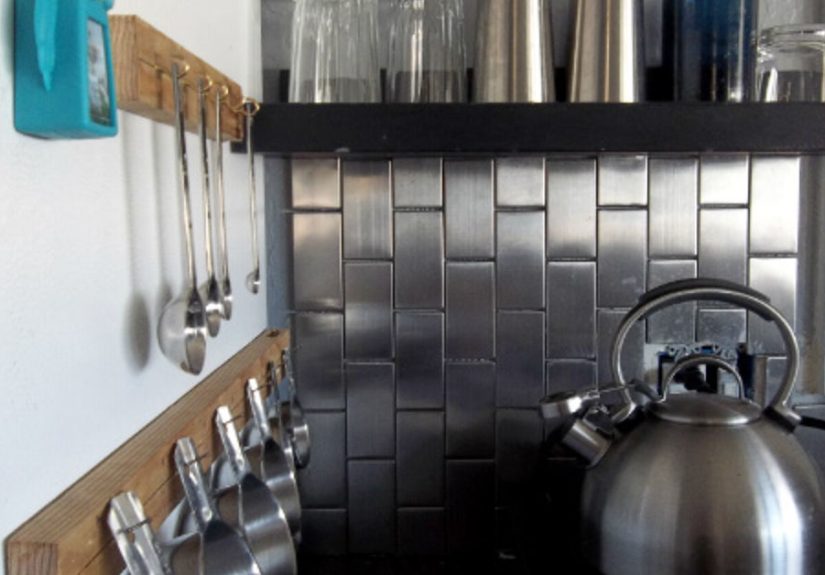
A narrow ledge running along the backsplash can hold oils, spices, salt cellars, or small utensils. This placement is especially useful in compact kitchens where counter space disappears the moment you set down a toaster.
2. Beside the range
A ledge shelf near the stove can create a practical cooking zone for frequently used seasonings and tools. Keep it close enough to be useful, but not so close that heat and grease become permanent roommates.
3. Around a window
Windows often leave narrow strips of unused wall on either side or just above the trim. Slim shelves in these spots can hold mugs, glassware, or small plants without blocking light.
4. At the end of an island or cabinet run
This is one of the smartest places for picture-style ledges. It is ideal for cookbooks, trays, and flat serving pieces, especially in kitchens where wall space is limited.
5. Above a coffee or beverage station
If your morning routine involves coffee, tea, or a very emotional relationship with a favorite mug, ledge shelves can give that area structure. A couple of narrow shelves can hold mugs, syrups, canisters, and small art without overwhelming the space.
6. In a pantry or butler’s pantry
Ledge shelves are also useful in secondary storage spaces where open access matters. They can hold glass jars, labeled containers, or pretty glassware that deserves more dignity than a dark back corner.
What to Put on Kitchen Ledge Shelves
The best shelf styling starts with honesty. Not “aspirational honesty,” where you imagine yourself decanting lentils into matching jars every Sunday. Actual honesty. Store what you reach for often and what you do not mind seeing every day.
Great items for kitchen ledge shelves include:
- Everyday plates and bowls
- Glassware and mugs
- Small cookbooks or recipe cards
- Spice jars and seasoning blends
- Oils and vinegars, if kept away from direct heat
- Cutting boards and serving boards
- Tea canisters, coffee supplies, or sugar jars
- One or two decorative pieces, such as a small vase or plant
What should stay off them? Heavy countertop appliances, giant cereal boxes, random plastic containers with missing lids, and anything that already annoys you when hidden in a cabinet. Open storage does not improve an item’s personality. It just makes the chaos more visible.
How to Style Kitchen Ledge Shelves Without Making Them Look Messy
This is where many good intentions go slightly sideways. The point of a ledge shelf is not to cram every available inch with objects. The point is to create a useful visual rhythm. Think edited, not stuffed.
Keep like with like
Group similar items together. Put mugs with mugs, plates with plates, oils with oils. This makes shelves easier to use and easier to look at.
Stick to a simple color story
Your kitchen does not need to look monochrome, but ledge shelves benefit from some consistency. White dishes, clear glass, warm wood, black accents, or one repeated ceramic tone can make even practical storage feel intentional.
Vary heights and shapes
If every item is the exact same size, the shelf can feel flat. Mix a stack of bowls with a taller bottle, a framed recipe, or a leaning cutting board for balance.
Leave breathing room
The empty space matters. A shelf with a little room around the objects feels more expensive, more thoughtful, and far easier to clean.
Mix open and closed storage
This may be the smartest rule of all. Ledge shelves work best when they are paired with cabinets, drawers, or a pantry. Let the shelves hold the attractive, useful things, and let the closed storage hide the air fryer attachments, holiday platters, and mystery gadgets from 2019.
Choosing the Right Size, Depth, and Material
Not every kitchen ledge shelf should be the same. The right size depends on what you plan to store and where the shelf will live.
Depth
For spices, oils, or small decor, a depth of about 3 to 5 inches is often enough. For mugs, small bowls, or cookbooks, a slightly deeper shelf may work better. Once a shelf gets too deep, though, it stops feeling like a ledge and starts acting like full open shelving, with all the visual weight that comes with it.
Length
One long shelf can look sleek and architectural. Several short shelves can feel more flexible and easier to style. In tight kitchens, smaller segments often make the wall feel less crowded.
Materials
Wood adds warmth and softness. Painted shelves can disappear into the wall for a built-in look. Metal works well in industrial or modern kitchens. If you cook often, choose finishes that can handle moisture, splatters, and cleaning. A beautiful shelf that cannot survive olive oil is not a kitchen solution. It is a decorative suggestion.
Security features
A front lip, gallery rail, or properly anchored bracket can make a big difference, especially if you plan to store glassware or use the shelf in a high-traffic area.
Common Mistakes to Avoid
Installing shelves too high: If you need a step stool every time you want a cereal bowl, the shelf is not helping.
Using them too close to heavy grease and steam: Ledge shelves near a range need extra cleaning and smarter item choices.
Ignoring wall support: Shelves should be anchored properly, especially if they will hold dishes or glassware.
Overdecorating: A kitchen shelf is not a museum exhibit. One pretty vase is charming. Seven miniature objects and a trailing vine that touches the toaster is a cry for help.
Choosing style over function: If the items are awkward to reach, hard to clean, or always sliding around, the shelf will become annoying fast.
Are Kitchen Ledge Shelves Worth It?
For many kitchens, yes. They are especially worthwhile when you want a lighter look, need smarter storage in a small footprint, or love the idea of blending function with display. They are not a miracle product. They will not single-handedly organize a chaotic kitchen. But they can make everyday items easier to reach and help the room feel more open, personal, and flexible.
The trick is using them strategically. A few narrow, well-placed ledge shelves often work better than replacing every upper cabinet with open shelving. Think of them as highlights, not a full biography.
Experience: What Living With Kitchen Ledge Shelves Is Actually Like
The first experience most people have with kitchen ledge shelves is surprise. Not because the shelves are dramatic, but because the room immediately feels different. A kitchen with even one or two ledge shelves often looks lighter the same day they go up. The eye moves more easily across the wall. There is less visual interruption. The space feels less like a storage unit with a sink and more like a room where people actually want to stand, cook, and talk.
Then comes the second experience: editing. This is where ledge shelves teach you a little discipline. At first, there is a temptation to fill them completely. A jar here, a mug there, a plant, a candle, a cookbook, maybe a cute bowl for lemons, and suddenly the “simple shelf moment” has become an obstacle course. Most people quickly learn that kitchen ledge shelves work best when they hold fewer things than you think they should. Once you remove the extras, the shelf becomes easier to use and much easier to appreciate.
There is also a practical shift in daily habits. Items stored on a ledge shelf tend to get used more often, mostly because they are visible. The favorite mug gets chosen instead of the forgotten one in the back cabinet. The good olive oil stops hiding. The pretty plates become weekday plates instead of “company” plates. That is one of the nicest real-life benefits: shelves can make a kitchen feel less precious and more lived in.
Cleaning is the part nobody should romanticize. Open shelves, even shallow ledges, do collect dust and kitchen residue over time. But many homeowners find that narrow ledge shelves are easier to manage than deep open shelves because they hold fewer items and are simpler to wipe down. A quick reset once a week and a more thorough clean now and then usually keeps them looking fresh. The experience is less “constant chore” and more “small maintenance task with visible payoff.”
Another common experience is discovering better zones. A ledge shelf above a coffee setup becomes the unofficial morning station. One beside the stove turns into a cooking essentials row. One at the end of an island quietly becomes the home for cookbooks and serving boards. These shelves often reveal how people naturally move through the kitchen, and that can lead to smarter organization everywhere else.
Emotionally, kitchen ledge shelves can do something cabinets rarely do: they make a space feel personal. A framed recipe from a grandparent, a handmade bowl, a favorite tea tin, or a stack of well-used cookbooks adds character without requiring a full renovation. The kitchen starts to tell a story. Not a loud story. More of a confident, “Yes, someone with taste and decent snacks lives here” kind of story.
Over time, many people also appreciate how easy ledge shelves are to refresh. You can swap out a few objects with the seasons, change the arrangement in ten minutes, or rotate in items you are using more often. That flexibility is part of their long-term charm. Cabinets are fixed. Ledge shelves feel more conversational. They adapt as the kitchen changes, as routines change, and as your tolerance for clutter hopefully improves with age.
So the real experience of living with kitchen ledge shelves is this: they look good, they work hard, and they gently encourage you to keep only the useful and beautiful things close at hand. That is not a bad lesson for a kitchen, or for life, honestly.
Final Thoughts
Kitchen ledge shelves are proof that smart storage does not have to be bulky to be effective. When they are shallow, well placed, and thoughtfully styled, they can make a kitchen more functional and more inviting at the same time. Whether you use them for spices, cookbooks, dishes, or a few carefully chosen decorative pieces, the goal is the same: create a kitchen that works better and feels better.
If you have been staring at a blank kitchen wall, an awkward corner, or a backsplash with untapped potential, a ledge shelf may be exactly the low-drama, high-impact upgrade your space needs. No massive remodel required. Just better use of the wall and a little restraint. The restraint part is admittedly the harder upgrade.