Table of Contents >> Show >> Hide
- Why Open Shelf Storage Still Works in Modern Kitchens
- Open Shelf Storage Roundup: The Best Ideas to Steal
- 1. Everyday Dish Shelves Near the Dishwasher
- 2. Floating Shelves Around the Range
- 3. Corner Shelves That Rescue Dead Space
- 4. Sink-Side Shelves for an Airier Feel
- 5. Doorway and Niche Shelving
- 6. Pantry-Style Open Shelving
- 7. Coffee Bar Shelves
- 8. Mixed Open and Closed Storage
- 9. Shelf-and-Hook Combos
- 10. Long Linear Shelves for a Clean Look
- What to Put on Open Kitchen Shelves
- What Should Stay Off Open Shelves
- How to Style Open Shelves Without Making Yourself Tired
- Open Shelf Storage Mistakes to Avoid
- Real-World Experience: Living With Open Shelf Storage
- Conclusion
- SEO Metadata
Open kitchen shelving is the design equivalent of wearing white sneakers with everything: crisp, useful, a little bold, and surprisingly versatile when you do it right. Done badly, though, it can look like your cabinets gave up and moved out. Done well, open shelf storage makes a kitchen feel lighter, smarter, and easier to use day to day.
That is why this open shelf storage roundup matters. Homeowners love the airy look, designers love the styling potential, and busy cooks love being able to grab plates, bowls, spices, and coffee mugs without playing a game of cabinet hide-and-seek. The catch? Open shelves reward good habits and punish clutter with remarkable speed. One lazy week and suddenly your “curated kitchen moment” looks more like a yard sale next to the toaster.
The sweet spot is a kitchen that blends beauty with utility. Think practical display, not random exposure. In this roundup, we will walk through the best open shelf kitchen ideas, how to use them in real life, what belongs on them, what absolutely does not, and how to make the whole setup feel stylish instead of stressful.
Why Open Shelf Storage Still Works in Modern Kitchens
Open shelves remain popular for one simple reason: they make a kitchen feel more open without requiring a full gut renovation. Removing some upper cabinetry can visually lighten the room, especially in smaller kitchens, older homes, or awkward layouts where bulky cabinets feel heavy. Floating shelves, bracket shelves, built-ins, and pantry-style shelving all give the eye a little breathing room while keeping essentials close at hand.
They are also flexible. You can use them to flank a range, fill an odd corner, stretch storage across a blank wall, tuck a shelf into a niche, or turn a forgotten end cabinet into a tiny but mighty coffee station. Open shelving also costs less than full upper cabinetry in many cases, which makes it attractive for budget-conscious remodels and quick refreshes.
But let’s not pretend open shelving is all sunshine and neatly stacked stoneware. It collects dust. It can collect grease near the stove. It also forces you to be honest about how much mismatched plasticware you own. In other words, open shelves are not just storage. They are accountability with wood brackets.
Open Shelf Storage Roundup: The Best Ideas to Steal
1. Everyday Dish Shelves Near the Dishwasher
If you want open shelves to feel genuinely useful, place them where your routine already happens. A couple of shelves near the dishwasher or sink are perfect for everyday plates, cereal bowls, and go-to glasses. This setup speeds up unloading and makes daily cooking feel easier. It also keeps your most-used pieces rotating often, which means less dust buildup. Functional and lazy-person efficient? That is a rare design win.
2. Floating Shelves Around the Range
Range walls are prime real estate for open shelf storage when handled carefully. Shelves around the hood can frame the cooking area and create a focal point. Store attractive oils, seasoning crocks, frequently used bowls, or a few cookbooks. The key word is few. This is not the place for a crowded army of novelty mugs and mystery canisters. Keep it streamlined, wipeable, and heat-aware.
3. Corner Shelves That Rescue Dead Space
Corners often get ignored in kitchens, but they are excellent candidates for L-shaped or wraparound open shelving. These shelves can hold backup dishes, serving platters, or a mix of decorative ceramics and practical pieces. In small kitchens, corner shelves can create storage where a full cabinet would feel bulky. In large kitchens, they soften hard lines and make the room feel more collected and custom.
4. Sink-Side Shelves for an Airier Feel
Replacing a cabinet above or beside the sink with open shelves can make the area feel less boxed in. This works especially well in kitchens with windows, because shelves preserve sightlines and let more light move through the room. Use this zone for mugs, water glasses, pretty soap bottles, or a small vase. The result feels relaxed and welcoming instead of overbuilt.
5. Doorway and Niche Shelving
One of the smartest ideas in any open shelf storage roundup is using odd architectural gaps. A slim space beside a cabinet run, above a trash can area, or around a doorway can become high-function storage. These shelves are ideal for cutting boards, trays, baskets, or pantry jars. This is the kind of move that makes a kitchen feel customized instead of copied from a showroom brochure.
6. Pantry-Style Open Shelving
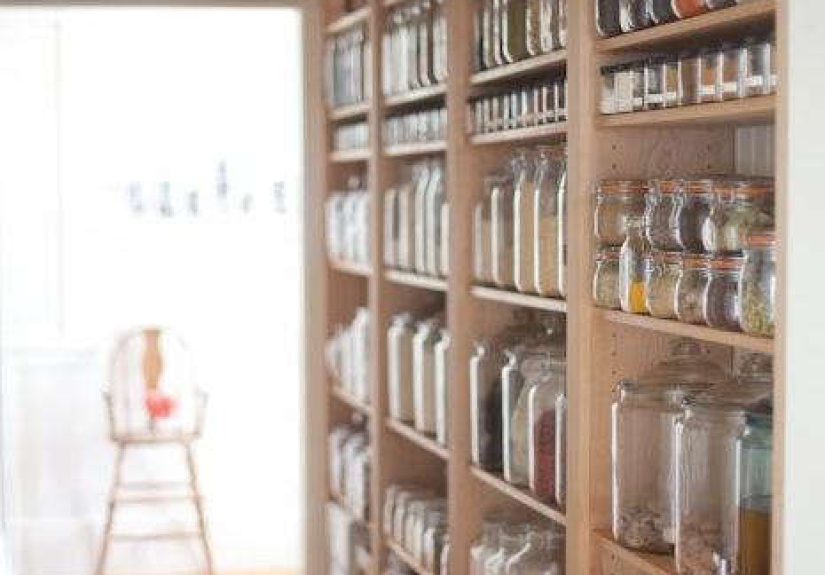
If you do not have a walk-in pantry, open pantry shelving can do serious heavy lifting. Decanted dry goods, labeled jars, woven baskets, and stackable containers can turn a plain wall into organized storage that looks good and works hard. The trick is consistency. Matching jars and coordinated baskets help the shelves read as intentional rather than chaotic. It is the difference between “stylish pantry wall” and “I panic-bought beans.”
7. Coffee Bar Shelves
A dedicated coffee zone is one of the easiest ways to make open shelving feel charming and useful. Add two or three shelves above a coffee maker and store mugs, beans, syrups, sugar, and a small tray for spoons. This creates a visual destination in the kitchen and keeps the morning ritual contained. It is also a smart choice for homes where the main kitchen storage is already maxed out.
8. Mixed Open and Closed Storage
Here is the best advice of the bunch: you do not need to choose a side. The most successful kitchens often mix open shelves with closed cabinetry. Closed cabinets hide the visually messy stuff, while open shelves display the pieces worth seeing. That balance makes a kitchen feel practical, not performative. Translation: your blender can live in peace behind a door, while your stoneware gets its moment in the spotlight.
9. Shelf-and-Hook Combos
Adding hooks under open shelves is a small upgrade with big payoff. Hang measuring cups, mugs, towels, or lightweight utensils beneath the shelf while using the top for bowls or canisters. This works especially well in compact kitchens where every inch counts. It also adds a slightly old-school, hardworking feel that suits farmhouse, cottage, and transitional kitchens beautifully.
10. Long Linear Shelves for a Clean Look
For a modern kitchen, long uninterrupted shelves can look cleaner than a cluster of small units. A single linear shelf or a pair stacked evenly can follow the architecture of the room and keep everything visually calm. This is a strong move in minimalist or contemporary kitchens where you want storage to feel integrated rather than busy.
What to Put on Open Kitchen Shelves
The best open shelving items are the ones that are both useful and attractive. That usually includes:
- Everyday plates and bowls
- Mugs and sturdy drinkware
- Canisters for coffee, flour, sugar, or pasta
- Wood cutting boards and serving boards
- Mixing bowls
- Cookbooks you actually use
- Pretty bottles, crocks, and pitchers
- A few decorative objects, such as art, a vase, or a small plant
A good rule is to combine working items with just enough personality. Open shelves should not look sterile, but they also should not resemble the lost-and-found box of your entire house.
What Should Stay Off Open Shelves
Some things are better kept behind closed doors, and not because they are shy. Heavy appliances, random paperwork, oversized plastic containers, greasy cookware you rarely use, and clutter magnets like keys and mail should stay elsewhere. Clear glassware can also show dust quickly, especially if it is stored high and used rarely.
Likewise, packaged food in bright store wrappers can make shelves look noisy. If you want pantry staples on display, decant them into jars or crocks. Open shelves thrive on repetition, restraint, and a little visual discipline.
How to Style Open Shelves Without Making Yourself Tired
Start with function first. Put the items you use most often on the lowest and easiest-to-reach shelves. Group similar items together so the eye can understand the shelf quickly: mugs with mugs, bowls with bowls, jars with jars. This instantly makes the arrangement feel tidier.
Then think about variation. Mix heights, textures, and shapes. Pair ceramic bowls with a wooden board, or glass jars with a woven basket. Repeat materials or colors across the shelf to create rhythm. A kitchen with white dishes, warm wood tones, and a few black accents tends to feel cohesive without trying too hard.
Leave breathing room. Every shelf does not need to be filled edge to edge. Empty space is not wasted space; it is what keeps your display from looking frantic. You want “calmly collected,” not “someone opened three wedding registries at once.”
Open Shelf Storage Mistakes to Avoid
- Installing shelves too high to use comfortably
- Putting open shelving too close to heavy grease zones without a good range hood
- Using shelves for everything instead of mixing in closed storage
- Displaying too many tiny objects that create visual clutter
- Ignoring shelf depth and weight capacity
- Choosing style over cleaning reality
The biggest mistake, though, is forcing open shelving into a kitchen that does not suit it. Some households need maximum hidden storage. Some kitchens already feel visually busy. In those spaces, one or two shelves may be plenty. Open shelving is a tool, not a personality test.
Real-World Experience: Living With Open Shelf Storage
Living with open shelves teaches you things fast. First, you become dramatically more aware of what you actually use. Those giant serving platters you swore you needed? Suddenly they are either moved to a higher shelf, edited out entirely, or silently judged every time you reach for your everyday bowl. Open shelves encourage honest storage decisions because everything is visible all the time.
They also change how you shop. People who switch to open shelving often stop buying random kitchen gadgets and start caring more about pieces that are durable, stackable, and good-looking. A solid set of white dishes suddenly feels like a smart investment. A beautiful ceramic crock becomes both storage and decor. Even pantry organization improves, because you are less likely to forget what you already have when it is staring right at you every morning.
The maintenance side is real, but manageable. In a busy kitchen, the items you use every day usually stay clean enough because they are constantly handled and washed. The forgotten stuff is what gets dusty. That is why successful open shelving is rarely about putting out everything you own. It is about editing. Less stuff means less cleaning, less visual noise, and fewer opportunities for that one greasy shelf corner to haunt your weekend.
Open shelving also has a funny way of making kitchens feel more personal. Cabinets hide your personality. Shelves reveal it. Maybe your kitchen leans cozy with stacked stoneware, oak shelves, and a few vintage cutting boards. Maybe it is crisp and modern with long white shelves, smoked glass, and black canisters. Either way, shelves let useful objects become part of the room’s design instead of disappearing behind doors.
Still, the best lived-in kitchens rarely go all in. Most people are happiest with a hybrid approach: closed cabinets for visual chaos, open shelves for daily essentials and decorative breathing room. That combination gives you flexibility. You can keep the practical stuff hidden, show off the pieces you love, and avoid turning the whole room into a dust-catching display case.
If there is one real-life lesson from open shelf storage, it is this: success depends less on the shelves themselves and more on the habits around them. Put the right things there. Keep them accessible. Edit often. Clean a little before it becomes a lot. And let the shelves support your daily rhythm instead of becoming another chore with good lighting. When that balance is right, open shelves are not just pretty. They are useful, efficient, and surprisingly satisfying to live with.
Conclusion
The best open shelf storage ideas do not ask you to choose between style and practicality. They ask you to be intentional. Whether you add a couple of floating shelves by the sink, build pantry-style storage on a blank wall, or create a full coffee bar moment, the goal is the same: make the kitchen feel lighter, work better, and reflect how you actually live.
In the end, a great kitchen open shelf setup should look good on Monday morning, not just in a perfectly staged photo on Saturday afternoon. Keep it functional. Keep it edited. Keep the weird plastic cup collection hidden. Your kitchen will thank you.