Table of Contents >> Show >> Hide
- What Are Kontex Flax Organic Towels, Exactly?
- Why “Imabari” Matters (And Why People Won’t Stop Talking About It)
- The Two-Sided Weave: The Real Secret Sauce
- Who Should Buy Kontex Flax Organic Towels?
- Kontex Flax Organic Towels vs. Other Popular Towel Styles
- Sizes and How to Pick the Right One
- Care Tips: Keep Them Soft, Absorbent, and Not Weird-Smelling
- Sustainability and the “Buy Once, Cry Once” Logic
- Where These Towels Shine Beyond the Bathroom
- Frequently Asked Questions
- Conclusion: A Towel That Acts Like It Has a Plan
- Real-World Experiences With Kontex Flax Organic Towels (What People Typically Notice)
- 1) The “My towel isn’t a damp mascot anymore” moment
- 2) Better daily usability: less bulk, less drama
- 3) The “soft but not slippery” feel
- 4) A noticeable difference when you stop using fabric softener
- 5) Travel and gym use that doesn’t feel like a compromise
- 6) The long-term story: how it holds up over months
- 7) The underrated perk: guest compliments
Some towels are basically tiny carpets. Others are suspiciously thin and function mostly as “decorative dampness.”
Kontex Flax Organic Towels sit in the sweet spot: light, quick-drying, genuinely absorbent, and
pretty enough to leave out without feeling like you’re living inside a hotel lost-and-found bin.
If you’ve ever bought a “luxury” bath towel that stayed soggy until next Tuesdayor a “fast-dry” towel that felt
like it was exfoliating your soulthis guide is for you. We’re going deep on what the Flax Organic line is,
why it behaves differently, how to pick the right size, and how to keep it performing like a champ.
What Are Kontex Flax Organic Towels, Exactly?
Kontex is a Japanese towel maker known for towels that are practical in the best way: they’re compact,
thoughtfully woven, and designed to work hard without feeling heavy. The Flax Organic (often
also listed as Flax Line Organics by some retailers) is a popular Kontex style that’s easy to
recognize:
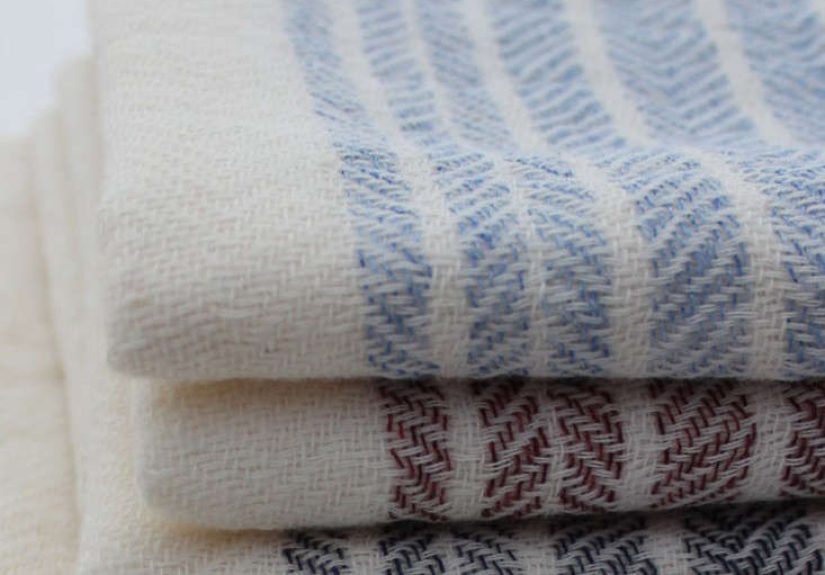
- Two-sided construction: a smooth, woven (gauze-like) face on one side and a soft terry pile on the other.
- Subtle design: gentle patterns (often chevron/herringbone vibes) with clean stripe accents.
- Compact Japanese sizing: generous enough to be a real towel, not a napkinyet not so huge it takes over your linen closet.
- Organic fiber focus: commonly described as organic cotton (and designed to feel good on sensitive skin).
The name “Flax” can be confusing if you expect a heavy linen towel. In many U.S. listings, this towel is
described as organic cotton, while “flax” points more to the natural, linen-like aesthetic and
color story than a crunchy linen hand-feel. (Kontex does make cotton-linen blends in other collections, so it’s
worth double-checking the material callout on the specific product page where you’re buying.)
Why “Imabari” Matters (And Why People Won’t Stop Talking About It)
If you’ve been browsing Japanese towels, you’ve probably seen the word Imabari pop up like a
trustworthy friend who always brings snacks. Imabari is a region in Japan strongly associated with towel
productionand “Imabari towel” often implies a culture of quality control, absorbency standards, and careful
finishing.
The famous absorbency test
One of the best-known Imabari standards is the idea that a towel should start absorbing quicklyoften described
through a “five-second” absorbency rule in certification discussions. In plain English: an Imabari-style towel
shouldn’t need a break-in period where it smears water around like a windshield wiper made of cardboard.
Why that matters in real life
A towel that absorbs well from day one is more hygienic, easier to live with, and less likely to develop the
dreaded “why does this smell like a basement?” issue. Quick absorption + faster drying also means less time
sitting damp on a hook, which is basically a spa day for mildew.
The Two-Sided Weave: The Real Secret Sauce
The Flax Organic towel’s personality comes from its split identityand yes, it’s the good kind.
This isn’t “two-faced” like a flaky ex. It’s two-faced like a Swiss Army knife.
Side A: Smooth woven face (a.k.a. the “polished” side)
The smooth side feels refined and light. It’s also great for:
- Hair (especially wrapping)less friction than thick terry can mean less frizz.
- Face/handsgentle, not grabby.
- Travelpacks flatter than plush towels.
Side B: Terry pile back (a.k.a. the “get it done” side)
Terry loops are the absorbency workhorses. The terry side is what makes this towel a real bath towel, not a
fashionable scarf pretending to be useful. It pulls water off skin quickly and helps you dry off without doing
a full-body cardio routine.
Why this design dries faster
Heavier towels can hold a lot of waterimpressive, until they never dry and start smelling like a gym bag.
A lighter, more breathable weave releases moisture faster. The Flax Organic line aims for that middle ground:
enough terry for absorbency, enough woven structure for speed.
Who Should Buy Kontex Flax Organic Towels?
These towels are not trying to be the thickest towel in the universe. They’re trying to be the towel you reach
for every day because it behaves like a responsible adult.
They’re a great match if you…
- Live in a humid climate and want towels that dry faster on the rack.
- Have a small bathroom where bulky towels feel like they’re staging a takeover.
- Like a clean, minimal looksubtle stripes and soft neutrals play nicely with most decor.
- Prefer organic cotton towels for a softer, skin-friendly everyday option.
- Travel or go to the gym and want something compact that still dries you off properly.
They might not be your vibe if you…
- Only love ultra-plush towels (the “bath sheet that doubles as a blanket” category).
- Want the crisp texture of true linen and specifically seek flax-linen hand-feel.
Kontex Flax Organic Towels vs. Other Popular Towel Styles
Let’s compare the usual suspectsbecause towel shopping is strangely emotional for something that lives near
your shampoo.
| Type | What it feels like | Best for | Common drawback |
|---|---|---|---|
| Ultra-plush terry bath sheet | Thick, cozy, spa-like | Cold climates, big linen closets, people who love maximum fluff | Slow to dry; can get musty if ventilation is poor |
| Flat-woven Turkish towel (peshtemal style) | Thin, smooth, flexible | Beach, travel, quick-dry households | Less “cushy” and sometimes less immediate absorbency than terry |
| Waffle weave | Textured, airy | Quick-dry bathrooms, modern looks | Can snag; some people find it less soft on sensitive skin |
| Kontex Flax Organic (woven + terry) | Soft, light, “refined terry” | Everyday use, humid climates, small spaces, minimalist decor | Not as thick as plush towels (by design) |
If you’re torn between “I want it to dry fast” and “I want it to actually absorb,” this Kontex style is a
compelling compromise.
Sizes and How to Pick the Right One
One of the underrated joys of Japanese towels is that the sizing often feels… intentional. Not “giant towel
that takes three business days to dry,” but also not “hand towel that’s secretly a coaster.”
Common size lineup
- Washcloth: great for face care, baby cleanup, or quick sink-side drying.
- Hand towel: the MVP for kitchens and bathrooms.
- Compact bath towel: enough coverage for daily bathing, with less bulk than oversized bath sheets.
Quick picking guide
- For guest baths: hand towels (and a couple washcloths) look polished and dry quickly between uses.
- For everyday showers: the compact bath towel size hits the sweet spot.
- For hair: many people love the hand towel size for wrappinglighter and less neck strain.
Care Tips: Keep Them Soft, Absorbent, and Not Weird-Smelling
Towels are simple. Humans are the problem. Specifically, the human urge to add “mountain breeze” fabric softener
and then wonder why the towel stopped absorbing water.
1) Skip fabric softener (seriously)
Fabric softeners and many dryer sheets can coat fibers and reduce absorbency over time. If your towel starts
“pushing water around” instead of absorbing it, buildup is often the culprit.
2) Use less detergent than you think
Too much detergent can leave residue that traps odors. A towel that’s clean but coated in leftover detergent is
basically wearing a wax jacket. It won’t breathe.
3) Wash towels with towels
Washing towels with heavy clothing can increase lint transfer and abrasion. Keep towels together when possible,
and avoid overcrowding the machine so water can circulate.
4) Consider a vinegar rinse occasionally
Many laundry experts recommend an occasional vinegar rinse to help cut residue and odors. You don’t need to do
it constantlythink of it like resetting your towel’s personality back to “helpful.”
5) Dry thoroughly (and quickly)
Don’t let damp towels sit in the washer or in a dark hamper. Dry them promptlyeither line dry with airflow or
tumble dry on low to medium heat. Overheating can roughen fibers over time.
Simple care routine (copy/paste friendly)
- Machine wash warm or cool with mild detergent (not too much).
- Avoid bleach unless the care label explicitly allows it (and even then, use sparingly).
- Skip fabric softener and most scented boosters.
- Optional: add vinegar in a rinse cycle every so often to reduce buildup.
- Dry fully; shake out before folding to keep loft.
Sustainability and the “Buy Once, Cry Once” Logic
Let’s talk about “organic” without getting preachy. Organic cotton matters to many buyers because it can reduce
exposure to certain agricultural chemicals and aligns with a cleaner-material preferenceespecially for items
that touch your skin daily.
But sustainability isn’t only about the fiber label. It’s also about how long you use the thing.
A towel you love and keep for years beats the bargain towel that becomes a scratchy garage rag in six months.
Lightweight, quick-drying towels can also reduce dryer time in some households, which is a quiet win for energy
use (and your electric bill’s mood).
Where These Towels Shine Beyond the Bathroom
A good towel should have range. The Flax Organic line is especially handy in multi-purpose roles because it’s
absorbent without being bulky.
- Kitchen hand towel: dries hands fast and looks great on the oven handle.
- Gym towel: compact in a bag, dries quickly after use.
- Travel towel: lighter than plush terry, more “real towel” than ultra-thin microfiber.
- Baby + sensitive skin: gentle woven side can feel less abrasive on delicate skin.
- Guest towel: the subtle pattern reads “intentional,” not “leftover mismatched set.”
Frequently Asked Questions
Do Kontex Flax Organic Towels contain flax (linen) fiber?
Often, this line is described as organic cotton with a woven-and-terry construction. “Flax” may refer to the
natural, linen-inspired look and palette. Because Kontex has multiple collections (some cotton-linen blends),
verify the material details on the specific product listing you’re purchasing.
Will they feel softer after washing?
Many towels soften as initial finishing residues wash out. With quality towels, absorbency often improves after
the first few washesespecially if you avoid softener buildup.
Are they good for humid bathrooms?
Yesthis is one of their best use cases. The lighter build and woven side can help the towel release moisture
faster than heavyweight terry, reducing the time it stays damp.
Do they lint?
Some linting is normal early on, especially for terry-backed textiles. A couple of initial washes, proper load
size, and avoiding over-drying can help minimize shedding.
Conclusion: A Towel That Acts Like It Has a Plan
Kontex Flax Organic Towels are for people who want a towel that’s soft, absorbent, and fast-dryingwithout the
bulk of a heavyweight bath sheet. The two-sided design gives you a smooth, refined feel on one side and reliable
terry absorbency on the other. Add in the compact Japanese sizing and the clean, modern look, and you get a towel
that fits real life: small hooks, humid bathrooms, busy mornings, and the eternal question, “Why is this towel
still wet?”
If your goal is a towel that dries you off efficiently, dries itself quickly, and doesn’t require a pep talk to
stay freshthis is a strong contender.
Real-World Experiences With Kontex Flax Organic Towels (What People Typically Notice)
Because towels live in the background of our routines, the best feedback is often about behavior:
how the towel performs when life is normal, messy, humid, rushed, and mildly chaotic. Here are common experiences
households report when they switch from bulkier terry towels or low-quality sets to a lighter, two-sided towel
like the Kontex Flax Organic line.
1) The “My towel isn’t a damp mascot anymore” moment
In smaller bathroomsespecially where towels hang on hooks instead of wide barsplush towels can stay wet for
hours. A lighter towel with a woven face often feels like it “lets go” of moisture sooner. People typically
notice that the towel feels less clammy on the next use (and the bathroom smells less like a locker room trying
to keep secrets).
2) Better daily usability: less bulk, less drama
Compact bath towels can be surprisingly satisfying: they’re easier to fold, easier to fit on hooks, and easier
to store. In real households, that means fewer tower-of-towels avalanches and less time wrestling a giant towel
into a too-small shelf. The towel becomes a normal object againnot a fabric event you have to manage.
3) The “soft but not slippery” feel
Some people dislike super-velvety towels because they can feel like they glide over water rather than grab it.
A woven + terry combo often feels soft while still giving the terry side enough texture to do its job. Users who
are sensitive to scratchy towels often appreciate the smoother side for face/hands, while still using the terry
side for full-body drying.
4) A noticeable difference when you stop using fabric softener
A very common “experience upgrade” isn’t about the towel itselfit’s about towel care. When people ditch fabric
softener (or cut back heavily), they often report improved absorbency within a few washes. The towel stops acting
like it’s coated in a thin film. For anyone who has ever felt like they had to “dry twice,” this is the change
that makes the towel feel new again. Some also find that towels smell fresher longer, since residue buildup can
trap odors.
5) Travel and gym use that doesn’t feel like a compromise
Many lightweight travel towels are microfiber, which can feel oddly squeaky on skinor get funky fast if not
dried properly. A compact cotton towel that dries quickly can feel more natural, especially for hair wrapping or
post-shower drying on trips. People typically like that it packs flatter than plush terry yet still feels like a
“real towel,” not a tech cloth.
6) The long-term story: how it holds up over months
Over time, towel satisfaction usually comes down to whether it stays absorbent and comfortable. With quality
cotton towels, users often report the best longevity when they keep detergent amounts modest, avoid softeners,
and dry thoroughly. The towel’s looksubtle stripes, calm colors, and minimal patterningalso tends to age well.
It doesn’t scream a trend, which means people are less likely to get tired of it visually. It becomes part of
the space, not clutter.
7) The underrated perk: guest compliments
Guests rarely compliment towels unless something stands out. These often stand out quietly: they look intentional
and feel soft without being over-the-top. People commonly mention that guests notice how “nice” the towels feel,
and hosts like that the towels dry quickly between multiple usesespecially in a busy guest bath. It’s a small
upgrade that makes a home feel more put-together without shouting, “I read too many home blogs.”
The overall theme in these experiences is simple: the towel becomes easier to live with. It dries well, stores
neatly, feels pleasant, and doesn’t demand constant troubleshooting. For an object whose entire job is to handle
water, that’s a surprisingly big quality-of-life win.