Table of Contents >> Show >> Hide
- Where Lady and the Tramp Sits in the Disney Canon
- Animated Classic vs. Live-Action Remake
- Ranking the Most Iconic Scenes
- Which Characters Really Steal the Show?
- Themes That Keep the Movie Near the Top
- Common Critiques: Why It’s Not #1 for Everyone
- How Fans Rank Lady and the Tramp Today
- Should You Rewatch It Now?
- Lady and the Tramp Rankings And Opinions: Fandom Experiences
- Conclusion
Few movie moments are as instantly recognizable as two dogs slurping the same strand of spaghetti
under a string of café lights. Lady and the Tramp isn’t just “the spaghetti movie,” though.
It’s a mid-century Disney classic, a gentle social satire about class, and a surprisingly layered
romance that people are still ranking, debating, and rewatching almost 70 years later.
In this guide, we’ll stroll through the big questions: Where does Lady and the Tramp
sit in the Disney animated rankings? Which characters and scenes truly deserve top billing? And how
do critics’ opinions stack up against what fans actually love? Grab some pasta (or at least a snack),
because we’re about to dig into one of Disney’s most charming dog stories from every angle.
Where Lady and the Tramp Sits in the Disney Canon
To understand the current rankings and opinions around Lady and the Tramp, it helps to zoom
out and look at the bigger Disney picture. The 1955 original sits in what animation historians call
Disney’s “Silver Age” the run of films starting with Cinderella and running through
The Jungle Book. These movies refined Disney’s style after the earlier “Golden Age” of
Snow White and Bambi, leaning into lush backgrounds, memorable characters, and
more contemporary settings.
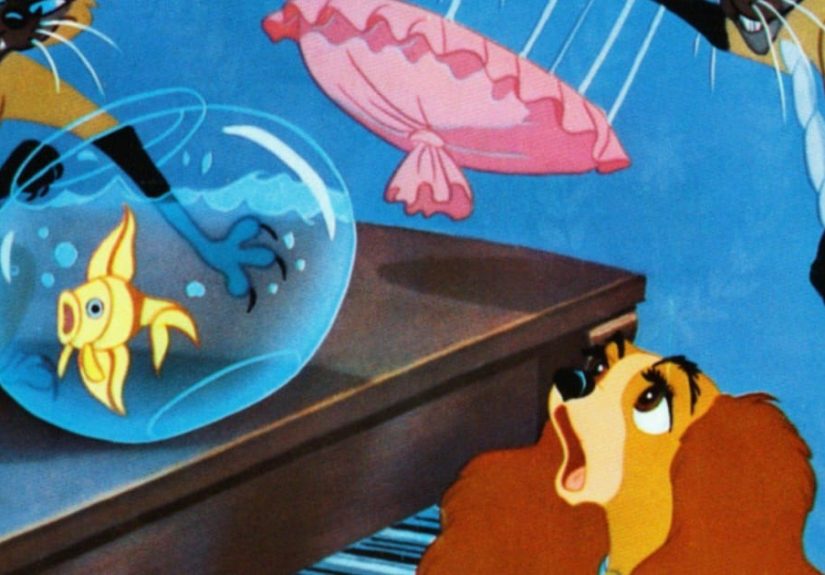
On the numbers side, Lady and the Tramp scores impressively. Modern review aggregators
give it a critics’ score in the low 90s and an audience score around 80%, which puts it solidly in
the “beloved classic” tier rather than cult favorite or hidden gem. Many all-time Disney rankings
land the film in the upper-middle of the pack not quite on the same pedestal as
The Lion King or Beauty and the Beast, but comfortably ahead of several later films
that never grabbed the same emotional real estate in viewers’ hearts.
Critics who revisit the movie today tend to praise its cozy, small-scale storytelling. Instead of
kingdoms, curses, or looming villains, the stakes are personal: a pampered cocker spaniel losing her
place in the household and a streetwise mutt learning that commitment isn’t the end of freedom. That
intimacy is a big reason many fans bump it a few spots higher on their personal rankings than the
big critical lists do.
Animated Classic vs. Live-Action Remake
Any modern discussion of Lady and the Tramp rankings and opinions has to include
the 2019 live-action/CGI hybrid remake that premiered on Disney+. In most “Disney live-action
remake rankings,” the new version lands somewhere in the middle: not a disaster, but not a
revelation either.
The remake gets a lot of love for one thing: the use of real dogs. Viewers and critics alike agree
that the canine performers bring plenty of charisma and make the movie feel more grounded and
tactile than some of the heavier CGI-dependent remakes. The downside? The story is stretched from
the animated film’s tight 75 minutes to a longer runtime without adding much emotional weight. Many
reviewers describe it as pleasant but “slight,” like an extended tribute rather than a fresh take.
For most fans, that means the ranking looks like this: the 1955 animated film sits comfortably in
their top tier of Disney romances, while the 2019 version becomes a “nice to watch once” curiosity.
If you’re building a watchlist for a Disney marathon, the original is essential viewing; the remake
is bonus material for when you’re in the mood to compare choices and spot Easter eggs.
Ranking the Most Iconic Scenes
1. The Spaghetti Kiss (Untouchable #1)
You can’t talk about Lady and the Tramp rankings without immediately crowning the
spaghetti scene. This is one of the most famous romantic moments in film history, not just in
animation. Two dogs, one plate of spaghetti, a single noodle, and an accidental kiss it’s simple,
wordless, and absolutely unforgettable.
What makes it so powerful is the layering. Tony and Joe, the Italian restaurateurs, aren’t just comic
relief; they’re active matchmakers, serenading the dogs because they can see what Lady and Tramp
can’t quite admit yet. The soft lighting, the flicker of the candle, and that gentle accordion
soundtrack all combine to do what the best cinema does: tell a love story visually, without anyone
needing to explain what’s happening.
Fun fact that fans love to bring up in opinion pieces: the scene almost didn’t make the final cut.
Early on, Walt Disney reportedly thought it was too silly and unrealistic. The animators proved him
wrong, and movie history is much better for it.
2. Lady’s Perfect Little Life
A close second in the rankings is the opening sequence showing Lady’s early life with Jim Dear and
Darling. We see her grow from a curious puppy into a spoiled but sweet house dog, trotting around
a turn-of-the-century American town that looks like a holiday postcard come to life.
These scenes rank highly with fans who love Disney’s background art. The snow, the gas lamps, and
the carefully detailed interiors make the setting feel lived-in and warm. They also set up the
emotional stakes: Lady isn’t just any dog; she’s a deeply loved family member whose world is about
to be turned upside down.
3. The Pound Sequence and “He’s a Tramp”
Tonally, the pound scene sits in a very different place. It’s darker, sadder, and full of background
details that hint at the harsher side of life for stray dogs. Yet this sequence ranks high with
many viewers because of the character introductions especially Peg, the sultry Pekingese voiced
by Peggy Lee, who belts out “He’s a Tramp.”
The song is a standout number in an otherwise understated soundtrack. It’s jazzy, a little teasing,
and it fills in Tramp’s backstory better than any speech ever could. If you’re making a playlist of
Disney songs that feel more grown-up than you remembered, “He’s a Tramp” belongs near the top.
4. The Car Chase and Trusty’s Fall
Toward the end of the film, the pace picks up with the wagon chase sequence. Tramp races to stop the
dogcatcher’s cart, and Trusty and Jock join in. The climax ranks high for fans who love a bit of
action with their romance, and it gives Trusty one of his best moments.
For many years, moviegoers genuinely believed Trusty had died; the dramatic fall, the broken wagon,
and Jock’s grief all play like a permanent goodbye. Only in the final scenes do we see Trusty alive,
bandaged but safe. That emotional whiplash is part of why this scene holds a strong place in people’s
memories especially if they first saw it as kids.
Which Characters Really Steal the Show?
1. Lady and Tramp (Co-MVPs)
This might seem obvious, but not every Disney movie can honestly say its two leads are the strongest
characters. Lady and the Tramp can. Lady is a gentle, loyal, slightly sheltered cocker
spaniel who gives the story heart and point of view. Tramp is charming, street-smart, and just
vulnerable enough that we buy his gradual shift from lone wolf (or lone mutt) to devoted partner.
Rankings and opinion pieces often praise how well the movie balances their perspectives. We spend
real time with Lady’s home life and with Tramp’s ramblings through town, so the romance
never feels like one character orbiting the other. They grow together and that’s part of why their
relationship still feels surprisingly modern.
2. Jock and Trusty (Best Supporting Doggos)
If there were an award for “Best Neighbor Dogs,” Jock and Trusty would win by a landslide. Jock,
the Scottish terrier, is fussy and territorial but fiercely loyal. Trusty, the aging bloodhound
who claims to have lost his sense of smell, is all Southern charm and tall tales about his
legendary grandfather, Old Reliable.
Many fan rankings put this duo high among Disney’s best supporting characters because they give
Lady a found family outside her human household. They also deliver comedy without undercutting the
emotional beats; when they realize they misjudged Tramp, their guilt feels genuine, not played for
laughs.
3. Peg and the Pound Dogs (Scene-Stealing Ensemble)
Peg, Bull, Boris, and the other pound dogs only get a few minutes of screentime, but they make a
big impression. Peg’s flirtatious energy and smoky voice give the movie a slightly more adult edge,
while the other dogs form a chorus of accents and personalities that suggest a whole world beyond
Lady’s tidy yard.
In rankings of “most underrated Disney characters,” Peg pops up again and again. She’s fun,
complicated, and clearly still carrying a soft spot for Tramp, which adds emotional texture to the
film’s love story.
4. The Humans and “Villains”
The human characters Jim Dear, Darling, Aunt Sarah, Tony, and Joe are mostly seen from the dogs’
eye level, which is part of the charm. Jim Dear and Darling are affectionate and slightly idealized,
functioning as Lady’s loving “parents.” Tony and Joe, the restaurateurs, get bonus points from fans
for being all-in on dog romance.
As for antagonists, the movie adopts a quieter approach. Aunt Sarah isn’t evil so much as anxious
and biased; the dogcatcher is doing a job; the rat is just a rat. This lack of a big, theatrical
villain is one reason some viewers rank the film lower than high-drama Disney entries but it’s
also what makes Lady and the Tramp feel more grounded and emotionally realistic.
Themes That Keep the Movie Near the Top
One of the most interesting things modern viewers notice when they rewatch Lady and the Tramp
is how much of it is about class and social status. Collars function like passports: license-holding
dogs like Lady, Jock, and Trusty have security, nice homes, and good meals, while stray dogs like
Tramp rely on cleverness and luck to survive.
The movie never turns into a heavy-handed lecture, but it does ask subtle questions. Is Lady’s life
really “better” just because she’s owned? Is Tramp irresponsible for staying free, or is he resisting
a system that unfairly punishes dogs who don’t fit in? When Lady and Tramp end up together with a
home of their own, the story suggests a middle path: stability without losing individuality.
Add to that the theme of changing family dynamics Lady grappling with a new baby, feeling replaced,
and then finding her place in the expanded household and you can see why so many parents rank this
movie highly. It becomes a conversation starter about change, jealousy, and what it means to protect
the ones you love.
Common Critiques: Why It’s Not #1 for Everyone
For all its charm, Lady and the Tramp isn’t universally ranked at the top of Disney
lists, and the criticisms are fairly consistent.
-
Sentimentality: Some early critics felt the movie leaned a bit too hard on sweetness
and “gooey” emotion. Compared with sharper, more comedic entries, it can feel slow if you’re not in
the mood for romance. -
Song lineup: Aside from “Bella Notte” and “He’s a Tramp,” the soundtrack doesn’t
crack many fans’ top-ten Disney song lists. It supports the story well but doesn’t dominate the
pop culture conversation the way songs from Aladdin or Frozen do. -
Certain dated elements: Modern viewers often note that a few character portrayals
and accents feel outdated or stereotyped. Some rankings and essays deduct points for this, even as
they acknowledge the film’s historical context.
The net effect is that in big “all Disney movies ranked” lists, Lady and the Tramp usually
lands in a respectful upper-middle slot rather than in the absolute top five. For many individual
viewers, though, nostalgia and emotional connection push it much higher.
How Fans Rank Lady and the Tramp Today
Look at fan polls, Disney forums, and ranking videos, and a pattern emerges. When people sort movies
into tiers, Lady and the Tramp often lands in:
- Top tier of Disney romances (thanks to that spaghetti scene and the gentle love story)
- Upper-middle tier of all animated Disney features
- Middle tier when mixed in with Pixar and modern CG heavyweights
Fans who grew up watching the movie on VHS or DVD frequently rank it much higher than those who
discovered Disney during the “Renaissance” era of The Little Mermaid and
The Lion King. To them, Lady and the Tramp is comfort viewing a cozy film
they put on during holidays, sick days, or lazy Sunday afternoons.
Meanwhile, modern critics who look at pacing, thematic complexity, and technical innovation tend to
place it slightly below Disney’s most ambitious efforts. That tension between nostalgic affection
and objective analysis is exactly what makes talking about Lady and the Tramp rankings and
opinions so fun.
Should You Rewatch It Now?
Short answer: yes, especially if you haven’t seen it since childhood. The animation holds up, the
romance is still sweet without being cloying, and the small-town setting feels like stepping into a
vintage postcard. You’ll likely notice thematic layers about class, family change, and what it
means to belong that went right over your head when you were younger.
If you’re doing a Disney marathon, consider this viewing order:
- Watch the 1955 animated classic and soak in the visuals, the music, and the pacing.
- Then, if you’re curious, watch the 2019 remake and note what works (the dogs!) and what doesn’t (the extra runtime).
- Decide where each version lands in your personal rankings and prepare to defend those opinions in group chats.
The best part of Disney fandom is that there’s room for wildly different rankings. For some people,
Lady and the Tramp is a pleasant mid-tier watch; for others, it’s the platonic ideal of a
cozy animated romance. Both camps have solid arguments and both get hungry for pasta by the end.
Lady and the Tramp Rankings And Opinions: Fandom Experiences
To really understand how people feel about Lady and the Tramp, you have to leave the critics’
circles and wander into the messy, passionate world of fan experiences. This is where rankings stop
being just numbers and start revealing something about the viewers themselves.
One common pattern: many fans who discovered the movie as children now share it with their own kids.
In their rankings, it’s not just “a good Disney movie” it’s the one they remember watching on worn
tapes or early DVDs, complete with slightly fuzzy colors and that satisfying clunk when the tape
rewound. When they rewatch it today, the movie becomes a bridge between generations, a way to show
their kids the kind of story that made them fall in love with animation.
Then there are the romantic rankings. Plenty of couples quietly file the spaghetti scene under
“relationship goals,” even if they know logically that sharing a single noodle is a logistical
nightmare in real life. Some people completely embrace the fantasy and try to recreate it on date
nights often with much more sauce on their clothes than the movie suggests. Others simply mention
the scene as shorthand for a gentle, slow-burn kind of love story they prefer over loud, dramatic
on-screen romances.
Online, debates around the film often branch out into bigger questions: Where does this movie sit
among the all-time great romantic scenes in cinema? Some fans argue that even live-action powerhouses
can’t quite beat two animated dogs sharing pasta under the stars. Others admit they might not place
Lady and the Tramp at #1, but they still consider the spaghetti moment a perfect example of
how body language, music, and atmosphere can make a quiet scene more powerful than a dozen dramatic
speeches.
There’s also a growing appreciation for the film’s pacing. In a media landscape filled with rapid-fire
edits and nonstop quips, many viewers now rank Lady and the Tramp highly because it’s
willing to slow down. It lingers on small moments a walk through town, a shared meal, a worried
glance from Lady as her home life changes. Fans who love “cozy cinema” tend to place the movie near
the top of their lists, right alongside other gentle favorites they turn to when modern life feels
too loud.
At the same time, conversations around the movie have become more nuanced. Fans acknowledge the
elements that feel dated or stereotyped today and talk about how their rankings shift when they
factor in representation and cultural sensitivity. For some, that means moving the film down a few
spots while still appreciating its artistry. For others, it’s a reason to use the movie as a
starting point for thoughtful conversations with younger viewers.
Ultimately, the most telling “ranking” of Lady and the Tramp might not be where it lands on
formal lists, but how often people still return to it. It’s the movie they put on when they’re
decorating for the holidays, cuddling with a pet, or simply craving something gentle and familiar.
In that unofficial metric rewatch value plus emotional comfort Lady and the Tramp
quietly rises to the top of many people’s personal Disney charts, even if they’d never call it
“number one” out loud.
Conclusion
So where does Lady and the Tramp truly rank? Objectively, it’s a beautifully
animated, emotionally rich film that comfortably earns a spot in the upper half of Disney’s
classic catalog. Subjectively, its position depends on what you value most: big musical showstoppers,
flashy villains, and epic stakes or a tender, small-scale story about love, loyalty, and finding
your place in a changing world.
If you ask critics, you’ll hear about strong scores, timeless romance, and a few dated elements. If
you ask fans, you’ll hear about childhood memories, cozy rewatch nights, and that one unforgettable
plate of spaghetti. Put it all together, and Lady and the Tramp earns a ranking that matters
more than any number on a list: it’s a movie people keep carrying with them, long after the credits
roll.