Table of Contents >> Show >> Hide
- Meet the Alega: A Modern Classic That Knows How to Behave
- Why the Alega Looks Better in Real Life Than in Product Photos
- Where the Alega Table Lamp Works Best (Room-by-Room)
- Bulbs, Brightness, and Color Temperature: How to Make It Glow (Not Glare)
- Styling the Alega: Make It Look Expensive (It Already Is, But Still)
- Care and Safety: The Unsexy Stuff That Keeps Your Home Safe
- Is the Alega Table Lamp Worth It?
- Living With the Alega: of Real-World Experience (What You’ll Notice Over Time)
Some lamps merely “light a room.” Others quietly upgrade your whole eveninglike swapping a gas-station coffee for the good stuff (still coffee, but now you’re making better choices). The Alega Table Lamp lands in the second camp. It’s the kind of piece that doesn’t need to shout for attention, because it already looks like it belongs in a thoughtfully designed home: calm silhouette, beautiful glasswork, and a glow that flatters your space instead of interrogating it.
In this guide, we’ll break down what the Alega is, why its materials matter, how to style it in real rooms, and how to choose bulbs so it delivers the vibe you actually wantwarm, comfortable, and functional. We’ll also get practical about safety and everyday living, because “designer” should never mean “delicate diva.”
Meet the Alega: A Modern Classic That Knows How to Behave
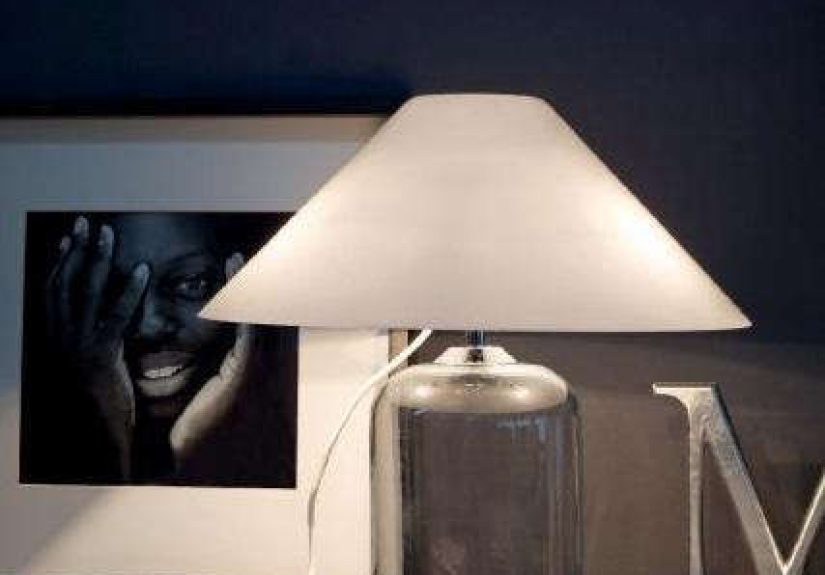
The Alega is commonly attributed as a design by Vico Magistretti for Vistosi, a brand known for Italian glass lighting rooted in Venetian/Murano traditions. Visually, it’s a study in contrast: a white blown-glass diffuser/shade on top, a transparent crystal-glass base below, and typically chrome-finished metal details tying it together. The result is clean and architecturalclassic enough for a traditional room, but crisp enough for a modern one.
Size-wise, spec sheets commonly list it at roughly 18 inches tall with a shade diameter around 17–18 inches. Translation: it’s not a tiny “cute accent lamp.” It’s a statement table lampone that can anchor a nightstand, console, or side table without looking apologetic.
The Alega’s signature move is how it handles light. The white glass diffuser softens brightness into a gentle ambient glow, while the transparent base can pick up and reflect light, adding a subtle “lit from within” feeling. Instead of beaming light like a spotlight, it spreads illumination in a way that feels warm and lived-inmore “evening at home,” less “airport terminal.”
Why the Alega Looks Better in Real Life Than in Product Photos
1) It’s a diffuser-first design (your eyes will thank you)
If you’ve ever sat next to a lamp and felt personally victimized by glare, you already understand why diffusion matters. The Alega’s white glass shade acts like a built-in softbox: it reduces harsh hotspots and distributes light more evenly. That’s especially useful in bedrooms and living rooms where you’re trying to relax, not audition for a crime drama.
2) It “layers” well with other light sources
Designers often talk about layering lightambient (overall glow), task (focused function), and accent (mood and highlights). A table lamp is one of the easiest ways to add a layer without remodeling your ceiling. The Alega excels here because it reads as sculptural during the day, then becomes an atmospheric source at night. It’s not fighting your overhead fixture; it’s making the room feel finished.
3) The materials do the decorating for you
Glass is sneaky powerful. It catches daylight, reflects nearby colors, and makes a space feel a bit more dimensional. The Alega’s clear base can echo what’s around itwood tones, wall color, a rug patternwithout demanding a color palette of its own. In other words, it’s elegant… and also a team player.
Where the Alega Table Lamp Works Best (Room-by-Room)
Bedroom: A calm bedside glow that still reads like “design”
The Alega is a strong bedside candidate because its shade is generous and diffusing. That means you get comfortable light for winding down, and you’re less likely to blast yourself in the face when you roll over at midnight to find your water.
Example setup: Place the Alega on a 24–30 inch nightstand with a headboard height that’s medium to tall. Pair it with warm-white bulbs (more on that soon) and keep other bedside items minimal: a small tray, one book, maybe a tiny vase. The lamp is already doing the heavy lifting.
Living room: A side-table “anchor” for seating areas
In living rooms, the Alega works beautifully at the end of a sofa or next to a reading chairespecially if your overhead lighting is more “necessary” than “romantic.” The lamp’s broad shade can help spread light across a wider area, supporting conversation and comfort.
Example setup: Put it on a side table that’s roughly level with the sofa arm (or slightly higher), then add one additional light source on the opposite side of the rooma floor lamp or a wall sconceso the space feels balanced rather than spotlighted.
Entryway or console: The “welcome home” upgrade
If your entryway feels like a transitional tunnel (keys, shoes, chaos, repeat), a good lamp turns it into a moment. The Alega can make a console table look intentional instantlyespecially with a mirror above it, where the lamp’s glow will bounce and amplify.
Home office: Soft ambient light that reduces the cave effect
No, a table lamp won’t replace proper task lighting for detailed work. But it can absolutely help your office feel less like a spreadsheet bunker. Use the Alega as ambient support, then add a directed desk lamp for actual task needs. Your future self (and your video calls) will appreciate the softer, more flattering light.
Bulbs, Brightness, and Color Temperature: How to Make It Glow (Not Glare)
The Alega is often specified as using three small-base bulbs. In North American UL versions, that’s commonly E12 (candelabra base); in other markets, you may see E14. Always follow the labeling for your specific model, but the practical takeaway is this: you’re choosing three bulbs that together create the final brightness and mood.
Pick brightness by what you do in the room
- Cozy ambient glow (bedroom, TV time): Aim for a lower total output. Think “soft and warm,” not “sunrise.”
- Reading nearby (chair, bedside): Use a higher total output or supplement with a task light.
- Entryway/console: Medium output is usually bestbright enough to feel welcoming, not so bright it feels clinical.
A simple way to think about it: you’re buying light (lumens), not power draw (watts). LEDs make this easier because you can get good brightness with low energy use.
Choose a color temperature that flatters interiors
For most homes, 2700K to 3000K is the sweet spot for “warm, comfortable light.” It keeps wood tones and skin tones looking friendly, and it plays nicely with creamy whites and warm neutrals. If your style leans modern and crisp, you can go slightly coolerbut the Alega’s personality is naturally warm, so don’t fight it unless you enjoy emotional conflict.
Consider CRI if you care about color accuracy
If the lamp will be near art, textiles, or your carefully curated “this throw pillow is not beige, it’s oatmeal” situation, choose bulbs with a high CRI (often 90+). It helps colors look more true and less muddy.
Want dimming? Make it happen the smart way
Some lamps include dimming, some don’t, and some can dim only with compatible bulbs. If your Alega has a standard on/off switch, you can still get adjustable light by using dimmable LED bulbs plus a compatible plug-in dimmer (or a smart plug system designed for dimming). The goal is controlbecause the same lamp should work for “reading chapter 12” and “doomscrolling until your phone hits 2%.”
Styling the Alega: Make It Look Expensive (It Already Is, But Still)
Pair it with natural textures
The Alega’s glass and chrome read clean and refined. To keep the room from feeling too slick, add one or two tactile elements: linen curtains, a wool throw, a basket, a wood tray. You’re basically giving the lamp a cozy entourage.
Let it pop against darker backgrounds
White glass against a darker wall (charcoal, deep green, navy) is a classic high-contrast look. The lamp becomes a soft beacon. If your walls are light, it still worksjust give it visual support with a darker table surface, a framed piece of art, or a mirror.
Use symmetry when you want “hotel calm”
Two matching lamps flanking a bed or a sofa can feel instantly polished. If you only want one Alega, balance it with a different light source on the other side of the room (a floor lamp, sconce, or pendant) so the space doesn’t feel lopsided at night.
Care and Safety: The Unsexy Stuff That Keeps Your Home Safe
A table lamp is a portable electrical applianceso treat it like one. Use bulbs that match the lamp’s specified maximums, keep cords in good shape, and don’t route cords under rugs where they can wear down. If you’re using it on a console or nightstand, leave a little breathing room so the cord isn’t bent sharply at the plug.
Cleaning is straightforward: a microfiber cloth for fingerprints and dust, and gentle glass cleaner sprayed onto the cloth (not directly onto electrical parts). If you’re moving the lamp, lift from the base rather than yanking it by the shade. Designer lighting is sturdy, but it’s not a suitcase handle.
Is the Alega Table Lamp Worth It?
The Alega typically sits in the designer lighting category, meaning you’re paying for materials, brand, craftsmanship, and design pedigreenot just “a thing that turns on.” Depending on the retailer and electrical certification, prices can vary widely. If you’re the kind of person who notices the difference between “fine” and “beautiful,” this lamp can be a long-term favorite.
You’ll probably love it if:
- You want a statement lamp that still feels timeless (not trend-chasing).
- You like diffused, comfortable lighting in bedrooms and living spaces.
- You appreciate glasswork and want materials that look good in daylight and at night.
- You’re building a room slowly with fewer, better pieces.
You might skip it if:
- You need one lamp to do everything, including intense task lightingwithout any help from other fixtures.
- You prefer industrial, edgy, or heavily textured looks where glass-and-chrome feels too polished.
- Your space is extremely small and you need a compact footprint above all else.
Living With the Alega: of Real-World Experience (What You’ll Notice Over Time)
Living with a lamp like the Alega isn’t a dramatic, movie-montage lifestyle change. It’s more like this: you stop turning on the overhead light. Not because you made a solemn vowbecause you simply don’t need to. The Alega’s glow becomes the default “evening setting,” the way a good playlist quietly becomes your whole personality for three months.
The first thing most people notice is how the light feels. Diffused white glass doesn’t fling brightness around the room; it settles into it. If you’ve ever sat in a room where a bare bulb makes every surface look harsher than it really is, this is the opposite. The Alega makes corners softer, faces gentler, and furniture look like it belongs together. It’s a subtle kind of flatteringlike good lighting at a restaurant where you suddenly believe you look well-rested.
Then there’s the base. During the day, the clear glass reads almost invisible, which is great if you hate visual clutter. At night, the base can pick up the lamp’s glow and reflect nearby colors. Put it on a walnut table and you’ll get warmth. Put it near a dark wall and it looks even more luminous. Put it near a mirror and you’ll feel like you gained an extra lamp without paying extra-lamp money. (Mirrors are basically legal lighting hacks.)
In a bedroom, the Alega changes your routines in small ways. You start reading more comfortably because you aren’t squinting through glare. You’re more likely to keep the room dim at night because the lamp can deliver cozy light without turning your space into a cave. If you choose bulbs carefullywarm color temperature, reasonable brightnessit becomes the perfect “wind-down signal.” The moment it clicks on, your brain goes: Oh. We’re home now.
In a living room, it becomes the anchor for a seating area. Guests drift toward the side of the sofa that feels brighter and more welcoming. You’ll notice that photos look better in the evening because the light is softer and more even. And if you’re the type who rearranges decor seasonally, the Alega doesn’t fight your changesbecause it doesn’t belong to a trend. It belongs to the idea of good light, which is forever.
Practical tip: you’ll also learn quickly that three bulbs means you can tune the experience. If it’s too bright, don’t blame the lampadjust the bulbs. If you want more reading support, use slightly higher-lumen bulbs or add a separate task light. If you want maximum mood, go warmer and lower. The Alega is less “set it and forget it” and more “set it and enjoy it”and once you dial it in, it becomes one of those home choices that feels quietly, consistently right.