Table of Contents >> Show >> Hide
- What Is the Maryclare Tumbler – Green?
- Why Green Glass Works With Almost Everything
- Maryclare Tumbler – Green: Practical Details That Matter
- How to Style the Maryclare Tumbler – Green (Without Redoing Your Whole Kitchen)
- Best Everyday Uses (Non-Alcoholic, Actually Delicious)
- Care and Cleaning: Keep Green Glass Looking Bright
- Is Green Glass “Better” Than Clear Glass?
- Sustainability Notes: Glass as a Long-Game Choice
- How to Shop Smart for the Maryclare Tumbler – Green
- FAQ
- Experiences With the Maryclare Tumbler – Green ( of Real-Life Vibes)
- Conclusion
- SEO Tags
Some glassware is just… there. It holds liquid, it survives the dishwasher (mostly), and it politely disappears into your cabinet.
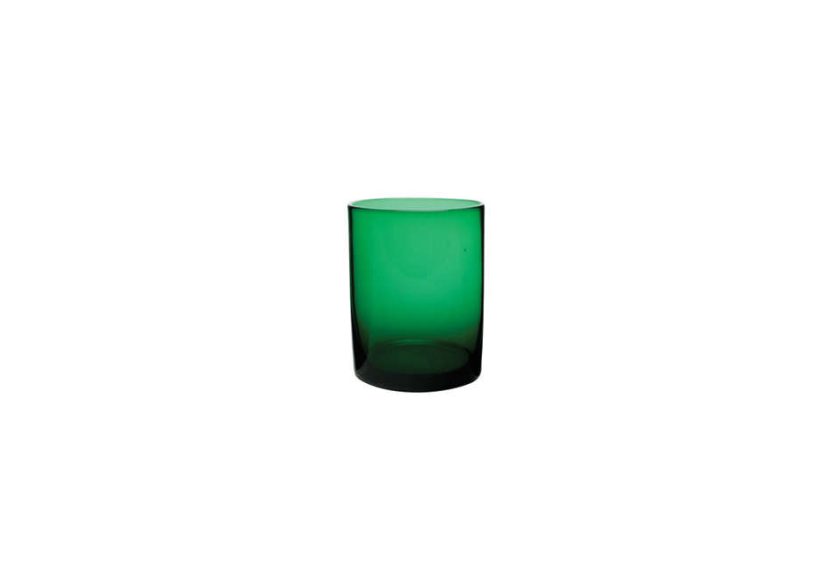
The Maryclare Tumbler – Green is not that kind of glass. This is the tumbler that makes plain water look like it
has a personal stylist. It’s the quietly dramatic, jewel-toned piece that turns “I’m hydrating” into “I’m curating a vibe.”
If you’ve ever stared at a table setting and thought, “Why does this feel like a magazine spread and my table feels like a group project?”
the answer is often colorspecifically, colored glass. Green glass in particular hits a sweet spot: earthy but polished,
playful but not loud, and surprisingly easy to mix with everyday dishes.
What Is the Maryclare Tumbler – Green?
The Maryclare Tumbler – Green is a colored glass tumbler associated with Canvas Home drinkware.
It’s been featured in design roundups as a budget-friendly way to bring jewel-toned glass onto the tablewithout committing to an entire
new dinnerware personality.
Think of it as the “gateway glass” to better-looking everyday moments: morning iced coffee, afternoon sparkling water, or a citrusy mocktail
with dinner. The green tint adds instant depth, even when the drink inside is literally just water doing its best.
Why people like it
- Color that feels timeless: Green reads classic (bottle glass energy) but still looks modern.
- Everyday shape: A tumbler is the most-used glass in most kitchensso upgrading it gives you the biggest payoff.
- Handmade-style character: Many crafted glass pieces show minor variations that make them feel less factory-perfect and more “collected.”
Why Green Glass Works With Almost Everything
Green glass is the design equivalent of a great pair of sneakers: it goes with more than you expect. It plays nicely with white plates,
wood serving boards, stoneware bowls, stainless flatware, and even those mismatched “temporary” napkins that have been temporary for three years.
From a materials standpoint, glass can be colored by adding specific compounds during manufacturingoften metal oxides that influence how light is absorbed
and reflected. That’s part of why green glass looks rich even in low light: it’s not just a surface coating; the color is built into the material.
Design bonus: green makes condensation look intentional
Clear glass + ice = a sweaty science experiment on your table. Green tinted glass + ice = “refreshing.” The tint softens the stark contrast
of ice cubes and reduces the “I forgot a coaster” guilt spiral.
Maryclare Tumbler – Green: Practical Details That Matter
Beautiful is nice. Usable is the real flex. Here are the details that tend to matter most with a daily tumblerespecially colored glass.
1) Size you’ll actually reach for
“Tumbler” can mean anything from a small juice glass to a big all-day water glass. Resale listings for the Maryclare line often describe a
small tumbler around 6.5 oz, which is a nice size for juice, espresso-over-ice, or a smaller serving when you don’t want to
carry a beverage the size of a flower vase.
If you’re a “one glass, refilled 14 times a day” person, you may prefer a larger companion size. The good news: colored glass collections
are often built to mixso you can pair smaller Maryclare tumblers with larger everyday glasses and still look coordinated.
2) The feel in your hand
A tumbler should feel stableespecially if you’re using it daily. A slightly heavier base helps prevent tipping, while a comfortable rim
makes it pleasant for sipping. These sound like tiny details until you use a glass with a sharp rim and suddenly your mouth is filing a complaint.
3) Color durability
With colored glass, you’re usually dealing with color integrated into the glass itself rather than a painted exterior. That’s a big deal,
because it typically means the tint won’t “wash off.” Still, you’ll want to treat any nice glassware with reasonable careespecially with
harsh detergents, abrasive scrubbers, or stacking it like you’re trying to win cabinet Jenga.
How to Style the Maryclare Tumbler – Green (Without Redoing Your Whole Kitchen)
You don’t need a full matching set to make green glass look intentional. In fact, a slightly mixed collection often looks more personal.
Here are easy, specific ways to use the Maryclare Tumbler – Green like a stylistwithout becoming one.
5 easy table-setting ideas
- Classic white + green: White plates, green tumblers, natural linen. Minimal effort, maximum “yes, I own a plant.”
- Wood + stoneware: Green glass pops against warm wood and matte ceramics. It’s contrast without chaos.
- Holiday without the clichés: Green glass gives seasonal energy without forcing red-and-green everything.
- Monochrome greens: Mix green tumblers with olive napkins or sage placemats for a layered look.
- Mixed jewel tones: Green plays well with amber, smoky gray, and deep blue glass for a “collected over time” vibe.
Best Everyday Uses (Non-Alcoholic, Actually Delicious)
A tumbler’s job is to show up constantly. Here are practical, non-alcoholic ways the Maryclare Tumbler – Green can earn its cabinet space.
- Iced coffee or cold brew: The green tint makes coffee look extra rich and intentional.
- Sparkling water + citrus: Bubbles look great through tinted glass. It’s science. (And also pretty.)
- Herbal iced tea: Especially mint, hibiscus, or citrus teasgreen glass makes it feel “spa,” not “sink.”
- Fresh juice: The smaller size (often cited around 6.5 oz) is perfect for juice without turning breakfast into a sugar marathon.
- After-school hydration: A nice glass makes “drink water” feel less like homework.
Care and Cleaning: Keep Green Glass Looking Bright
Glass is straightforwarduntil it isn’t. Cloudiness, water spots, and “why does this smell like last week’s smoothie?” are the usual villains.
The fix is mostly simple habits and the occasional rescue mission.
Daily care that prevents the drama
- Rinse soon after use: Especially after sugary drinks or anything dairy-based. Old residue is clingy.
- Skip abrasive scrubbers: They can scratch glass or dull the surface over time.
- Give space in the dishwasher: Overcrowding increases chipping risk and traps detergent residue.
How to fix cloudy glassware
Cloudiness can come from hard-water minerals or etching. For mineral haze, many home-care guides recommend a vinegar soak (or a vinegar rinse cycle)
to help dissolve buildup. If the glass is etched, the “cloudiness” is actually tiny surface damage and may not fully reverseso prevention matters.
Thermal shock: the sneaky glass breaker
Glass doesn’t love sudden temperature swings. Avoid pouring very hot liquids into a very cold glass (or setting a chilled glass onto a hot surface).
If you want the tumbler for hot drinks, let it warm slightly firstor use a mug designed for heat.
Food-safety and cleanliness basics
For everyday food-contact items like glassware, the goal is simple: clean thoroughly, let it dry fully, and store it in a way that keeps rims clean.
In busy kitchens, it’s also smart to handle glasses by the base or sides rather than touching the rimespecially when serving.
Is Green Glass “Better” Than Clear Glass?
Functionally, a glass tumbler is a glass tumbler. But green glass has a few practical advantages that can make it feel “better” in daily use:
- It disguises water spots slightly: Clear glass shows everything. Green glass is a bit more forgiving.
- It adds mood instantly: The table looks styled even if the meal is “whatever is in the fridge.”
- It photographs well: If you ever post food or table moments, tinted glass adds depth and contrast.
Sustainability Notes: Glass as a Long-Game Choice
A single tumbler won’t save the planet (we love ambition, but let’s be realistic). Still, glass has a strong sustainability argument:
it’s durable, reusable, and widely recyclable in many U.S. communities. Recycled glass can also be used to make new glass products,
reducing the need for raw materials.
The most sustainable glassware is the one you’ll use for yearsso choosing a piece you genuinely like (and therefore won’t “declutter” next month)
is a surprisingly meaningful win.
How to Shop Smart for the Maryclare Tumbler – Green
Because Maryclare tumblers have shown up in curated design spaces and resale listings, you may encounter them through different channels.
Here’s how to shop without getting tricked by confusing product names or random listings.
Check the basics
- Brand reference: Many listings associate Maryclare tumblers with Canvas Home.
- Material: Look for “glass” (and avoid listings that use “tumbler” to mean stainless insulated cupsdifferent universe).
- Capacity/size: Some sets are described as small tumblers around 6.5 oz; confirm what you’re buying fits your use.
- Handcrafted variation: Minor imperfections can be normal for crafted glassread descriptions carefully.
Mixing sets without chaos
If you can’t find enough Maryclare tumblers for a full set, don’t panic-buy eight unrelated glasses out of desperation.
Instead, treat the Maryclare Tumbler – Green as an accent: pair it with clear tumblers in the same general height,
or mix with other jewel tones to create a deliberate collection.
FAQ
Is the Maryclare Tumbler – Green dishwasher safe?
Many glass tumblers are dishwasher-friendly, but longevity depends on your detergent, water hardness, and how crowded the rack is.
If you’re trying to keep the glass pristine, gentler cycles and avoiding heavy overcrowding help.
Why do my glasses get cloudy?
Cloudiness can come from mineral deposits or etching. Mineral deposits often respond to vinegar-based cleaning approaches,
while etching is permanent surface change. Prevention: avoid excessive detergent, use rinse aid if appropriate, and don’t overload.
Does green glass change the taste of drinks?
The glass color changes how your drink looks, not how it tastes. The “better flavor” effect is usually psychologicalpresentation matters.
Experiences With the Maryclare Tumbler – Green ( of Real-Life Vibes)
The most honest way to evaluate the Maryclare Tumbler – Green is to imagine it living a full day in a normal house
not a showroom where nobody actually drinks anything. Here are the kinds of experiences people tend to have with a small, green glass tumbler
that’s pretty enough to leave out and practical enough to use constantly.
Morning: The day starts with something simplewater, iced coffee, or juice. This is where the green tint quietly shines.
Clear glass can make an everyday drink look a little stark (and sometimes a little sad). Green glass adds instant depth, like your beverage
got upgraded without being told. If you’re someone who likes small portionssay, a modest juice serving rather than a full pintthis style of
tumbler (often described in the “small tumbler” range) feels intentional. It’s also the kind of glass you can rinse quickly and reuse later
without feeling like you’ve created a dish mountain before 9 a.m.
Midday: This is prime “refill culture.” A tumbler that looks good tends to get used more, because it’s already on the counter
and it’s pleasant to pick up. Green glass is especially forgiving when life gets messy: fingerprints are less visually loud than on ultra-clear
crystal, and minor water spots don’t scream for attention. On the flip side, if you have hard water, you may notice haze over timeso it’s nice
to know the classic home trick: a vinegar rinse or soak can help with mineral buildup. (Your glass doesn’t need a spa day often, but it appreciates
it when it happens.)
Afternoon: This is where the Maryclare Tumbler – Green becomes a “tiny luxury.” Sparkling water with citrus, iced tea,
or anything with fruit looks extra refreshing through tinted glass. If you’re serving friends, green glass also gives you an easy hosting shortcut:
the table looks styled even if the snacks are whatever you had in the pantry. And because it’s a tumblernot delicate stemwareyou don’t feel like
you need to supervise everyone’s grip like a nervous museum curator.
Evening: Dinner is where colored glass earns its keep. It softens the look of a busy table and adds contrast next to plates and bowls.
Green pairs especially well with neutrals (white, cream, gray) and natural textures (wood, linen). If the tumbler is small, it also works as a
portion-friendly drink glass for mealsrefillable, but not oversized. After dinner, the experience becomes practical again: rinse, load, repeat.
The biggest “aha” is that a good-looking everyday glass often changes habits. People drink more water when the glass feels pleasant. They set a nicer
table because the tumblers make it easy. They keep the kitchen a little tidier because the green glass looks great on the counter (and chaos does not).
In other words, the Maryclare Tumbler – Green isn’t just a container. It’s a tiny design decision that keeps paying you backone refill at a time.
Conclusion
The Maryclare Tumbler – Green is proof that “everyday” doesn’t have to mean “boring.” A simple colored glass tumbler can upgrade
your daily routine, sharpen your table setting, and make hydration feel less like a chore and more like a choice. It’s practical enough for constant use,
stylish enough to leave out, and flexible enough to mix with the glassware you already own. If you want a small change with a big visual payoff,
green glass is one of the easiest wins you can bring home.