Table of Contents >> Show >> Hide
- What “Meningitis Vaccine” Usually Means in Real Life
- The Main Types of Meningitis-Related Vaccines in the U.S.
- Who Should Get Which Vaccine?
- Common Side Effects: What Is Normal and What Is Not?
- What These Vaccines Do Not Do
- Questions People Ask All the Time
- Bottom Line
- Real-World Experiences: What Getting These Vaccines Often Looks Like
- SEO Tags
If you have ever searched for a “meningitis vaccine,” you have probably discovered one of modern medicine’s favorite hobbies: turning simple questions into alphabet soup. MenACWY. MenB. Hib. PCV. PPSV23. It sounds less like a vaccine schedule and more like a Wi-Fi password someone made in a panic.
But here is the good news: once you strip away the abbreviations, meningitis vaccines are not nearly as confusing as they first appear. And if you are a parent, a college student, or an adult trying to figure out whether you need one more shot before travel, campus move-in, or a doctor’s appointment, understanding the basics can save you a lot of stress.
The first thing to know is that there is not one single universal “meningitis vaccine.” Meningitis is inflammation of the lining around the brain and spinal cord, and it can be caused by different germs. In the United States, vaccines help prevent some of the most dangerous bacterial causes of meningitis, especially meningococcal disease, Haemophilus influenzae type b (Hib), and pneumococcal disease. So when someone says “the meningitis shot,” they are usually talking about one category of vaccine, not one magical do-everything jab.
What “Meningitis Vaccine” Usually Means in Real Life
For most healthy preteens and teens, the phrase usually refers to a meningococcal vaccine. These vaccines protect against Neisseria meningitidis, a bacteria that can cause meningitis and bloodstream infections that may become life-threatening very quickly. This is why schools, colleges, and pediatricians talk about meningococcal vaccination so often.
But that is only part of the story. Babies and young children are also protected against other bacteria that can cause meningitis through their routine Hib and pneumococcal vaccines. In other words, meningitis prevention in America is less like buying one umbrella and more like packing a full rain kit.
The Main Types of Meningitis-Related Vaccines in the U.S.
1) MenACWY vaccines
These protect against meningococcal serogroups A, C, W, and Y. In the United States, the main MenACWY brand names include:
- Menveo
- MenQuadfi
This is the routine meningococcal vaccine recommended for all preteens at ages 11 to 12, followed by a booster at age 16. That booster matters because protection can decrease over time, and late adolescence is one of the ages when risk rises.
2) MenB vaccines
These protect against meningococcal serogroup B, which is a different slice of the meningococcal pie. The U.S. brand names are:
- Bexsero
- Trumenba
MenB vaccination is not universally routine for every healthy teenager in the same way MenACWY is. Instead, it is usually offered through shared clinical decision-making for teens and young adults ages 16 through 23, with 16 through 18 being the preferred age window. Translation: your doctor may recommend it based on your situation, especially if college, dorm living, or other risk factors are part of the picture.
One very important detail: MenB brands are not interchangeable. If you start with Bexsero, finish with Bexsero. If you start with Trumenba, stay with Trumenba. This is not the time for a “surprise plot twist” approach to brand loyalty.
3) MenABCWY vaccines
These newer pentavalent vaccines combine protection against A, B, C, W, and Y. Current U.S. brand names include:
- Penbraya
- Penmenvy
These are useful when a person is due to receive both MenACWY and MenB at the same visit. Instead of getting separate shots for separate letter clusters, one pentavalent option may be used when appropriate.
4) Hib vaccines
Hib vaccines protect against Haemophilus influenzae type b, which used to be a major cause of bacterial meningitis in young children. U.S. Hib-only brand names include:
- ActHIB
- Hiberix
- PedvaxHIB
Hib is mostly a baby-and-toddler vaccine story. It is part of the standard childhood series, which is one reason many younger parents never see the devastating Hib meningitis cases that doctors used to fear routinely. There are also combination vaccines that include Hib, such as Pentacel and Vaxelis.
5) Pneumococcal vaccines
Pneumococcal vaccines help protect against Streptococcus pneumoniae, another important bacterial cause of meningitis. Current U.S. names include:
- Vaxneuvance (PCV15)
- Prevnar 20 (PCV20)
- Capvaxive (PCV21) for adults
- Pneumovax 23 (PPSV23)
These are especially relevant for young children, adults 50 and older, and people with certain medical risks. They are not usually what a college form means when it says “meningitis vaccine,” but they absolutely matter in the broader prevention picture.
Who Should Get Which Vaccine?
For babies and young children
Infants and young kids routinely receive Hib and pneumococcal conjugate vaccines. These shots are part of standard childhood immunization because the bacteria they target can cause severe illness, including meningitis.
For preteens and teens
Most healthy adolescents should get:
- MenACWY at 11–12 years old
- MenACWY booster at 16
Many teens and young adults may also consider:
- MenB between ages 16 and 23, especially around 16 to 18
This is where college discussions often enter the chat. A lot of people hear about MenB when they are about to move into a dorm, join campus life, or suddenly realize that close living quarters are great for friendships and less great for fast-moving bacteria.
For adults
Adults may need meningococcal vaccines if they have higher-risk circumstances, including certain immune system problems, functional or anatomic asplenia, HIV, complement deficiencies, use of complement inhibitor medications, lab exposure to meningococcal bacteria, military service, outbreak exposure, or travel to places where meningococcal disease is more common.
Adults may need pneumococcal vaccination routinely at age 50 and older, or earlier depending on medical conditions and risk factors. Hib vaccination is usually not needed after early childhood unless special medical situations apply, such as certain immune conditions or stem cell transplant.
Common Side Effects: What Is Normal and What Is Not?
Most vaccine side effects are short-term and honestly pretty boring, which is exactly what you want from a vaccine reaction. In general, your immune system is doing a little rehearsal, not staging a Broadway production.
Common MenACWY side effects
- Soreness, redness, or swelling where the shot was given
- Headache
- Tiredness
- Muscle aches
Common MenB side effects
- Soreness, redness, or swelling at the injection site
- Fatigue
- Headache
- Muscle or joint pain
- Fever or chills
- Nausea or diarrhea in some people
MenB vaccines tend to be a little more memorable in the “wow, my arm really noticed that” category. That does not mean anything is wrong. It means your body has received the memo.
Common Hib side effects
- Redness, warmth, or swelling where the shot was given
- Fever
- Irritability in young children
Common pneumococcal vaccine side effects
- Pain, redness, swelling, or tenderness at the injection site
- Fever or chills
- Loss of appetite
- Tiredness
- Headache
- Muscle or joint aches
- Fussiness in younger children
Most of these side effects resolve within a day or two. A sore arm, feeling wiped out for an evening, or running a mild fever is not unusual. A severe allergic reaction is rare, but it is an emergency. Trouble breathing, widespread hives, facial swelling, or rapidly worsening symptoms after a shot should get immediate medical attention.
What These Vaccines Do Not Do
This is an important reality check: meningitis vaccines do not protect against every cause of meningitis. They also do not cover every strain of every bacteria. That is one reason doctors still take meningitis symptoms seriously even in vaccinated people.
Vaccination greatly lowers risk, but it is not a magic force field. If someone has symptoms like high fever, severe headache, neck stiffness, confusion, unusual sleepiness, or a rapidly worsening rash, that is not the moment to play “let’s see how it goes.” That is the moment to seek urgent medical care.
Questions People Ask All the Time
Is the “college meningitis vaccine” the same as every meningitis vaccine?
Usually, college paperwork is talking about MenACWY, and in some cases schools also strongly encourage or discuss MenB. Always check the exact wording rather than trusting a vague checkbox from a form designed by chaos.
Can I get more than one meningitis-related vaccine at the same visit?
Often, yes. Providers can give meningococcal vaccines with other vaccines during the same appointment, typically at different injection sites. Pentavalent MenABCWY options may simplify visits when both MenACWY and MenB are indicated.
If I got vaccinated years ago, am I still covered?
Maybe, maybe not. Protection can decrease over time, which is exactly why the MenACWY booster at age 16 exists. People with ongoing high-risk conditions may also need additional doses or boosters. Vaccine history is one of those things that matters more than most of us wish it did.
Do adults need to think about meningitis vaccines?
Yes, especially adults with certain medical conditions, travel plans, lab exposure, college housing situations, or outbreak risks. And while healthy adults may not routinely need meningococcal vaccination, they may still need pneumococcal vaccination based on age or health status.
Bottom Line
The phrase “meningitis vaccine” sounds simple, but it actually covers a small team of vaccines with different jobs. MenACWY is the routine shot for preteens and teens. MenB is an added option for many teens and young adults, especially around college age. Penbraya and Penmenvy are newer pentavalent options that can combine protection when both MenACWY and MenB are due. Meanwhile, Hib and pneumococcal vaccines are key reasons bacterial meningitis prevention starts long before the teenage years.
If you remember only one thing, make it this: ask which meningitis-related vaccine you or your child needs, not just whether you “got the meningitis shot.” That one small wording change can turn a confusing conversation into a much smarter one.
Real-World Experiences: What Getting These Vaccines Often Looks Like
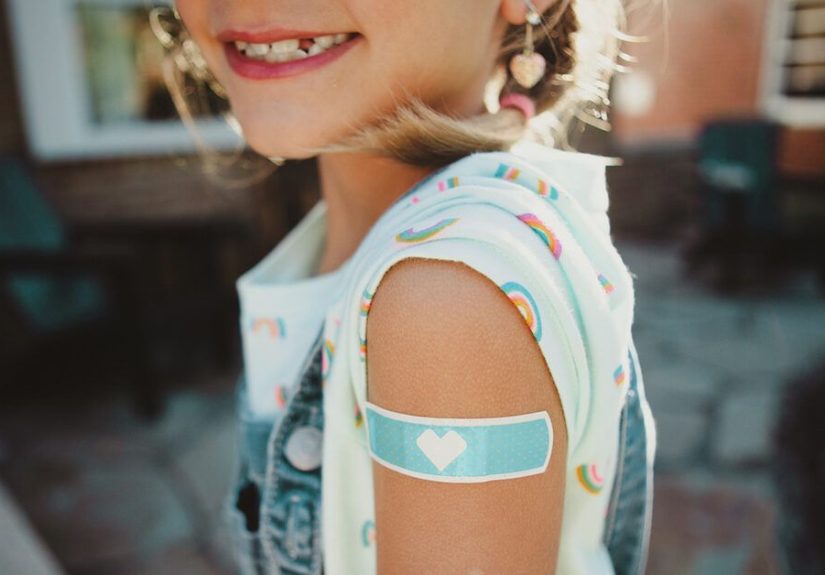
The real-life experience of meningitis vaccination is usually a lot less dramatic than the internet makes it sound. For many families, it starts with a routine well visit. A parent brings in an 11-year-old for a checkup, expects a height measurement and a reminder to eat vegetables, and leaves with a MenACWY vaccine, maybe Tdap, maybe HPV, and a kid who acts like the bandage deserves its own award. The arm is sore by dinner. The child complains exactly three times, accepts a favorite snack as emotional compensation, and is fine the next morning. That is a very ordinary vaccine day.
For older teens, the experience is often tied to college planning. A high school senior gets a reminder from a pediatrician’s office or a university form that mentions meningococcal vaccination. Suddenly, a parent is Googling at midnight, the student is asking whether this is required for dorm life, and everybody is learning that MenACWY and MenB are not the same thing. In many cases, the visit ends with a practical conversation: “You already had MenACWY, but let’s talk about whether MenB also makes sense for you.” That shared decision is common, especially for students heading into residence halls, Greek life, or other close-contact settings.
Adults tend to discover meningitis-related vaccines in a completely different way. It might come up after a diagnosis involving the immune system, after spleen removal, before travel, or during a review of vaccines at a specialist appointment. For them, the experience is less about school forms and more about risk management. It can feel surprisingly empowering. Instead of hearing, “Here is a random shot,” they hear, “Because of your health situation, this vaccine lowers your risk of a very serious infection.” That context matters. People are usually a lot less annoyed by a sore arm when they understand the reason behind it.
And then there is the universal post-shot experience: the arm that suddenly objects to being used for basic life tasks. Reaching for a backpack feels rude. Pulling on a shirt becomes theater. Sleeping on that side? Bold choice. MenB vaccines, in particular, can leave some teens and young adults feeling tired, achy, or mildly feverish for a day. Most people recover quickly, but it is wise not to schedule a heroic upper-body workout right after the appointment unless your goal is to make your deltoid file a formal complaint.
Emotionally, many people walk away with more relief than anxiety. Parents feel better knowing their child is protected before middle school, high school, or college. Students feel better checking off health paperwork before move-in day. Adults with medical risk factors often feel better knowing they are not leaving a preventable danger unanswered. So yes, the names are clunky, the abbreviations are absurd, and the side effects can be mildly annoying. But the overall experience is usually simple: a quick appointment, a brief sore arm, and a meaningful layer of protection against diseases nobody wants to meet in the wild.