Table of Contents >> Show >> Hide
- What Exactly Is a Mid-Century Rope Lantern Chandelier?
- Why This Style Works So Well
- Key Design Elements to Look For
- Where This Chandelier Looks Best
- How to Choose the Right Size (Without Guessing and Hoping)
- Light Quality: Warm, Flattering, and Actually Useful
- Safety and Practical Checks (Because Ceilings Should Not Be “Eventful”)
- Styling Ideas That Make It Look Designer-Level
- Cleaning and Maintenance (Rope Is Beautiful… and Also a Dust Magnet)
- Common Mistakes (So You Don’t Have to Learn the Hard Way)
- Quick Buying Checklist
- Real-World Experiences (What People Notice After Installing One)
Some lighting fixtures are background noise. A mid-century rope lantern chandelier is not one of them.
It’s the kind of statement piece that walks into the room five minutes before you do, shakes hands with your furniture,
and politely asks your ceiling if it can borrow a little attention.
This hybrid style blends two vibes that shouldn’t work togetheryet absolutely do:
mid-century modern (clean lines, warm metals, confident geometry) and
rope lantern texture (natural fiber, coastal warmth, hand-crafted character).
The result is a chandelier that feels tailored but relaxedlike a blazer over a vintage tee, except… you know… on your ceiling.
What Exactly Is a Mid-Century Rope Lantern Chandelier?
Start with the “mid-century” part: think streamlined silhouettes, minimal fuss, and materials that feel warm and intentionalbrass,
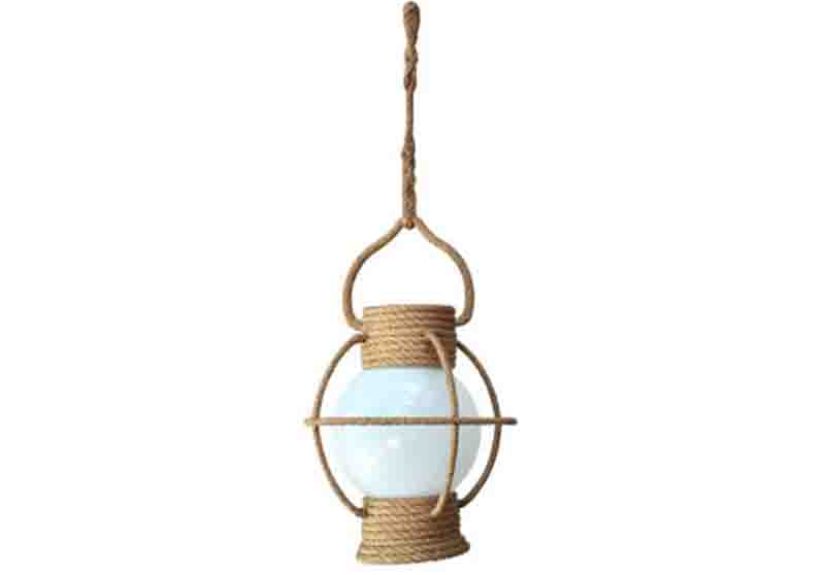
walnut tones, matte black, opal or frosted glass, and symmetrical shapes. Now add the “rope lantern” part: a lantern-style cage or
shade (often geometric or gently rounded) wrapped, accented, or suspended with natural rope such as jute or hemp.
The lantern shape gives structurelike a little architectural frame for the lightwhile rope adds softness and texture.
Together, they create a fixture that can bridge design styles: mid-century, coastal, organic modern, modern farmhouse,
boho, and even minimalist spaces that need one “warm” element to keep the room from feeling like a tech showroom.
Why This Style Works So Well
1) It balances “sleek” and “cozy”
Mid-century lighting can be visually crispsometimes even sharp. Rope softens that edge. It adds a tactile layer that
makes the fixture feel approachable, not sterile. If your room has lots of smooth finishes (glass, stone, lacquered wood),
rope introduces a texture that keeps the space from feeling too “perfect.”
2) It plays nicely with wood tones
Mid-century interiors love warm woods. Rope naturally complements walnut, oak, and teak-like finishes because it sits in a similar
warm, earthy range. That means your chandelier can feel connected to dining chairs, a sideboard, exposed beams, or even a simple
wood picture frame gallery.
3) It gives you “character” without chaos
Rope has personality, but it’s still neutral. So you get a fixture with presencewithout committing your entire room to one dramatic
color or an ultra-trendy shape you’ll regret the moment your favorite design show moves on.
Key Design Elements to Look For
Frame: brass, black, bronze, or mixed metals
For a true mid-century feel, look for aged brass, warm gold tones, or a matte black frame with brass accents.
The best versions keep the frame clean and geometric: circles, rectangles, or softened squares that read “modern” even at a distance.
Lantern shape: airy, not bulky
Lantern chandeliers can range from delicate and open to heavy and cage-like. If you’re leaning mid-century,
choose a lantern that feels lightweight visuallythin bars, clean corners, and plenty of negative space
so the chandelier looks sculptural, not clunky.
Rope detailing: subtle accent vs. full wrap
Rope can show up in a few ways:
- Rope-wrapped arms (small doses of texture, very versatile)
- Rope suspension (rope replaces or accents chain/rodgreat for coastal or organic modern)
- Rope shade or weave (the lantern itself is partially wovenwarm glow, more boho-forward)
If you want the chandelier to last beyond trend cycles, aim for rope as an accent, not the entire identity.
(Translation: you want “design detail,” not “nautical theme park.”)
Bulbs and diffusers: glow matters
Clear glass lanterns can look amazing but may create glare if the bulbs are exposed. Frosted or opal elements soften the light.
If you love that mid-century “globe” look, choose round bulbs or fixtures that incorporate frosted glass to keep the vibe warm and flattering.
Where This Chandelier Looks Best
Dining room: the classic “wow” spot
A rope lantern chandelier over a dining table feels welcoming and styledespecially if your dining room has wood furniture, neutral upholstery,
or brass hardware. It’s also a great way to make a dining space look “finished,” even if everything else is simple.
Entryway or foyer: instant first impression
In an entry, you want a fixture that reads as intentional from the second you walk in. Lantern shapes are naturally architectural,
and rope adds warmthperfect for that “come in, take your shoes off, you’re safe here” energy.
Kitchen island: warm texture in a hard-working space
Kitchens have lots of sleek surfaces. A rope-accent chandelier (or two matching lantern pendants) can soften the room while still
keeping the look clean and modern. If you do this, make sure you also have good task lightingthis fixture is the star, not the entire cast.
Bedroom: boutique-hotel mood
Rope + warm metal can create a calm, spa-like feel in a bedroomespecially if you use warm bulbs and pair it with soft textiles.
It’s a grown-up alternative to a basic flush mount (and more flattering than the “interrogation light” many bedrooms suffer from).
How to Choose the Right Size (Without Guessing and Hoping)
Let’s save you from the two most common chandelier regrets:
“It looks tiny” and “Why does it feel like it’s about to eat the table?”
Room-based sizing
A widely used guideline is: add the room length and width (in feet) to get an approximate
fixture diameter (in inches).
Example: a 12′ x 14′ room → 12 + 14 = 26 → look for a chandelier around 26 inches wide.
Table-based sizing (dining rooms)
Over a dining table, a great rule is to keep the chandelier about 1/2 to 2/3 the table’s width.
Example: a 42″ wide table → target chandelier width around 21″ to 28″.
Hanging height over a dining table
A common recommendation is to hang the bottom of the chandelier about 30–36 inches above the tabletop
(then adjust slightly based on ceiling height, chandelier shape, and sightlines).
Hanging height in a foyer
For an 8-foot ceiling, a common guideline is the bottom of the fixture should sit at least 7 feet above the floor.
With taller ceilings, you typically raise it accordingly so it feels proportional and keeps clear headroom.
Light Quality: Warm, Flattering, and Actually Useful
Pick the right color temperature
For living spaces, dining rooms, and bedrooms, most people prefer warm light in the
2700K–3000K range. It’s inviting and flattering (and it won’t make your dinner look like a science project).
Don’t ignore CRI
If you want food, skin tones, art, and wood finishes to look good, choose bulbs with a CRI of 80+
(higher is even better, especially in dining spaces and areas where color matters).
Integrated LED vs. bulb-based fixtures
Integrated LED fixtures can be low-maintenance, but bulb-based fixtures give you flexibility to change brightness and color temperature over time.
If you’re building a timeless look, that flexibility can be a long-term win.
Safety and Practical Checks (Because Ceilings Should Not Be “Eventful”)
Look for recognized safety certification
When buying any chandelier, check for a recognized safety mark (like a UL certification mark) and make sure it’s appropriate for your location.
If you’re installing near moisture (bathroom, covered patio), confirm the fixture is rated for damp or wet locations as needed.
Mind the weight and mounting
Chandeliers can be heavier than they lookespecially lantern styles with metal frames. If the fixture is large, unusually heavy,
or requires wiring beyond your comfort level, hiring a licensed electrician is worth it.
Vintage or vintage-inspired fixtures
If you’re shopping vintage, assume the wiring may need replacement unless it’s been updated. Many design authorities recommend
verifying condition, measuring carefully, and planning for proper supportespecially for bigger pieces.
Styling Ideas That Make It Look Designer-Level
Mid-century classic
- Brass frame + subtle rope accent + opal bulbs or frosted glass
- Walnut dining table, simple ceramic vase, neutral rug
- One bold art piece on the wall (keep the rest calm)
Coastal mid-century (yes, it’s a thing)
- Matte black lantern frame + thicker rope wrap
- Linen curtains, woven textures, light wood floors
- Soft white walls and a few vintage accents (not a whole boat theme)
Organic modern
- Warm bronze frame + natural rope + soft diffusion
- Curved furniture, stone or plaster textures, greenery
- Keep the palette earthy: sand, clay, warm white, olive
Cleaning and Maintenance (Rope Is Beautiful… and Also a Dust Magnet)
Rope and natural fibers add texture, but they also collect dust more easily than гладкий metal or glass.
The goal is gentle, regular upkeepnot aggressive scrubbing that roughs up fibers.
- Power off first and let bulbs cool completely.
- Dust regularly with a soft cloth or a vacuum brush attachment on gentle suction.
- Avoid heavy moisture on rope; if you spot-clean, use minimal liquid and blotdon’t soak.
- Check hardware occasionally: canopy screws, chain/rod connections, and bulb tightness.
Common Mistakes (So You Don’t Have to Learn the Hard Way)
Buying too small
If your chandelier disappears in the room, it won’t feel “mid-century statement.” It’ll feel like you accidentally hung a nice keychain.
Use the room/table sizing guidelines and don’t be afraid of a fixture with presenceespecially in a foyer or dining room.
Mixing bulb colors in the same space
Mixing color temperatures can make a room feel visually off. Keep your bulbs consistent in the area, especially in open layouts.
Skipping dimming
A dimmer turns a chandelier from “bright overhead light” into “mood, glow, ambience, and suddenly your leftovers look gourmet.”
Just make sure your bulbs (and dimmer switch) are compatible.
Quick Buying Checklist
- Style balance: mid-century frame + rope accent that feels intentional
- Size: room formula (L+W in feet → inches) and/or 1/2–2/3 table width
- Height: 30–36″ above a dining table; foyer clearance based on ceiling height
- Bulbs: 2700K–3000K warm light, CRI 80+
- Safety: recognized certification mark; correct damp/wet rating if needed
- Practicality: rope placement won’t be constantly splashed with grease/steam
Real-World Experiences (What People Notice After Installing One)
Homeowners and renters who add a mid-century rope lantern chandelier often report the same first reaction:
the room immediately feels more “done.” Even if the walls are plain and the furniture is simple, the chandelier creates a focal point
that makes everything look intentionallike the space got styled for a photo shoot, but you can still live there without whispering.
In dining rooms, people tend to notice how the rope detail changes the mood. Classic mid-century lighting can read crisp and polished,
but rope brings a casual warmth that makes meals feel less formal and more inviting. It’s the difference between “dinner party” and
“stay as long as you want, there’s more pasta.” With warm bulbs and a dimmer, the chandelier becomes a mood-setting tool rather than
just overhead illumination. It can make weeknight dinners feel special and weekend brunch feel like you paid for valet parking (you did not).
In entryways, the experience is all about first impressions. People notice it when they walk infriends, delivery drivers,
and yes, even you when you’re hauling groceries and trying not to drop the eggs. A lantern silhouette feels architectural,
and rope keeps it from feeling too formal. Many find it’s a sweet spot: elevated enough to feel stylish, relaxed enough
that it doesn’t clash with everyday life (or your dog sprinting to the door like it’s a red-carpet premiere).
Another common observation: rope makes the fixture feel more connected to the rest of the room, especially in spaces with wood tones,
woven accents, or plants. People who already have natural texturesrattan stools, linen curtains, a jute rug, a wood tableoften say the chandelier
“ties it all together.” It becomes a bridge element between modern lines and organic materials. In open-concept homes, that bridging effect matters
because the chandelier is visible from multiple angles. A good one doesn’t just look nice above the tableit looks good from the kitchen, the living room,
and the hallway where you stand staring into space wondering why you walked there.
Practical experiences show up too. Rope detailing tends to collect dust more than smooth metal, so people who love the look often build a simple habit:
a quick dusting when they do a general reset of the room. It’s not difficult; it just rewards consistency. Those who install the chandelier in kitchens
frequently mention that rope is best when it’s not directly above heavy cooking zonesespecially if you fry or sear often. In other words: rope is charming,
but it doesn’t want to be an oil-splatter volunteer.
Finally, there’s the “lighting confidence” factor. Many people discover that once they choose the right size and hang it at the correct height, the entire room
feels more proportional. The table looks anchored. The ceiling height feels intentional. The space gets that designer trick of visual balancewithout moving walls,
remodeling, or learning what “soffit” means. And that’s the best kind of upgrade: the one that looks expensive but mostly required measuring tape and good taste.