Table of Contents >> Show >> Hide
In recent years, the idea of using blue light therapy for various health benefits has garnered significant attention. Often associated with treating sleep disorders, mood problems, and even certain skin conditions, blue light therapy is increasingly being explored for its potential benefits for older adults. A specific focus is on its use during the morning hours to combat the common health challenges that older individuals face, such as poor sleep patterns, cognitive decline, and depression. According to research and experts from institutions like Harvard Health, incorporating morning blue light therapy may offer a variety of positive effects that can improve overall well-being in aging adults.
What is Blue Light Therapy?
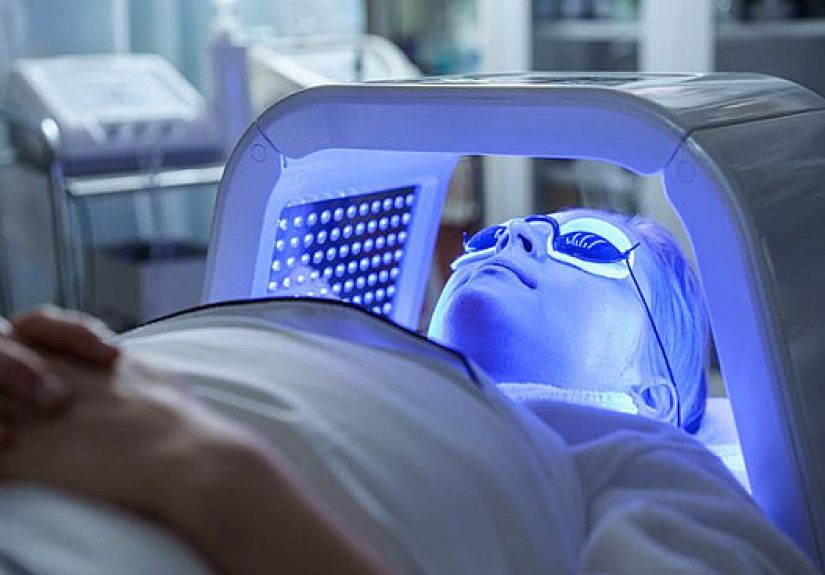
Blue light therapy involves the exposure of the eyes and body to a specific wavelength of blue light, typically emitted from a light therapy box or similar devices. This therapy has been mainly used to treat seasonal affective disorder (SAD), a form of depression that occurs primarily in the winter months due to lack of sunlight. Over time, scientists have found that blue light can have various physiological and psychological effects, which may prove beneficial in treating a range of conditions in older adults, particularly those who struggle with sleep disruptions and low mood.
The Link Between Blue Light and Sleep
One of the most exciting benefits of morning blue light therapy is its potential to improve sleep quality. As people age, their circadian rhythms – the natural sleep-wake cycle – often become less synchronized with the environment. This results in difficulty falling asleep, waking up too early, and experiencing reduced sleep quality. Morning blue light therapy can help by stimulating the body’s production of serotonin, a neurotransmitter that regulates mood and helps set the body’s internal clock.
Exposure to blue light in the morning can help reset this internal clock, thereby helping older adults maintain a healthier, more regular sleep pattern. This is particularly beneficial for those who experience insomnia or disrupted sleep as they age. Research has shown that morning exposure to blue light can improve sleep duration, reduce sleep onset latency (the time it takes to fall asleep), and increase sleep efficiency, making it an ideal treatment for older adults struggling with sleep-related issues.
Enhancing Mood and Fighting Depression
Depression is a significant concern for older adults, with many experiencing symptoms of depression due to life changes such as retirement, loss of loved ones, or health-related issues. Blue light therapy has been shown to have mood-boosting effects, primarily by influencing serotonin levels in the brain. This can be particularly helpful for older adults who may not want to rely on medications or for those who have not found success with traditional antidepressants.
Morning blue light therapy has been found to help elevate mood and reduce symptoms of depression, particularly in older adults suffering from mild to moderate depressive symptoms. The treatment has even shown promise in reducing the symptoms of seasonal affective disorder, which is more common in elderly populations who might be less exposed to natural sunlight during the winter months.
Cognitive Function and Blue Light Therapy
Beyond its benefits for sleep and mood, there is emerging evidence suggesting that blue light therapy may also have cognitive benefits for older adults. Cognitive decline and conditions like dementia are common concerns as people age. Some research suggests that blue light exposure may improve cognitive function by enhancing alertness and attention.
In a study published by researchers at Harvard Health, older adults who received daily morning exposure to blue light showed improvements in mental sharpness, task performance, and attention span. This is a significant finding, as cognitive decline is one of the leading causes of decreased quality of life among older individuals. Although more research is needed to confirm these findings, the early results suggest that blue light therapy could be an effective, non-invasive way to support cognitive health in aging adults.
The Science Behind Morning Blue Light Therapy
The key to the effectiveness of blue light therapy lies in its ability to influence melatonin, a hormone that regulates sleep. By stimulating the photoreceptors in the retina, blue light exposure helps to suppress melatonin production during the morning hours, which in turn helps reset the circadian rhythm. This is particularly useful for older adults, who often experience a delayed or advanced sleep phase, disrupting their overall sleep patterns.
Morning blue light exposure has been shown to help older adults realign their sleep cycles, allowing them to wake up feeling refreshed and more energized. This type of therapy is most effective when the blue light exposure is timed early in the morning, ideally within the first hour of waking up. Consistent daily exposure to blue light during the morning hours can reinforce the body’s internal clock, making it easier for older individuals to maintain a stable sleep-wake routine.
Practical Considerations for Older Adults
While the benefits of morning blue light therapy for older adults are clear, it is important to consider some practical aspects of incorporating this treatment into daily life. Blue light therapy is generally safe, but like any treatment, it is essential to use it appropriately. Here are some practical tips for older adults looking to try blue light therapy:
- Start Slow: For those new to blue light therapy, it’s important to start with short sessions, around 20 to 30 minutes per day, and gradually increase the exposure as needed.
- Use a Therapy Box: Blue light therapy boxes are available in the market and are designed specifically for this purpose. These boxes emit a specific wavelength of blue light that mimics natural sunlight.
- Consistency is Key: For blue light therapy to be effective, it must be done regularly, ideally every morning at the same time each day.
- Avoid Evening Exposure: To avoid disrupting sleep patterns, it is important to limit exposure to blue light in the evening, as it can interfere with the body’s natural ability to produce melatonin.
Potential Risks and Considerations
While blue light therapy is generally safe, there are a few considerations to keep in mind. Older adults with certain eye conditions, such as macular degeneration or glaucoma, should consult with their healthcare provider before starting blue light therapy. Additionally, it’s important to avoid overexposure, as excessive blue light can cause eye strain or discomfort.
It is also worth noting that blue light therapy should not be seen as a one-size-fits-all solution. It is most effective when combined with other healthy lifestyle practices such as exercise, a balanced diet, and social engagement, which are all important for maintaining good health and well-being as we age.
Conclusion
Morning blue light therapy offers a promising, non-invasive approach to enhancing the health and well-being of older adults. By helping to regulate sleep patterns, elevate mood, and improve cognitive function, blue light therapy could provide many benefits for those seeking to optimize their aging process. With proper usage and guidance, it has the potential to improve quality of life, making it an important tool in the fight against the common challenges faced by older adults. As always, it’s important to consult with a healthcare provider before beginning any new therapy to ensure it’s a good fit for individual needs and conditions.
Experience with Morning Blue Light Therapy:
One woman, Jean, a 72-year-old retired teacher, had struggled for years with sleep disruption, often waking up in the middle of the night and unable to fall back asleep. She decided to give morning blue light therapy a try after hearing about its potential benefits from a friend. She used a blue light therapy box for 30 minutes each morning, soon finding that she was able to fall asleep more easily and wake up feeling more refreshed. Over the course of several weeks, Jean noticed improvements not only in her sleep patterns but also in her mood and energy levels, which allowed her to engage in more social activities with her friends and family. Jean’s experience reflects the positive changes that many older adults have experienced after trying blue light therapy, underscoring its potential to improve the lives of aging individuals.
In conclusion, morning blue light therapy offers a scientifically-backed, practical solution for older adults struggling with sleep and mood-related issues. With proper guidance and consistent use, it could help countless individuals feel better, sleep better, and live better.
meta_title: Morning Blue Light Therapy for Older Adults: Benefits and Research
meta_description: Discover how morning blue light therapy can improve sleep, mood, and cognitive function in older adults, backed by Harvard Health research.
sapo: Morning blue light therapy may be a game-changer for older adults struggling with sleep issues, depression, and cognitive decline. Learn how this therapy works and why it’s effective in improving the health of aging individuals.
keywords: blue light therapy, morning blue light therapy, older adults, sleep improvement, cognitive function, depression in elderly, circadian rhythm