Table of Contents >> Show >> Hide
- The Incident Behind the Headline
- Why Cape Buffalo Are Feared, Even by Experienced Hunters
- Why the Internet Reached for the Word “Karma”
- The Trophy Hunting Debate This Story Reignited
- What This Story Says About Wealth, Image, and Modern Safari Culture
- Why This Story Resonates Beyond Hunting
- Experiences Related to the Topic: What Encounters Like This Feel Like in Real Life
- Conclusion
Some headlines practically write themselves. This was one of them. A wealthy American hunter travels to South Africa in pursuit of one of the continent’s most feared animals, and the hunt ends with the hunter dead and the buffalo becoming the story’s grim final editor. It is the sort of news item that ricochets across the internet because it contains all the ingredients modern outrage loves: money, risk, wildlife, moral conflict, and a brutal reversal of power.
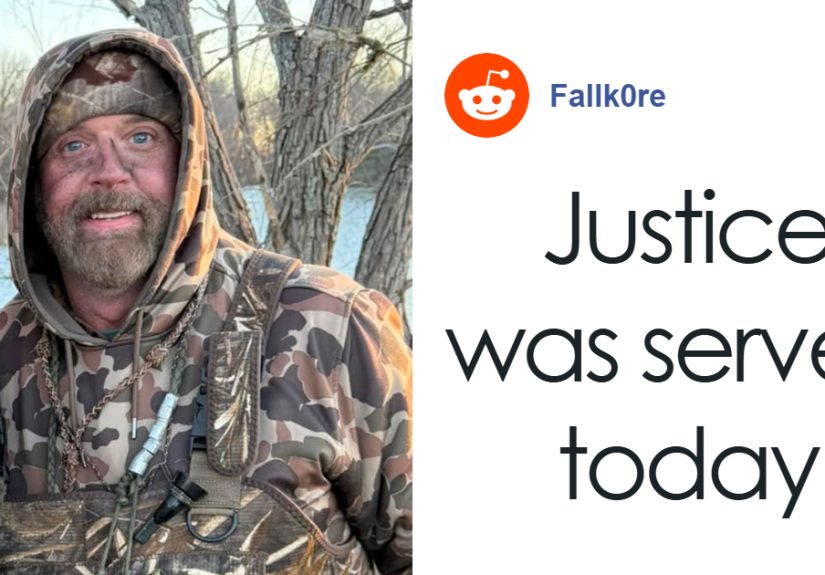
But beneath the viral framing sits a more complicated story. Reports identified the man as Asher Watkins, a Texas ranch broker and avid outdoorsman who died after a Cape buffalo attack during a safari hunt in Limpopo. From there, the online reaction split almost immediately into two camps. One side saw the event as poetic justice and called it karma. The other saw it as a tragic death being flattened into meme material. Both reactions tell us something important about how trophy hunting is viewed in 2026: not as a niche hobby, but as a global flashpoint where ethics, wealth, conservation, and spectacle crash into one another at full speed.
And, much like a Cape buffalo, that conversation does not arrive gently.
The Incident Behind the Headline
According to multiple reports, Watkins was on a guided safari hunt in South Africa when the buffalo he was tracking fatally attacked him. The animal was not being described as a sleepy grazing extra in some postcard-perfect wildlife scene. This was a Cape buffalo, one of the animals most often grouped among Africa’s dangerous game. In plain English, that means a creature with muscle, mass, horns, speed, and an attitude problem that no amount of money can negotiate with.
The phrase “tables turned” spread quickly because it captured the story’s brutal irony. A man who had traveled to kill a large wild animal instead became the victim of the encounter. That reversal fueled exactly the sort of reaction social media is built for: instant judgment, emotional certainty, and very little patience for nuance. The word “karma” trended because many people see trophy hunting not as sport, but as vanity wrapped in camouflage.
Still, reducing the entire event to a punchline misses the larger reality. This was a real death, involving a real family, and it occurred inside a real industry that has spent years selling danger, prestige, and the fantasy of mastery over wild animals.
Why Cape Buffalo Are Feared, Even by Experienced Hunters
Not a cow. Not even close.
If you hear the word buffalo and picture a shaggy, mellow herbivore minding its own business, your brain is doing you no favors here. The Cape buffalo is not North America’s bison cousin with a rebrand. It is a thick-necked, heavy-boned, horned force of nature with a reputation for unpredictability. Wildlife outlets and safari operators alike have long described it as one of the most dangerous animals to pursue on foot.
That reputation matters because trophy hunting culture often thrives on labels like dangerous game, Big Five, and elite hunt. Those phrases are not accidental. They are part marketing, part mythology. They sell the idea that the hunter is not simply paying to shoot an animal, but stepping into an old-school test of nerve, skill, and grit.
The trouble is that wild animals do not care about branding. A Cape buffalo does not know it is supposed to behave like a character in somebody else’s hero story. It reacts to stress, threat, confusion, pain, and instinct. Sometimes that means fleeing. Sometimes that means charging. And when a buffalo charges, things go from “interesting vacation package” to “ambulance, now” in a blink.
Why hunters prize them
The very traits that make Cape buffalo dangerous are the same traits that make them desirable trophies. In hunting circles, risk increases status. A deer is one thing. A Cape buffalo is another. It signals money, travel, exclusivity, and toughness. It says the hunter did not just participate in an outdoor activity; he entered a world of expensive rifles, professional trackers, private concessions, and stories designed to sound better with every retelling.
That is part of why this case drew so much attention. It was not just a safari accident. It was a collision between a luxury subculture and a public that is increasingly skeptical of trophy hunting’s moral logic.
Why the Internet Reached for the Word “Karma”
The public reaction was not subtle. Many people interpreted the buffalo attack as a moral reversal: someone who sought an animal’s death met death instead. That response did not come out of nowhere. Trophy hunting has become a symbolic issue, especially online, where images of smiling hunters posing beside dead animals tend to trigger disgust, anger, and debates about privilege.
The phrase “now that’s karma” works because it feels emotionally neat. Too neat, really. It turns a messy event into a tidy moral fable. Hunter hunts. Animal fights back. Internet applauds. Curtain falls.
But real life is not that cooperative. Calling the death karma may express fury at trophy hunting, but it also risks treating a human fatality like entertainment. That is where the conversation gets uncomfortable, because many people can oppose big game hunting and still feel uneasy about celebrating a death. Those two reactions are not contradictory. They are evidence that ethics still has a pulse.
In other words, you can think trophy hunting is grotesque without turning tragedy into confetti.
The Trophy Hunting Debate This Story Reignited
The argument supporters make
Supporters of regulated trophy hunting often argue that the practice can generate money for conservation, anti-poaching efforts, wildlife management, habitat protection, and local communities. This argument has been echoed for years by some wildlife managers, government agencies, and parts of the hunting industry. The logic is straightforward: if wild animals have economic value, landowners and governments have a reason to preserve habitat rather than convert it to farming, livestock, or development.
That argument is not fictional. It exists, it has policy support in some contexts, and it remains one of the strongest defenses of trophy hunting. For advocates, the issue is not whether hunting feels emotionally pleasant. It is whether a regulated market can help keep large landscapes and wild species viable.
The argument critics make
Critics say that story is often cleaner on paper than on the ground. They argue trophy hunting can reward private operators more than local communities, encourage the killing of genetically or socially important animals, and turn wildlife into luxury products for wealthy travelers. They also argue that claims about conservation benefits are frequently overstated, poorly monitored, or used as a moral shield for an activity driven by status and thrill.
Ethically, critics go further. They say killing a magnificent wild animal for display, bragging rights, or prestige is fundamentally wrong even if the paperwork is legal. In that framework, the problem is not just conservation math. It is the worldview underneath the hunt: the idea that enough money can convert a living creature into an experience package.
This is why stories like Watkins’ death travel so far. They do not remain personal tragedies for long. They get pulled into a larger fight over what safari culture means in the twenty-first century.
What This Story Says About Wealth, Image, and Modern Safari Culture
The word millionaire mattered in the coverage because it sharpened the public response. A fatal wildlife encounter is one story. A fatal wildlife encounter involving a wealthy trophy hunter is another. Wealth changes the symbolic temperature. It makes the hunt look less like subsistence, tradition, or wildlife management and more like premium-risk consumption.
That matters because modern trophy hunting often exists in a curated ecosystem of guides, photo ops, social media posts, custom rifles, luxury accommodations, and storytelling designed to frame the hunter as bold, capable, and hard to impress. The animal becomes part of a performance. A dead buffalo is not only a body; it is also proof of access, payment, and nerve.
But then nature does what nature does. It refuses to stay inside the brochure.
That is one reason the headline landed so hard. It punctured the fantasy of control. No matter how much experience, money, or gear a person brings into the bush, the bush still gets a vote.
Why This Story Resonates Beyond Hunting
Even people who never think about safaris responded to this case because it speaks to a broader cultural tension: what happens when wealth is used to purchase dangerous experiences involving living things. The modern audience is increasingly suspicious of any activity that treats animals as props in a status ritual. That suspicion is especially strong when the animal is iconic, wild, and visibly powerful.
There is also a deeper emotional current here. Many people feel that wild animals are already under pressure from habitat loss, climate strain, trade, and human expansion. Against that backdrop, trophy hunting can look less like tradition and more like theater from an older era that refuses to leave the stage.
So when a buffalo fights back, people do not merely see an accident. They see a symbolic rebellion. The animal stops being the hunted and becomes, for a moment, the force that interrupts human arrogance.
That emotional reading may oversimplify the real-world facts, but it explains why the story spread with such intensity. It fit a narrative people were ready to believe.
Experiences Related to the Topic: What Encounters Like This Feel Like in Real Life
To understand why this story hit such a nerve, it helps to think about the experiences people describe around Cape buffalo encounters, safari tracking, and dangerous-game culture more broadly. Again and again, whether the speaker is a hunter, tracker, guide, or wildlife observer, the same themes surface: tension, noise, speed, and the eerie feeling that the landscape can go from beautiful to lethal without warning.
It often begins with stillness. The bush can feel almost too quiet, as if the air itself is holding its breath. People describe hearing dry grass brush against boots, the snap of a twig, distant birds, and then the sharp awareness that visibility means very little in thick cover. A buffalo does not need to stand in the open and announce itself like a celebrity on a red carpet. It can be there, somewhere ahead, hidden in brush, turning a scenic outing into a nerve test in seconds.
Then comes the physical reality of the animal. People who have seen Cape buffalo up close often talk about mass before anything else. Not elegance. Not grace. Mass. Weight. Force. Presence. It feels less like looking at a grazing animal and more like realizing a tank has somehow grown a heartbeat and horns. The body language matters too. A stare can feel confrontational. A head movement can change the whole mood. What looked calm one moment can suddenly read as warning the next.
That is part of what makes dangerous-game hunting, and even non-hunting wildlife encounters, so emotionally charged. Everyone involved understands that there is no magic bubble separating human intention from animal response. The hunter may imagine a careful plan. The guide may know the terrain. The tracker may read signs in the dirt like a detective. But the animal remains wild, reactive, and capable of rewriting everybody’s expectations in one violent burst.
People also describe how fast these moments unfold. Not movie fast. Faster. There is no dramatic soundtrack, no slow-motion wisdom, no time for a philosophical monologue about man versus nature. There is only motion, impact, confusion, yelling, and the horrible speed with which bodies can be broken. That reality is part of the reason buffalo have such a fearsome reputation. The danger is not abstract. It is immediate, physical, and brutally simple.
Afterward, the emotional residue tends to linger. Even when an encounter does not end in tragedy, people often remember the smell of dust, the pounding pulse, the silence afterward, and the uncomfortable realization that the wild is not a theme park. It does not exist to flatter human courage. It does not reward confidence just because confidence showed up well-dressed and well-funded. In stories like this one, that is the lesson people keep circling back to. The buffalo is not a symbol until humans turn it into one. Before that, it is just an animal being exactly what it is: powerful, unpredictable, and very much not interested in our narratives.
Conclusion
The death of a millionaire trophy hunter after a Cape buffalo attack became viral because it satisfied a cultural appetite for moral reversal. People saw a hunter become the hunted and rushed to summarize the entire event in one word: karma. But the truth is both sharper and more complicated than that.
This was a fatal safari accident involving one of Africa’s most dangerous animals. It was also a public referendum on trophy hunting, privilege, conservation, and the limits of human control. The story resonated not because it was strange, but because it exposed a contradiction many people already feel: modern society claims to admire wildlife while still making a luxury spectacle out of killing it.
And that may be the real reason the headline stuck. Not because the buffalo delivered cosmic justice on command, but because the incident shattered the old illusion that money, status, and a rifle can always keep the wild at a safe narrative distance. Sometimes the wild steps forward, lowers its head, and reminds everyone that it was never auditioning for a supporting role.