Table of Contents >> Show >> Hide
- Why an Old Colander Works So Well as a Succulent Planter
- How to Make an Old Colander Succulent Planter
- Best Succulents for an Old Colander Planter
- Design Ideas That Make the Planter Look Special
- Care Tips: How to Keep the Planter Alive and Looking Good
- Common Mistakes to Avoid
- Why This DIY Project Keeps Winning People Over
- The Experience of Living With an Old Colander Succulent Planter
An old colander is one of those kitchen castoffs that looks like it retired years ago, only to come back with a fabulous second act. Give it a handful of succulents, a gritty potting mix, and a sunny spot, and suddenly that humble pasta-drainer starts behaving like a boutique planter with attitude. It is practical, it is charming, and it solves one of the biggest succulent problems right out of the gate: drainage.
That is the real magic here. Succulents are not fussy divas, but they are dramatic about wet feet. They like bright light, fast-draining soil, and a container that does not trap water like a tiny swamp. An old colander checks those boxes almost suspiciously well. The holes that once helped with spaghetti night now help excess moisture escape, which means less root rot, less guesswork, and fewer sad little plants turning to mush.
If you love upcycling, cottage-style garden decor, farmhouse touches, or simply enjoy giving old things a new purpose, an old colander succulent planter makes a smart project. It is part DIY, part container gardening, and part proof that not every stylish planter has to come from a home store with a price tag large enough to require emotional support.
Why an Old Colander Works So Well as a Succulent Planter
Succulents naturally prefer excellent drainage and airy soil. That is why gardeners are often told to choose containers with holes, use cactus or succulent mix, and water deeply only after the soil dries out. A colander already comes preloaded with plenty of openings, so it is unusually well suited to the basic needs of these plants.
There is also a design advantage. Most colanders are wide and fairly shallow, which pairs nicely with many popular succulents that do not need a deep root run. Instead of forcing a tiny echeveria into a deep decorative pot where moisture lingers forever, a colander allows for a broad planting surface with faster drying time. That is especially helpful for gardeners who tend to water with optimism rather than restraint.
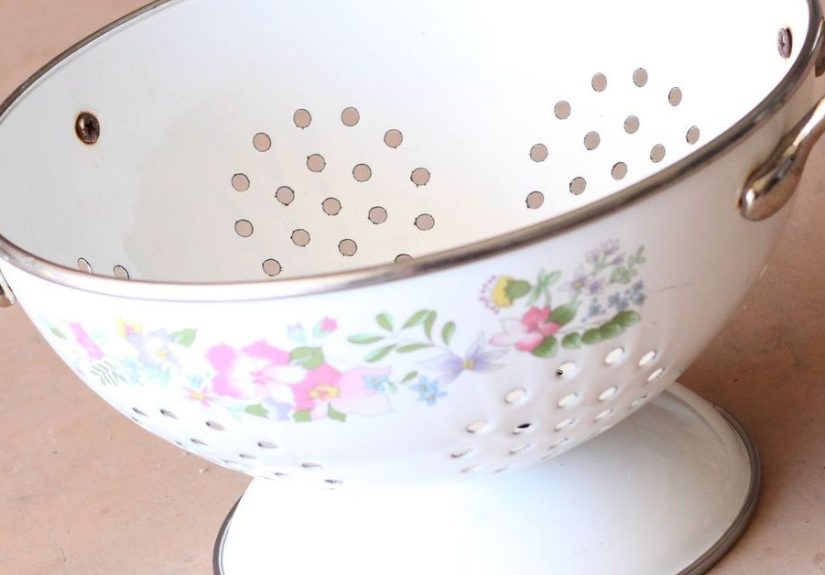
Then there is the visual appeal. A weathered metal colander has instant personality. It can look vintage, rustic, quirky, industrial, or farmhouse-chic depending on the finish and where you display it. A bright enamel colander feels cheerful on a porch. A rusty old metal one looks right at home in a cottage garden. A hanging colander planter can even become a conversation piece that makes guests say, “Wait, is that pasta equipment?”
How to Make an Old Colander Succulent Planter
What You Need
You do not need a truckload of supplies for this project. In most cases, you need an old colander, succulent or cactus potting mix, a bit of extra pumice or perlite if you want even sharper drainage, a small piece of coco liner, sheet moss, mesh, or landscape fabric to keep soil from spilling out, and a selection of succulents with similar light and water needs.
If you plan to hang the planter, you will also need sturdy twine, chain, or wire. Choose something that can handle the weight of wet soil, metal, and plants without turning your project into an accidental gravity demonstration.
Step-by-Step Planting
First, clean the colander thoroughly. If it has old food residue, dust, or flaky grime, give it a scrub and let it dry completely. If the piece is heavily rusted, check that it is still structurally sound. A little patina is charming. A total collapse is less charming.
Next, line the inside lightly. Because colanders have lots of holes, you need something to keep the soil in place while still allowing water to escape. A thin coco liner, sheet moss, burlap, mesh, or landscape fabric works well. Do not overdo it. The goal is to slow soil loss, not create a waterproof bathtub.
After that, add your soil mix. Use a cactus or succulent mix, or blend regular potting mix with coarse mineral amendments such as pumice, perlite, or coarse sand. The finished mix should feel loose and fast-draining rather than dense and muddy. Succulents like a root zone with oxygen, not a mud spa.
Now arrange your plants before you commit. Place taller or more sculptural succulents near the center or slightly off-center, then tuck smaller rosettes, trailing sedums, or textural accents around them. This is the fun part, and also the point where many people discover they have opinions about plant spacing they did not know they possessed.
Plant the succulents gently, firm the soil around the roots, and top-dress with gravel if desired. A light top dressing looks polished and can help keep leaves from resting directly on damp soil. Once planted, wait a short while before watering if you disturbed roots or used fresh cuttings. Then give the container a thorough drink and allow it to drain fully.
Best Succulents for an Old Colander Planter
The best choices are compact succulents with similar care needs. Echeveria is an obvious favorite because its rosettes look like living flowers. Sedum adds soft spill and movement around the edges. Sempervivum can work beautifully outdoors in the right climate. Haworthia is great if the planter will sit in bright indirect light rather than all-day blazing sun. Small crassulas, graptopetalums, and kalanchoes can also play well in a mixed arrangement.
Try not to combine plants with wildly different preferences. A cactus that wants scorching sun and very infrequent watering may not be thrilled sharing an apartment with a thirstier succulent that prefers gentler conditions. Grouping plants with similar growth habits, light exposure, and water needs makes care easier and the arrangement more stable over time.
It is also smart to think about scale. A colander is charming because it looks compact and whimsical, so giant agaves are probably not the mood. Smaller rosette forms, bead-like textures, or low mounding varieties usually look more balanced and keep the piece from becoming a botanical traffic jam.
Design Ideas That Make the Planter Look Special
A good old colander succulent planter can be simple, but a great one tells a little story. You can lean rustic with weathered metal, neutral gravel, and soft green sedums. You can go playful with a painted colander, colorful echeverias, and trailing string-like succulents. You can go vintage kitchen garden with enamelware, herbs nearby, and a display on a potting bench or porch shelf.
If you are hanging the planter, let the shape work for you. Trailing succulents soften the edges and create movement, while upright forms in the center keep the arrangement from looking flat. If the colander sits on a table, patio, or garden wall, use a mix of heights and leaf textures to keep the design interesting from above.
For extra charm, consider the setting. An old colander looks wonderful on a sunny stoop, tucked onto a potting table, perched on brick steps, or hung near a kitchen garden where its culinary past gets a wink of recognition. It is a project that blends utility and nostalgia, which is probably why people love it so much.
Care Tips: How to Keep the Planter Alive and Looking Good
Light
Most succulents want bright light, and many thrive with several hours of sun. The exact amount depends on the type and your climate. In very hot regions, strong afternoon sun can scorch some varieties, especially newly planted ones. In lower light, succulents may stretch, lose color, and lean like they are trying to negotiate with the nearest window. Start with bright light and adjust based on how the plants respond.
Water
Water deeply, then let the soil dry before watering again. That is the core rule. Do not sprinkle the surface every other day like you are seasoning a salad. Succulents do best when watered thoroughly and then allowed to dry down. Because a colander drains fast and often has more airflow than a typical pot, you may need to check moisture a little more often during hot weather, especially outdoors.
Soil
A fast-draining mix matters more than fancy gardening confidence. If your soil stays soggy, the nicest container in the world will not save the plants. Use gritty material, avoid heavy garden soil, and skip the temptation to pack the planter tightly with moisture-holding compost. Succulents want leaner, airier conditions.
Maintenance
Remove dead leaves, snip leggy growth, and rotate the planter if one side gets more light. If a plant starts to outgrow the arrangement, prune it or move it to a larger container before it takes over like a leafy landlord. Also remember that metal containers can heat up faster in strong sun, so monitor the planter during heat waves and provide protection if the plants seem stressed.
Common Mistakes to Avoid
The first mistake is assuming that “lots of holes” means you can ignore soil quality. Not quite. A colander helps, but the potting mix still needs to drain quickly. The second mistake is overwatering. This is the classic succulent tragedy, and it usually begins with good intentions. The third mistake is using the wrong location. A dark corner might be cozy for a lamp, but it is not a dream home for sun-loving succulents.
Another common issue is overstuffing the planter. It is tempting to jam in every cute little plant you bought because they all looked lonely at the garden center. Resist. Give them some room to breathe and grow. The arrangement will look better on day one and even better in a few months.
Finally, be thoughtful with truly antique pieces. If the colander has family history, collectible value, or a finish that is flaking badly, consider using it as a decorative cachepot with a nursery pot slipped inside instead of planting directly into it. You still get the look without permanently sacrificing the piece.
Why This DIY Project Keeps Winning People Over
An old colander succulent planter hits a sweet spot that many garden projects miss. It is useful, easy to personalize, and friendly to both beginners and seasoned gardeners. It does not require fancy tools, a huge budget, or advanced botanical wizardry. Yet it still looks creative and polished when done well.
It also makes people smile. There is something delightful about seeing an ordinary kitchen object transformed into living decor. It feels clever without trying too hard. It feels homemade in the best way. And unlike some DIY projects that end with a lopsided object everyone politely calls “unique,” this one often turns out genuinely beautiful.
That combination of function and charm is the reason this idea keeps resurfacing in gardens, patios, porches, and social feeds. It is not just cute. It makes practical sense. And in gardening, that is a powerful combination.
The Experience of Living With an Old Colander Succulent Planter
What really makes this project memorable is not just the way it looks on planting day, but the experience of having it around afterward. A good old colander succulent planter becomes one of those small household details that quietly improves a space. It might sit near the back steps where the morning sun catches the leaves, or hang near the porch where it sways a little in the breeze. Over time, it stops feeling like a craft project and starts feeling like part of the home.
There is usually a funny little emotional arc to the whole thing. First comes skepticism. You hold a used colander in one hand and a tray of succulents in the other and think, “This is either going to look amazing or deeply confusing.” Then you plant it, step back, and realize the thing has charm. Real charm. Suddenly that old kitchen item looks intentional, artistic, and just scrappy enough to feel personal.
Many gardeners also notice that this kind of planter changes the way they observe plants. Because the container is shallow and open, you tend to pay closer attention to the small shifts. A rosette colors up in brighter light. A trailing sedum starts to spill over the rim like green confetti. A wrinkled leaf reminds you it is time for a good soak. The planter teaches you to watch, not hover. That is one of the most useful gardening lessons around.
It can also become a surprisingly social object. Guests ask about it. Neighbors notice it. Someone inevitably says they have an old colander too, and just like that, you have started a conversation about gardening, thrift stores, grandmothers’ kitchens, or whether succulents are adorable or just tiny survival experts with excellent branding. Few planters offer that much personality per square inch.
There is also satisfaction in the imperfections. Maybe the colander is chipped. Maybe the handle is a little crooked. Maybe the metal has weathered in a way no new planter could fake. Those details add warmth. In fact, they often make the arrangement better. Succulents already have sculptural forms and subtle colors, so pairing them with something worn and storied creates contrast. The plants look fresh and architectural. The colander looks lived-in and human. Together, they make each other more interesting.
For many people, the best part is that the planter feels achievable. It is creative without being intimidating. You do not need a workshop, power tools, or a design degree. You need a container with holes, the right soil, a few good plants, and enough patience not to drown them. That low-pressure success matters. It gives beginners a win, and it gives experienced gardeners a project that still feels playful.
And then, of course, there is the long game. Months later, the arrangement changes. Some plants settle in. Some need trimming. One might get moved. Another might become the unexpected star. The old colander planter keeps evolving, which is part of its appeal. It is never frozen in that first-day, magazine-photo stage. It grows with the seasons, the weather, and your confidence. That makes it more than decor. It becomes a tiny living record of your attention, your taste, and your willingness to see possibility in ordinary things.
In a world full of mass-produced containers, that is a lovely outcome. An old colander succulent planter feels handmade, useful, cheerful, and just a little witty. It proves that good gardening does not always begin in the garden center. Sometimes it begins in the back of a cabinet, next to the kitchen tools nobody has used since the year everyone briefly tried homemade pasta.