Table of Contents >> Show >> Hide
- What makes a cabana towel a “cabana” towel?
- Why go organic for a beach towel?
- The comfort science: fiber, weave, and that mysterious “GSM” number
- What to look for in an organic cabana beach towel
- Care tips: keep it absorbent, not “mysteriously waxy”
- Style and sustainability: yes, you can have both
- Choosing the “right” organic cabana towel (without overthinking it)
- Conclusion
- Extended Experiences: of Organic Cabana Towel Life
A beach day has a tiny list of unavoidable truths: sand gets everywhere, sunscreen ends up in at least one eyeball, and the towel you brought will either feel like a cloud… or like a damp receipt. The organic cabana beach towel is the antidote to “damp receipt energy.” It’s big, bold, stripey, and made from organic cotton that’s easier on skin and (usually) tougher on questionable chemicals. It’s also the closest thing you can own to a portable vacation. Unroll it, and suddenly you’re a person who definitely drinks sparkling water “for the minerals.”
What makes a cabana towel a “cabana” towel?
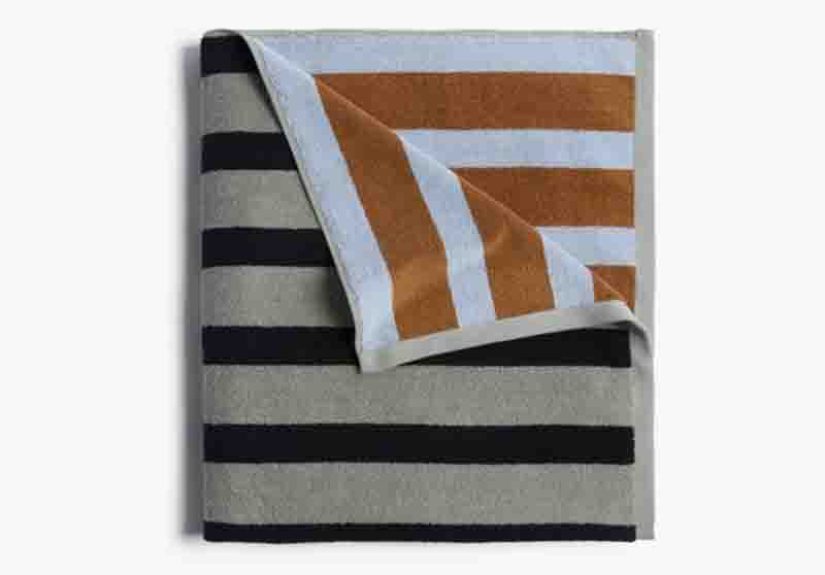
Cabana towels are the classic striped towels you’ve seen at hotels, pools, and beaches where someone always looks effortlessly put-together. The stripes aren’t just for vibes: they’re practical. Bold patterns make it easy to spot your setup from a distance, and they hide some of life’s little souvenirs (sand, snack crumbs, the occasional mystery stain).
In practice, “cabana” usually implies oversized dimensions (often around the mid-60s to low-70s inches long and mid-30s inches wide) so you can actually lie down without performing towel yoga. Many cabana towels also use a two-texture build: a soft velour face (great for lounging) and a terry loop back (great for drying off). Translation: one side is for looking glamorous, the other side is for doing the work.
Why go organic for a beach towel?
A beach towel is basically a wearable surfacepressed against your skin, wrapped around your body, and baked in the sun like a croissant. Organic cotton towels start with cotton grown without certain synthetic pesticides and fertilizers, which is a big reason people choose them. But the real magic is in the standards: the best organic textiles aren’t just about farmingthey also pay attention to processing, dyes, and residues that can linger in the finished fabric.
Certifications that actually mean something
If you want “organic” to be more than a marketing adjective, look for recognized certifications:
- GOTS (Global Organic Textile Standard): One of the most respected textile standards because it covers the supply chainprocessing and manufacturing included. GOTS has label grades, including “organic” (higher organic fiber content) and “made with organic” (still significant organic content, but not as high).
- OEKO-TEX® STANDARD 100: Not an “organic” certification, but a useful safety check. It indicates the textile has been tested for harmful substances. Think of it as the bouncer at the club of your skin: it decides what doesn’t get in.
- OCS (Organic Content Standard): A chain-of-custody standard that tracks organic material through the supply chain. It’s helpful for traceability, but it doesn’t cover the full set of chemical-processing requirements the way GOTS does.
One more detail that matters in the United States: textile labeling and “organic” claims can be nuanced. In general, reputable brands avoid fuzzy claims and give specificsfiber percentages, certifier names, and (often) license numbersso you can verify what you’re buying. If the label feels like it’s auditioning to be a horoscope (“pure vibes,” “nature-powered,” “eco-ish”), keep shopping.
The comfort science: fiber, weave, and that mysterious “GSM” number
Towels aren’t complicateduntil they are. Three factors do most of the heavy lifting: fiber content, weave, and GSM (grams per square meter), which is essentially how much towel you’re getting per square meter of fabric. More GSM usually means thicker, more plush, and more absorbentup to the point where it also means “this thing will still be damp tomorrow.”
Fiber: why cotton is still the beach MVP
For absorbency, cotton remains the gold standard because the cellulose fibers naturally attract and hold water. That’s why a good cotton towel can dry you off fastwithout feeling like you’re wiping down with a plastic grocery bag. Organic cotton keeps that same performance profile, assuming the towel is well made.
You’ll also see terms like ring-spun, combed, and long-staple. In plain English: better yarn construction and longer fibers often translate to a towel that feels smoother, sheds less lint, and holds up better after repeated wash cycles (because your towel deserves to age gracefully, unlike that one pair of sunglasses you keep sitting on).
Weave: terry vs. velour vs. waffle
- Terry: The classic looped weave. Those loops create more surface area, which boosts absorbency. It’s the “get the water off me now” side of many cabana towels.
- Velour: Terry loops sheared down on one side for a smoother, plusher feel. Great for lounging and softness, slightly less “aggressively absorbent” than full terryso it’s often paired with terry on the reverse.
- Waffle weave: Lightweight, fast-drying, and packable. It dries quickly but usually won’t feel as plush as terry and may not absorb as much water in one pass. Fantastic for travelers and minimalists who refuse to pack a towel the size of a mattress.
GSM: finding the sweet spot for beach life
For a beach towel, you generally want a balance: plush enough to be comfortable, but not so heavy it becomes a soggy anchor. Midweight towels (often in the ~400–600 GSM range) are popular for that reason. Heavier can feel luxurious, but it can dry slowerespecially in humid climates or if your towel ends up in a damp pile in the trunk (a classic error with a very specific smell).
Some well-known brands call out GSM and construction directlylike plush terry backs for absorbency and quicker dryingbecause it helps shoppers match the towel to real-world use: beach, pool, boat, or “I just want to feel fancy in my backyard.”
What to look for in an organic cabana beach towel
Shopping for a towel shouldn’t require a spreadsheet, but a few checkpoints can save you from buyer’s remorse. Here’s a practical checklist that won’t make your brain melt:
1) Size that fits your beach personality
If you’re a “lie down and rotate like a human solar panel” person, go oversized. If you’re a “quick dip, quick dry, quick snack” person, standard beach sizes are fine. Oversized cabana towels are also great for tall humans, blanket-sharing, or building a windbreak that fails heroically.
2) A build that matches how you use it
- Lounge-first: Velour face + terry back is a classic cabana combosoft where you lie, absorbent where you dry.
- Dry-fast-first: Lighter terry or waffle weave for quicker drying and easier packing.
- Multi-tasking: Look for durable hems and tight stitchingbeach towels live a hard life.
3) Certifications you can verify
Prefer GOTS when you want the strongest all-around “organic textile” standard. OEKO-TEX® STANDARD 100 is a strong companion signal for chemical testing. OCS can be a plus for traceability. The best products don’t hide behind vague eco language; they give you specifics you can check.
4) Color that stays cute after sun + salt + chlorine
Cabana stripes are basically the uniform of summer, but dyes matter. Sun, saltwater, and pool chemicals can fade lesser dyes. Washing promptly after heavy chlorine days and avoiding harsh laundering habits can keep stripes looking crisp. (Your towel would like to remain in its “resort era,” thank you.)
Care tips: keep it absorbent, not “mysteriously waxy”
If you’ve ever owned a towel that suddenly stopped absorbing water, you’ve met buildupoften from fabric softeners or dryer sheets. Those products can leave residues that reduce absorbency over time. Towels are basically little fiber forests; don’t coat the trees in wax and expect them to drink rain.
Washing routine that makes sense
- Wash regularly: Many hygiene experts recommend laundering bath towels after a handful of uses; beach towels should be washed after heavy use, sweat, sunscreen, or pool days.
- Skip fabric softeners: If you want softness, use proper drying and avoid residue-builders.
- Dry thoroughly between uses: Hang it wide, not bunched up on a hook like a sad flag. Airflow prevents mildew smells.
- Pre-wash new towels: One wash before first use can reduce initial lint and help the fibers “open up” for better absorbency.
Bonus: rescuing a towel that smells like “trunk summer”
If odors set in, rewash promptly and dry completely. Lingering dampness is usually the villain, not your towel’s personality. (Although if your towel had a personality, it would definitely be “sun-kissed with a hint of guacamole.”)
Style and sustainability: yes, you can have both
The point of an organic cabana beach towel isn’t to be perfectit’s to be a better choice that still performs. A well-made organic cotton towel can last longer, feel better on sensitive skin, and reduce your exposure to questionable residues, while still delivering that iconic striped look. Sustainability is also about longevity: the towel you keep and love for years usually beats the one you replace every season because it pilled, frayed, or turned permanently crunchy.
Choosing the “right” organic cabana towel (without overthinking it)
Here are a few quick matcheslike a dating app, but for towels, and thankfully with less ghosting:
The Pool Regular
Go for a midweight towel with a terry back and solid stitching. You want absorbency and durability, plus something that won’t stay damp forever. If you’re around chlorine a lot, quick rinses and regular washing help.
The Beach Minimalist
Choose lighter weights or faster-drying weaves. You’ll sacrifice some plushness, but your bag will thank you, and your towel will be dry by lunch.
The Resort Romantic
Oversized, stripe-forward, velour-soft on top. You’re here for comfort and aestheticsand honestly? Respect.
Conclusion
The organic cabana beach towel is more than a striped rectangleit’s a small upgrade that touches your skin, travels with you, and quietly sets the tone for the day. Look for organic certifications you can verify, a weave that matches your habits (lounging vs. drying vs. packing), and a GSM that won’t leave you hauling a damp boulder back to the car. Treat it wellwash it smart, skip the softener residueand it’ll repay you with years of soft, absorbent, resort-level energy.
Extended Experiences: of Organic Cabana Towel Life
There’s a special moment at the beach when you realize your towel choice has become your entire personality. You spread it out, the stripes line up like you planned this outing with military precision, and suddenly you’re not just “someone at the beach.” You’re the person with the good towel. People notice. Seagulls probably notice. Your towel is basically your beachfront real estate deed.
The first “experience upgrade” most people report with an organic cabana towel is the feel. A good organic cotton towel tends to have that broken-in softness without feeling flimsy. It’s like the towel is saying, “Yes, I’ve been washed. No, I’m not falling apart.” And if you’re someone with sensitive skin, it’s nice to know the towel is designed with tighter chemical rules in mindbecause the last thing anyone wants is to wrap up in something that feels even slightly scratchy after a salty swim.
Then comes the practical magic. Oversized cabana towels are the unsung heroes of chaotic beach days: they’re big enough to sit on with a friend, big enough to keep your bag out of wet sand, and big enough to turn into a changing curtain when your swimsuit situation becomes complicated. The stripes help you relocate your spot after a walkbecause every beach looks the same when you return squinting into the sun holding three drinks and one emotional support snack.
On pool days, the “two-sided” construction (soft velour on one side, looped terry on the other) becomes a small luxury you didn’t know you needed. Velour feels great against your back when you’re sunbathing, while terry does the serious work when you climb out dripping like a cheerful sea creature. If you’ve ever tried to dry off with a towel that just pushes water around (rude), you know why the terry side matters.
Travel is where you learn whether you picked wisely. A super-heavy towel can feel amazing, but it may dry slowly in humid climates or inside a hotel room with the AC doing its best. Midweight towels are often the sweet spot: plush enough for comfort, light enough to actually dry overnight if you hang it up properly (wide and flat, not crumpled like a forgotten burrito).
Finally, there’s the “care experience,” which sounds boring until you realize it determines everything. Skip fabric softeners and dryer sheets if you want your towel to keep absorbing water like it’s proud of its job. Wash it after sunscreen-heavy days so it doesn’t develop that faint “tropical candle” aroma. And when your towel inevitably reaches its retirement era, give it a second lifebeach towels make excellent picnic blankets, pet towels, car-cleanup towels, and “I spilled something and I refuse to panic” towels. In the end, the best organic cabana towel isn’t the one with the fanciest descriptionit’s the one that keeps showing up, season after season, ready to turn any patch of sand into your personal cabana.