Table of Contents >> Show >> Hide
- What “High Level Cistern” Actually Means (And Why It Looks So Extra)
- So Where Does “Paris Lavatory” Fit In?
- How It Flushes: Gravity, Timing, and a Tiny Bit of Theater
- Why People Choose a Paris-Style High Cistern Setup
- Before You Fall in Love: Practical Questions You Must Ask
- Water Efficiency: How to Keep It Romantic Without Wasting Water
- Installation Reality Check (U.S. Homes Edition)
- Maintenance: Keeping the Pull-Chain Dream Alive
- Design Tips: Making It Look Like Paris (Not Like a Costume Party)
- FAQ: Quick Answers Before You Start Measuring
- Conclusion: The Chicest Flush in the Room
- Real-World Experiences With a Paris Lavatory High Level Cistern (What People Actually Notice)
There are two kinds of bathrooms in this world: the ones that do their job quietly, and the ones that enter the chat like, “Bonjour. I am design.” A Paris Lavatory High Level Cistern lives unapologetically in the second category. It’s that tall, wall-mounted, pull-chain setup that looks like it belongs in a charming Left Bank apartmentyet somehow ends up in a suburban powder room in Ohio, casually stealing the show.
If you’ve stumbled onto this phrase while remodeling (or while doom-scrolling bathroom inspiration at 1:12 a.m.), you’re probably asking: What is it exactly? Is it practical? Does it flush like a dream or like a polite suggestion? And can you install one without discovering new emotions in your wall studs? Let’s break it downstyle, mechanics, water efficiency, and the real-life “oops” moments people learn the hard way.
What “High Level Cistern” Actually Means (And Why It Looks So Extra)
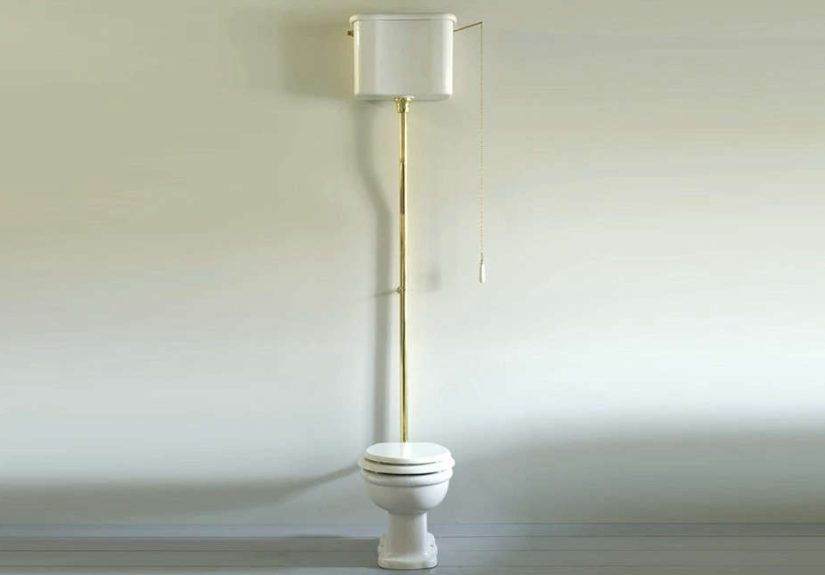
A high level cistern (also called a high tank toilet) is a toilet tank mounted well above the bowl, connected by an exposed flush pipe. Instead of a close-coupled tank sitting right on the bowl, the tank lives higher on the walloften with a pull chain that makes you feel like you’re ringing for room service (except the service is… water).
The big idea is old-school physics: more height means more gravity-fed momentum when the tank releases water. In the era of frock coats and dramatically fainting on settees, this was a reliable way to get a strong flush without modern pressure-assist wizardry. Today, the appeal is equal parts performance and personality: it’s plumbing that also counts as decor.
So Where Does “Paris Lavatory” Fit In?
“Paris lavatory” is often used to describe a French-inspired, softly detailed toilet pan/bowl stylepaired with traditional fittings and a high level cistern to complete the look. In other words: it’s the vibe. Think vintage Parisian apartment, classic ceramics, and a toilet that looks like it has opinions about your tile choice.
In product listings, you’ll see this concept described as a pan that pairs beautifully with French-style basins, offered with a high cistern and pull chain, and sometimes available with multiple trap configurations (more on that in a second). It’s not a “standard big-box toilet,” and that’s the point.
How It Flushes: Gravity, Timing, and a Tiny Bit of Theater
The short version
You pull the chain. A mechanism lifts the seal/valve inside the tank. Water drops through the flush pipe into the bowl, and the bowl geometry creates a siphon that clears waste and refills to its normal water spot. The tank refills afterward via the fill valve, just like any other tank toilet.
The longer (more useful) version
High tank toilets are still gravity-flush systems at heart. The “high” part gives the flush a head start: more vertical drop can translate into more energetic delivery into the bowl. That can help with bowl rinse and waste carryassuming the bowl design, flush pipe diameter, and valve timing are well matched. The tank components (fill valve, flush valve/canister/flapper depending on design) work on the same basic principles you’d recognize in a typical toilet tank, just arranged differently.
One underrated detail: chain length and valve timing matter. A pull chain isn’t just aesthetic jewelry. If it’s too tight, it can keep the valve from sealing. Too slack, and the valve may not lift cleanly. The result is either “mystery running water” or “why did I pull this chain like I’m starting a lawnmower?” Both are solvable, but neither is fun at midnight.
Why People Choose a Paris-Style High Cistern Setup
1) It turns the toilet into a design feature
Most toilets try to disappear. A Paris lavatory with a high level cistern does the oppositeit becomes a focal point. The exposed flush pipe adds a vertical line that can make small bathrooms feel taller, and the pull chain reads like a vintage detail rather than a plastic button begging to be ignored.
2) It plays well with classic materials
This look loves beadboard, subway tile, encaustic-style patterns, unlacquered brass, polished chrome, and vintage lighting. If your bathroom inspiration folder includes words like “heritage,” “apartment,” “old-world,” or “I want it to feel like a hotel in Paris,” you’re the target audience.
3) The gravity assist can feel satisfyingly decisive
Many high tank toilets are praised for a confident flush feelbecause the water is released from higher up and arrives with purpose. It’s the opposite of those older low-flow models that used to whisper, “Good luck,” and walk away.
Before You Fall in Love: Practical Questions You Must Ask
Is your wall ready to hold a tank?
A high level cistern is not just hanging out up there for the view. It needs secure mounting into structural support (often added blocking behind the finished wall). If your wall is plaster, masonry, or a questionable DIY patchwork from 1997, plan for reinforcement. This is one of the biggest “call a pro” momentsbecause gravity is a loyal friend until the day it’s not.
What trap configuration do you need: S-trap or P-trap?
In plain English: where does the waste exitthrough the floor or through the wall? Many North American toilets are floor-outlet (often referred to as S-trap in product language), while some installationsespecially certain remodel situations use a wall outlet (often called P-trap). Product lines marketed as “Paris lavatory” styles sometimes offer both, which is great, but you need to match your existing rough-in or be prepared for plumbing changes.
Do you want modern performance standards in vintage clothing?
Here’s the truth: “vintage style” doesn’t have to mean “vintage water usage.” Many modern toiletsincluding stylish onesare engineered to meet current efficiency expectations without sacrificing performance. The trick is choosing a setup that’s designed for modern flush volumes and has readily available replacement parts.
Water Efficiency: How to Keep It Romantic Without Wasting Water
If you’re in the U.S., water efficiency is not just a nice-to-have; it can affect availability, compliance, rebates, and your future water bill mood. Modern high-efficiency toilets have proven they can flush well using 1.28 gallons per flush or lessthat’s the WaterSense benchmarkand that figure is also notably below the long-standing federal standard of 1.6 gpf.
When shopping, look for language like “WaterSense,” “high efficiency,” and clearly stated gpf. Some traditional-looking high tank toilets are listed around 1.6 gpf, while other modern models (not always high tank) hit 1.28 gpf. If your priority is the Paris look and peak efficiency, expect to balance aesthetics with what’s readily certified and serviceable in your area.
Installation Reality Check (U.S. Homes Edition)
Height and ergonomics
High tank toilets often have adjustable overall height ranges, because the tank sits high but the chain still needs to be reachable. The “sweet spot” is where the pull chain is comfortable for the tallest user in your house and not a jump-rope challenge for everyone else. Some setups list a minimum-to-maximum height to the bottom of the tank, which helps you plan before you start drilling holes you’ll regret.
Parts access and service
One advantage of exposed components is that you can see what’s happening. One disadvantage is that you can see what’s happening. If the tank starts “ghost filling,” you’ll likely be dealing with common culprits: flapper/canister seals, chain adjustment, fill valve wear, or a float that’s misbehaving. The good news: these are familiar toilet issues with familiar solutionsassuming the internal components are standard enough to source locally or online.
Noise expectations
A high tank flush can sound… enthusiastic. Not “commercial restroom jet engine,” but definitely more “decisive waterfall” than “gentle whoosh.” If your powder room shares a wall with a nursery, plan accordingly. (Or embrace it as your home’s most honest sound effect.)
Maintenance: Keeping the Pull-Chain Dream Alive
The top issues people run into
- Running toilet from a worn seal or poor chain adjustment
- Weak flush due to incorrect water level, valve timing, or buildup in the flush path
- Slow refill or inconsistent tank level from an aging fill valve
- Drips at connections if fittings weren’t tightened correctly or washers degrade over time
Simple care habits that pay off
Periodically lift the lid and look inside. If the water level is creeping too high, adjust the float. If the chain is snagging or too taut, fix the length. If you hear constant water movement, diagnose the seal firstmany “leaks” are really just a tired flapper or canister gasket. And if your water is hard, expect mineral buildup over the long term; cleaning and occasional part replacement is normal, not a personal failure.
Design Tips: Making It Look Like Paris (Not Like a Costume Party)
Pick one hero finish
High tank toilets bring visible metalwork into the roomflush pipe, brackets, chain hardware. Choose one “hero” finish and let it repeat: polished chrome for crisp vintage, brass for warmth, or nickel for a softer shine. Mixing too many finishes can turn “Parisian elegance” into “confused flea market.”
Balance the vertical line
Because the cistern creates height, echo that verticality with a tall mirror, a narrow sconce pair, or wainscoting. If everything else is squat and wide, the tank can feel like it’s looming. You want “charming statement,” not “tower of porcelain judgment.”
Choose the right seat and small accessories
A white seat keeps the look classic. A dark wood seat can lean more “heritage manor.” Then add quiet supporting characters: a simple towel ring, a small framed print, and hardware that feels intentional. The toilet is already doing a lot. Let the rest of the room be the chorus, not the second soloist.
FAQ: Quick Answers Before You Start Measuring
Is a high level cistern toilet practical for everyday use?
Yesif it’s a modern unit built for current standards and installed correctly. The main practical concerns are secure mounting, reachable chain height, and serviceable internal parts.
Will it work in a small bathroom?
Often, yes. The exposed vertical line can even make a small room feel taller. The key is ensuring the bowl projection and rough-in fit your footprint, and that the wall can be reinforced.
Does a higher tank always mean a stronger flush?
Height helps, but it’s not magic. Bowl design, valve timing, and water volume all matter. A well-engineered 1.28 gpf toilet can outperform a poorly designed higher-volume one.
Conclusion: The Chicest Flush in the Room
A Paris Lavatory High Level Cistern is part plumbing fixture, part interior design flex. It offers a vintage silhouette with a satisfying, gravity-forward flush feeland it can transform a bathroom from “fine” into “wait, is this a boutique hotel?” The smartest approach is to treat it like any serious home upgrade: confirm rough-in and trap type, plan proper wall reinforcement, prioritize serviceable parts, and choose a water-efficient setup whenever possible.
Do it right, and you get a bathroom centerpiece that’s charming, functional, and just dramatic enough to make guests smile when they reach for the chain. (And if they grin, that’s good design. If they take photos, that’s basically a standing ovation.)
Real-World Experiences With a Paris Lavatory High Level Cistern (What People Actually Notice)
Living with a high level cistern is less like owning a normal toilet and more like adopting a tiny, polite vintage machine that occasionally demands attention. The first experience most homeowners report is the “wow” factor. Friends will comment. Contractors will comment. Someone will inevitably pull the chain and say, “I feel like I’m in an old movie.” It’s a conversation piecesometimes even in the most literal sense, because people will keep talking while standing there, forgetting the bathroom is supposed to be a pit stop, not a museum exhibit.
The second thing people notice is the flush personality. A high-mounted tank delivers water with a sense of purpose. It can feel more decisive than a basic close-coupled toilet, especially when the flush pipe and valve are tuned correctly. But “tuned correctly” is doing a lot of work in that sentence. Homeowners often learn that chain length isn’t just aesthetic; it’s performance. A chain that’s too tight can prevent a full seal and cause a slow, silent leak. Too loose, and the flush becomes inconsistentlike the toilet is waiting for you to ask nicely.
Then there’s the installation learning curve. People who’ve remodeled with one of these setups often describe a moment of realization: “Oh… the tank is not light.” Even if it’s not massive, it’s heavy enough that you want serious support in the wall. Many of the happiest owners are the ones who planned blocking/reinforcement before the tile went up, not after. The less-happy stories usually include phrases like “we opened the wall again” and “I now know the name of every stud in my house.”
Daily use brings smaller observations. The chain needs to be reachable for the shortest regular user, but not so low that it becomes an accidental cat toy. (Yes, this happens. Cats love pull chains. Cats do not pay water bills.) People also notice that high tank toilets can be a bit louder in a charming way: more “decisive whoosh,” less “polite whisper.” In a powder room, that’s usually fine. In an en suite, some couples develop an unspoken agreement: “Flush with confidence, but maybe not at 3 a.m. unless you must.”
Maintenance experiences are surprisingly normal. Even with a vintage look, the common issues are the same old greatest hits: running water, slow refills, occasional seal replacements. Owners who enjoy the setup long-term tend to treat it like a classic carnothing obsessive, just regular check-ins. Once or twice a year, they pop the lid, confirm the water level is correct, and look for early signs of wear. If you have hard water, mineral buildup can sneak in, and people often discover that a quick clean prevents a lot of “why is the flush weaker this month?” drama.
Finally, there’s the design satisfaction. People who choose a Paris-style pan with a high cistern usually do it because they want the bathroom to feel intentional. And that’s exactly what they get: a fixture that looks curated, not default. The best lived-in versions are the ones that commit to the whole moodsimple wall color, classic tile, cohesive metal finish, and just enough vintage detail to feel elegant rather than themed. The result is a bathroom that feels like it has a passport, even if it’s located down the hall from your laundry room.