Table of Contents >> Show >> Hide
- What Is a Portuguese Cotton Hand Knotted Mat?
- Why Portugal Has Such a Strong Reputation for Home Textiles
- Why Cotton Works So Well for This Type of Mat
- What “Hand Knotted” Actually Adds
- Where a Portuguese Cotton Hand Knotted Mat Works Best
- How to Choose the Right One
- How to Style It Without Overthinking It
- Care and Maintenance Tips
- Is a Portuguese Cotton Hand Knotted Mat Worth It?
- Final Thoughts
- Experiences with a Portuguese Cotton Hand Knotted Mat
Some home items are flashy. They walk into the room wearing sequins and begging for compliments. A Portuguese cotton hand knotted mat is not that item. It is quieter, more useful, and much more likely to earn your affection the old-fashioned way: by making your daily routine feel better. Step out of the shower, plant your feet on something soft instead of cold tile, and suddenly life seems a little less rude.
That is the magic of this kind of mat. It blends practical performance with handmade character, which is a lovely way of saying it works hard and looks good doing it. In a market crowded with memory foam, microfiber, plastic-backed rugs, and “spa-inspired” things that somehow feel like a kitchen sponge in disguise, the Portuguese cotton hand knotted mat stands out for its texture, craftsmanship, and easygoing versatility.
This article takes a close look at what makes these mats special, why Portuguese-made cotton textiles have such a strong reputation, how to choose the right one, and whether a hand knotted cotton mat deserves a place in your bathroom, bedroom, hallway, or that weird empty corner you keep pretending is “minimalist.”
What Is a Portuguese Cotton Hand Knotted Mat?
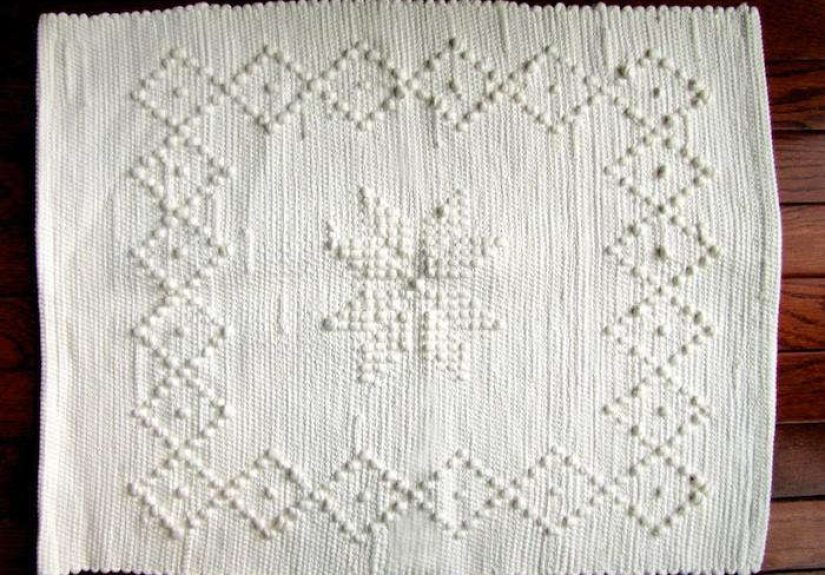
A Portuguese cotton hand knotted mat is typically a floor mat made from cotton yarns or cotton-blend fibers, crafted in Portugal and designed with visible texture created through weaving, knotting, or hand-finished surface techniques. The phrase “hand knotted” can mean slightly different things depending on the maker. In some cases, it refers to decorative raised knots that create a textured pattern on the surface. In others, it points to a broader handmade approach that includes manual loom work and artisanal finishing.
That matters because this product category lives in a sweet spot between a bath mat and a small rug. It is often more attractive than a plain terry mat, but more washable and approachable than a full decorative rug. Think of it as the overachiever of the soft-furnishings world: useful enough for daily life, pretty enough to feel intentional.
Many Portuguese cotton mats are made in restrained colors like white, cream, blue, charcoal, or muted stripes. That simplicity is part of the appeal. Instead of screaming for attention, the mat adds quiet texture, softness, and craftsmanship to a room. It is the visual equivalent of someone with perfect manners and expensive shoes.
Why Portugal Has Such a Strong Reputation for Home Textiles
Portugal has earned a serious reputation in the home-textile world, especially for bath linens, bedding, and woven decorative pieces. The country is well known for combining traditional methods with modern production standards, particularly in the north, where textile manufacturing has deep roots. This mix of heritage and quality control helps explain why “Made in Portugal” has become a small but mighty badge of honor in home decor.
For shoppers, that reputation translates into trust. A Portuguese cotton hand knotted mat is not just sold as a useful object. It is sold with an identity: careful craftsmanship, better fabric handling, thoughtful design, and a sense that actual humans made decisions before it landed in your cart.
And yes, that makes a difference. There is a noticeable gap between a mat made to win a race to the bottom on price and a mat made to survive regular use while still looking like it belongs in a room with grown-up taste. Portugal tends to compete in the second category.
Why Cotton Works So Well for This Type of Mat
If you are using a mat in a bathroom or anywhere near moisture, cotton is a smart choice. It is naturally absorbent, soft underfoot, breathable, and usually easier to wash than heavier decorative rug materials. That is why cotton remains one of the most dependable fibers in bath textiles and small washable floor coverings.
It also dries faster than many plush synthetic alternatives, especially when the construction is relatively low-profile rather than thick and foam-filled. That makes cotton appealing for people who want softness without the swampy aftermath. Nobody wants a mat that feels like it is conducting a science experiment between showers.
Another advantage is comfort. Cotton has a familiar, welcoming feel that reads as clean and casual. It works in traditional, coastal, farmhouse, minimalist, and contemporary interiors because it does not try too hard. It simply behaves. In home decor, that is a wildly underrated quality.
The Best Qualities of Cotton in a Hand Knotted Mat
First, it absorbs moisture well, which is a non-negotiable feature for bathroom use. Second, it tends to be machine washable, depending on size and construction. Third, it ages with more grace than some synthetic materials, especially when it is well woven. Finally, cotton lets texture shine. Knots, loops, braided sections, and hand-finished details are easier to appreciate when the fiber itself feels natural and relaxed.
What “Hand Knotted” Actually Adds
The phrase “hand knotted” is more than marketing perfume when it is used honestly. It usually signals texture, variation, and labor. A hand knotted surface can create raised patterns, tactile interest, and visual depth that flat woven mats often lack. Even when the design is simple, the knotting adds enough movement to keep the mat from looking like an afterthought.
That texture does two useful things. Practically, it can help disguise minor wear or footprints better than a perfectly flat surface. Aesthetically, it introduces a handcrafted look that softens a space full of hard lines like tile, stone, glass, or polished wood. Bathrooms and hallways especially benefit from this. Without some texture, they can start to feel less “beautiful home” and more “high-end dentist office.”
Hand-finished mats also tend to have slight variations. Those are not flaws. They are part of the charm. If you want factory-perfect uniformity, there are plenty of anonymous options waiting for you in a warehouse somewhere. If you want warmth and character, a handcrafted cotton mat makes more sense.
Where a Portuguese Cotton Hand Knotted Mat Works Best
Bathroom
This is the obvious place, and for good reason. Cotton performs well around sinks, tubs, and showers. A hand knotted mat can make a bathroom feel more styled without sacrificing function. White and blue versions are especially effective in bathrooms because they feel crisp, classic, and lightly coastal without turning the room into a nautical theme park.
Bedroom
Placed at the foot of the bed or alongside it, a Portuguese cotton mat adds softness and visual calm. It is especially useful in smaller bedrooms where a full-size area rug feels too bulky. The texture gives the room a layered look without overwhelming the floor.
Hallway or Entry Nook
If the mat is dense enough and easy to wash, it can also work in a hallway or small entry zone. This is where practical beauty really shines. A hand knotted cotton mat can catch light traffic while adding warmth to narrow spaces that often get neglected.
Dresser Top, Bench, or Decorative Accent Zone
Some smaller mats are attractive enough to be used beyond the floor. That sounds slightly rebellious, but it works. A textured cotton mat on a bench, chest, or dresser can act as a soft decorative layer, especially in homes that lean rustic, Mediterranean, or relaxed modern.
How to Choose the Right One
1. Check the Size
Start with dimensions, not dreams. A beautiful mat that is too small will look accidental, and one that is too large may crowd the room. Measure the space first, especially if the mat is going in front of a vanity, tub, or bed.
2. Look at Construction
Some mats are flat woven with decorative knotting. Others are thicker and more rug-like. If you want a bath-focused mat, choose something absorbent and washable. If the goal is decoration with occasional use, you can prioritize appearance and texture more heavily.
3. Confirm Care Instructions
Washability is one of the strongest selling points in this category, but do not assume every handcrafted mat can be treated like a plain towel. Read the care label. Cotton often handles machine washing well, but some mats do best on gentle cycles, cold water, and air drying to reduce shrinkage and preserve shape.
4. Think About Backing and Floor Safety
Many beautiful cotton mats do not include heavy non-slip backing. That is not necessarily a flaw, but it does mean you may need a rug pad underneath if the mat will sit on slick tile. Function should not lose a cage match against style.
5. Watch for Certifications
If you care about textile standards, pay attention to labels such as OEKO-TEX or GOTS when relevant. These can help signal testing for harmful substances or organic textile standards. Certifications do not automatically make a mat better looking, but they can make it easier to shop with confidence.
How to Style It Without Overthinking It
The easiest way to style a Portuguese cotton hand knotted mat is to let texture do the work. Pair it with clean lines, natural materials, and a restrained color palette. In a bathroom, it looks great with white towels, brushed metal fixtures, ceramic accessories, and wood or woven storage. In a bedroom, it works beautifully with linen bedding, oak furniture, and soft neutral tones.
These mats also play nicely with blue-and-white decorating schemes, Mediterranean interiors, and light coastal looks. If the mat includes stripes or subtle patterning, repeat that color once or twice elsewhere in the room through a towel, pillow, vase, or artwork. Just once or twice. We are decorating, not organizing a fan club.
Care and Maintenance Tips
A well-made cotton mat is refreshingly low-drama. Shake it out regularly, vacuum gently if the weave allows, and wash it according to the label. Use mild detergent, skip bleach unless the manufacturer specifically says it is safe, and be cautious with high heat. Air drying is often the safer route for preserving texture, shape, and longevity.
If the mat lives in a bathroom, let it dry between uses. Cotton is absorbent, which is wonderful until it stays damp for too long. Proper airflow matters. Hang it, drape it, or rotate mats if you live in a humid climate or have a very busy bathroom.
For spots and spills outside the bathroom, quick attention helps. Blot, do not scrub like you are interrogating the stain. Cotton is forgiving, but every handmade textile appreciates a little respect.
Is a Portuguese Cotton Hand Knotted Mat Worth It?
Yes, if you value three things: tactile comfort, quiet beauty, and practical craftsmanship. This is not the cheapest floor covering you can buy, and that is precisely the point. You are not just paying for cotton. You are paying for texture, thoughtful construction, better design language, and a product that can bridge the gap between useful and beautiful.
It is especially worth it for people who are tired of replacing flimsy bath mats, disappointed by synthetic rugs that look tired too quickly, or trying to create a home that feels layered without becoming cluttered. A Portuguese cotton hand knotted mat offers that nice middle path. It feels considered, but not precious. It looks refined, but not uptight.
And in a world full of disposable home goods, that balance feels pretty luxurious.
Final Thoughts
The best home essentials are the ones you notice with your body before your brain catches up. A Portuguese cotton hand knotted mat does exactly that. You step on it, feel the softness, see the texture, and realize the room feels more finished than it did five seconds ago.
It is not a loud design move. It is a smart one. With Portuguese textile heritage behind it, cotton performance at its core, and handcrafted detail on the surface, this type of mat proves that even a humble floor piece can carry real character. In other words, it is not just a mat. It is the sort of everyday object that quietly upgrades your life while asking for almost nothing in return except the occasional wash and a little appreciation.
Experiences with a Portuguese Cotton Hand Knotted Mat
Living with a Portuguese cotton hand knotted mat is one of those small household experiences that sneaks up on you. On day one, you think, “Nice mat.” On day twenty, you realize you are annoyed every time you step on any other mat in the house because they now feel like disappointing cousins. The texture is usually the first thing people notice. It has enough softness to feel comfortable under bare feet, but enough structure to feel substantial. That balance matters. A mat that is too thin feels flimsy, and one that is too puffy can feel oddly unstable. A well-made Portuguese cotton mat tends to land in the sweet spot.
In bathrooms, the experience is practical first and aesthetic second, which is exactly how it should be. After a shower, the mat absorbs moisture without giving off that soggy, defeated feeling some thick synthetic rugs develop after repeated use. It also tends to look calmer and more polished than many budget bath mats, which often seem designed by someone who was aggressively committed to the color gray. A Portuguese cotton mat usually brings texture, handmade character, and a sense of intention, even when the room itself is simple.
Outside the bathroom, the experience changes slightly. At the side of a bed, the mat becomes less about absorbency and more about comfort and mood. It gives that first-step-of-the-morning moment a softer landing, which is no small favor before coffee. In a hallway or beside a bench, it functions almost like punctuation. It finishes the sentence of the room. Suddenly the space looks assembled rather than merely occupied.
There is also a certain satisfaction in using an item that feels crafted rather than churned out. The subtle irregularities, the raised knots, the woven depth, the not-quite-machine-perfect surface all contribute to that feeling. You notice it when you straighten the mat, wash it, or catch light hitting the texture from a window. It feels less like decor chosen in a panic and more like something selected with actual taste.
The long-term experience is often where these mats earn real loyalty. If cared for properly, they tend to remain useful and attractive at the same time. That is rarer than it should be. Many home products start strong in one category and fail in the other. A Portuguese cotton hand knotted mat can handle daily life while still looking like it belongs in a thoughtfully designed home. That, more than any trend or buzzword, is why people end up loving them. They are tactile, hardworking, easy to live with, and quietly beautiful. Basically, they are the opposite of a decorative pillow with a bad attitude.