Table of Contents >> Show >> Hide
- What is Reiki?
- What happens in a Reiki session?
- Common Reiki techniques
- Potential benefits of Reiki
- What does the research say?
- Risks, downsides, and safety considerations
- How to choose a Reiki practitioner
- Reiki at home: a simple self-care routine (no crystals required)
- FAQ
- Experiences with Reiki (what it can feel like in real life)
- Conclusion
- SEO tags
Reiki (pronounced “RAY-key”) is one of those wellness practices that sounds like it belongs on a menu between matcha and meditation. But it’s also a real, widely used complementary approach in the U.S., including in some integrative care settings. People try Reiki for stress, sleep, pain, and the general feeling of “my nervous system is doing parkour.”
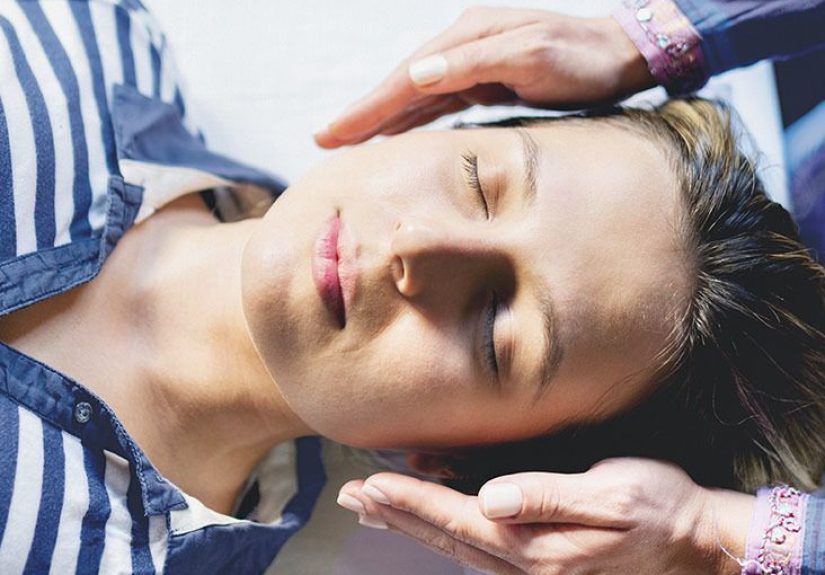
Here’s the honest, useful version: Reiki is a gentle, noninvasive practice where a trained practitioner places their hands lightly on you or hovers just above you, with the goal of supporting relaxation and your body’s own healing response. Some people describe it as “energy work.” Many clinicians describe it as “a calming, supportive experience that may help you feel better,” even if the proposed energy mechanism isn’t something science can measure.
This guide breaks down what Reiki is, what actually happens in a session, common techniques, what benefits people report, what research says (and doesn’t say), and the practical risks to watch forplus real-world “what it feels like” experiences at the end.
What is Reiki?
The short definition
Reiki is a complementary health approach in which practitioners use light touch or hands hovering near the body, aiming to encourage relaxation and well-being. It’s often grouped with “biofield” or “energy healing” approaches, and it’s typically used alongside standard carenot instead of it.
A quick origin story (no spoilers)
Reiki originated in Japan in the early 20th century and is commonly associated with Mikao Usui. Over time, Reiki spread globally and developed into different lineages and teaching styles. In modern practice, Reiki is usually taught in “levels” (often called Level I, II, and Master/Teacher), with training that may include hands-on practice, ethics, and a process practitioners call “attunement.”
Belief vs. measurable mechanism
Traditional Reiki explanations often reference a “life energy” that practitioners help direct or balance. Scientific organizations have noted that there isn’t scientific evidence proving the existence of the energy field Reiki is said to influence. That doesn’t automatically mean people can’t feel better after Reikibut it does mean the proposed mechanism isn’t established the way, say, antibiotics and bacteria are established.
A practical way to think about it: Reiki sessions commonly include quiet time, focused attention, gentle touch (or near-touch), and a relaxation-friendly environment. Those ingredients alone can shift stress responses, breathing, muscle tension, and how you experience discomfortwithout requiring a supernatural explanation.
What happens in a Reiki session?
Before you start: intake and boundaries
A good Reiki practitioner will ask what you’re looking forstress relief, sleep support, easing tension, emotional support during a tough seasonand will explain how the session works. You should also hear clear consent language: where hands may be placed, whether touch is used at all, and that you can stop or adjust anything at any time.
During the session: the basic flow
- You stay fully clothed and typically lie on a massage table (or sit in a chair).
- The practitioner uses light touch or hovering hands on or near areas like the head, shoulders, torso, arms, legs, and feet.
- It’s quiet. Some practitioners use soft music; some prefer silence. Either way, your job is to exist.
- Sessions usually last 30–90 minutes, depending on the setting.
After the session: the “what was that?” moment
People commonly report feeling deeply relaxed, sleepy, calm, emotionally “lighter,” or occasionally a bit spaced outlike you woke up from a nap you didn’t know you took. Some report warmth, tingling, heaviness, or subtle shifts in body awareness. None of these sensations prove Reiki “energy” is moving; they do suggest your nervous system noticed the downtime.
Many practitioners recommend hydration and taking it easy afterwardless because Reiki is “detoxing” you (your liver and kidneys have that covered), and more because deep relaxation can make you realize you were running on fumes.
Common Reiki techniques
1) Hands-on Reiki vs. hands-off Reiki
Some practitioners place hands lightly on the body in standard positions. Others hover above the body to respect comfort, trauma history, cultural preferences, or clinical settings. Both are common; neither requires you to tolerate touch you don’t want.
2) Standard hand positions
Many Reiki styles use a sequence of hand placements (for example: head/face, shoulders, chest/upper torso, abdomen, knees, feet). Think of it like a calm checklist: consistent, gentle, and predictable.
3) Reiki “symbols” (Level II and beyond)
In some lineages, practitioners learn symbols used as a focus tool during sessions. Practitioners may visualize or mentally “draw” them, rather than physically marking anything on you. Whether you view this as spiritual or simply attention-training, the practical result is the practitioner stays focused and consistent.
4) Distance Reiki
Distance Reiki is offered when the practitioner isn’t physically present. People try it for convenience, accessibility, or comfort. From a scientific standpoint, evidence for “distance energy transfer” is not established. From an experience standpoint, some people still find the scheduled quiet time and intention setting helpfulespecially if it helps them downshift stress.
5) Self-Reiki
Self-Reiki is essentially a structured self-care practice: you place your own hands on areas of the body (or hover them) while breathing slowly, relaxing muscles, and noticing sensations without judgment. Even if you treat the “energy” language as metaphor, the routine can function like a calming body scan.
6) Reiki in integrative and supportive care settings
In some hospitals and cancer centers, Reiki may appear on the menu of supportive services alongside massage, meditation, and mindfulness-based practices. In those settings, the goal is typically symptom supportstress, anxiety, coping, comfortnot curing disease.
Potential benefits of Reiki
Let’s separate two questions:
- What do people report after Reiki? Often: relaxation, less stress, improved mood, better sleep, and sometimes reduced pain perception.
- What can research confidently claim? A more cautious: some studies suggest benefit for symptoms like stress and anxiety, but overall evidence quality is mixed and not definitive.
Stress and relaxation
Reiki is commonly used as a relaxation practice. A session creates conditions known to calm the body: stillness, warmth, gentle contact or near-contact, and sustained attention. That can shift you from “fight-or-flight” toward “rest-and-digest,” which can feel like somebody finally turned the volume down on your day.
Sleep support
When stress drops, sleep often gets easier. Many people try Reiki as part of a bedtime routine or a stress-management plan. Reiki isn’t a cure for insomnia, but it may help if your sleep trouble is driven by tension, rumination, or nervous system overdrive.
Pain and physical discomfort
Some people report less pain or muscle tension after Reiki. It’s important to phrase this carefully: Reiki is not proven to treat medical conditions. But relaxation can change how pain is processed and experienced, and it can reduce the “pain + stress” loop that makes everything feel louder.
Mood and coping
People often use Reiki during emotionally intense periodscaregiving, grief, chronic illness, burnout, big life transitionsbecause it offers a quiet space where nothing is demanded of them. In supportive care contexts, that “permission to rest” can be meaningful.
Supportive care during serious illness
Some integrative oncology resources describe energy-healing practices, including Reiki, as potentially helpful for symptom relief and quality of life when used alongside medical treatment. If someone is undergoing cancer treatment, the most responsible framing is: Reiki may help with stress and comfort, but it should never replace standard care.
What does the research say?
Why the evidence is mixed
Reiki research faces the same challenges as many mind-body interventions:
- Blinding is hard. People often know they’re receiving a calming intervention.
- Expectations matter. If you expect relief, you may notice relief (that’s not “fake,” it’s psychology).
- Small studies are common. Small samples can produce inconsistent results.
- Outcomes vary. Studies measure different thingspain, anxiety, heart rate, sleepmaking comparisons messy.
Major health organizations have noted that Reiki hasn’t been clearly shown to be effective for any specific health-related purpose, and that much of the research is not high quality or yields inconsistent results. That’s not a dunk on everyone who enjoys Reikiit’s a reminder to treat claims like “Reiki cures X” as a giant, blinking red sign that says: please don’t risk your health on this.
“Placebo” doesn’t mean “imaginary”
People use “placebo” like it’s an insult. In reality, placebo effects are measurable changes in symptoms driven by context: expectation, attention, meaning, relaxation, and the experience of care. If Reiki helps someone feel calmer, sleep better, or cope with discomfort, those outcomes can mattereven if the mechanism is nervous system regulation rather than invisible energy.
How to evaluate Reiki claims (without needing a PhD)
- Look for realistic outcomes: stress, anxiety, sleep quality, symptom distressnot curing diseases.
- Beware absolutes: “works for everyone,” “no need for doctors,” “cures cancer.” Hard no.
- Check what’s being compared: Reiki vs. rest? Reiki vs. another calming touch therapy? The comparison changes the interpretation.
- Ask what else was happening: supportive conversation, quiet music, dim lightingthose are potent.
Risks, downsides, and safety considerations
Physical risks: usually low
Reiki is generally considered low risk because it’s noninvasive and gentle. Major health references often describe it as safe, with the biggest “physical” concern being that it’s not a substitute for medical care.
The biggest risk: delaying proven treatment
If Reiki is used as a comfort tool alongside standard care, risk is usually low. The risk rises sharply when someone is told to use Reiki instead of diagnosis or treatmentespecially for serious conditions. If a practitioner implies you can skip your meds, stop chemotherapy, ignore chest pain, or treat depression without professional help, that’s not holisticit’s reckless.
Emotional reactions can happen
Deep relaxation sometimes brings emotions to the surface. Some people feel unexpectedly teary, tender, or mentally “open.” That can be cathartic, but it can also feel intense if you have trauma history or anxiety. A trauma-informed practitioner will welcome boundaries, explain what’s happening, and encourage appropriate mental health support when needed.
Cost, credentials, and overpromising
Reiki training isn’t regulated like nursing or physical therapy. That doesn’t mean practitioners are untrustworthyit means you should vet them. Costs vary widely, and insurance coverage is inconsistent. The most important “risk management” move you can make is choosing someone ethical.
Who should talk to a clinician first?
Reiki can be a reasonable low-risk relaxation practice for many people. Still, consider checking in with a clinician first if you have:
- Unexplained symptoms that haven’t been evaluated (new chest pain, fainting, severe fatigue, sudden neurological symptoms)
- A serious mental health condition that is currently unstable
- A medical condition where positioning or touch could be uncomfortable (recent surgery, severe pain flare, certain mobility limits)
How to choose a Reiki practitioner
Questions worth asking
- What training have you completed? (Level, lineage, hours, mentorship)
- Do you use touch? If yes: where, and how do you handle consent?
- What do you mean by “healing”? Look for answers focused on relaxation, coping, and well-beingnot curing disease.
- How do you work with medical care? The best answer: “Reiki complements your treatment; keep your clinicians in the loop.”
- What should I expect after a session? Ethical practitioners avoid dramatic claims.
Red flags (the “nope” list)
- Guarantees: “I can cure your condition.”
- Pressure to stop medication or medical treatment.
- Fear tactics: “Doctors don’t want you to know this.”
- Boundary issues: touching without clear consent, dismissing discomfort, or discouraging questions.
- Upselling panic: “You need 12 sessions immediately or it won’t work.”
Reiki at home: a simple self-care routine (no crystals required)
If you’re curious about the calming aspect of Reiki, you can try a self-Reiki-inspired routine that focuses on relaxation and body awareness. Set a timer for 10 minutes and try this:
- Sit or lie down comfortably. Put one hand on your chest and one on your abdomen.
- Inhale slowly for a count of 4, exhale for a count of 6. Repeat.
- Notice what happens in your shoulders, jaw, and belly as you exhale. Let them soften.
- Move your hands to an area that feels tense (neck, shoulders, stomach) and repeat the breathing.
- When the timer ends, stand up slowly and drink water.
You can think of this as “self-Reiki,” “a nervous system reset,” or “my daily appointment with peace and quiet.” The label is optional; the relaxation is the point.
FAQ
Does Reiki hurt?
Reiki is typically gentle and should not hurt. If anything feels uncomfortabletouch, positioning, room temperaturesay so. A quality practitioner will adjust immediately.
Do I have to believe in Reiki for it to “work”?
You don’t have to adopt any spiritual beliefs to try Reiki. Some people approach it as energy work; others treat it as a relaxation practice. Either way, you’re allowed to be curious without signing a lifelong lease with the universe.
Is Reiki a religion?
Reiki is generally offered as a wellness practice rather than a religion. Practitioners may describe it in spiritual terms, but it’s not inherently tied to a specific faith.
Can Reiki replace therapy, medication, or medical treatment?
No. Reiki may support relaxation and coping, but it should not replace mental health treatment, medical evaluation, or evidence-based careespecially for serious or urgent conditions.
Experiences with Reiki (what it can feel like in real life)
Because Reiki is so experience-driven, people often leave a session thinking, “I’m not sure what just happened… but I’m weirdly calm and would like a snack.” That’s not a scientific measurement, but it’s a common theme: the session feels like a deep pause button on a loud day.
First-time session vibes: Most people notice the environment before anything else. The room is usually quiet, softly lit, and intentionally un-rushed. That matters. When your brain gets cues that it’s safe to stop scanning for threats (emails count as threats), your body can downshift. Some people feel relaxed within minutes, like their shoulders finally got the memo that they’re not paid to live by their ears.
Body sensations people commonly report: Warmth is probably the most common. Sometimes it’s localizedhands feel warm on the forehead or shoulders. Sometimes it’s generallike you’re wrapped in a calm blanket. Others notice tingling, pulsing, heaviness in limbs, or a pleasant “floaty” feeling. These sensations can also happen during meditation, massage, or even just lying still with your eyes closedso they don’t prove a specific mechanism, but they do suggest a shift in attention and nervous system tone.
Emotional experiences: Some people feel unexpectedly emotional, not in a dramatic “movie monologue” way, but in a gentle “oh… I’ve been holding a lot” way. A few tears can show up without a clear story attached. Many people describe feeling mentally quieter afterward, as if their thoughts went from a crowded cafeteria to a library. If you’re going through grief, burnout, or chronic stress, that kind of quiet can feel like medicineeven if it’s not “medical treatment.”
Examples of how people use Reiki: A stressed-out professional might book a session during a high-pressure season to improve sleep and reduce tension headaches. A caregiver might use Reiki as a weekly decompression ritualone hour where no one needs anything from them. Someone living with chronic pain might use Reiki as part of a broader toolkit (physical therapy, movement, medication as needed, counseling) because the relaxation response can make flare-ups feel more manageable. In supportive care settings, some people use Reiki alongside cancer treatment simply because it offers comfort, human presence, and a sense of control over at least one part of the experience: “I chose something soothing today.”
After-effects (the good and the slightly odd): Many people feel sleepy, like they just took a nap they didn’t remember starting. Others feel energized or clear-headed. Occasionally, someone feels a little lightheaded or emotionally “open.” That’s a good reason to plan a buffer after your sessiondon’t schedule Reiki five minutes before a Zoom presentation unless you want to deliver quarterly metrics in a whisper. Hydration, a short walk, and a calm transition back to normal life can help.
What makes experiences better: The best sessions usually come from clear communication. When you know what will happen, have control over touch vs. no-touch, and feel respected, your body relaxes more easily. The practitioner’s attitude matters too: grounded, calm, and not pushy. If you feel pressured to interpret every sensation as mystical proof, it can actually pull you out of relaxation. The most helpful framing is often the simplest: “This is a safe, soothing session. Notice what you notice. We’re supporting your well-being.”
In other words, Reiki experiences range from “pleasantly relaxing” to “wow, my anxiety unclenched,” and sometimes to “I didn’t feel much, but I enjoyed lying down in peace.” All of those are valid outcomes. The goal isn’t to force a magical momentit’s to see whether the practice reliably helps you feel better in your body and mind.
Conclusion
Reiki is best understood as a gentle, low-risk complementary practice that many people use for relaxation, stress relief, and emotional support. The scientific evidence is mixed and not definitive, and there’s no established proof for the “energy field” explanation. Still, many people find the experience meaningfully calmingand calm is not trivial when life is loud.
If you’re curious, approach Reiki the way you’d approach any wellness tool: try it safely, keep your expectations realistic, and use it alongside (not instead of) evidence-based medical care. Choose an ethical practitioner, protect your boundaries, and remember: the most powerful thing in the room might be the permission to rest.