Table of Contents >> Show >> Hide
- Meet the Diva (In the Best Way): What Makes Rex Begonias Different
- Light: Bright Indirect, Like a Fancy Filter
- Temperature and Humidity: Warm, Moist Air…But Dry Leaves
- Watering: The “Moist, Not Mushy” Rule
- Soil and Pots: Airy Mix, Excellent Drainage
- Fertilizer: Feed Lightly, Not Like You’re Training for a Marathon
- Pruning and Grooming: Clean Leaves, Better Airflow
- Propagation: How to Multiply Your Favorites (and Save a Struggling Plant)
- Common Rex Begonia Problems (and the Fixes That Actually Work)
- Seasonal Tips: Can Rex Begonias Go Outside?
- Pet Safety: Beautiful Leaves, Not a Snack
- Rex Begonia Care “Cheat Sheet”
- Final Thoughts: The Goal Is “Healthy Leaves,” Not “Perfect Leaves”
- Grower Experiences: Real-World Lessons That Make Rex Begonias Easier (Extra )
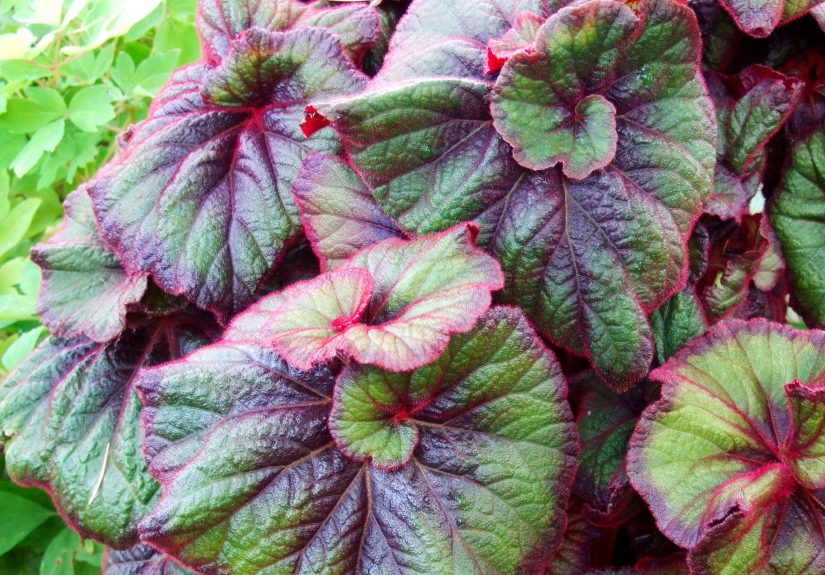
If houseplants had red-carpet events, rex begonias would arrive wearing sequins, velvet, and a tiny capeon their leaves. These fancy-leaf
begonias (often listed as Begonia rex-cultorum) aren’t really here to impress you with flowers. They’re here to flex dramatic color, metallic
shimmer, spirals, freckles, and patterns that look like someone let a watercolor palette loose in your living room.
The best part? Rex begonia care isn’t difficult once you learn the big secret: they like their environment like a cozy boutique hotelbright but not
blinding, humid but not soggy, and definitely not drafty. Below is a practical, no-fuss guide to growing lush, colorful rex begonias with fewer
“why are the edges crispy?!” moments.
Meet the Diva (In the Best Way): What Makes Rex Begonias Different
Rex begonias are typically grown for their foliage, and many types are rhizomatousmeaning they grow from thickened, creeping stems (rhizomes) near the
soil surface. That growth habit explains a lot of their preferences: they often do better in wider, shallower pots than in deep “tree pots,” and they
sulk when the soil stays waterlogged.
Cultivars range from tight spirals like ‘Escargot’ to fireworks-like splashes and dark, moody reds. Flowers show up occasionally, but they’re usually
the opening actnot the headliner.
Light: Bright Indirect, Like a Fancy Filter
What rex begonias want
For vibrant leaf color, give rex begonias bright, indirect light. Think: an east-facing window with gentle morning sun, or a spot a few
feet back from a bright south or west window where direct rays won’t roast the leaves.
What happens if light is wrong
- Too much direct sun: scorched patches, faded areas, crispy edgesbasically “sunburn.”
- Too little light: leggy growth and leaves that go more green than glam.
Bonus tip for indoor growers: rex begonias can do surprisingly well under consistent artificial light (like a simple grow light), especially in darker
rooms or short winter days.
Temperature and Humidity: Warm, Moist Air…But Dry Leaves
Temperature sweet spot
Rex begonias generally prefer typical indoor comfortroughly 60–80°Fand they really don’t enjoy chills. If temperatures drop too low
(especially below the mid-50s), growth can stall and damage can follow.
Humidity without the drama
These plants love humidity, but there’s a catch: they don’t love having wet foliage for long periods. The goal is humid air + good airflow.
Easy humidity upgrades:
- Group plants together (they create a mini-humid zone).
- Use a small humidifier nearby for steady results.
- Pebble tray under the pot (pot sits above water level, not in it).
- Best rooms: bright bathrooms or kitchens often have naturally higher humidity.
Avoid putting a rex begonia directly in the path of heating/AC vents. Constant dry drafts are basically leaf-edge sabotage.
Watering: The “Moist, Not Mushy” Rule
Watering is where most rex begonias either thrive…or write a strongly worded complaint letter. The best approach is to water thoroughly, then let the
top portion of the potting mix dry slightly before watering again.
A simple watering test
Stick a finger in the soil. If the top inch feels dry, it’s usually time to water. If it still feels damp, wait. Rex begonias have fine
roots and rhizomes that can rot in constantly wet conditions.
Watering technique that prevents problems
- Water at the soil level (aim away from leaves when possible).
- Let excess water drain fullyno standing water in the saucer.
- Reduce watering a bit in winter or during slow growth (short days = slower drying).
If your plant suddenly looks sad despite “perfect” watering, check the pot: a rex begonia in dense, soggy soil can decline fast even if you’re watering
on a schedule. These plants prefer you follow the soil, not the calendar.
Soil and Pots: Airy Mix, Excellent Drainage
Rex begonias like a potting mix that holds some moisture but drains quickly and stays airy. Many growers succeed with a peat-based indoor
mix amended to improve drainage.
A practical rex begonia potting mix idea
- Quality indoor potting mix (peat-based is common)
- Plus extra perlite and/or fine orchid bark for airflow
- Optional: a small amount of compost for organic matter (don’t overdo it)
Pot choice matters
Because rex begonias often creep via rhizomes, a wider, shallower pot can be ideal. And whatever pot you choose, it needs drainage holes.
Terra-cotta can help prevent overwatering because it breathes and dries fasterbut you’ll water a bit more often.
Fertilizer: Feed Lightly, Not Like You’re Training for a Marathon
Rex begonias appreciate regular feeding during active growth, but they don’t want to be overfed. Too much fertilizer can cause leaf issues and stressed
roots.
Easy fertilizing schedule
- Spring through summer: a balanced liquid fertilizer at half-strength every couple of weeks (or lightly with frequent watering).
- Fall and winter: reduce or pause feeding when growth slows.
If leaf edges start browning and your watering seems fine, consider fertilizer salts. A simple fix is to flush the soil occasionally by watering deeply
and letting plenty of water run out the bottom.
Pruning and Grooming: Clean Leaves, Better Airflow
Rex begonias look best when you keep them tidy. Remove damaged or aging leaves so the plant can focus energy on new growth and so airflow stays good.
Always use clean scissorsbecause plant problems love dirty tools.
Quick grooming checklist
- Snip yellowing or damaged leaves at the base of the stem.
- Remove fallen leaves from the soil surface (helps reduce disease risk).
- If growth gets leggy, pinch back to encourage a fuller shape.
Propagation: How to Multiply Your Favorites (and Save a Struggling Plant)
Rex begonias are famous for being propagation-friendlyespecially through leaf cuttings and rhizome division. This is great
news because many rex begonias can be short-lived indoors compared to sturdier houseplants. Propagation lets you “restart” your plant collection without
starting over at the store.
Leaf-cutting method (beginner-friendly)
- Choose a healthy, mature leaf with a firm petiole (leaf stem).
- Cut the leaf with clean scissors or a sterile blade.
- Place the cut end into a moist, airy propagation mix (or lay the leaf flat and pin veins to the surfaceboth methods can work).
- Cover loosely (like with a clear bag) to hold humidity, but vent daily to prevent fungus.
- Keep in warm, bright indirect light. New plantlets may form along veins.
Rhizome division (fast results)
- During active growth, slide the plant from the pot.
- Find natural rhizome sections with roots and at least one growth point.
- Divide gently with a clean blade.
- Pot each piece into fresh, airy mix and keep lightly moist until established.
Propagation isn’t just a fun projectit’s insurance. If your plant gets root rot or an outbreak you can’t fully control, a clean cutting can preserve the
cultivar you love.
Common Rex Begonia Problems (and the Fixes That Actually Work)
Crispy leaf edges
Usually caused by low humidity, inconsistent watering, or fertilizer salt buildup. Raise humidity, check watering consistency, and flush the soil if you
suspect salts.
Yellow leaves
Often linked to overwatering or poor drainage, but can also come from insufficient light, sun scorch, pests, or disease. Check the soil moisture and
roots first. Then inspect leaves (especially undersides) for pests.
Powdery mildew and gray mold (botrytis)
Rex begonias can be prone to fungal issues in still, damp airespecially when leaves stay wet. The most helpful steps are:
- Increase airflow (a gentle fan can help).
- Avoid overhead watering and wet leaves.
- Remove infected leaves promptly and discard them (don’t compost).
- Keep the growing area clean of dead plant debris.
Root rot
If the potting mix stays wet for too long, rhizomes and roots can rot. Signs include limp leaves, blackened stems near soil, and a sour smell.
Immediate steps:
- Stop watering and remove the plant from the pot.
- Trim mushy roots/rhizome sections with a sterile blade.
- Repot in fresh, airy mix and a pot with drainage.
- Water lightly until new growth resumes.
Pests: mealybugs, mites, whiteflies, scale
Pests love stressed plants, and they also love hiding in leaf joints like they pay rent there. Isolate the plant, rinse gently if appropriate, and treat
with insecticidal soap or horticultural oil, repeating as needed. Consistency beats panic-spraying every product under the sink.
Extra caution for terrariums
High humidity can be helpful, but constantly wet, enclosed environments may increase the risk of certain problems (including pests and diseases). If you
grow rex begonias in a terrarium or enclosed cabinet, ventilation and cleanliness are non-negotiable.
Seasonal Tips: Can Rex Begonias Go Outside?
Yessometimes. Rex begonias can enjoy a summer vacation outdoors if temperatures stay warm (generally above about 60°F) and the plant is protected
from direct sun and heavy rain. Bring it back indoors long before temperatures drop. These plants are not frost-tolerant, and even a light chill can
cause serious damage.
Pet Safety: Beautiful Leaves, Not a Snack
Rex begonias are considered toxic to cats and dogs. The irritating compounds can cause drooling, vomiting, and mouth discomfort if chewed.
If you share your home with curious pets, place the plant out of reach or choose a safer alternative for low shelves and floor-level stands.
Rex Begonia Care “Cheat Sheet”
- Light: bright, indirect (avoid hot sun)
- Water: when top inch is dry; never waterlog
- Soil: airy, fast-draining, organic-rich; add perlite/bark
- Humidity: higher is better, but keep leaves dry and airflow moving
- Temp: warm, stable; protect from cold and drafts
- Fertilizer: light feeding in active growth; pause in winter
- Propagation: leaf cuttings and rhizome division
Final Thoughts: The Goal Is “Healthy Leaves,” Not “Perfect Leaves”
Rex begonia care is mostly about balance. Give them bright indirect light, an airy soil mix, humidity with airflow, and watering that follows the soil’s
drynessnot your calendar. Do that, and your plant will reward you with foliage that looks hand-painted and just a little bit smug about it.
Grower Experiences: Real-World Lessons That Make Rex Begonias Easier (Extra )
If you’ve ever searched “rex begonia care tips” after spotting a suspicious crispy edge at midnight, welcome to the club. One of the most common
experiences growers share is that rex begonias don’t fail all at oncethey “hint.” First the edges look a little dry, then the color dulls, then a leaf
droops, and only later do you realize the potting mix has been staying wet for days. The lesson people learn quickly: with rex begonias, it’s easier to
prevent trouble than to rescue a plant that has been quietly unhappy for weeks.
Another pattern growers often mention is how dramatically light changes leaf color. Two plants of the same cultivar can look almost unrelated depending
on placement. In brighter indirect light, the metallic tones and contrast show up like fresh paint. In dim corners, the same plant may shift greener and
stretch toward the window. That’s why many hobbyists end up “auditioning” locationsmoving the pot a foot closer, then a foot back, until the leaves look
their best without showing scorch. It’s surprisingly normal for a rex begonia to have a “favorite” spot.
Humidity is another big topic in grower stories, especially in winter. When indoor heat turns the air dry, people often see crisp tips even when watering
is technically correct. The common fix isn’t misting (which can leave leaves wet and invite problems) but changing the environment: grouping plants,
adding a small humidifier, or relocating to a brighter kitchen or bathroom. Growers frequently report that simply stabilizing humidity makes new leaves
come in smoother and largerlike the plant finally decided to cooperate again.
Watering habits also evolve with experience. Many beginners water lightly and often, which can keep the top layer damp while the lower mix stays soggy,
especially in deep pots. Over time, growers learn to water thoroughly, let the pot drain completely, and then wait for the top inch to dry. That shift
alone often reduces fungus gnats, leaf yellowing, and root issues. Some people even switch to wider, shallower pots because the mix dries more evenly and
the rhizomes have room to creep.
Finally, long-time rex begonia fans tend to become “propagation people,” even if they never planned to be. It’s common to hear: “I lost the original,
but I still have its babies.” Once you’ve rooted a leaf and watched tiny plantlets form, propagation stops feeling like a science project and starts
feeling like a safety net. If a favorite rex begonia gets stressed, a clean cutting can preserve that cultivar’s look and keep your collection going.
In other words: the real secret to stunning rex begonias is not perfectionit’s learning their signals, adjusting quickly, and always keeping a backup.