Table of Contents >> Show >> Hide
- What Makes a Ronde Teak Dining Table “Ronde”
- Why Teak Is the Dining Table Wood People Keep Coming Back To
- Choosing the Right Size: Seating, Space, and “Will We Still Be Able to Walk?”
- Indoor vs. Outdoor: How to Make One Table Work in Two Worlds
- Styling a Ronde Teak Dining Table So It Looks “Designed,” Not “We Just Moved In”
- Care and Maintenance: The “Actually Realistic” Version
- Sustainability and Sourcing: What to Look For
- Buying Checklist: A 2-Minute Reality Test Before You Click “Add to Cart”
- FAQs
- Conclusion
- Real-World Experiences With a Ronde Teak Dining Table
Some dining tables are just… furniture. Others become the place: where homework magically spreads into three zip codes, where takeout turns into a “quick bite” that somehow lasts two hours, where you host friends and realize you don’t actually own enough forks (a humbling discovery).
The Ronde teak dining table sits confidently in that second category. It’s built around a wood famous for shrugging off moisture, handling real life, and aging with the kind of glow-up most of us can only achieve with good lighting and hydration. Teak doesn’t beg you to be careful. Teak basically says, “Live your life. I’ve got this.”
In this guide, we’ll break down what a Ronde teak dining table is, why teak is such a smart pick, how to choose the right size and setup, and how to keep it looking greatwhether you’re using it indoors, outdoors, or in the classic “sunroom that acts like both depending on the season.”
What Makes a Ronde Teak Dining Table “Ronde”
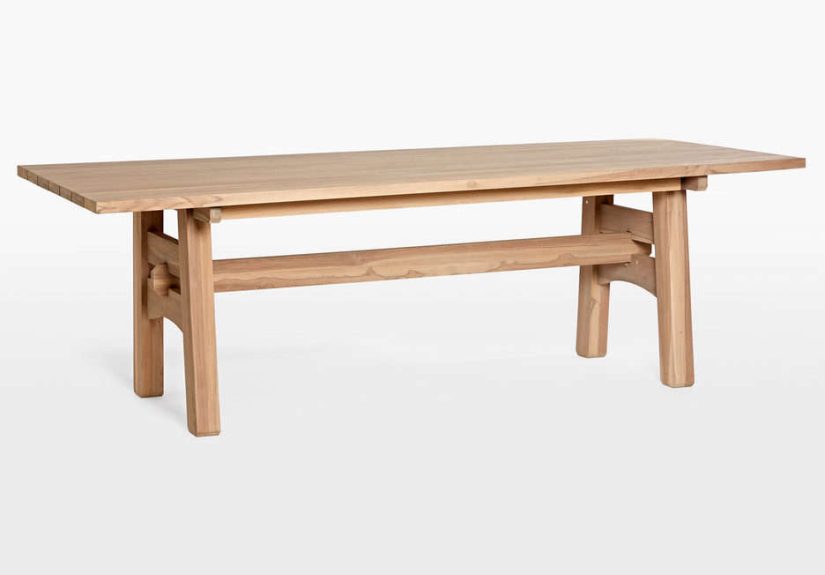
“Ronde” is a design cue more than a strict geometry lesson. Depending on the maker, a Ronde teak dining table may feature rounded corners, softened edges, or a streamlined silhouette that feels lighter and more modern than a boxy farmhouse slab. Many Ronde-style teak tables also use a slatted tabletopa practical detail for outdoor dining because it helps water drain and keeps the surface from pooling after rain.
In U.S. retail listings, you’ll often see a large-format Ronde teak dining table around 94 inches long, typically paired with a matching bench or complementary teak seating. That “long but friendly” proportion is what makes it a crowd-pleaser: generous enough for gatherings, but still clean-lined and contemporary.
Why Teak Is the Dining Table Wood People Keep Coming Back To
Teak (often Tectona grandis) has earned a reputation for durability because it naturally contains oils and has a wood structure that performs well when humidity shifts. In plain English: it’s one of the few woods that can take a little chaos without turning into a stress fracture chart.
Teak’s superpower: built-in resilience
Teak is widely recognized for impressive natural resistance to decay and long-term wear. That’s a big reason it shows up in demanding applications like outdoor furnitureand why it also makes sense as a dining table material if you want longevity without babying your surface every five minutes.
The color story: from honey to “expensive driftwood”
Fresh teak tends to start in a warm golden-brown range. Over time, exposureespecially outdoorscan shift it toward a silvery-gray patina. Indoors, the transition is slower and usually subtler, influenced more by sunlight and your chosen finish than by weather.
Your choice: keep teak golden (with a protective approach), or embrace the patina (the low-maintenance route that still looks intentional). There’s no wrong answerjust choose the aesthetic you want to wake up to.
Teak vs. other popular wood tables
- Oak: beautiful grain, classic, often finished for indoor use; can react more noticeably to humidity shifts.
- Acacia/Eucalyptus: common in outdoor furniture at a lower price point; often needs more protection or upkeep to stay looking “new.”
- Teak: typically pricier, but prized for its durability and reputation as a long-term buyespecially if you like the idea of a table that can handle real life.
Choosing the Right Size: Seating, Space, and “Will We Still Be Able to Walk?”
A dining table can be gorgeous and still be a daily annoyance if it’s the wrong size. The goal is comfort: enough space for people to sit and move, enough surface area for meals, and enough clearance so you’re not doing a sideways crab-walk to get to the kitchen.
A quick clearance rule that saves friendships
As a practical rule of thumb, aim for about 36 inches of clearance around the table so chairs can pull out comfortably and people can pass behind seated guests. If your space is tight, you can sometimes go smaller, but 36 inches is the sweet spot for everyday sanity.
How many people can a 94-inch table seat?
A 94-inch (roughly 8-foot) table commonly lands in the “comfortable 8” category, depending on chair width and whether you seat anyone at the ends. If you’re using slimmer side chairs (or a bench on one side), you can sometimes squeeze in more for special occasionsjust expect a cozier vibe and more “sorry, can you pass the water?” moments.
Bench seating: the secret weapon
Many Ronde teak dining table setups include (or look great with) a bench. Benches are surprisingly practical because they can slide fully under the table, visually opening up the room. They also flex for family life: kids can scoot, guests can squeeze, and no one’s fighting an armrest.
Indoor vs. Outdoor: How to Make One Table Work in Two Worlds
One reason people love teak is that it can transition between indoor dining and outdoor entertaining more naturally than many other woods. Still, your setup and maintenance should match how you use it.
If your Ronde teak dining table lives indoors
- Sun management matters: Rotate decor occasionally and consider window treatments if one side gets strong sun daily. This helps keep aging more even.
- Protect the surface (without wrapping it in bubble wrap): Use coasters, placemats, and trivets. Teak is tough, but heat and liquids can still leave marks depending on the finish.
- Watch the slats: If your tabletop is slatted, crumbs and tiny spills can find gaps. A table runner, placemats, or a removable tray setup makes daily use easier. (Yes, this is also an excuse to buy cute trays.)
If your Ronde teak dining table lives outdoors
- Decide on patina vs. “keep it golden” early: Patina is low effort. Keeping the honey tone takes more maintenance.
- Clean gently and consistently: A soft brush and mild soap go a long way. Skip harsh cleaners that can strip the surface.
- Avoid the wrong “teak oil” habit: Many outdoor teak experts warn that common “teak oil” products (often linseed-based blends) can create a sticky surface that attracts dirt and may encourage mildew in warm, humid conditions. Outdoors, you’re usually better with the patina route or a purpose-made sealer/shield product designed for teak surfaces.
- Winter strategy: If you live somewhere with harsh winters, clean and dry the table before covering or storing. Covers should allow airflowtrapped moisture is the enemy of anything living outside.
Styling a Ronde Teak Dining Table So It Looks “Designed,” Not “We Just Moved In”
Teak is surprisingly versatile: it can read modern, coastal, Scandinavian, midcentury-ish, or warm minimal depending on what you pair it with. Here are a few proven combinations.
1) Modern casual
Look: teak + black metal or matte charcoal chairs. Add a simple linen runner and a low bowl centerpiece. Clean lines, no fuss, quietly confident.
2) Coastal without the seashell explosion
Look: teak + woven chairs (rope, cane, or rattan). Add soft white cushions and a textured vase with greenery. It says “beach energy” without shouting “nautical gift shop.”
3) Warm minimal
Look: teak + light upholstered chairs (cream, oatmeal, stone). Keep decor simple: one sculptural object, one small plant, one candle. Done.
4) Outdoor entertaining upgrade
Look: teak table + an outdoor rug underneath + mixed seating (chairs + bench). Add hurricane candles or lanterns and a big serving board. Suddenly, Tuesday night feels like a tiny vacation.
Care and Maintenance: The “Actually Realistic” Version
Teak doesn’t need complicated rituals. It needs consistent basicsand the right products for the right setting.
Everyday care (indoor or outdoor)
- Wipe spills relatively quickly, especially acidic foods (tomato sauce, citrus) and oils.
- Dust with a soft cloth; for outdoor use, brush off pollen and debris so it doesn’t grind into the surface.
- Use mild soap and water for deeper cleaning; rinse and dry thoroughly outdoors.
If you want to keep teak looking golden
To hold onto the warm tone, many people use a teak sealer/shield product rather than traditional “teak oil”especially outdoors. Indoors, oil can be used more safely for appearance if the table’s finish and manufacturer guidance support it, but it’s still optional. The key is to follow the finish type: an oiled table behaves differently than a sealed or coated table.
If you love the silver patina
Congratulationsyou’ve chosen the low-maintenance path that still looks high-end. Let the table weather naturally, keep it clean, and treat it gently. If it becomes very gray or blotchy outdoors, you can brighten it with appropriate wood cleaners/brighteners, then decide whether to seal or let it continue patinating.
Small scratches, dings, and “life happened” marks
Minor wear is normal, especially on a table meant for daily use. Depending on the finish, light sanding and refinishing can refresh the surface. If you’re not sure what finish you have, don’t guesstest in an inconspicuous area first or consult the maker’s care notes.
Sustainability and Sourcing: What to Look For
Teak is valuable, and that means sourcing matters. If sustainability is part of your decision (and it should be), look for:
- FSC certification or equivalent chain-of-custody documentation that supports responsible forestry practices.
- Plantation-grown teak from responsibly managed sources.
- Transparency in product detailswhat’s the wood type, what’s the finish, and how should it be maintained?
Buying Checklist: A 2-Minute Reality Test Before You Click “Add to Cart”
- Measure your room/patio twice and confirm clearance for chairs.
- Decide your finish preference: golden vs. patina. Your care routine depends on it.
- Think about seating style: all chairs, a bench, or mixed seating.
- Confirm the tabletop design: slatted tops are great outdoors; indoors they may benefit from runners or trays for easy cleanup.
- Check sourcing claims (FSC, plantation-grown, responsible harvesting).
- Plan protection: coasters/placemats indoors, breathable covers outdoors.
FAQs
Is a teak dining table okay for everyday indoor use?
Yesteak is a strong candidate for daily dining because it’s durable and handles typical household wear well. Pair it with basic surface protection (coasters, trivets) and it should age beautifully.
Do I have to oil a teak dining table?
No. Oiling is optional and depends on whether you want to influence color and sheen. Outdoors, many experts recommend avoiding common “teak oil” products in favor of letting teak patina naturally or using a purpose-made sealer/shield if you want to slow color change.
Will teak stain?
Any wood can stain depending on finish and exposure time. The practical approach is quick wipe-ups, placemats for messy meals, and a protective product if you’re concerned about frequent spills (especially outdoors).
Conclusion
A Ronde teak dining table is a smart blend of style and stamina: clean-lined enough to feel modern, warm enough to feel inviting, and tough enough to handle the reality of meals, guests, seasons, and daily life. If you want a table that looks better with time (instead of just looking tired), teak is hard to beat.
Choose the size that fits your space with breathing room, decide whether you’re team “golden glow” or team “silver patina,” and set it up to match how you live. Do that, and your table won’t just hold dinnerit’ll hold stories.
Real-World Experiences With a Ronde Teak Dining Table
People who live with a Ronde teak dining table tend to discover the same thingsusually within the first monthbecause the table quietly teaches you how it wants to be used (and it’s oddly polite about it).
1) The table becomes the default gathering spot. Even in homes with a kitchen island, a teak dining table draws people in because it feels warmer and more “sit for a while” than a hard-edged counter. Families often notice that quick meals turn into longer conversationsespecially if the table is large enough that nobody feels crowded. The funny part is that the table doesn’t have to be styled perfectly. Teak has a natural visual richness, so it still looks put-together even with a stack of mail and someone’s water bottle collection.
2) Slatted tops are a love story… with a tiny subplot about crumbs. Outdoors, slats are a win: rain drains, the surface dries faster, and the table feels purpose-built. Indoors, owners often adapt by adding a runner, placemats, or a long serving tray in the centerso small crumbs don’t take the express lane to the floor. It’s not a deal-breaker; it’s more like learning a new routine. Once you do, it’s easy. Think of it as the table’s way of encouraging you to own a handheld vacuum (or at least be on friendly terms with a broom).
3) Teak’s aging process becomes part of the charm. A lot of people start out trying to “keep it looking brand new,” and then slowly shift into, “Wait… this patina is actually gorgeous.” Small color variation, subtle sun-kissed shifts, and gentle wear often read as character rather than damage. It’s the opposite of high-gloss surfaces that show every fingerprint like evidence at a crime scene. Teak is forgivingso you’re less stressed hosting friends and more focused on, you know, enjoying your friends.
4) The table rewards consistency, not perfection. Owners who love their teak table long-term tend to do a few boring-but-effective things: wipe spills, use coasters when they remember, and clean with mild soap instead of harsh chemicals. That’s it. Not a 12-step skincare routine for furniture. Just basics. Outdoors, people who cover the table when it’s not in use (especially in rough seasons) often report less deep staining and less “mystery grime” buildupmeaning spring cleanup is faster and less dramatic.
5) Seating choices change how the table feels. With chairs only, the vibe is classic and a bit more formal. Add a bench, and the table suddenly feels more casual and flexiblegreat for families, game nights, and squeezing in an extra person when someone brings a friend. Many households end up mixing: chairs on the ends for structure, bench on one side for flexibility. It’s a small change that makes the table feel like it belongs to your life, not a showroom.
Bottom line from real households: a Ronde teak dining table tends to make people host more often and worry less. It’s sturdy, adaptable, and naturally good-lookingso the table isn’t a “special occasion only” piece. It’s the everyday hero that still cleans up well when company comes.