Table of Contents >> Show >> Hide
- What Is Sangria, Exactly?
- What Makes a Great Sangria Recipe?
- Easy Classic Red Sangria Recipe
- How to Customize This Sangria Recipe
- Common Sangria Mistakes to Avoid
- What to Serve With Sangria
- Why This Sangria Recipe Works
- Experience the Magic of a Sangria Recipe: The Human Side of the Pitcher
- Conclusion
Sangria is what happens when a bottle of wine decides to loosen up and have a very good weekend. It is fruity, refreshing, easy to scale for a crowd, and somehow manages to feel both casual and impressive at the same time. Bring out a pitcher of sangria at a cookout, brunch, or backyard dinner, and people instantly behave as if you hired a charming bartender who also happens to know how to arrange citrus beautifully.
The best part of a great sangria recipe is that it is flexible without being chaotic. You do not need a culinary degree, a cocktail shaker, or a dramatic garnish budget. You just need a decent bottle of wine, fresh fruit, something citrusy, a little sweetness if the wine needs it, and enough patience to let everything chill and mingle. This article breaks down how to make a classic sangria recipe that actually tastes balanced, plus the small tricks that separate “pretty pitcher” from “why does this taste like fruit salad did taxes in my wine glass?”
What Is Sangria, Exactly?
Sangria is a wine-based punch traditionally associated with Spain and usually built from wine, fruit, and a few supporting players like juice, brandy, orange liqueur, sugar, or sparkling water. In the U.S., sangria has evolved into a wonderfully flexible party drink, which is why you will find red sangria, white sangria, rosé sangria, seasonal sangria, and enough variations to keep one pitcher from ever getting boring.
At its core, though, the goal stays the same: create a cold, fruity, lightly boozy drink that tastes bright, not syrupy; refreshing, not heavy; and festive, not fussy. A good sangria recipe should be easy to drink, easy to serve, and easy to make ahead. Those three qualities are why it remains one of the smartest big-batch cocktails around.
What Makes a Great Sangria Recipe?
1. Start With the Right Wine
The best wine for sangria is not the most expensive bottle on the shelf. Save your fancy wine for sipping on its own. Sangria works best with a dry, fruity, affordable wine that can play well with citrus, fruit juice, and a possible splash of liquor. For classic red sangria, think along the lines of Tempranillo, Garnacha, Merlot, or another mellow, fruit-forward red. You want enough character to stand up to the fruit, but not so much tannin that the drink turns bitter.
2. Use Fruit That Adds Flavor, Not Just Decoration
Citrus is the backbone of most sangria recipes because it adds brightness and aroma. Oranges are the obvious favorite, but lemon and lime help keep the drink from tasting sleepy. Apples are popular because they hold their shape and soak up flavor without turning mushy. From there, you can branch out with berries, peaches, plums, nectarines, grapes, or mango, depending on the season and the mood. The fruit should make sense with the wine, not compete with it like a reality-show reunion episode.
3. Keep the Sweetness Under Control
One of the fastest ways to ruin sangria is to make it too sweet. Wine already brings fruit notes, and many recipes also include juice, liqueur, or soda. That means you do not need to dump in a mountain of sugar. Taste as you go. A little orange juice, simple syrup, honey syrup, or even a splash of lemonade can round things out, but the final drink should still taste like wine-based punch, not liquid candy.
4. Add a Boost, Not a Punch in the Face
Brandy is the traditional add-in for many sangria recipes, and orange liqueur is another common favorite. Both bring extra fruit depth and a little warmth. The trick is restraint. Sangria should feel relaxed and shareable, not like it is trying to win an arm-wrestling contest with your guests. A modest splash is usually enough.
5. Chill It Long Enough
Freshly mixed sangria can taste disjointed. Give it at least a couple of hours in the fridge so the fruit, wine, and other ingredients have time to get acquainted. Overnight is even better if you have the time. This resting period is what turns a random collection of ingredients into a real sangria recipe instead of a rushed glass of wine with commitment issues.
6. Add the Bubbles Right Before Serving
If you like your sangria with sparkling water, club soda, lemon-lime soda, or sparkling wine, wait until the last minute to add it. Put it in too early and the fizz disappears. Nobody wants flat sangria. Flat sangria is just sadness with fruit floating in it.
Easy Classic Red Sangria Recipe
This version is built to be crowd-friendly, balanced, and very easy to customize. It leans classic, with red wine, citrus, apple, a little brandy, and a touch of sweetness. It is the kind of pitcher drink that works at summer parties, holiday gatherings, taco night, or any event where people say, “Oh nice, sangria,” in a tone that suggests they suddenly trust your life choices more.
Yield
6 to 8 servings
Prep Time
15 minutes, plus at least 2 hours of chilling time
Ingredients
- 1 bottle dry red wine, chilled
- 1/4 to 1/2 cup brandy
- 1/4 cup orange liqueur or 1/4 cup orange juice
- 1 to 2 tablespoons simple syrup, honey syrup, or sugar, optional
- 1 orange, thinly sliced
- 1 lemon, thinly sliced
- 1 lime, thinly sliced
- 1 crisp apple, cored and chopped or thinly sliced
- 1 cinnamon stick, optional
- 1 cup chilled sparkling water, club soda, or lemon-lime soda, added before serving
- Ice, for serving
- Fresh mint, optional for garnish
How to Make It
- In a large pitcher, combine the red wine, brandy, orange liqueur or orange juice, and sweetener if using. Stir until everything is blended.
- Add the orange, lemon, lime, apple, and cinnamon stick if using. Give the pitcher another stir.
- Cover and refrigerate for at least 2 hours. For the best flavor, chill it for 4 hours or overnight.
- Right before serving, taste the sangria. If you want it a little sweeter, add another small splash of simple syrup or juice. If you want it lighter, stir in the sparkling water or soda.
- Serve over ice and spoon some fruit into each glass. Garnish with mint if you want your pitcher to look extra photogenic.
How to Customize This Sangria Recipe
Make It White Sangria
Swap the red wine for a crisp white wine like Pinot Grigio or Sauvignon Blanc. Use peaches, green grapes, apples, and lemon. A splash of elderflower liqueur or peach liqueur can be lovely here, but even plain orange juice works. White sangria tends to feel lighter, brighter, and especially good for brunch or hot-weather sipping.
Make It Rosé Sangria
Rosé sangria is the flirty cousin of classic red sangria. Use strawberries, raspberries, peaches, or watermelon, and finish with sparkling water or sparkling wine for extra lift. It is bright, pretty, and ideal for patios, showers, and any gathering where people suddenly start taking pictures of their drinks before taking a sip.
Go Seasonal
In summer, lean into berries, peaches, nectarines, and melon. In fall, try apples, pears, orange slices, and a cinnamon stick. In winter, cranberries, citrus, and pomegranate bring a festive look and tart flavor. In spring, strawberries, basil, and light wine make a fresh combination. Sangria is one of those recipes that changes clothes very well.
Common Sangria Mistakes to Avoid
Using an Overly Expensive Wine
This is a classic case of trying too hard. Sangria is meant to transform approachable wine into something party-worthy. A good mid-range bottle is perfect. Let your special-occasion wine live its best life somewhere else.
Adding Too Much Booze
A splash of brandy is good. Half the liquor cabinet is not. If the spirit overwhelms the fruit and wine, the sangria loses its easygoing charm and becomes something much less elegant.
Skipping the Chill Time
This is probably the biggest mistake. If you serve it immediately, the fruit has not had time to infuse the wine, and the whole drink can taste flat or disconnected. Chilling is not optional if you want the flavors to come together.
Letting the Fruit Get Weird
Fruit should be fresh and firm. Avoid fruit that is bruised, mushy, or overly ripe unless you enjoy mysterious texture adventures. Also, do not let the pitcher linger for days. Sangria is best within a day, while the fruit still tastes bright and the drink still feels fresh.
Forgetting the Balance
Great sangria sits at the intersection of fruity, tart, sweet, and refreshing. If yours tastes too sharp, add a little juice or sweetener. If it tastes too sweet, add citrus or a splash of soda water. If it tastes heavy, serve it colder and over more ice. Tiny adjustments make a huge difference.
What to Serve With Sangria
Because sangria is fruit-forward and versatile, it pairs beautifully with a lot of party food. Think grilled chicken, burgers, shrimp skewers, charcuterie, tapas, tacos, picnic sandwiches, roasted vegetables, salty snacks, and cheese boards. A red sangria recipe especially shines with smoky, savory foods, while white sangria works nicely with seafood, salads, and lighter appetizers.
It is also a great drink for entertaining because you can make most of it ahead. That means less time stuck in the kitchen and more time pretending you are effortlessly hosting, even if five minutes earlier you were frantically Googling whether paper napkins can count as “rustic.”
Why This Sangria Recipe Works
This sangria recipe works because it keeps the structure simple. The dry wine gives it body. The orange and lemon bring brightness. The apple adds crunch and subtle sweetness. The optional brandy gives depth without pushing the drink into heavy cocktail territory. The final splash of bubbles lifts everything so each sip feels lively rather than dense.
More importantly, it leaves room for your own style. Want it lighter? Use orange juice instead of orange liqueur and add more sparkling water. Want it richer? Use brandy and a cinnamon stick. Want it more summery? Toss in berries and peaches. Want it prettier? Mint and sliced citrus will do the trick. Sangria is forgiving, which is one reason people keep coming back to it year after year.
Experience the Magic of a Sangria Recipe: The Human Side of the Pitcher
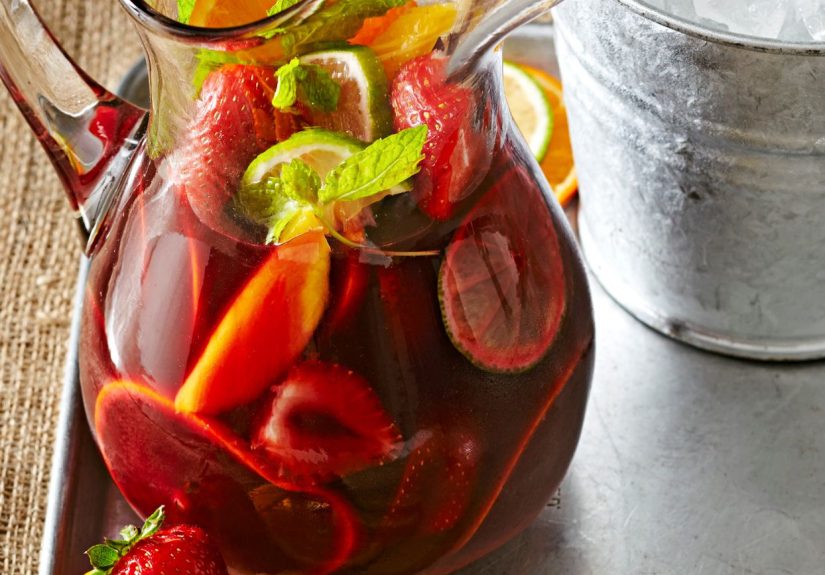
There is something delightfully social about sangria that other drinks do not quite capture. A pitcher of sangria does not arrive quietly. It shows up with color, fragrance, and the sort of confidence that says, “Yes, this gathering is now officially a good idea.” Even before anyone takes a sip, the bowl of citrus, floating apples, and jewel-like fruit pieces starts doing half the work. The table looks brighter. The mood loosens. People who were standing politely near the snack board suddenly lean in closer and ask, “What’s in that?”
One of the best experiences around making sangria is that it feels generous. You are not mixing individual cocktails one by one while everyone watches you like a stressed-out game-show contestant. You make one pitcher, let it chill, and when guests arrive, you are ready. That matters. It changes the energy of hosting. Instead of measuring and shaking and trying to remember who wanted what, you get to pour, pass glasses around, and actually join the conversation.
Sangria also has a funny way of becoming part of the memory of a gathering. People may not remember exactly which chips you served or whether the playlist got a little too bold around sunset, but they tend to remember “that really good sangria.” It becomes the drink attached to a birthday dinner on the patio, a cousin’s graduation barbecue, a weekend girls’ night, or an impromptu summer lunch that turned into a much longer afternoon because nobody was in a hurry to leave.
There is also a little pleasure in the prep itself. Slicing the fruit, choosing the wine, deciding whether to go classic or add a seasonal twist, and watching the pitcher come together feels more creative than complicated. It is the kind of kitchen task that is relaxing instead of stressful. No frosting bags. No last-minute skillet drama. No sauce separating while guests ring the doorbell. Just fruit, wine, ice, and the low-stakes thrill of knowing you are about to serve something people genuinely enjoy.
Then there is the reveal after chilling. You open the refrigerator, pull out the pitcher, and somehow it already looks more delicious than when you made it. The fruit has softened slightly, the colors have deepened, and the whole thing seems to have transformed into a proper party drink while you were off doing other things. That is honestly one of sangria’s greatest talents: it improves while you ignore it. If only laundry had the same work ethic.
Even the leftovers, when there are any, tell a small story. Maybe you strain the extra sangria into a jar for the next evening. Maybe someone raids the fruit with a spoon and declares it the best part. Maybe the pitcher comes back from the table nearly empty, with only a few citrus slices floating around like evidence of a very successful night. However it ends, sangria rarely feels formal or precious. It feels warm, shared, and a little celebratory, which is exactly why a good sangria recipe earns a permanent place in so many kitchens.
Conclusion
A great sangria recipe is less about rigid rules and more about balance. Start with dry, fruit-friendly wine. Add citrus and fresh fruit that make sense together. Sweeten gently. Use brandy or orange liqueur with a light hand. Let the pitcher chill so the flavors can blend, then add bubbles right before serving. Follow those principles and you will end up with a drink that is refreshing, flexible, and reliably crowd-pleasing.
In other words, sangria is the kind of recipe every home host should know. It is easy enough for a casual weekend, festive enough for a holiday table, and forgiving enough that you can make it your own without wrecking the whole pitcher. That is a rare talent in the recipe world, and honestly, we should all respect it.