Table of Contents >> Show >> Hide
- Why SEL and Sensory Needs Belong in the Same Conversation
- Start With a Strengths-Based Mindset
- Practical SEL Strategies for Sensory Needs
- 1. Teach sensory self-awareness, not just emotion vocabulary
- 2. Build predictable routines without making the day painfully rigid
- 3. Create a calming space that teaches regulation
- 4. Use co-regulation before demanding self-regulation
- 5. Normalize movement and sensory breaks
- 6. Use multisensory SEL instruction
- 7. Teach self-advocacy as a core SEL skill
- 8. Collaborate with families, OTs, and support staff
- What Adults Should Avoid
- Why This Matters Beyond Behavior
- Conclusion
- Extended Experiences: What This Looks Like in Real Life
- SEO Tags
Social and emotional learning sounds wonderfully simple on paper: teach kids to name feelings, manage impulses, solve problems, and treat other people decently. In real life, however, SEL can get messy fast when a child is already overwhelmed by buzzing lights, scratchy clothing, loud cafeterias, crowded hallways, or the general chaos that small humans and large feelings can create together. That is where sensory needs come into the picture.
For some students, sensory input is not just background noise. It is the main event. A chair that squeaks, a room that echoes, a tag that scratches, or a fire drill that arrives like a rock concert can push the nervous system into overdrive. Other students may seek input instead, rocking in their seats, crashing into cushions, chewing pencil tops, or moving constantly because stillness feels harder than multiplication. None of that means they are rude, lazy, dramatic, or “just doing it for attention.” It means their brains and bodies may need support before traditional SEL lessons can really land.
The smartest approach is not to force children to act regulated on the outside while their nervous systems are throwing a private parade on the inside. The smarter approach is to make SEL more inclusive, practical, and sensory-aware. When educators and families do that, children are more likely to build self-awareness, self-management, relationship skills, and healthy self-advocacy without feeling like the classroom is some kind of emotional obstacle course designed by a caffeinated raccoon.
Why SEL and Sensory Needs Belong in the Same Conversation
SEL and sensory regulation are deeply connected. A child cannot easily identify feelings, solve social conflicts, or make thoughtful choices while overloaded by noise, movement, textures, or unpredictability. In other words, the nervous system often decides whether the social-emotional lesson gets through at all.
That is why sensory-aware SEL matters. CASEL’s framework highlights skills such as self-awareness and self-management, but children usually learn those skills best when the environment supports them rather than fights them. A student who is covering their ears during circle time is not in the best position to discuss empathy. A child who is dysregulated from fluorescent lights and lunchroom noise is not ignoring your calming script to be difficult. Their body may simply be yelling louder than your lesson plan.
It is also important to use careful language here. Many families and educators use the term sensory processing disorder, but it is not recognized as a standalone diagnosis in the way people sometimes assume. Still, sensory challenges are very real, and they frequently show up in children with autism as well as in children with ADHD, anxiety, learning differences, or no formal diagnosis at all. The label matters less than the support. If a child is overwhelmed, the child is overwhelmed. That is not a debate topic. That is your starting point.
Start With a Strengths-Based Mindset
The best sensory-aware SEL strategies begin with one mindset shift: stop asking, “How do I make this child fit the room?” and start asking, “How do I make this room work better for this child?” That change sounds small, but it is everything.
Children with sensory needs often hear adults describe them in terms of what they disrupt. Too loud. Too sensitive. Too fidgety. Too intense. Too much. A strengths-based SEL approach flips that script. The child who notices every tiny sound may also notice social tension before anyone else does. The child who craves movement may be energetic, curious, and physically engaged. The child who avoids eye contact may still be listening carefully. The child who needs extra processing time may be thoughtful, observant, and detail-oriented.
When adults assume behavior is communication, not moral failure, better strategies follow. Instead of punishing the behavior first, they look for patterns: When does the child get dysregulated? What sensory input seems to trigger it? What sensory input seems to help? What parts of the day run smoothly, and why? That kind of noticing is not glamorous, but it is pure gold.
Practical SEL Strategies for Sensory Needs
1. Teach sensory self-awareness, not just emotion vocabulary
Many SEL programs teach children to identify emotions such as angry, worried, frustrated, embarrassed, or excited. That is useful, but it is only half the story. Children with sensory needs also benefit from learning the language of body signals. Teach them to notice what overload feels like before it becomes a meltdown. Maybe their shoulders get tight. Maybe their ears hurt. Maybe their heart pounds. Maybe they suddenly feel hot, wiggly, or desperate to leave.
Try pairing emotional vocabulary with sensory vocabulary: “My body feels buzzy.” “The room is too loud.” “My shirt feels itchy.” “I need movement.” “I need quiet.” “I need less light.” That kind of language helps children move from reacting to recognizing. Recognition is the first brick in the self-regulation house.
2. Build predictable routines without making the day painfully rigid
Predictability lowers stress. Children are more likely to regulate when they know what is coming next, how long it will last, and what the expectations are. Visual schedules, transition warnings, first-then language, and consistent rituals can make a huge difference. Even a simple “In five minutes we will clean up and go to small group” gives the brain a runway instead of throwing it off a cliff.
That said, sensory-aware classrooms should be predictable, not robotic. Kids still need flexibility, choice, and room to recover when plans change. A strong routine says, “This day makes sense.” A rigid routine says, “Good luck surviving me.” Aim for the first one.
3. Create a calming space that teaches regulation
A sensory-friendly calm corner can be one of the most useful SEL supports in a room, but only if it is treated like a skill-building space rather than a punishment chair with better branding. The goal is not exile. The goal is reset.
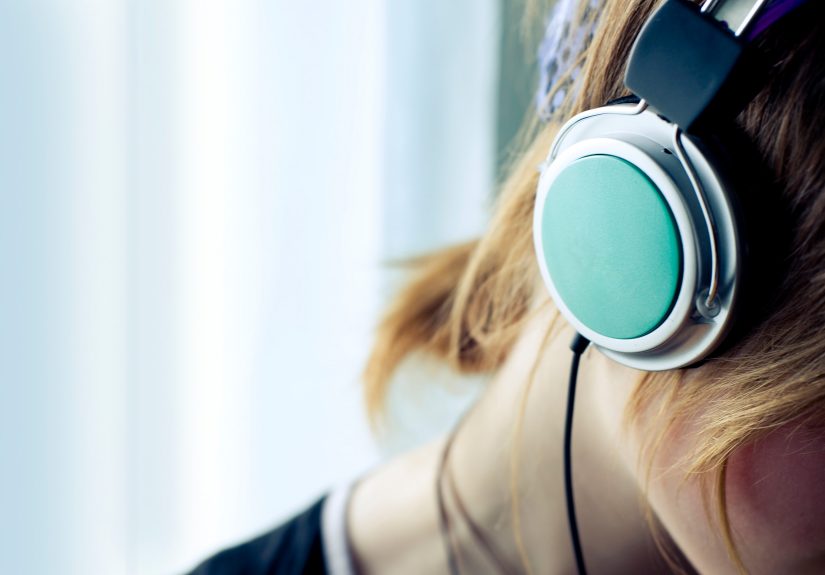
A good regulation space might include soft seating, noise-reducing headphones, visual breathing prompts, weighted lap tools if appropriate, fidgets, books with calming pictures, or simple sensory materials. Keep it uncluttered. If the calm corner looks like a yard sale had a nervous breakdown, it is probably not calming.
Teach students how and when to use the space while they are already calm. Model phrases such as, “I need a break,” “I need quiet,” or “I need to squeeze something before I talk.” That turns the space into an SEL tool for self-advocacy, not a dramatic prop for bad afternoons.
4. Use co-regulation before demanding self-regulation
Adults often rush straight to problem-solving when children are upset. But when a student is overloaded, logic is usually not the first door that opens. Co-regulation comes first. That means lending calm through your voice, pace, posture, facial expression, and presence.
In practice, that may look like kneeling to eye level, lowering your voice, using fewer words, offering reassurance, and giving the child space to settle before discussing what happened. It may also mean slowing your own breathing because children are very good at borrowing adult panic and very bad at turning it into inner peace.
The sequence matters: regulate, connect, then problem-solve. Not the other way around.
5. Normalize movement and sensory breaks
Not every child regulates by sitting still and folding tiny hands like a museum statue. Some need movement to focus. Short walks, wall pushes, chair bands, stretching, carrying books, classroom jobs, or structured movement breaks can support both attention and emotional regulation.
This is especially powerful when movement is normalized for everyone rather than reserved only for “the kids who struggle.” Universal design works wonders. When the whole class uses short breathing breaks, transition stretches, or sensory-friendly routines, students with higher sensory needs get support without being singled out.
6. Use multisensory SEL instruction
SEL should not live only in talking circles and poster slogans. Some students learn best when social-emotional concepts are taught with visuals, movement, role-play, tactile materials, rhythm, drawing, or sensory play. Younger children, in particular, often regulate and reflect better when their hands are busy.
That could mean using sand trays for tracing feeling words, water play for calming before conflict repair, drawing body maps to show where worry lives, or using manipulatives to practice turn-taking and flexible thinking. Multisensory instruction does not water down SEL. It makes SEL more accessible.
7. Teach self-advocacy as a core SEL skill
One of the most valuable long-term goals for students with sensory needs is learning how to ask for what helps. That may sound like, “Can I sit at the end of the row?” “Can I use headphones for this part?” “Can I stand instead of sit?” “Can I have directions one step at a time?”
That is not special treatment. That is skill development. Children who can identify their needs and communicate them respectfully are building self-awareness, self-management, and relationship skills all at once. That is peak SEL, frankly.
8. Collaborate with families, OTs, and support staff
Teachers should not have to guess their way through every sensory pattern alone. Families often know the child’s triggers, comforts, routines, and warning signs better than anyone. Occupational therapists can help analyze tasks and environments and suggest supports for transitions, participation, and regulation. School psychologists, counselors, and other staff can help align those supports with social-emotional goals.
The most effective plans are simple, specific, and shared. Instead of “help him calm down,” try “offer transition warning, seat near low-noise area, allow movement break after group instruction, and use visual check-in card.” Clear beats vague every time.
What Adults Should Avoid
Some common responses make sensory stress worse, even when they are well-intended. Avoid assuming sensory overload is defiance. Avoid forcing eye contact or physical closeness when a child is already overwhelmed. Avoid turning regulation tools into rewards that must be earned after perfect behavior. Avoid overdecorated rooms that look cheerful to adults but feel like a visual marching band to children. And please do not assume one trendy fidget toy is going to solve everything. A spinner is not a therapist, a classroom system, or a miracle.
Why This Matters Beyond Behavior
When schools and families use sensory-aware SEL, the payoff is bigger than fewer meltdowns. Students feel safer. Relationships improve. Participation increases. Shame decreases. Peers learn empathy. Adults become more observant and less reactive. And children start to understand an incredibly powerful idea: “My body is not wrong. I just need tools.”
That lesson can change a child’s school experience. It can also shape adulthood. A student who learns how to recognize overload, ask for support, and recover after dysregulation is building skills that matter far beyond elementary school. We are talking about coping, communication, confidence, and belonging. That is real-life curriculum.
Conclusion
SEL strategies for sensory needs work best when they are practical, compassionate, and flexible. Children do not need adults to lecture them into regulation while ignoring the environment that dysregulates them in the first place. They need calm adults, predictable routines, sensory-aware spaces, meaningful choices, and language that helps them understand what their bodies are telling them.
In short, effective SEL is not just about teaching children how to behave. It is about helping them feel safe enough, seen enough, and supported enough to actually use the skills we hope to teach. Once that happens, the social-emotional learning is no longer performative. It becomes real.
Extended Experiences: What This Looks Like in Real Life
Here is what sensory-aware SEL often looks like outside the neat little boxes of professional development slides. Imagine a first grader who melts down every day right before lunch. At first glance, it seems behavioral. He gets silly, loud, argumentative, and then suddenly furious because someone touched his pencil. After a week of paying closer attention, the adults realize the pattern: the hallway is noisier before lunch, the class transition is rushed, and he is already hungry and tired by that point in the day. The solution is not a longer lecture about “making good choices.” The solution is a preview of the transition, a quick movement job before lining up, and a quieter place in line. Same child, same school, very different outcome.
Or picture a preschool classroom during group time. One child keeps rolling away from the rug, touching everyone else’s shoes, and generally acting like circle time is a personal endurance challenge. Instead of turning it into a power struggle, the teacher gives him a wiggle cushion, a visual card for “body needs movement,” and permission to sit at the edge of the group. A month later, he still moves more than the other kids, but now he can participate without crashing the whole routine. That is progress. It is not always cinematic. Sometimes success is simply getting through “The Very Hungry Caterpillar” without anybody rage-yeeting a crayon.
Families see the same pattern at home. A parent may think a child is overreacting every evening during homework, only to realize the kitchen is bright, siblings are noisy, the chair is uncomfortable, and the child has already spent the whole day holding it together at school. Move homework to a quieter space, add a snack, let the child stand while working, and suddenly the emotional weather forecast changes from thunderstorm to mostly cloudy with a chance of math.
Another common experience happens in social situations. A child wants friends but struggles at birthday parties, assemblies, or school performances. Adults may mistakenly believe the child is antisocial, when the real issue is sensory overload. Loud music, unpredictable movement, crowded rooms, and the smell of pizza all arrive at once like an ambush. When adults prepare the child ahead of time, offer headphones, identify a quiet break area, and practice an exit phrase such as “I need a minute,” the child often participates more, not less. Support increases independence. It does not reduce it.
These experiences matter because they remind us that sensory-aware SEL is not about making life perfectly soft, silent, and controlled. That is impossible. The goal is to help children understand themselves, recover more effectively, and stay connected to learning and relationships even when the world feels like a lot. And let’s be honest: the world is often a lot. Adults feel that too. Which is why some of the best sensory-aware SEL work happens when teachers and parents stop chasing perfect behavior and start building realistic tools for real nervous systems in real rooms on real days.