Table of Contents >> Show >> Hide
- 1. Think About How You Actually Use Your Bathroom
- 2. Resale Value: Will Losing the Tub Hurt Your Home’s Appeal?
- 3. Accessibility, Safety, and Future-Proofing
- 4. Budget, Hidden Costs, and Return on Investment
- 5. Space, Layout, and Building Codes
- So…Should You Replace Your Tub with a Shower?
- Real-Life Experiences: What Homeowners Learned After Swapping Tubs for Showers
If you’ve ever stood in your tub, staring at the dated surround and mystery grout lines, thinking, “Wouldn’t a sleek walk-in shower look amazing here?”you’re not alone. A growing number of homeowners are saying goodbye to bathtubs and hello to spa-style showers with benches, niches, and rainfall heads. Industry reports show more people are choosing big, luxurious showers over tubs as they remodel their bathrooms.
But before you call the contractor and start swinging a sledgehammer, there’s a big question you need to answer: Should you actually replace your tub with a shower? The honest answer is, “It depends.” Your lifestyle, long-term plans, local real estate market, and budget all play a part in whether a tub-to-shower conversion is a brilliant upgrade or a regret waiting to happen.
Let’s walk through five must-know considerationsplus real-life experiencesso you can decide with confidence.
1. Think About How You Actually Use Your Bathroom
Forget Pinterest for a second. Start with your real life.
Are You a Soaker or a Sprinter?
Be brutally honest: When was the last time you took a bath? If the answer is “I don’t remember, but Netflix was still mailing DVDs,” you might be a prime candidate for a walk-in shower. Many homeowners say they almost never use their tubs and prefer quick, efficient showers that fit busy routines. Industry surveys also show a growing preference for larger showers as people focus on comfort and wellness.
On the other hand, if you actually love soaking with a book, glass of wine, or a mountain of bubbles, removing the tub may feel like losing a little daily joy. No showerno matter how fancywill replace that deep soak experience.
Who Else Uses the Bathroom?
- Families with small kids: Tubs are much easier for bathing toddlers and young children. Many real estate professionals note that parents actively look for at least one bathtub in the home.
- Pet owners: A tub can be handy for bathing dogs or rinsing off muddy paws. A low-curb shower can work too, but it depends on the design and your dog’s enthusiasm level.
- Guests: If it’s a guest bath used only a few times a year, prioritizing your everyday comfort might make more sense than preserving an unused tub.
Bottom line: if nobody uses the tub nowand you don’t realistically see that changingyour lifestyle points toward a shower.
2. Resale Value: Will Losing the Tub Hurt Your Home’s Appeal?
Now let’s talk money. One of the biggest fears with removing a tub is “Will this hurt my resale value?” The answer is nuanced.
General Resale Trends
Several bathroom and remodeling guides suggest that buyers increasingly value modern, walk-in showers, especially in urban areas or smaller homes where space feels tight. Updated showers can make a bathroom look more current and often help a home show better.
Some analyses even suggest that homes with attractive showers can sell for slightly more than comparable homes with basic tubs, especially when the shower design feels high-end and functional.
The “At Least One Tub” Rule
Real estate pros often repeat one key guideline: try to keep at least one bathtub in the home. Removing the only tub can make your home less appealing to families with young children or buyers who enjoy baths. Industry publications and agents warn that taking out the only bathtub can be a design move that hurts value and narrows your buyer pool.
So, if you have multiple bathrooms and another one already has a tub, converting one tub to a shower usually doesn’t scare buyers or agentsin fact, it can be a smart upgrade.
Talk to a Local Pro
Real estate is hyper-local. What works in a downtown condo market might not fly in a suburban, family-oriented neighborhood. Many real estate resources recommend checking with a local agent before you remove your only tub. They can tell you what buyers in your area expect and whether a walk-in shower will be a selling point or a question mark.
If you plan to stay in the home for a decade or more, you may choose to prioritize your comfort now and worry less about theoretical resale later. But if you’re planning to sell within a few years, get that local insight.
3. Accessibility, Safety, and Future-Proofing
One of the biggest reasons people replace tubs with showers is accessibility. Stepping over a tub wall can be a real hazard for older adults, people with limited mobility, or anyone recovering from surgery.
Why Walk-In Showers Win on Safety
Walk-in and low- or zero-threshold showers reduce or eliminate the need to lift your leg over a high tub edge. When combined with grab bars, slip-resistant flooring, and possibly a built-in bench, they can be significantly safer and easier to use.
Universal design and aging-in-place guidelines often favor large, curbless showers because they can accommodate mobility devices, caregivers, and a wider range of users. Some building and universal design resources specifically highlight flush, zero-threshold showers as a best practice for accessible bathrooms.
Thinking Ahead
Even if you don’t need these features today, you might later. Converting a tub to a shower now, with accessibility in mind, can spare you from an emergency remodel down the road.
- Consider adding blocking in the walls for future grab bars.
- Choose non-slip flooring in and around the shower.
- Think about a handheld showerhead and a bench or fold-down seat.
These upgrades don’t just serve older adultsthey’re also nice for anyone who wants a more comfortable, spa-like shower experience.
4. Budget, Hidden Costs, and Return on Investment
Let’s talk about the part nobody likes but everyone has to face: cost.
Typical Cost Range
National remodeling data shows that converting a tub to a shower typically costs about $1,500 to $8,000, with many homeowners landing around the $3,000 mark. The final price depends on whether you go for a simple acrylic unit or a fully tiled, custom walk-in shower with glass doors and premium fixtures.
Generally:
- Budget conversions: Acrylic or fiberglass surround, standard fixtures, minimal plumbing changes.
- Mid-range: Nicer fixtures, upgraded doors, some tile, niche or bench.
- High-end: Custom tile work, frameless glass, multiple showerheads, built-in bench, niche lighting, etc.
Hidden Costs to Watch For
Even simple projects can uncover surprises:
- Water damage behind old tub walls that needs repair.
- Plumbing upgrades to meet current code or handle new fixtures.
- Structural fixes if the floor needs reinforcing or leveling.
These can push your project toward the higher end of the range, so it’s wise to include a contingency in your budget.
Is It Worth It Financially?
Bathroom remodelsespecially ones that modernize fixtures and finishesare consistently listed among home improvements that can help with resale, even if they rarely return 100% of the cost. A tub-to-shower conversion can be a smart piece of that puzzle if it improves daily functionality and makes the bathroom feel fresh and up to date.
Just remember: go for quality materials and a timeless look, not overly trendy choices that might age quickly or require expensive maintenance.
5. Space, Layout, and Building Codes
Removing a tub can dramatically change how your bathroom feels. Showers, especially frameless glass ones, tend to open up the space and make a small room feel larger and less cramped.
Space and Layout Advantages
Walk-in showers can be tailored to awkward spaces more easily than tubs. You can:
- Replace an alcove tub with an equally sized shower footprint.
- Go slightly bigger if there’s space, creating a more spa-like feel.
- Use clear glass to visually enlarge the room.
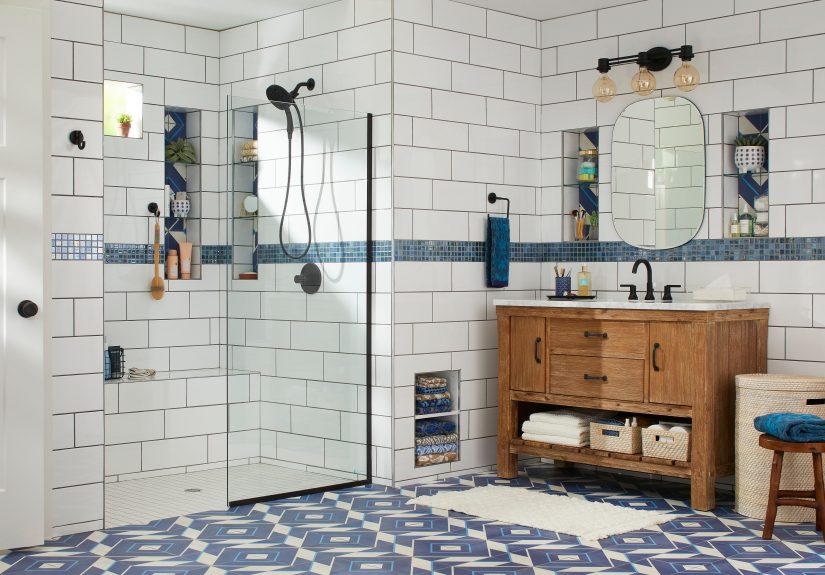
Designers often note that a well-planned shower can make the bathroom more functional, with smart storage niches, benches, and better lighting.
Code and Minimum Size Requirements
Beyond aesthetics, you need to meet minimum size and safety requirements. Some guidelines, including FHA-related and accessibility-focused resources, specify minimum shower dimensions when it’s the only bathing fixturefor example, at least 36" x 36" in many scenarios.
Your local building code may have specific requirements for:
- Shower size and clearances
- Drain location and slope for proper waterproofing
- Ventilation and fan sizing
- Tempered glass and safety glazing
Always confirm with your contractor or local building department before finalizing plans so you don’t design a gorgeous shower that fails inspection.
So…Should You Replace Your Tub with a Shower?
Here’s the quick decision framework:
- YES, a shower makes sense if:
- You rarely (or never) use the tub.
- You have another bathtub elsewhere in the home, or live in a market where tubs aren’t a big expectation.
- You want better accessibility, safety, and ease of cleaning.
- Your budget can handle $3,000–$8,000 for a good-quality conversion.
- Think twice if:
- It’s the only bathtub in a family-oriented home.
- You or future buyers might really miss the option to soak.
- Your local market strongly prefers homes with at least one tub.
At the end of the day, your bathroom should work for your life first and your eventual buyer second. If a walk-in shower will make you safer, happier, and more comfortable every single day, that has real valueeven if it doesn’t all show up on a closing statement.
Real-Life Experiences: What Homeowners Learned After Swapping Tubs for Showers
Numbers and guidelines are helpful, but nothing beats hearing how it actually feels to live with a tub-to-shower conversion. While every home is unique, these composite experiences reflect common stories shared by homeowners, real estate discussions, and remodelers.
The Empty Nesters Who Wanted “No More Climbing”
A couple in their late 60s had a standard tub-shower combo they’d used for decades. Getting in and out started to feel riskyespecially after one of them slipped on a wet tub floor. They converted the tub to a low-threshold walk-in shower with a bench, grab bars, and a handheld showerhead.
What they loved:
- Stepping straight in without lifting their legs over the tub wall.
- Sitting on the bench to shower on days when balance felt off.
- How much easier it was to clean, thanks to large-format tiles and fewer corners.
They acknowledged losing the tub might matter to a future buyer, but their priority was staying in the home safely for as long as possible. For them, the peace of mind was worth far more than hypothetical resale arguments.
The Young Family Who Missed the Tub
On the flip side, a young couple in a small, one-bathroom house decided to install a modern, glass-enclosed shower to make the space feel larger and more upscale. At the time, they didn’t have children and considered baths “something we never use anyway.”
Fast forward a few years and one toddler later, bathing a squirmy child in a shower pan wasn’t fun. They ended up using an inflatable baby tub inside the shower for a while and later admitted they wished they had left one tub in the houseor at least waited until they knew how their life would change.
When they eventually listed the home, some buyers asked specifically, “Is there a bathtub anywhere?” That didn’t kill any deals outright, but it did narrow the interested pool.
The Busy Professional Who Won the Time Lottery
A single homeowner who worked long hours replaced a dingy old tub with a frameless glass shower featuring a rain head and handheld sprayer. They didn’t care about baths at all; what they wanted was a space that felt like a hotel every morning.
Post-renovation, they said the biggest surprise was how much they looked forward to getting ready. The new shower made the entire bathroom feel bright and modern, and cleaning time dropped dramatically.
For resale, their agent later said the bathroom was a highlight of the listing photos and helped the property stand out in a crowded condo market oriented more toward young professionals than families.
The Landlord Balancing Durability and Appeal
A small rental property owner swapped a heavily abused tub for a durable shower setup in a one-bedroom apartment. The original tub had chips, stains, and recurring caulk issues from years of tenant use. The new acrylic shower with solid walls and a simple glass door was easier to maintain and less prone to damage.
The landlord reported that tenants responded well to the modern, easy-clean shower, and turnover prep became simplerno more hours spent scrubbing a stained tub. They kept tubs in their family-oriented units but decided showers made more sense for one-bedroom, urban rentals.
What These Stories Have in Common
Across all these experiences, a few themes keep popping up:
- People who never used their tubs almost never regret gaining a better shower.
- Families with small children are the most likely to miss having at least one tub.
- Safety and accessibility benefits are huge for older adults or anyone with mobility concerns.
- Thoughtful designlike adding grab bars, benches, and good lightingmakes a bigger difference than simply “swapping fixtures.”
Use these stories as a reality check against your own situation. Imagine your life five to ten years from now, not just the day the contractor packs up the last tool. If your future self would clearly prefer the convenience, safety, and aesthetic of a walk-in shower, a tub-to-shower conversion might be exactly the upgrade you need.