Table of Contents >> Show >> Hide
- Meet the $90 Dyson Alternative: What the Vbuoo Cordless Vacuum Promises
- Why Shoppers Say They Prefer It Over Dyson
- The Reality Check: Where Dyson Still Wins (and It’s Not Even Personal)
- How to Shop Smart for a Budget Cordless Vacuum (So You Don’t Get Catfished by Specs)
- Suction numbers: treat them like “estimated driving range”
- Battery life: look for “useful runtime,” not “maximum possible runtime”
- Brush roll + pet hair: the anti-tangle story matters
- Filtration: “sealed” beats “fancy filter”
- Dustbin size: small bins are fineif emptying isn’t awful
- Weight and ergonomics: the best vacuum is the one you’ll actually use
- Who Should Buy the $90 Cordless Vacuum (and Who Should Keep Shopping)
- How to Make a Budget Cordless Vacuum Perform Better (Simple Habits, Big Difference)
- If You Want a “Dyson Feel” Without Dyson Pricing: A Few Worthy Alternatives
- Real-World Experiences: What It’s Like Switching From Dyson to a $90 Cordless Vacuum (500+ Words)
- Conclusion: The $90 Cordless Vacuum That’s Winning Hearts (and Floors)
Dyson makes great cordless vacuums. Dyson also makes wallets cry.
So when a cordless stick vacuum dips to around $90 and shoppers start saying things like
“this works like my Dyson” (or even “better”), it’s worth a closer lookif only to see whether this is a genuine
bargain or just another “too good to be true” dust-bunny fairy tale.
The buzz lately has centered on a budget-friendly cordless stick vacuum from a lesser-known brand that’s been
popping up in deal coverage and customer reviews:
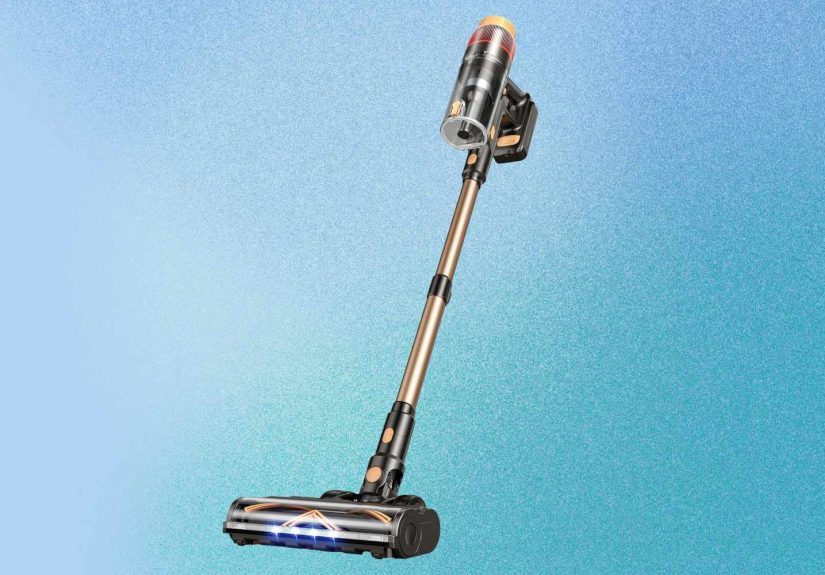
the Vbuoo Cordless Vacuum Cleaner, often discounted into that under-$100 sweet spot.
It’s the kind of vacuum that makes you do the classic online-shopping double-take:
“Wait… that’s the price for the whole thing? With a motorized head? And it stands up on its own?”
Let’s break down what shoppers say they love, what you should be skeptical about, and how to decide whether a
$90 cordless vacuum can actually replace (or at least seriously challenge) a Dyson in your real homecrumbs,
pet hair, and all.
Meet the $90 Dyson Alternative: What the Vbuoo Cordless Vacuum Promises
The Vbuoo is positioned as a lightweight, all-purpose cordless stick vacuum that can convert into a handheld.
Deal write-ups and product listings highlight a few attention-grabbers:
big suction claims, long runtime claims, and convenience features that usually
show up on pricier modelslike a swiveling floor head, attachments for tight spaces, and a design that
can stand upright without being propped against a wall like a broom with stage fright.
It’s also marketed as multi-surface friendlyhardwood, laminate, tile, and low-pile rugsplus above-floor jobs
like couches, baseboards, stairs, and car interiors once you switch to handheld mode.
In other words: it’s aiming for “whole-home helper,” not “tiny apartment backup.”
Why the price matters (and why it’s so tempting)
Premium cordless vacuums can climb into the several-hundred-dollar range fast. So a $90 option doesn’t just feel
cheaperit feels like an entire different category of decision. At that price, many people aren’t asking
“Will this be my vacuum for the next decade?” They’re asking:
“Will this save me from vacuuming becoming an Olympic event?”
Why Shoppers Say They Prefer It Over Dyson
When people rave about a budget cordless vacuum, the praise usually falls into a few predictable buckets:
it’s lighter, easier, and “good enough” that cleaning feels less annoying. In the case of the Vbuoo, the
shopper-love tends to focus on these themes:
-
Lightweight convenience: People don’t want a “full-body workout” just to clean cereal off the
floor. A lighter stick vacuum gets used more oftenbecause it’s not a whole production. -
Battery life that fits real life: Shoppers love when a cordless vacuum can handle several rooms
without dying mid-job. Even if you’re not deep-cleaning the entire house, you want “finish-the-kitchen” power. -
Self-standing design: Being able to pause without leaning the vacuum against furniture is a small
detail that feels huge in daily use. (It’s also one less way to scratch your wall.) -
Quick conversions and attachments: The ability to pop into handheld mode for stairs, upholstery,
and car seats is where cordless vacuums earn their keep. -
“Surprisingly strong” pickup: Many reviews emphasize that it handles everyday debriscrumbs, dust,
pet hairwithout needing multiple passes on hard floors.
The unspoken translation: for lots of homes, the daily mess is not a deep-pile-carpet apocalypse. It’s
“sand in the entryway,” “snack fallout,” and “why is there so much dog hair when the dog is right there.”
If a $90 cordless vacuum tackles those fast, it can feel more useful than a more powerful vacuum that you
avoid using because it’s heavier, fussier, or emotionally expensive.
The Reality Check: Where Dyson Still Wins (and It’s Not Even Personal)
Here’s the fairest way to think about it: Dyson is a premium brand because it tends to deliver premium
performance, engineering, and ecosystem support. A budget vacuum can be awesome without being a true
one-to-one match. Dyson often still has the edge in areas that matter most to certain homes.
1) Deep-clean performance on thicker carpet
If you have lots of carpetespecially thicker carpetpremium cordless models often do a better job lifting
embedded grit and fine dust, not just surface crumbs. Budget sticks can be great on hard floors, but carpet
is where many “affordable miracles” start to show their limits.
2) Filtration you can trust (especially for allergies)
Many vacuums advertise impressive filtration, but the details matter. True HEPA filtration and a well-sealed
system are especially important if your household deals with allergies, asthma, or heavy pet dander.
Some products use vague language like “HEPA-style” or “high-efficiency,” which can mean almost anything.
3) Long-term durability, parts, and support
The less glamorous part of vacuum ownership is what happens after the honeymoon phase:
replacing filters, finding a new brush roll, getting a battery that still holds a charge, and not feeling like
your vacuum becomes a disposable gadget.
Premium brands often have an advantage in replacement parts availability and long-term support.
4) Smarter design details that reduce frustration
Dyson and other premium competitors tend to sweat the small stuff: airflow pathways, bin emptying that’s less
messy, better anti-tangle solutions, and attachments that feel like they were designed by someone who has
actually vacuumed a staircase before.
None of that means a $90 vacuum is a bad idea. It just means your expectations should match your home.
If you want a vacuum that can handle a “clean the whole house before guests arrive” sprint on mixed surfaces,
a budget model can absolutely deliverespecially if most of your flooring is hard surfaces.
If you need “replace my upright vacuum forever,” be a little pickier.
How to Shop Smart for a Budget Cordless Vacuum (So You Don’t Get Catfished by Specs)
Cordless vacuum listings can feel like a math class you didn’t sign up for:
Pa, kPa, watts, air watts, runtime, brushless motors, cyclone stages, filters, screens, lights.
Here’s what actually mattersespecially when you’re shopping under $100.
Suction numbers: treat them like “estimated driving range”
High suction claims can be real, exaggerated, or measured in ways that don’t translate to your floors.
Two vacuums can brag similarly but perform differently due to airflow design and sealing.
Use suction numbers as a rough signal, not a guarantee.
The more helpful proof is consistent user feedback about pickup on the surfaces you have.
Battery life: look for “useful runtime,” not “maximum possible runtime”
Many cordless vacuums hit their longest runtime only on the lowest power settingoften fine for hard floors,
less impressive on rugs. A realistic shopping mindset:
expect shorter runtime on max power and decide whether your home needs max power often.
Brush roll + pet hair: the anti-tangle story matters
If your home has long hair, pet hair, or both, you want a floor head and brush design that minimizes wrap.
Otherwise, you’re not buying a vacuumyou’re adopting a new hobby: “brush roll surgery.”
Filtration: “sealed” beats “fancy filter”
A high-quality filter is great, but if the vacuum isn’t well sealed, dust can leak back into the air.
For allergy-conscious homes, prioritize sealed systems and credible filtration language.
Dustbin size: small bins are fineif emptying isn’t awful
Cordless vacuums usually have smaller bins than uprights. That’s normal.
The question is whether the bin empties cleanly without dust puffing everywhere like a tiny glitter bomb
(except it’s dust, and dust does not spark joy).
Weight and ergonomics: the best vacuum is the one you’ll actually use
A slightly less powerful vacuum used daily often beats a powerful vacuum used once a month.
If a lightweight stick makes you do quick cleanups more often, that’s a real upgrade.
Who Should Buy the $90 Cordless Vacuum (and Who Should Keep Shopping)
This $90 cordless vacuum is a great fit if you:
- Have mostly hard floors with a few low-pile rugs.
- Want a quick “daily mess” vacuum for kitchens, entryways, and living areas.
- Need something lightweight for stairs, apartments, or multi-story homes.
- Want a second vacuum to complement a heavier upright or a robot vacuum.
- Have pets and want a fast way to stay ahead of fur tumbleweeds (especially on hard floors).
You may want a higher-end model if you:
- Have lots of thick carpet and need deep extraction.
- Prioritize top-tier filtration due to allergies/asthma and want strong “sealed system” confidence.
- Want long-term parts support and a brand ecosystem you can maintain for years.
- Expect one vacuum to handle everything, including heavy-duty weekly deep cleans.
How to Make a Budget Cordless Vacuum Perform Better (Simple Habits, Big Difference)
The best way to “upgrade” a budget vacuum is not buying a new vacuum. It’s using the one you have correctly.
These tips can noticeably improve pickup and extend lifespan:
1) Use the right power mode for the right job
Eco mode is great for hard floors and everyday crumbs. Boost mode is for rugs, entry mats, and the “why is there
soil inside my house” moments. If you run max power all the time, you’ll shrink runtime and stress the battery.
2) Clean the filter on schedule (set a reminder)
A clogged filter is like trying to breathe through a blanket. Suction drops, batteries work harder, and the
vacuum runs hotter. Follow the manual and let filters dry fully after washing.
3) Empty the bin before it’s packed tight
Waiting until the bin is stuffed can reduce airflow and performance. Empty more often, and do it slowly to keep
dust from puffing into the air.
4) Check the floor head for hair wrap and clogs
If your vacuum starts “feeling weaker,” the problem is often a brush roll jam or a clog in the wand,
not the motor magically giving up on life.
5) Don’t store the battery at 0% forever
If your model has a removable battery, keep it charged and avoid leaving it fully drained for long periods.
Recharge after cleaning so it’s ready for the next round.
If You Want a “Dyson Feel” Without Dyson Pricing: A Few Worthy Alternatives
The $90 vacuum conversation is fun, but if your budget can stretch a bit, you’ll find more established brands
with stronger testing track records. Several review outlets and testing teams consistently recommend mid-priced
cordless sticks that balance performance, usability, and support.
Look for these traits (more important than brand names)
- Solid hard-floor pickup without scattering debris.
- Reasonable carpet performance on medium-pile rugs.
- Good battery life in a normal mode, not just “Eco in a fairy tale.”
- Useful attachments you’ll actually use (crevice, dusting, mini motorized brush).
- Easy maintenance with filters and brush roll access that doesn’t require a PhD.
If you’re comparing options, consider whether you want the budget play (under $100) as a daily driver
or whether you’d rather spend closer to $150–$250 for a more proven model that may last longer and handle more.
Either approach can be smartdepending on your floors and your tolerance for maintenance.
Real-World Experiences: What It’s Like Switching From Dyson to a $90 Cordless Vacuum (500+ Words)
The most interesting part of the “$90 vacuum vs. Dyson” debate isn’t the spec sheetit’s how people actually use
these things in real homes. When shoppers say they “prefer” the budget vacuum, they’re often talking about
daily experience more than peak performance. Here are the patterns that show up again and again
in reviews and buyer stories, plus a few practical takeaways you can steal for your own cleaning routine.
Experience #1: The vacuum you grab wins.
Many Dyson owners admit something quietly hilarious: the premium vacuum sometimes feels “too nice” to haul out
for quick messes. Or it’s stored in a closet that requires moving three things to access it. Then a lightweight,
self-standing cordless stick shows up and suddenly the kitchen gets vacuumed after dinner like it’s normal.
Shoppers often describe this as the biggest upgrade: not “more suction,” but “I actually use it.”
Experience #2: Hard floors are where budget vacuums shine.
On hardwood, tile, laminate, and vinyl, a good-enough cordless stick can feel genuinely impressive.
People talk about grabbing it for breakfast crumbs, coffee grounds, kitty litter, or the invisible grit that
appears near entryways (especially if you have kids, pets, or shoes that have seen the outdoors).
On these surfaces, shoppers often report one-pass cleanup, and the convenience feels like magic.
Experience #3: Rugs are the moment of truth.
The biggest “reality check” tends to happen on thicker rugs or carpeted rooms. Some buyers still love the budget
vacuumbut they adjust expectations. They might use boost mode on rugs, do a slower pass, or accept that the
vacuum is more of a “daily hair and dust” solution than a deep-clean replacement for an upright.
A common setup is: budget cordless for daily mess + a deeper-clean vacuum (or a professional clean) occasionally.
Experience #4: Maintenance matters more at the budget level.
Shoppers who stay happy long-term usually do the simple maintenance steps: empty the bin before it’s packed,
clean the filter as recommended, and check the brush roll for hair wrap. People who skip maintenance often say
the vacuum “lost suction,” when the real villain is a clogged filter or a jammed head.
The good news: basic upkeep is fast. The bad news: you do have to do it.
Experience #5: The little features create big satisfaction.
LED lights on the floor head sound gimmickyuntil you vacuum in a hallway and suddenly see dust you didn’t know
existed. A vacuum that stands upright sounds like a minor detailuntil you pause to move a chair and realize you
didn’t have to lean the vacuum on your couch like it’s taking a nap. Attachments sound boringuntil you use a
crevice tool on baseboards and feel like you just discovered a hidden layer of your home.
The bottom line from real users: A $90 cordless vacuum can absolutely feel “better than Dyson”
for the way many people cleanquick pickups, daily fur patrol, and lightweight convenience.
But if your home demands deep carpet cleaning, top-tier filtration confidence, or long-term support, the budget
model is best viewed as a high-value helper rather than an eternal one-vacuum-to-rule-them-all.
The smartest buyers match the vacuum to their floorsand let the expensive models keep their crowns where they
genuinely deserve them.
Conclusion: The $90 Cordless Vacuum That’s Winning Hearts (and Floors)
The reason a $90 cordless vacuum can “beat” Dyson in shopper happiness is simple:
for many households, convenience is the feature. The Vbuoo’s appeal is that it’s lightweight,
flexible, and easy enough to use that cleaning happens more oftenwithout turning into a whole event.
If you mostly have hard floors, want fast everyday cleanup, and love the idea of a self-standing cordless stick
you can grab on impulse, this kind of budget vacuum can be a genuinely smart buyespecially when it’s priced
around $90. Just go in with eyes open about carpet performance, filtration claims, and long-term support.
In the end, the “best” vacuum is the one that fits your home and gets usedbecause dust does not leave on its
own, no matter how many times you glare at it.