Table of Contents >> Show >> Hide
- What Makes a Tree Swing “Original,” Anyway?
- The Original Tree Swing, the Brand: Old-School Fun with Grown-Up Craftsmanship
- Choosing the Right Tree: Your Swing’s “Foundation”
- Protecting the Tree While You Play
- Clearance Matters: The “Use Zone” Around a Swing
- Pick Your Style: From Classic Plank to Backyard Throne
- Rope, Straps, or Hardware: How the Swing Actually Hangs
- Kid-Friendly Doesn’t Mean Kid-Proof: Safety Habits That Actually Matter
- Maintenance and Weather: Make It Last for Years
- Customization: The Secret Sauce of “This Swing Is Ours”
- FAQ: The Questions Everyone Asks (Usually After They Buy the Rope)
- Conclusion: The “Original” Part Is the Feeling
- of Real-Life “Original Tree Swing” Moments
Every backyard has that one “main character” object: the fire pit everyone crowds around, the hammock that mysteriously becomes the most popular seat at every party, or the grill that makes you feel like a pitmaster even if you’re just heating hot dogs.
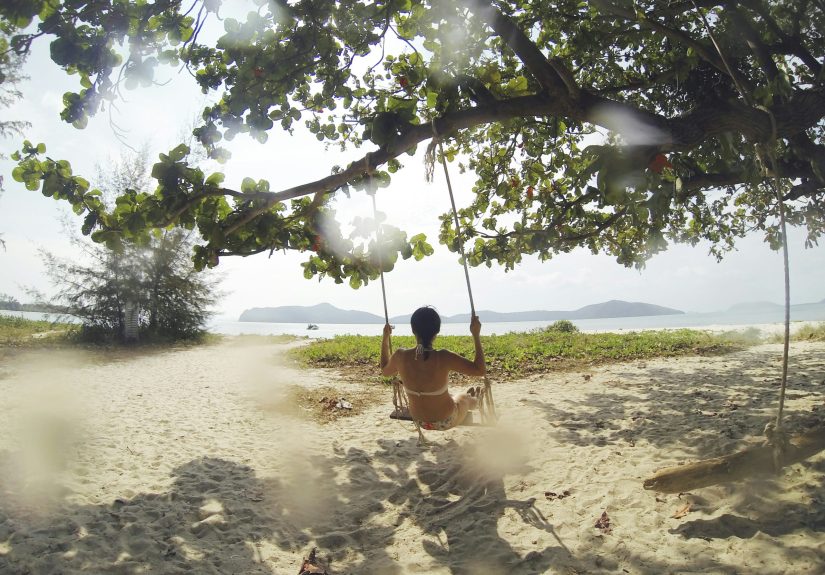
A tree swing is different. It doesn’t just sit in your yard. It changes your yard.
A good tree swing turns a patch of grass into a memory factory. It’s where kids learn bravery in small doses (“Push me higher!”), where adults pretend they’re “just testing it for safety,” and where neighbors suddenly remember how to wave hello like friendly humans instead of passing ships.
And when people say “the original tree swing,” they usually mean two things: the classic, simple rope-and-seat setupand the feeling it creates, the kind that sticks around long after you go inside.
What Makes a Tree Swing “Original,” Anyway?
The “original” tree swing isn’t a patent, a brand name, or a piece of furniture with an instruction manual that requires three engineering degrees and a motivational speech. It’s a concept: a sturdy seat, a dependable hang, and enough open air to make your brain go quiet for a minute.
The classic version is famously low-tech: a rope over a branch, a wooden board, and the kind of confidence kids naturally have before adulthood teaches them the phrase “risk assessment.”
The modern version keeps the nostalgiabut adds smarter materials, better hardware, and (thank goodness) fewer splinters.
The Original Tree Swing, the Brand: Old-School Fun with Grown-Up Craftsmanship
If you’ve ever searched for a wooden tree swing and noticed there’s an actual company called The Original Tree Swing, you’re not imagining it.
They position themselves around classic backyard funhandmade hardwood swings and related outdoor playplus options like custom engraving and hanging hardware guidance. In other words: the vibe is “timeless,” but the execution is “please don’t make me guess which bolts I need.”
The company describes itself as a small, family-owned business based in Minneapolis, founded in 2009, with a focus on reclaimed wood and mindful sourcing. Their shop story also talks about partnering with a local operation that repurposes trees cut down by the cityturning what could be waste into kiln-dried lumber for swings. That’s the kind of origin story that makes a swing feel like more than a plank on a ropeit’s a backyard heirloom with a second life built in.
Choosing the Right Tree: Your Swing’s “Foundation”
The swing is only as good as the tree holding it. That sounds obvious until you realize how many people look at a branch and think,
“Yep, seems branchy enough,” which is not a recognized structural engineering method.
A practical checklist for a safe tree swing spot
- Choose a mature, sturdy hardwood when possible (think oak or maple-style toughness).
- Pick a healthy branch with no cracks, obvious decay, or dead sections.
- Mind the branch diameter: a common rule of thumb is at least 8 inches in diameter for many backyard swing setups.
- Give the trunk some space: keep the swing location several feet away so the rider won’t collide with the tree during the arc.
Tree-care pros often emphasize that tree health matters as much as strength. A branch can look impressive and still be compromised by internal decay, pests, or weak attachment points.
If you’re unsure, asking a certified arborist is the outdoor equivalent of “measure twice, cut once”except with fewer splinters and more peace of mind.
Protecting the Tree While You Play
Here’s the part people forget: a tree swing can harm the tree if it’s installed like a medieval torture device for bark.
Rope rubbing directly on a limb over time can strip bark and open the tree up to stress, pests, and disease.
Two big tree-friendly upgrades help a lot:
- Use wide straps (or a protective sleeve) to spread the load and reduce abrasion. Wide contact points are generally kinder to bark than thin rope or chain.
-
Avoid “girdling”anything that stays tight around the branch as it grows. Trees don’t appreciate being slowly cinched like a belt after Thanksgiving dinner.
Plan to inspect and adjust periodically.
A smart rope setup can help, too. A loop method that’s snug under load but relaxes when not in use reduces friction and gives the tree room to grow.
It’s a small design detail with a big long-term payoff.
Clearance Matters: The “Use Zone” Around a Swing
Swings don’t just move back and forth. They create a “flight path,” and anything inside that path is basically volunteering to be bumped:
tree trunks, landscaping boulders, patio furniture, and that one garden gnome that looks judgmental.
Public playground guidance for swings uses a simple concept: give a swing a lot of open space in front and behind, and keep side clearance as well.
One widely used recommendation is that the area in front of and behind a single-axis swing extends twice the height of the pivot point (measured from directly beneath that pivot).
Side clearance recommendations often start with a minimum open zone as well.
Translating that to a backyard tree swing: if your suspension point is high, the swing’s “safety bubble” grows.
And whatever you do, don’t place a swing over hard surfaces or exposed rootsyour future self does not want that plot twist.
Pick Your Style: From Classic Plank to Backyard Throne
The most “original” seat style is the classic board swing, but today’s backyard swings come in several flavorseach with its own personality.
(Yes, even the disc swing has a personality. It’s “wheee!” and occasionally “why am I spinning?”)
Classic board swing
Simple, nostalgic, and surprisingly versatile. Great for kids, fine for adults, iconic in photos. Also the easiest to customize with shape, finish, and rope style.
Disc swing
A round seat that encourages spinning and feels like a tiny carnival ride in your yard.
It’s compact and looks cleanespecially when paired with a single suspension point and quality hardware.
Oval and nest swings
These are “hangout swings.” They’re less about pumping your legs and more about lounging, lying back, or fitting multiple kids who suddenly become best friends the moment there’s a shared seat involved.
Bench swings and “front yard charm”
A bench swing turns a tree into a destinationespecially in a front yard where you want curb appeal and a place to sit with coffee.
It’s also one of the most giftable styles (wedding gift, new-home gift, “congrats on having a yard” gift).
The Original Tree Swing sells multiple swing categorieslike bench swings, baby/toddler options, oval and disc stylesand emphasizes hardwood construction and add-ons like custom engraving.
If your goal is “classic, but nicer,” this is where the modern market has really evolved.
Rope, Straps, or Hardware: How the Swing Actually Hangs
The difference between a magical backyard swing and a sketchy backyard swing is usually the boring part: what’s holding it up.
Here are the main approaches, and what they’re best for.
1) Rope loop method (tree-friendly when done right)
A rope setup using a loop (like an eye splice) can reduce bark damage by limiting movement and friction when loaded, while relaxing when not in use.
Rope choice matters: look for weather-resistant rope and a diameter that feels substantial in the hand.
2) Tree straps (the “be kind to bark” option)
Straps spread pressure across a wider surface area, helping reduce long-term wear on the branch. They’re also convenient for adjusting height and position.
If you can access the straps, moving them occasionally can help the tree recover instead of wearing in one spot forever.
3) Bolts/hangers (strong, but think carefully)
Hardware anchored into a limb can be strong, but drilling creates a wound and can introduce long-term tree health considerations.
If you’re going this route, consult a pro and use corrosion-resistant hardware designed for outdoor load-bearing use.
Kid-Friendly Doesn’t Mean Kid-Proof: Safety Habits That Actually Matter
Home-play injuries happen more often than most people realize, and falls are a big reason. Swings also create unique hazards: moving impact and entanglement risks.
That doesn’t mean “no swings.” It means “smart swings.”
Safety rules that don’t ruin the fun
- Inspect regularly: check rope wear, strap fraying, hardware loosening, and wood cracking.
- Set a simple swing zone rule: no walking in front of a moving swing, no “let me just grab it real quick” hero moments.
- Keep cords and extra rope ends under control: loose ropes and cords can create entanglement hazards.
- Dress for the activity: avoid clothing items that can snag (especially drawstrings).
- Land soft: grass beats concrete every day of the week.
The best tree swing is the one you don’t have to worry about every time someone sits down. A little setup discipline buys a lot of relaxed enjoyment.
Maintenance and Weather: Make It Last for Years
Outdoors is tough on everything: wood, rope, metal, and your optimism.
If you want your swing to last:
- Check tension and contact points every few months.
- Replace rope or straps at the first signs of significant wear (don’t negotiate with fraying fibers).
- Refresh wood protection if the finish looks tiredespecially if the swing sits in full sun or heavy rain.
- Seasonal strategy: in harsh winters, consider taking the seat down to extend its lifespan.
Customization: The Secret Sauce of “This Swing Is Ours”
A tree swing becomes “the swing” when it carries meaning. Names, dates, small engravingsthose details turn a fun object into a keepsake.
The Original Tree Swing highlights custom engraving and has customer stories that read like a highlight reel: wedding gifts, grandkid surprises, and the classic “my kids now live outside” effect.
If you’re building your own, you can still borrow the idea: pick a wood that ages well, choose rope that feels good in the hands, and add one personal detailpaint color, carved initials, or even a brass tagso it feels like a family artifact, not a random backyard accessory.
FAQ: The Questions Everyone Asks (Usually After They Buy the Rope)
How high should a tree swing hang?
A common target is a seat height that’s easy for kids to mount safely, while still allowing a clean arc without dragging.
Many backyard guides land around “knee height for the main users,” and some tree-care sources cite roughly two feet off the ground as a practical ballpark for a traditional seat.
What branch diameter is “safe enough”?
Many homeowner-facing tree-care sources recommend a sturdy branch around 8 inches in diameter (or more), paired with a healthy, mature tree.
Other guides give slightly different minimums depending on swing type and load. When in doubt: go bigger, go healthier, and get expert eyes on it.
Are straps better than rope?
Straps are often gentler on bark because they distribute pressure. Rope can be great, too, especially with a setup that minimizes rubbing and avoids tightening around a growing limb.
The “best” answer depends on your branch height, swing style, and how easily you can inspect and adjust the setup.
Can adults use a tree swing?
Yesif the swing and branch are selected with adult loads in mind. Bench swings and sturdy hardwood seats can be adult-friendly, but the real limiter is the tree, the attachment method, and the safety zone.
(And your pride, when you realize swinging is more cardio than you remembered.)
Conclusion: The “Original” Part Is the Feeling
A tree swing is one of the rare backyard features that’s both simple and profound. It’s play, but it’s also calm. It’s childhood, but it’s also community.
Whether you build one from scratch or choose a handcrafted hardwood swing from a maker like The Original Tree Swing, the goal is the same:
create a safe, comfortable place that makes people want to step outside and stay a while.
Do it rightpick the right tree, protect the bark, give it room, and check it regularlyand your yard won’t just look nicer.
It’ll feel more alive.
of Real-Life “Original Tree Swing” Moments
The first time a new swing goes up, there’s always a tiny ceremonyeven if nobody calls it that. Someone holds the ladder, someone squints up at the branch like they’re negotiating with it, and someone inevitably says, “Are we sure this is the right knot?” Then the seat drops into place and suddenly everyone turns into a kid with an important appointment.
One of the best “original tree swing” moments is the driveway arrival: you pull in, see the swing hanging there, and your brain goes, “Oh. That’s going to be a thing now.” Kids beeline for it like it’s magnetic. Shoes may or may not survive the sprint. Within ten minutes, the swing has a nickname, a line, and a set of unofficial rules that were invented on the spot (“Only one spinner at a time!”).
Then there’s the adult test ride. It starts with confidencebecause you assembled it, so obviously you’re basically a backyard architect. You sit down carefully, pretending you’re evaluating safety, and push off with a dignified little glide. Two seconds later you’re grinning like you just got away with something. The kid watching you doesn’t say a word, but their face absolutely screams: “So you can have fun. Interesting.”
If the swing is a bench style, it becomes the unofficial family meeting room. You drink coffee there in the morning, you sit there in the evening when the sun is low, and somehow it turns into the best place for real conversations. A kid who won’t make eye contact at the dinner table will talk your ear off on a swingmaybe because looking forward feels easier than looking straight at a parent’s concerned face.
My favorite swing moment is the “neighbor effect.” People walking by slow down. They wave. Someone asks where you got it. Someone else tells you about the swing they had at their grandparents’ house. It’s like a nostalgia trap, but in a good way. The swing becomes proof that your yard isn’t just landscapingit’s lived-in, welcoming, and meant for joy.
And eventually, the swing becomes normaluntil it doesn’t. A visiting cousin tries it and screams like they discovered flight. A grandparent sits down and goes quiet, smiling in a way that says they’re somewhere else for a moment. A birthday party happens, and the swing is suddenly the star attraction, covered in giggles and sticky fingers. That’s the “original” part: not the rope or the wood, but the way a simple seat in the air can keep giving your family a reason to come outside and be together.