Table of Contents >> Show >> Hide
- What Makes This Lemon Drizzle Cake “Ultimate”?
- Ingredients
- Equipment
- Step-by-Step: The Ultimate Lemon Drizzle Cake Recipe
- Step 1: Prep your pan and oven
- Step 2: Make lemon sugar (tiny step, huge payoff)
- Step 3: Cream butter + lemon sugar
- Step 4: Add eggs, then flavor
- Step 5: Combine dry ingredients
- Step 6: Mix wet ingredients
- Step 7: Alternate additions (gentle is the vibe)
- Step 8: Bake
- Step 9: Make the lemon soak while it bakes
- Step 10: Soak the warm cake
- Step 11: Cool completely, then drizzle
- Pro Tips for a Perfect Loaf
- Variations (Because Your Lemon Era Has Range)
- Storage and Freezing
- FAQ
- Real-Kitchen Experiences: What Usually Happens (and How to Win Anyway)
- Conclusion
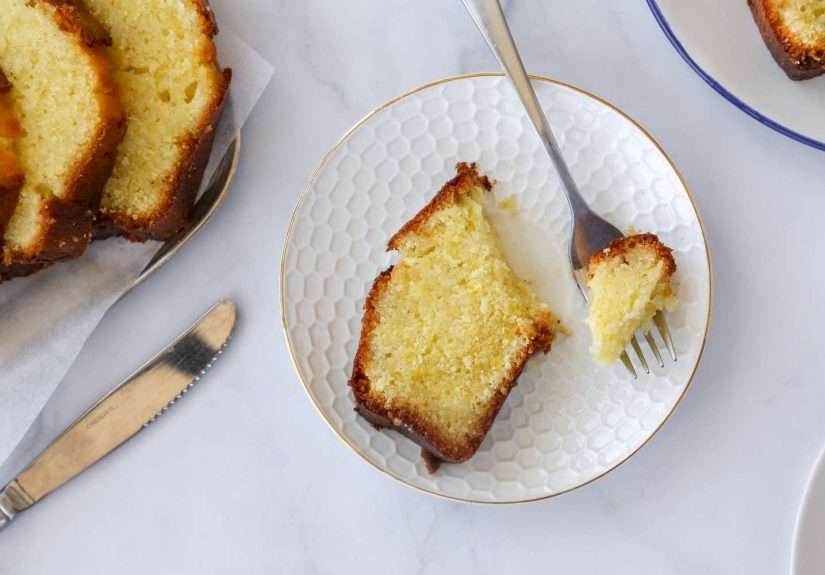
Lemon drizzle cake is the kind of dessert that makes people “just slice a tiny piece” and then immediately go back for a second “tiny piece,”
which somehow equals half the loaf. It’s bright, buttery, and unapologetically zippylike sunshine wearing a sweater.
This version is designed to be moist without being soggy, lemony without tasting like furniture polish,
and foolproof without being boring. You’ll get three layers of flavor: lemon zest in the batter, a warm lemon soak that sinks into
the crumb, and a glossy drizzle icing that sets on top like the world’s most delicious rainstorm.
What Makes This Lemon Drizzle Cake “Ultimate”?
1) Lemon flavor in three dimensions
Lemon juice gives tang, but most of lemon’s aroma lives in the zest. That’s why this recipe uses bothzest for fragrance, juice for brightness,
plus a lemon soak for that classic drizzle-cake magic.
2) A tender crumb that stays moist for days
Many lemon loaves lean “dry but optimistic.” We’re not doing that. A rich dairy ingredient (like sour cream or Greek yogurt) adds fat and acidity,
which helps keep the crumb soft and plush. (Your future self will thank you on Day 3.)
3) Drizzle that actually soakswithout turning the loaf into pudding
The soak goes on while the cake is warm, so it absorbs evenly. The icing goes on after the loaf cools, so it stays pretty and sets with a delicate crackle.
Timing matterslike comedy, or pulling a perfect grilled cheese.
Ingredients
For the cake (1 standard 9×5-inch loaf)
- 1 1/2 cups (300g) granulated sugar
- 2 tablespoons finely grated lemon zest (about 2 large lemons)
- 1/2 cup (113g) unsalted butter, softened
- 2 large eggs, room temperature
- 1 1/2 cups (190g) all-purpose flour
- 1 1/2 teaspoons baking powder
- 1/4 teaspoon baking soda
- 1/2 teaspoon kosher salt (or 1/4 tsp table salt)
- 1/2 cup (120g) sour cream or full-fat Greek yogurt, room temperature
- 1/4 cup (60ml) fresh lemon juice
- 1 teaspoon vanilla extract
- 2–3 tablespoons milk (only if needed to loosen batter)
For the warm lemon soak
- 1/3 cup (65g) granulated sugar
- 1/4 cup (60ml) fresh lemon juice
- Pinch of salt (optional, but highly recommended for flavor balance)
For the drizzle icing
- 1 cup (120g) confectioners’ sugar, sifted
- 1 1/2–2 1/2 tablespoons fresh lemon juice
- 1 teaspoon milk or heavy cream (optional, for a silkier icing)
- Optional garnish: extra zest, thin lemon ribbons, or poppy seeds
Equipment
- 9×5-inch loaf pan
- Parchment paper (for easy lifting)
- Microplane or fine grater (zest = flavor)
- Hand mixer or stand mixer (a whisk + strong feelings also works)
- Skewer or toothpick
- Small saucepan (for the soak)
Step-by-Step: The Ultimate Lemon Drizzle Cake Recipe
Step 1: Prep your pan and oven
Heat oven to 350°F. Grease a 9×5-inch loaf pan and line it with parchment, leaving overhang on the long sides for easy removal.
If your pan is dark metal, consider reducing to 325°F to prevent over-browning before the center is done.
Step 2: Make lemon sugar (tiny step, huge payoff)
In a large bowl, combine the granulated sugar and lemon zest. Rub them together with your fingertips for 30–45 seconds until the sugar feels slightly damp and fragrant.
Congratulationsyou just unlocked “lemon perfume” mode.
Step 3: Cream butter + lemon sugar
Add softened butter to the lemon sugar. Beat on medium speed for about 2–3 minutes until pale and fluffy.
This builds structure and helps the loaf rise evenly.
Step 4: Add eggs, then flavor
Beat in eggs one at a time, mixing until combined after each addition. Mix in vanilla. Scrape down the bowl.
(Scraping down is not glamorous, but neither is a pocket of unmixed butter pretending it’s a surprise.)
Step 5: Combine dry ingredients
In a separate bowl, whisk flour, baking powder, baking soda, and salt. This distributes leaveners so your loaf doesn’t rise like a lopsided mountain.
Step 6: Mix wet ingredients
In a small bowl, stir together sour cream (or yogurt) and lemon juice. It may look slightly curdledtotally normal and totally fine.
Step 7: Alternate additions (gentle is the vibe)
Add the dry ingredients to the butter mixture in two additions, alternating with the sour cream mixture.
Mix on low and stop as soon as you no longer see dry flour. If batter looks very thick, add milk 1 tablespoon at a time
just until it drops off a spoon in a slow, thick ribbon.
Step 8: Bake
Spread batter into the prepared pan and smooth the top. Bake 50–65 minutes, until a toothpick inserted in the center comes out clean
or with a few moist crumbs (not wet batter). If the top browns too quickly, tent loosely with foil during the last 15 minutes.
Step 9: Make the lemon soak while it bakes
In a small saucepan, warm the sugar and lemon juice over low heat just until the sugar dissolves. Don’t boil aggressivelythink “hot lemonade,” not “candy making.”
Stir in a pinch of salt if using.
Step 10: Soak the warm cake
Let the cake cool in the pan for 10 minutes. Then poke holes all over the top with a skewer (about 30–40 pokesdon’t be shy).
Slowly spoon the warm lemon soak over the top, letting it absorb between pours.
Step 11: Cool completely, then drizzle
Cool the cake fully (this helps the structure set and keeps icing from melting). Lift the loaf out using parchment.
Whisk confectioners’ sugar with lemon juice until thick but pourable. Add a tiny splash of milk/cream if you want it silkier.
Drizzle over the top and let set for 15–20 minutes.
Pro Tips for a Perfect Loaf
Keep it tender: don’t overmix
Once flour goes in, overmixing develops gluten, which can make the crumb tough and tight. Mix just until combined.
Don’t open the oven early
Opening the door repeatedly drops heat and can contribute to sinking. Give it at least 40–45 minutes before you start checking.
Measure like you mean it
Too much flour is the #1 reason lemon loaf turns dry. If possible, use a kitchen scaleor at least spoon flour into the measuring cup and level it off.
Want even more lemon?
Add 1/2 teaspoon lemon extract to the batter (optional). It boosts lemon flavor without adding extra liquid.
Keep it smallextract is powerful.
Variations (Because Your Lemon Era Has Range)
Lemon poppy seed drizzle cake
Add 1 1/2 tablespoons poppy seeds to the dry ingredients. It’s brunch-friendly and very “I own a linen napkin.”
Glazed lemon yogurt loaf
Use full-fat Greek yogurt instead of sour cream for a slightly lighter tang. The texture stays moist and tender.
Mini loaves or muffins
Divide batter into mini loaf pans (reduce bake time to ~25–35 minutes) or muffins (about 18–22 minutes).
Still do the soakjust scale it down and spoon carefully.
Storage and Freezing
Store at room temperature, tightly covered, for 3–4 days. For longer storage, wrap slices and freeze up to 2–3 months.
Thaw at room temperature. (Pro move: freeze slices individually so you can “accidentally” eat cake whenever you want.)
FAQ
Can I use bottled lemon juice?
Fresh is best for brightness, but bottled works in a pinchespecially for the soak and icing. Still use fresh zest if you can.
Why did my loaf sink in the middle?
Common causes: underbaking, opening the oven door too early, expired leaveners, or overmixing. Also, if the outside sets too fast (often with dark pans),
lowering the temperature can help the center bake through before the edges overcook.
Do I have to poke holes?
For a true drizzle cake, yesholes help the lemon soak move past the crust and into the crumb. If you prefer a lighter touch, poke fewer holes and use less soak.
Real-Kitchen Experiences: What Usually Happens (and How to Win Anyway)
If you’ve ever made a lemon drizzle cake and thought, “Why does mine taste good but look like it fought a small war?”welcome to the club. Lemon loaves are
famously dramatic: they crack, they dome, they sometimes lean like they’re posing for a wind machine. The good news is that most “issues” are actually normal,
and many of them make the cake taste better.
First, the crack on top. That split down the center isn’t a failureit’s a feature. Dense, buttery batters often crack as the top sets and the inside continues
rising. If the crack bothers you, you can smooth the batter more evenly and keep oven temperature steady, but honestly? The crack is where drizzle pools,
and drizzle pooling is basically the point.
Next, the soak anxiety: people worry the cake will turn soggy. What usually causes sogginess isn’t the concept of soakingit’s pouring too much liquid too fast,
or soaking a cake that’s underbaked in the center. The “win” is to dissolve sugar into lemon juice (so it’s a syrup, not just sour liquid), then spoon it on
gradually while the cake is warm. You’ll see it disappear into the crumb. If it starts puddling, pause for 30 seconds and let the loaf catch up.
Think of it like watering a plant: slow, steady, and not all at once like you’re putting out a fire.
Another very real experience: the glaze that vanishes. You drizzle icing on a slightly warm cake, walk away feeling proud, and come back to discover the glaze
has melted into invisibility like a magician’s trick. That’s why this recipe cools the loaf completely before icing. When the cake is cool, the icing sits on top,
sets nicely, and gives you that bakery-style finish. If you’re in a hurry, cool the loaf on a rack near a window or for 20 minutes, then pop it in the fridge
for 15 minutesjust long enough to stop the icing from melting.
Finally, there’s the “lemon flavor roulette” problem: some lemons are bold and fragrant, others are… politely citrusy. A common real-world workaround is to rely on
zest (for aroma) and use the soak (for consistent punch). If you want an extra-reliable lemon pop, a small amount of lemon extract can be your secret weapon.
It’s not cheating; it’s strategic. Like bringing an umbrella when the forecast says “maybe.”
The biggest takeaway from real kitchens: lemon drizzle cake rewards calm, simple techniques. Room-temperature ingredients help the batter mix smoothly.
Gentle mixing keeps the crumb tender. Steady heat bakes it evenly. And patient timingsoak warm, glaze coolcreates the contrast that makes drizzle cake iconic.
Once you bake it a couple of times, you’ll start customizing it without fear: a handful of poppy seeds, a thicker icing, a little extra zest rubbed into sugar.
That’s when the recipe stops being “a cake you make” and becomes “your lemon cake.” Which is dangerously powerful knowledge.
Conclusion
The ultimate lemon drizzle cake is all about balance: fragrant zest, bright juice, a moist crumb, and a sweet-tart finish that makes your taste buds do a little
happy dance. Follow the timing (soak warm, glaze cool), mix gently, and let lemon be the star. Then slice, serve, and accept compliments graciouslylike it’s hard work being this iconic.