Table of Contents >> Show >> Hide
- Jimmy Kimmel’s Retirement Tease: Not a Bit, But Also Kind of a Bit
- The 2023 Writers Strike: The Shutdown That Rewired Late Night
- How the Strike “Robbed” Us of Retirement: The Paradox of Missing Your Job
- Enter “Strike Force Five”: When Late-Night Became Group Therapy (With Ad Reads)
- The Return: Late Night Comes Back Loud (and a Little Emotional)
- The Contract Reality: Quiet Quitting, Loud Extensions
- So What Did the Strike “Rob” Us Of, Exactly?
- What This Says About Late Night Now
- Experiences That Fit the Moment: What the Strike Felt Like (and Why It Shifted the Conversation)
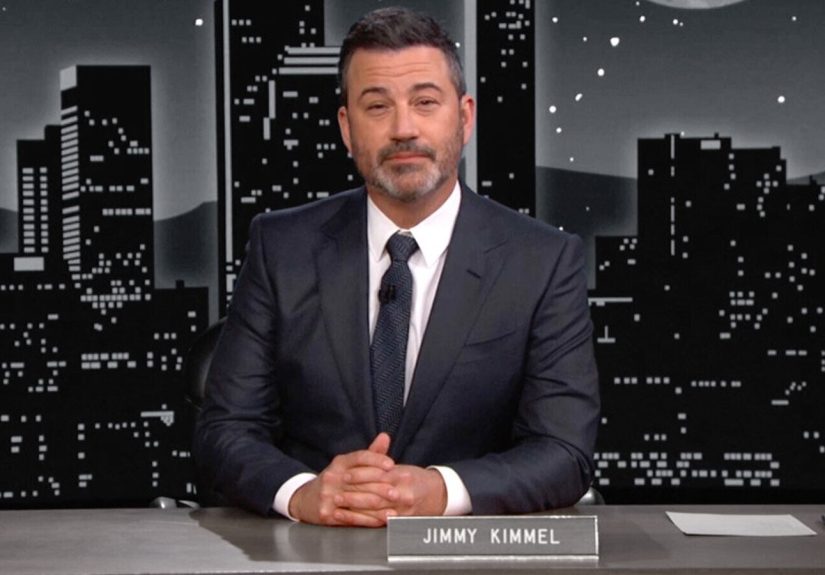
For a brief, shimmering moment, it looked like late-night TV might finally deliver the kind of plot twist you only get from a long-running sitcom: the main character actually leaves. Jimmy Kimmelhost, ringmaster, professional monologue sprinterhad been openly flirting with the idea of calling it quits. Not “I’m taking a long weekend” quitting. Real quitting. Retirement quitting. The “I’m going to learn to cook things that don’t come with a network logo” kind of quitting.
Then the 2023 Writers Guild of America strike arrived like a perfectly timed commercial break, except the commercial was five months long and America couldn’t skip it. Late-night went dark. The machine stopped. And in the weird silencesomewhere between picket lines, contract fine print, and a podcast featuring five hosts talking over each other like a group chat that became sentientKimmel’s “maybe I’m done” energy got… complicated.
So yes: there’s a case to be made that the writers strike robbed us of Jimmy Kimmel’s early retirement. Not because labor action is a villain (it’s not), but because the strike changed the emotional math of late-night. It reminded everyone what the job actually is: a team sport held together by writers, crew, rhythm, routine, and the kind of daily alchemy that only becomes visible when it disappears.
Jimmy Kimmel’s Retirement Tease: Not a Bit, But Also Kind of a Bit
If you’ve watched late-night long enough, you know the retirement tease is a genre. Hosts mention it the way people mention “moving to the countryside” during rush hour trafficpart fantasy, part threat, part coping mechanism.
Kimmel’s version has been unusually consistent: he has admitted he thinks about leaving, he’s talked about wanting time for hobbies, and he’s suggested his current contract could be the last one. The tone is often jokey, but the sentiment has weight. After two decades of producing a nightly show, “I’m tired” stops being a punchline and starts being a résumé bullet point.
Why the talk felt real
Three reasons made Kimmel’s retirement chatter feel less like a late-night trope and more like a genuine fork in the road:
- Time served: He’s been in the chair since 2003an eternity in TV years and roughly 14,000 monologues in human years.
- Contract clarity: His deals have had visible endpoints, which makes “final contract” talk plausible instead of purely hypothetical.
- Burnout honesty: Kimmel has been more candid than most about how grinding the schedule isespecially during big-event stretches like awards season.
And then he extended anyway, because late-night contracts are the show-business equivalent of “Just one more episode” at 1:00 a.m.
The 2023 Writers Strike: The Shutdown That Rewired Late Night
The 2023 WGA strike didn’t just pause scripted TV. It hit late-night first and hardest, because network talk shows run on writers the way planes run on fuel: you can technically sit in the cockpit without it, but you’re not taking off.
When the strike began in early May 2023, the major late-night shows went into reruns immediately. Studios and networks didn’t “pivot”; they powered down. The entire nightly ecosystemmonologue writing, topical jokes, desk pieces, bits, pre-tapes, punch-upswas suddenly off-limits unless you wanted to cross a line your audience could spot from space.
What viewers actually lost
People describe the strike like it was a content drought. But for many fans, it felt more like losing a daily ritual:
- The comforting “here’s what happened today” opening monologue
- The sense that someone else was also awake, processing the chaos in real time
- The steady rhythm of show business, even when the news was not exactly cooperating
Late-night isn’t just jokesit’s cadence. The strike removed the cadence. And that absence, ironically, helped remind hosts what they’d built.
How the Strike “Robbed” Us of Retirement: The Paradox of Missing Your Job
Here’s the twist: the strike created spacetime away from the daily treadmill. That should have nudged a retirement-minded host closer to the exit, right?
Instead, Kimmel described the opposite: that he’d been intent on retiring, but the strike and everything around it shifted his perspective. When the normal routine breaks, you stop taking it for granted. You remember which parts are drudgery and which parts are weirdly… fun. Even the exhausting pieces can look different when you’re forced to step back.
This is where the “robbed us” framing gets cheeky but meaningful. The strike didn’t “force” Kimmel to stay. It simply changed the conditions under which he was evaluating whether to leave. It turned late-night from a treadmill into something closer to a choice againand choices can be seductive.
Retirement fantasy vs. retirement reality
It’s easy to imagine retirement as a highlight reel: more family time, fewer meetings, hobbies that don’t require a live audience. But the strike offered a preview of a different reality: the sudden absence of a team, a craft, and a shared daily mission.
And for someone who thrives on live energy and the constant churn of topical comedy, the silence can feel less like vacation and more like your phone not ringing.
Enter “Strike Force Five”: When Late-Night Became Group Therapy (With Ad Reads)
During the strike, Kimmel joined fellow hosts Stephen Colbert, Jimmy Fallon, Seth Meyers, and John Oliver on a podcast called Strike Force Five. The premise was simple and slightly unhinged: five late-night competitors talking together, raising money for staff affected by the shutdown, and proving that even famous TV hosts can’t resist forming a group chat when the office is closed.
Comedically, it was a gift. Structurally, it was revealing. Late-night is usually presented as a single charismatic host driving the whole car. The podcast exposed the truth: the car has a lot of parts, and when writers and crew aren’t working, the entire vehicle is parked.
This matters for the retirement story because it reframed the job. It wasn’t just “my show” anymore; it was “our ecosystem.” And when you’re reminded of the ecosystemespecially when it’s hurtingyou don’t evaluate your next move the same way.
The Return: Late Night Comes Back Loud (and a Little Emotional)
When the WGA strike ended and writers returned, late-night was among the first formats to resume production. The first week back had a “first day of school” vibe: thunderous applause, extra-long monologues, and hosts visibly relieved to be doing the thing againlike musicians getting their instruments back.
Kimmel returned with a longer, more reflective monologue than usual, addressing the strike and welcoming his audience back. The jokes were there, but so was gratitudethe kind that doesn’t land unless you’ve stared at a shutdown calendar long enough to memorize it.
Why the comeback mattered for the retirement narrative
- Momentum returned: The show wasn’t just back on; it felt newly alive.
- Purpose sharpened: Labor fights clarify what’s essentialwriters, protections, and fair terms for the work.
- The “last contract” timeline got fuzzier: When something is re-energized, deadlines feel negotiable.
And in TV, “negotiable” is a dangerously powerful word.
The Contract Reality: Quiet Quitting, Loud Extensions
Kimmel signed a multi-year extension in 2022 that carried him into the 2025–26 season, and he joked about “quiet quitting” as if the job could be done on airplane mode. The retirement chatter didn’t stop, though; it evolved into a running theme: he might be done after this, he thinks. Maybe. Probably. Unless…
In early 2024, he again suggested his current deal could be his lastan honest-sounding line that still carried the “I’ve said this before” self-awareness. Then, later, he extended again, keeping the show going into 2027. That’s not early retirement. That’s a renewed lease.
To be clear: extending a contract doesn’t mean retirement was fake. It means the decision is complicated. It means the job can feel exhausting and meaningful in the same week. It also means ABC likes the stability of a familiar host in a late-night landscape that has been shrinking, fragmenting, and streaming itself into a thousand clips.
So What Did the Strike “Rob” Us Of, Exactly?
Not labor gains. Those were the pointand they mattered. Writers sought improvements in pay, streaming residual structures, minimum staffing, and guardrails around AI, among other issues. The strike ended with a deal that included meaningful changes, including protections and new terms that reflected how the business has shifted.
What the strike arguably “robbed” the culture of was a specific alternate timeline: the one where Kimmelalready leaning retirementexperienced a normal year of late-night burnout and decided, “Yep, I’m out.” Instead, the strike interrupted the burnout cycle, replaced it with reflection, and reintroduced a sense of purpose and community.
In other words: the strike may have prevented the exact emotional conditions that produce a clean, decisive exit.
It also robbed us of the funniest possible farewell
Imagine Kimmel retiring early in the most Kimmel way:
- A farewell week that pretends it isn’t a farewell week
- A monologue where he “accidentally” announces retirement three times and takes it back twice
- A final episode that ends with, “See you tomorrow,” just to mess with everyone
The strike didn’t erase that possibility forever, but it delayed itand delays are how late-night careers become legends.
What This Says About Late Night Now
The Kimmel retirement saga is also a story about the era. Late-night TV is no longer the default “watercooler” it once was. Clips travel faster than episodes. Younger audiences sample hosts the way they sample music: a little here, a little there, mostly on phones, rarely at 11:35 p.m.
In that environment, the value of a stable host becomes partly symbolic. Networks want recognizable brands. Audiences want familiarity. And hostsespecially ones who’ve been doing it foreverwant proof their work still matters.
The writers strike, ironically, provided that proof. When late-night vanished, people noticed. When it returned, it felt like a reunion. That kind of renewed relevance can keep a host in the chair longer than they expected.
Experiences That Fit the Moment: What the Strike Felt Like (and Why It Shifted the Conversation)
Even if you weren’t on a picket line or inside a writers’ room, the 2023 shutdown created a strangely shared experience for anyone who follows entertainment. The first feeling was disbelief: surely the shows would find a workaround, right? Then came acceptance: no, this is what a real labor stoppage looks likequiet, stubborn, and structurally unavoidable. Late-night didn’t fade out gradually; it snapped off, like someone yanked the power cord out of the wall.
For regular viewers, the most noticeable change wasn’t “less comedy.” It was less rhythm. A lot of people use late-night the way they use a nightly walk: not because it fixes everything, but because it helps you metabolize the day. Without new monologues, the news didn’t feel funnier; it felt louder. Social media tried to fill the gap, but scrolling isn’t the same as a crafted joke that lands on a beat, delivered by someone who’s been doing the cadence for twenty years.
And then there was the odd emotional whiplash of watching hosts show up in different formsinterviews, social posts, and especially that podcast energy where famous people sound less like “brands” and more like coworkers. Strike Force Five felt like overhearing a backstage hallway conversation: competitive, supportive, gossipy, sincere, and occasionally chaotic in the way that only happens when everyone is a little nervous about the industry’s future. It wasn’t polished late-night. It was late-night without the suit jacketstill funny, but more human.
That “more human” vibe is part of why the Kimmel retirement idea got so interesting during the strike. Retirement talk usually happens on-air, wrapped in jokes, delivered at a safe distance. The strike stripped away the show format and left the underlying question exposed: what happens when the machine stops? You start noticing the people who make the machine run. You start thinking about crew members who can’t just pivot to a new gig overnight. You start understanding why “the show must go on” is both a cliché and a paycheck reality for hundreds of workers you never see.
For fans, the return week carried a real sense of “we’re back,” like the first day a familiar café reopens after renovations. The applause sounded differentlonger, more grateful, slightly emotional. Hosts looked energized in that specific way people look when they’ve been away from something they complain about daily… and then realize they miss it. That doesn’t mean anyone forgot the stress. It means the strike clarified what the job gives back: community, craft, routine, and an oddly powerful feeling that you’re doing something live with other humans at the same time, even if it’s through a screen.
So when people joke that the strike “robbed us” of Kimmel’s early retirement, it lands because it captures a recognizable truth: sometimes the thing that interrupts your burnout also interrupts your exit plan. The strike didn’t create a fairy-tale ending. It created a reset. And resets can keep you in the gameespecially when you come back and realize the chair still fits.