Table of Contents >> Show >> Hide
- Why Gardening Can Leave Your Back Feeling Wrecked
- What a $35 Massager Actually Does
- Why This Kind of Massager Works So Well After Gardening
- How I Use a Budget Massager Safely After a Day in the Yard
- What I Look for in a Good $35 Back Massager
- What Helps Besides the Massager
- When a Cheap Massager Is Not Enough
- My Experience: The 500-Word Truth About Gardening, Back Pain, and a $35 Massager
- Final Thoughts
Note: This article is for general educational purposes only. It is not a substitute for medical care. If your back pain comes with numbness, weakness, fever, or new bowel or bladder changes, skip the gadget talk and call a healthcare professional.
Gardening is supposed to be relaxing. In theory, you stroll outside, admire your tomatoes, fluff a little mulch, and come back in feeling like a woodland fairy with great taste in perennials. In reality, many of us end the day walking into the kitchen like we just lost a wrestling match with a raised bed.
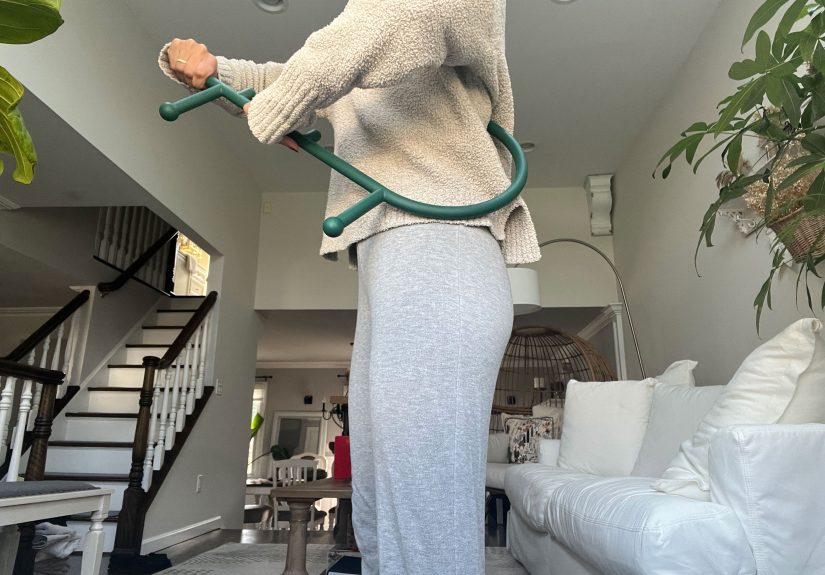
That is exactly why a budget-friendly handheld massager has become one of my favorite post-gardening tools. Mine sits right around the $35 mark, which puts it firmly in the “impulse buy with a practical excuse” category. It is not fancy, does not whisper affirmations, and definitely will not replace physical therapy or good body mechanics. But after weeding, hauling pots, trimming hedges, and spending too much time bent over like a question mark, it can make my back feel noticeably less cranky.
If you have ever stood up after planting marigolds and felt your lower back issue a strongly worded complaint, this article is for you. Here is what a budget massager can realistically do, why gardening tends to irritate the back in the first place, how to use one safely, and what else helps when your post-yardwork soreness starts acting like it pays rent.
Why Gardening Can Leave Your Back Feeling Wrecked
Gardening looks gentle from a distance, but your spine knows the truth. Yard work often combines the exact motions that tend to annoy the low back: repetitive bending, twisting, lifting, squatting, reaching, and staying in awkward positions too long. Even when the job seems light, the cumulative load adds up fast.
Think about a typical weekend in the yard. You kneel to pull weeds, stand to carry a watering can, twist to dump a bag of soil, lean forward to edge the border, then crouch again to plant herbs. None of those movements is necessarily dramatic on its own. Together, though, they can leave the muscles around your spine overworked and tight. Add a little enthusiasm, a little dehydration, and one suspiciously heavy ceramic pot, and suddenly your lower back is sending you a memo.
Another sneaky problem is static posture. Staying bent over for long stretches can be just as irritating as lifting something heavy. Your back tends to tolerate movement better than being trapped in one position forever. That is why gardening can feel fine while you are “in the zone,” then hit you the moment you straighten up and realize your body has started charging late fees.
What a $35 Massager Actually Does
Let us be realistic: a $35 handheld massager is not a miracle machine. It is not going to cure chronic back pain, reverse a disc problem, or turn you into someone who can repot hydrangeas for six hours with zero consequences. What it can do is provide convenient, at-home relief for muscle tightness and soreness, especially when the discomfort is linked to overuse and tension rather than a serious medical condition.
Most budget models in this price range are simple percussion massagers or handheld vibrational devices. They apply repeated pressure to the soft tissues, which can help relax tight muscles, improve your sense of mobility, and create a short-term reduction in soreness. That is the sweet spot. It is less “instant medical transformation” and more “my back finally stopped acting like a grumpy old landlord.”
Why the relief feels real
When your back muscles are tight, they often feel guarded, stiff, and achy. Massage can help by creating a soothing mechanical stimulus that encourages those muscles to loosen up. Many people also find that massage improves circulation to the area, decreases that wound-up feeling, and makes stretching easier afterward. In plain English: the massager helps convince your back to unclench.
That said, short-term relief is the keyword. Massage is best viewed as one part of a bigger recovery strategy. It is most useful when combined with smart movement, breaks during gardening, heat, gentle stretching, and not pretending you are still twenty when lifting a bag of compost.
What it does not do
A massager is not a replacement for diagnosis. If your pain shoots down your leg, causes weakness, comes with tingling, wakes you up at night, or keeps escalating, the right move is not “higher speed setting.” The right move is getting checked out. Also, if pressing on an area sharply worsens the pain, that is your sign to back off rather than power through like you are auditioning for a gardening-themed action movie.
Why This Kind of Massager Works So Well After Gardening
What makes a budget massager especially useful after gardening is convenience. A professional massage is lovely, but it is also expensive and not always available the exact moment your back locks up after a heroic but unnecessary attempt to reorganize every planter on the patio.
A small handheld device, on the other hand, can be used in ten-minute bursts right when you need it. That matters. The sooner I address that “everything feels tight and annoyed” stage, the better I tend to move afterward. The device is also easy to aim around the low back, glutes, and upper hips, which is helpful because those surrounding muscles often contribute to the “my back hurts” feeling.
I also like that a modestly priced massager lowers the barrier to consistency. You are more likely to use a tool that is sitting in a drawer than schedule an elaborate recovery plan every time you spend the morning deadheading roses and the afternoon pretending one more bag of mulch will not matter.
How I Use a Budget Massager Safely After a Day in the Yard
My rule is simple: use it like a recovery tool, not a punishment device. More force is not always better. If you go too hard, you can irritate already sensitive tissue and end up feeling worse.
1. I start with five to 10 minutes, not a full documentary-length session
A short session is usually enough to tell whether the area responds well. I move the massager slowly over the muscles around the sore zone instead of jamming it directly into the spine.
2. I focus on muscles, not bones
That means the paraspinal muscles beside the spine, the glutes, the upper hips, and sometimes the hamstrings if my whole backside feels tight. I avoid pressing directly over the bony spine, ribs, or any spot that feels sharp, inflamed, or suspicious.
3. I keep the intensity moderate
If your face looks like you are doing emergency algebra, the setting is too high. The goal is relief, not revenge.
4. I follow with gentle movement
This is the part people skip. After using the massager, I walk around, do a few easy standing stretches, or lie down for a gentle knees-to-chest variation if that feels good. The combination usually works better than massage alone.
5. I do not use it on red-flag pain
If the pain feels electric, severe, numb, unstable, or is linked to trauma, I do not treat it like ordinary post-gardening soreness. That is a different conversation.
What I Look for in a Good $35 Back Massager
At this price, expectations should be sensible. You are shopping for helpful, not heirloom. Still, a few features matter.
Lightweight design
If the tool is too heavy, your shoulder and wrist may stage a protest before your back gets any relief. A lighter device is easier to maneuver, especially if you are reaching around to your lower back.
Comfortable grip
Gardening can already leave your hands tired. A slippery handle is the kind of nonsense no one needs after hauling terracotta pots.
Simple controls
After a long day outside, I want one power button and maybe a couple of speed settings. I do not need a user interface that feels like it belongs on a small submarine.
At least one soft attachment
If it is a percussion model, a softer head can feel gentler on sore muscles. Deep tissue is great until it stops being charming.
Reasonable battery life
You do not need elite-athlete specs, but it should last through several short recovery sessions without dying dramatically when your lower back finally decided to cooperate.
What Helps Besides the Massager
A massager works best when it is part of a broader plan to keep gardening fun instead of turning it into an orthopedic subplot.
Warm up before gardening
A few minutes of easy movement before you start can make a difference. Walk around the yard, loosen your shoulders, hinge at the hips a few times, and wake up your legs before you start lifting bags of soil like you are starring in a very niche fitness video.
Change positions often
Switch between kneeling, sitting, squatting, and standing. Your back usually prefers variety over marathon stooping.
Use tools that bring the work closer to you
Long-handled tools, kneelers, lightweight hoses, rolling carts, and raised beds are not signs of weakness. They are signs that you enjoy walking upright.
Take breaks before your body demands them
One of the smartest habits is stopping every 20 to 30 minutes to stand tall, stretch, or walk a bit. It sounds boring. It also works.
Stay active afterward
When back pain flares, total bed rest is usually not the hero of the story. Gentle movement often helps more than freezing in place all evening like a lawn statue with trust issues.
Use heat when appropriate
For ordinary muscular tightness, warmth can be comforting. A heating pad after the massager can feel especially good when your lower back is stiff rather than acutely injured.
When a Cheap Massager Is Not Enough
There is a difference between “I overdid it in the garden” and “something is not right.” If your back pain lasts more than a few weeks, gets worse instead of better, or keeps returning hard after simple yard tasks, it is worth seeing a clinician. The same goes for pain that radiates down the leg, causes numbness or weakness, or shows up with fever, unexplained weight loss, or new bowel or bladder changes.
That may sound dramatic, but back pain has a wide range of causes. Many episodes are muscular and improve with time, movement, and conservative care. Some are not. A handheld gadget is a nice helper, not a diagnostic strategy.
My Experience: The 500-Word Truth About Gardening, Back Pain, and a $35 Massager
The moment I realized I needed a better recovery routine was after what I told myself would be “just a quick hour in the yard.” That sentence, as every gardener knows, is fiction. One hour became nearly four. I pulled weeds, shifted containers, spread fresh soil, trimmed an overgrown shrub that had clearly developed a personality problem, and watered everything in sight because once you are already outside, apparently every plant deserves a little extra attention.
By the time I came in, I felt fine-ish. That should have been my first clue. Post-gardening back pain is sneaky. It waits until you sit down, relax for seven minutes, and then try to stand back up. Suddenly, your lower back behaves like it was not included in the planning process. That was me: one hand on the counter, one hand on my dignity, moving across the kitchen like I had aged twenty years between the basil and the begonias.
I did the usual things first. I walked around a little. I stretched. I promised myself I would absolutely use better body mechanics next time, the same way people promise they will only watch one episode and then greet the sunrise with dry eyes and regret. The stiffness eased a bit, but not enough. That was when I reached for the little budget massager I had bought on a whim because the price was low enough to feel noncommittal.
I expected it to be mildly helpful. What I did not expect was how much difference a short, targeted session would make in the way my back felt afterward. I used it gently around the muscles beside my lower spine, then over my glutes and upper hips where I tend to hold a lot of tension. Within minutes, the area felt less locked up. Not cured. Not magically reset. Just noticeably more willing to move without filing a complaint with management.
What surprised me most was how much easier it became to do the things that actually help: walking, stretching, changing position, and not bracing every movement. Before using the massager, I felt stuck. Afterward, I felt like I could move again, and that made the whole recovery process go better.
Now it has become part of my gardening routine. Not because I think pain is inevitable, but because I know myself. I get ambitious in the yard. I tell myself I will just repot one plant and then somehow end up redesigning an entire corner of the garden with the confidence of someone who does not have a lumbar spine. On those days, a $35 massager earns its keep fast.
I have also learned that the device works best when I use it as part of a system instead of a rescue mission. If I warm up first, switch positions more often, take breaks, and use the massager before the soreness peaks, my back stays much happier. If I ignore all logic, spend hours hunched over, and try to compensate later with one heroic recovery session, the results are less impressive. This was humbling news for me and probably delightful news for the concept of common sense.
Would I recommend a budget massager to every gardener with back pain? Not blindly. But if your pain is the familiar muscular kind that follows overdoing it in the yard, and you want a simple tool that can help you feel looser, more comfortable, and more mobile afterward, it is absolutely worth considering. For the price of a casual online shopping mistake, mine has become one of the most useful recovery tools in the house.
Final Thoughts
A $35 massager is not glamorous, and it is not medical wizardry. But for post-gardening back soreness, it can be a smart little recovery tool. The biggest benefit is not that it “fixes” everything. It is that it helps take the edge off tight, overworked muscles so you can move more normally, stretch more comfortably, and enjoy your garden without feeling like every weekend project comes with a spinal invoice.
If your back pain after gardening is occasional, muscular, and clearly tied to the way you move in the yard, a budget handheld massager may be one of the most useful low-cost tools you can keep nearby. Pair it with better ergonomics, lighter loads, regular breaks, and a healthy respect for the phrase “I can carry both bags at once,” and your body will probably thank you.