Table of Contents >> Show >> Hide
- What Happened: A Backyard Comedy With a Serious Point
- Why Being Filmed While Gardening Feels So Invasive
- Is It Legal to Record Someone in Their Yard?
- The “Sexy Pose” Strategy: Why Humor Sometimes Works
- Smarter Ways to Get a Neighbor to Stop Recording You
- Keep It Neighborly: De-escalation Tips That Don’t Backfire
- Gardening Should Be Your Therapy, Not a Reality Show
- Experiences Related to the Topic: When Humor Meets Boundary-Setting (Extra 500+ Words)
- Conclusion: Choose the Ending You Want for Your Yard
There are two kinds of people in this world: the ones who garden for peace and quiet, and the ones who treat the neighborhood like a
low-budget surveillance state with a smartphone plan.
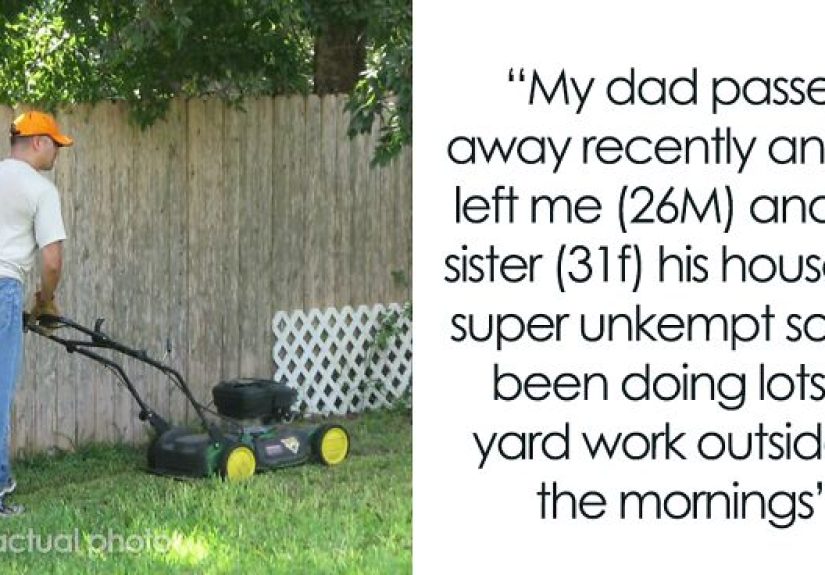
In a viral neighbor-drama story making the rounds online, a man says his older neighbor kept recording him while he worked in his yard.
He tried the normal, sane-person route firstasking her to stop. No luck. So he took a sharp turn into performance art:
he started striking exaggerated “sexy” poses whenever she lifted her phone.
The result? The filming reportedly stoppedat least in the moment. The bigger result? A conversation starter that’s funny on the surface,
but secretly about something very real: privacy, boundaries, and what to do when you feel watched in your own space.
Let’s dig into what’s going on here (pun absolutely intended), why this sort of thing escalates so fast, what the law generally cares about,
and how to handle a neighbor who seems determined to turn your garden into their personal content channel.
What Happened: A Backyard Comedy With a Serious Point
The core story is simple: a guy is outside gardeningwatering, weeding, doing normal yard workwhen he notices his neighbor filming him.
Not a quick “oops, you walked into my frame” moment. More like repeated recording that made him feel targeted.
After a direct request didn’t work, he escalated with humor: dramatic poses, extra eye contact, the kind of over-the-top “calendar shoot”
energy that makes filming suddenly feel awkward. The move wasn’t about seduction; it was about social friction. He made the act of recording
feel uncomfortable for the recorder.
Online, people laughed. Some applauded the creativity. Others worried it could backfirebecause when boundaries get weird, the person
who gets painted as “the problem” isn’t always the person who started it.
Why Being Filmed While Gardening Feels So Invasive
Gardening is one of those quietly personal activities. You’re outside, surebut you’re also in your own routine. Maybe you’re sweaty,
listening to music, talking to your plants like they’re employees who keep missing deadlines. (Grow, Susan. We talked about this.)
Being recorded can turn that into a stage you didn’t consent to.
It’s not just “being outside”
People often assume that if you’re outdoors, privacy doesn’t exist. But privacy isn’t a binary switch. There’s a difference between
“someone could glance over” and “someone is actively documenting you.” The first feels like neighborhood life. The second feels like
scrutiny.
It can trigger safety and reputation fears
Recording raises questions you can’t answer in the moment:
Who’s seeing this? Is it being posted? Is there audio? Is it meant to shame me? Is it being saved for some future complaint?
Uncertainty creates stressand stress is fertilizer for conflict.
Gardening is supposed to lower stress, not raise it
Research and expert commentary frequently link gardening with improved mood, reduced stress, and better well-being. That’s part of why
people guard their “yard time.” When someone disrupts it, it can feel like they’re stealing the very benefit you came outside to get.
Is It Legal to Record Someone in Their Yard?
Here’s where things get tricky: laws vary by state, and the details matterespecially whether the camera is capturing something that a person
would reasonably expect to be private. Also, video and audio are not the same conversation legally.
Generally speaking, recording what’s plainly visible from a public place (like a street or sidewalk) is often lawful. But aiming a camera into
areas where someone expects privacylike through windows, into bedrooms, or into a secluded, fenced backyardcan create legal problems.
Think of it like this: the law tends to care about where the recording happens, what is being captured, and why.
A camera that incidentally captures part of a yard isn’t the same as a camera set up to monitor a particular person.
“Reasonable expectation of privacy” is the big concept
U.S. privacy analysis often turns on whether someone has a reasonable expectation of privacy in the place being recorded. That concept shows up
in different contexts, but it’s a useful starting point for understanding why filming a front yard feels different than filming through a bathroom
window. One area is more exposed to public view; the other is inherently private.
Security cameras add another layer
A lot of neighbor recording disputes aren’t about someone holding up a phone. They’re about security cameras. In many places, it’s legal to have
cameras on your property, but placement can be the issueespecially if the camera captures private areas of a neighbor’s property or records audio.
- Video: Often permitted when aimed at your own property and public-facing areas, but risky when pointed into private spaces.
- Audio: Often more restricted, and state consent laws can matter a lot (especially if private conversations are captured).
- Harassment / nuisance: Even if a single act of recording isn’t illegal, repeated behavior can become part of a broader harassment claim depending on facts and local law.
Because the rules are so fact-specific, the smartest moveif it’s seriousis to check local ordinances, state statutes, and, if needed, get legal advice.
The internet is great at confidence. It is not great at jurisdiction.
The “Sexy Pose” Strategy: Why Humor Sometimes Works
Let’s give credit where it’s due: comedy can be a surprisingly effective de-escalation toolwhen used carefully.
Humor can interrupt a tense pattern and change the social cost of someone’s behavior.
In this story, the “sexy pose” move worked because it flipped the script. Recording is powerful when the recorder feels anonymous and in control.
When the subject looks directly at the camera and makes the recording weird, the recorder loses the comfortable upper hand.
Suddenly, filming isn’t a passive hobbyit’s an interaction.
It’s boundary-setting disguised as a joke
A playful response can send a message without starting a screaming match across the hydrangeas:
“I see you. I don’t like this. I’m not going to pretend it’s normal.”
But it can backfire if it’s too aggressive
Here’s the risk: if the response becomes sexual harassment, intimidation, or an escalation that makes the neighbor feel threatened,
you may accidentally hand them a stronger complaint than the one you started with.
If you ever try humor as a boundary tool, keep it PG, keep it brief, and keep it obviously non-threatening.
The goal is to stop the behaviornot to start a war that requires a mediator, a lawyer, and a group chat named “Neighborhood Chaos.”
Smarter Ways to Get a Neighbor to Stop Recording You
Comedy is optional. A strategy is not. If you feel targeted, here are practical steps that are less likely to spiral.
1) Document what’s happening (calmly, not obsessively)
Write down dates, times, and what you observed. If there’s a camera involved, note its location and what it appears to capture.
Documentation helps you stay factual, especially if you need to explain the issue to a property manager, HOA, mediation center, or attorney.
2) Have one direct conversation, in a neutral moment
Timing matters. Don’t do it while you’re furious and holding a trowel like it’s a microphone at a roast battle.
Try a simple script:
“Hi. I’ve noticed you recording me while I’m working in the yard. I’m not comfortable with that. Please stop filming me or adjust your camera so I’m not in it.”
Short. Clear. No insults. No “Karen” label to her face. (Even if your brain is chanting it like a drumline.)
3) Offer a practical compromise
Sometimes people record because they think they’re protecting themselves, or because they misunderstand what’s appropriate.
If it’s a fixed security camera, ask if they can angle it toward entry points, use privacy masking, or narrow the field of view.
If it’s a phone habit, ask them to keep their filming on their side and off your body.
4) Improve physical privacy (the non-drama approach)
The most peaceful solution is often landscaping and design:
taller fencing where allowed, privacy screens, trellises, fast-growing hedges, or strategic plantings.
Bonus: you get more shade, more birds, and fewer reasons to practice your “shocked runway model” pose behind a watering can.
5) Consider community mediation
If talking doesn’t work, mediation can. Community mediation centers help neighbors resolve conflicts without a courtroom vibe.
The process is structured, neutral, and focused on agreements. It can be especially useful when both sides feel “right”
and neither side will budge without a referee.
6) If it feels threatening, escalate appropriately
If the recording is part of stalking, harassment, threats, or invasive filming into private areas (like windows),
don’t try to out-comedy a serious situation. That’s when you look at local resources:
homeowner associations, property managers, local ordinances, or legal counsel.
If you feel unsafe, contact local authorities.
Keep It Neighborly: De-escalation Tips That Don’t Backfire
The best neighbor conflict tactics are boringand boring is good. Boring is “this ended without anyone posting screenshots.”
Use “I” statements, not character attacks
“I feel uncomfortable being recorded” lands better than “You’re a creep.” (Even when your inner narrator is screaming it.)
The more respectful your language, the harder it is for the other person to claim you’re the aggressor.
Don’t perform for the whole street
If the conflict becomes entertainment, it becomes harder to resolve.
Keep conversations private, avoid public shaming, and skip the social media play-by-play if you actually want peace.
Assume misunderstanding oncethen stop assuming
Give one chance for “I didn’t realize.” After that, focus on boundaries and next steps.
Repeated behavior isn’t confusion; it’s choice.
Gardening Should Be Your Therapy, Not a Reality Show
It’s worth remembering why this hits so hard: gardening is a mental reset for a lot of people.
Studies and health reporting often describe gardening as a mix of physical activity, nature exposure, mindfulness, and accomplishment.
You’re literally nurturing something. That’s powerful.
So when someone records you without consentespecially in a way that feels targetedit can hijack the experience.
Instead of “I’m pruning my tomatoes,” your brain goes, “Am I being judged? Is this being posted? Is this a complaint file?”
Your nervous system doesn’t care that you’re holding a basil plant. It hears “threat.”
If you’re dealing with a recording neighbor, the goal isn’t just to stop the phone. It’s to get your peace back.
Whether that’s a calm conversation, a privacy screen, or mediation, the win is restoring your yard as a place you can breathe.
Experiences Related to the Topic: When Humor Meets Boundary-Setting (Extra 500+ Words)
Stories like “the gardener who strikes sexy poses” go viral because they feel like justice you can laugh at.
But in real life, people try all kinds of strategies when they feel watched at homesome clever, some messy, some surprisingly wholesome.
Here are a few common patterns (and what they teach us) that show up again and again in neighbor disputes.
The “I’m going to out-weird you” approach
A lot of people reach for humor because it’s safer than confrontation. One homeowner notices a neighbor filming every time the grill comes out,
so he starts narrating his burgers like a cooking show: “And now we add the secret ingredient… mind your business!”
The neighbor laughs, puts the phone down, and the tension dissolves. In that best-case scenario, humor works because it’s not hostileit’s a
playful cue that says, “Hey, this is crossing a line,” without shaming the other person.
But the same tactic can also fail. Someone tries a sarcastic wave, the neighbor takes it as an invitation to argue,
and suddenly it’s a weekly confrontation with an audience of passing dog-walkers. The lesson: humor is great if the other person still
has social awareness. If they don’t, you need a different tool.
The “polite, documented, unshakeable” strategy
Another common experience is the quiet boundary setter: a person who keeps notes, stays calm, and repeats the same message.
They talk once, then follow up in writing (friendly but clear), and if needed, they bring in a neutral third party like an HOA or mediator.
It’s not viral. It’s not fun. It also works a shocking amount of the time because it removes drama and replaces it with process.
People who enjoy conflict often lose interest when they can’t get an emotional reaction.
The “privacy makeover” experience
Some people skip confrontation entirely and redesign the space. They add a taller fence where allowed, install a shade sail, plant hedges,
or put up a trellis that turns into a wall of green by summer. It’s a deeply satisfying route because it improves the yard while also reducing
visibility. And it doesn’t require you to convince someone else to behave. If your peace depends on your neighbor suddenly becoming reasonable,
you might be waiting a while.
The “misunderstanding that turned into a truce” story
Not every recorder is a villain. Sometimes a neighbor is filming their own property for security and you’re caught in the frame.
Sometimes an older neighbor is anxious about break-ins and thinks recording is “being vigilant,” not invasive. When these situations get resolved,
it’s usually because the conversation stays concrete: “Your camera captures my patio. Can you angle it down?” “Can you use privacy masking?”
The moment the discussion becomes personal (“you’re creepy,” “you’re dramatic”), everyone digs in.
The “it got serious, so I got help” turning point
Finally, some experiences move beyond annoyance. If recording comes with threats, repeated harassment, or filming into private areas,
people often describe a moment where they stop trying to be clever and start protecting themselves: saving evidence, contacting building management,
seeking legal advice, or calling authorities if they feel unsafe. The lesson here is simple: viral solutions are entertainment.
Real-life solutions should prioritize safety, legality, and your ability to live normally in your own home.
The “sexy pose” story is funny because it’s a social hack: it uses awkwardness to restore a boundary.
But the deeper point is universalif something feels invasive, you’re allowed to address it. Ideally with calm words,
practical steps, and enough self-respect to keep your garden time yours.
Conclusion: Choose the Ending You Want for Your Yard
The internet loves a petty win, and the “strike a pose until the filming stops” moment is undeniably funny.
But the lasting takeaway isn’t about posingit’s about boundaries.
If you feel uncomfortable being recorded while gardening, you’re not “too sensitive.” You’re responding to a real social violation.
Start with a clear request. Document what’s happening. Improve privacy where you can. Use mediation if it’s stuck.
And if it crosses into harassment or invasive surveillance, get local guidance and support.
Your yard isn’t a set. Your garden isn’t content. And you shouldn’t need a runway pose to feel safe while planting tomatoes.
(But if you do strike a pose, keep it light, keep it legal, and pleasehydrate. Gardening is still work.)